


‘Love Letters’: Tropa Majumdar’s ode to war and longing
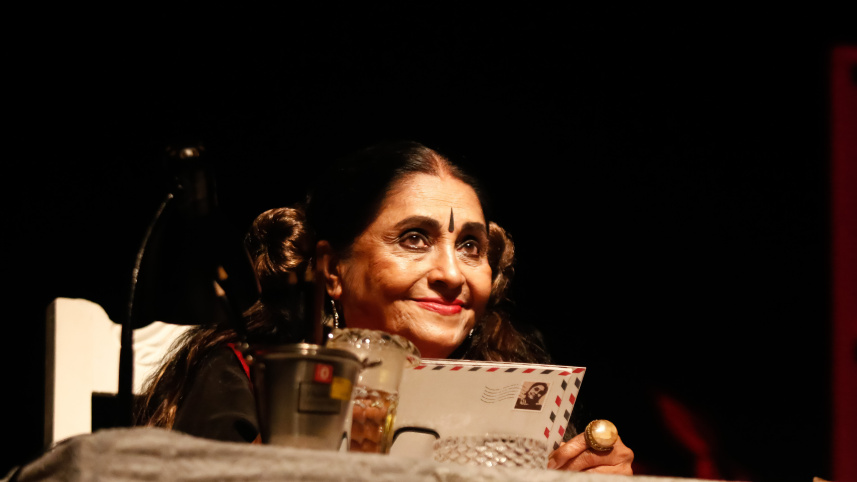
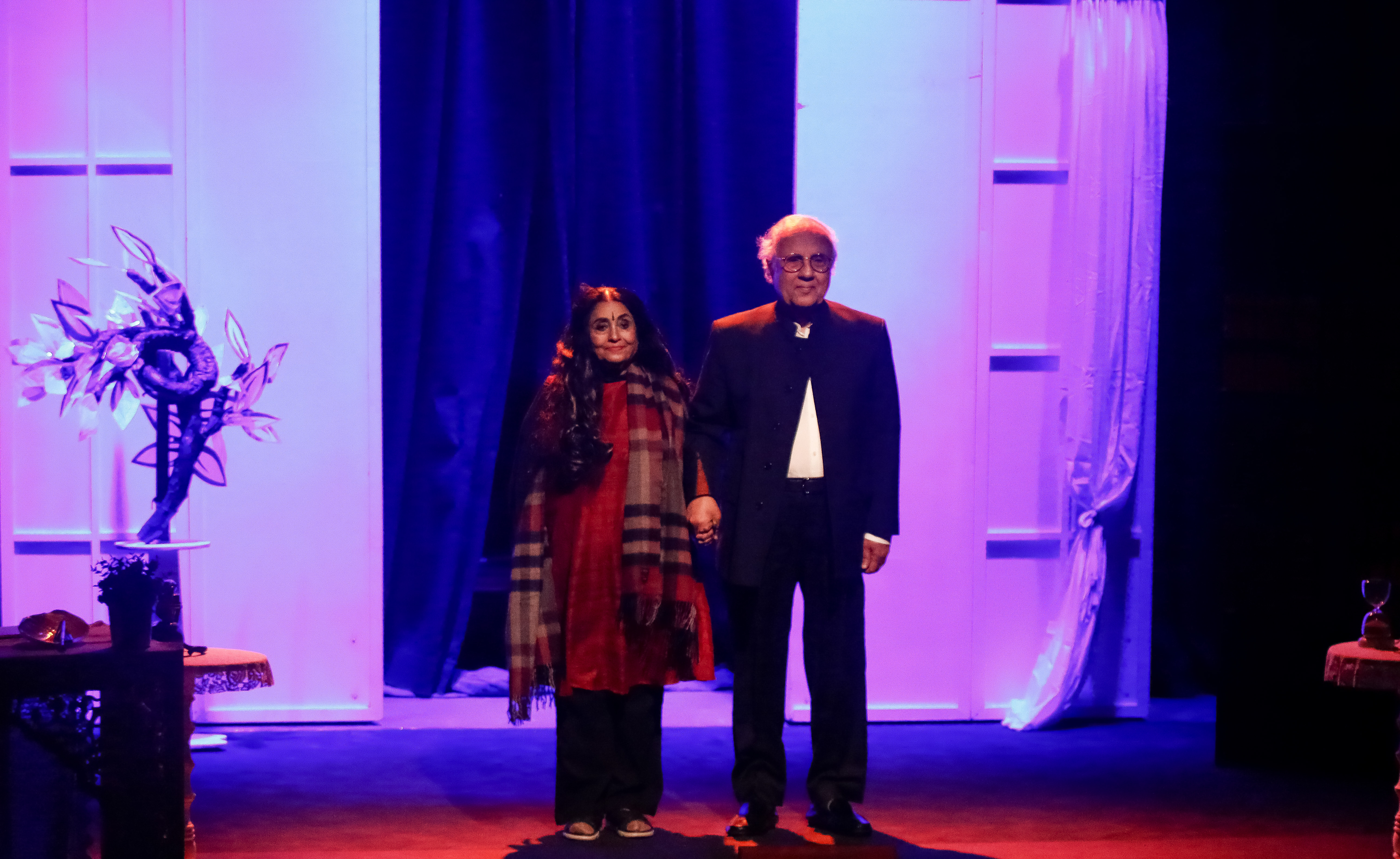
There is a particular kind of silence that falls over an auditorium when two actors who have shared a life off stage agree, finally, to share one on it. That silence settled once again over the Nilima Ibrahim Milonayoton of Bangladesh Mahila Samity on Friday evening, as veteran theatre couple Ramendu Majumdar and Ferdousi Majumder returned to the stage in “Love Letters”, directed by their daughter Tropa Majumdar, in a fresh staging of Theatre’s production on June 19, 2026.
In a note shared before the performance, Tropa Majumdar recalled that the idea for the production began nearly a decade ago. In 2017, Professor Abdus Selim read the script at the home of veteran actor Aly Zaker, who was then living with cancer. The original plan was to bring Aly Zaker and Ferdousi Majumder together on stage once again in a play that would require little physical movement but allow deep emotional expression through voice, memory, and language.

The adaptation was completed swiftly, but rehearsals were repeatedly derailed by illness until Zaker himself told Ramendu Majumdar, “You all begin. I will join” — a joining that never came, as Zaker died on November 27, 2020, leaving “Love Letters” to be staged in his memory instead, first in May 2023 and now again in this latest run, mounted in tribute to a friendship that could not outlast time.
“Love Letters” was written by American playwright A R Gurney and was a finalist for the Pulitzer Prize for Drama. In its original form, the play follows two childhood friends from wealthy East Coast families, Andrew Makepeace Ladd III and Melissa Gardner, whose correspondence begins with a thank-you note over a birthday gift and continues across nearly 50 years — through boarding school, Andrew’s enlistment and military service, his rise into law and eventually the US Senate, and Melissa’s drift through failed marriages, artistic ambition, and personal unraveling. The two never quite manage to be together at the right time; by the time they do, it is too late.
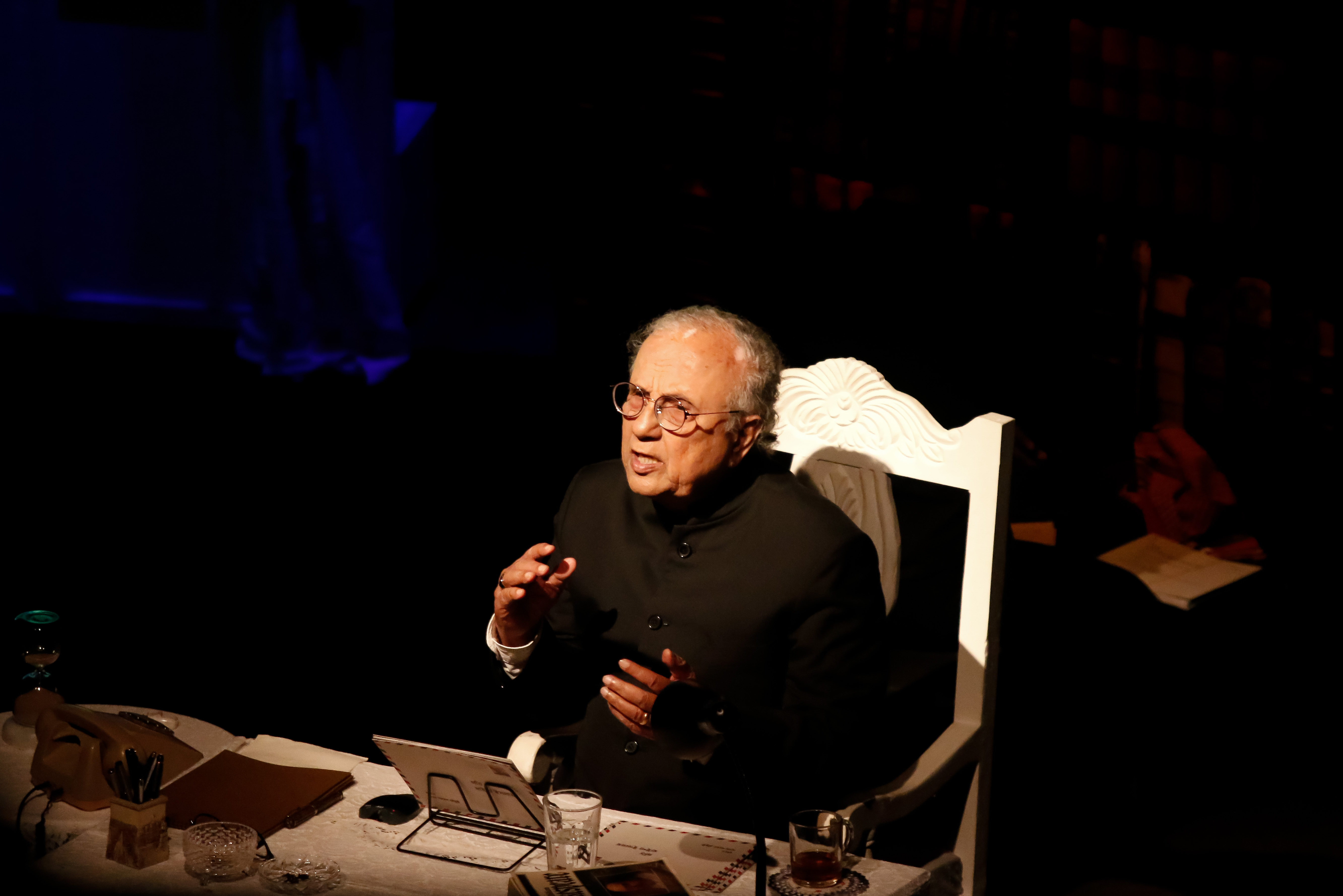
The play’s staging instructions are almost as well known as its text. Gurney insisted that the actors not memorise their lines but read them from the page, seated side by side, never looking directly at each other.
Professor Abdus Selim’s Bangla adaptation, simply titled “Love Letters”, preserves this architecture almost entirely, except that it has been adjusted to resonate more closely with a Bangladeshi audience. Andrew and Melissa became Anonto Shahed Chowdhury and Maisha Islam, born not into the East Coast gentry but into well-off Bangladeshi families. The boarding schools became cadet college and convent school; Yale and law school became a legal education in London; and crucially, where Gurney’s Andrew goes off to an unspecified American war, Selim’s Anonto returns home from London to join Bangladesh’s Liberation War.
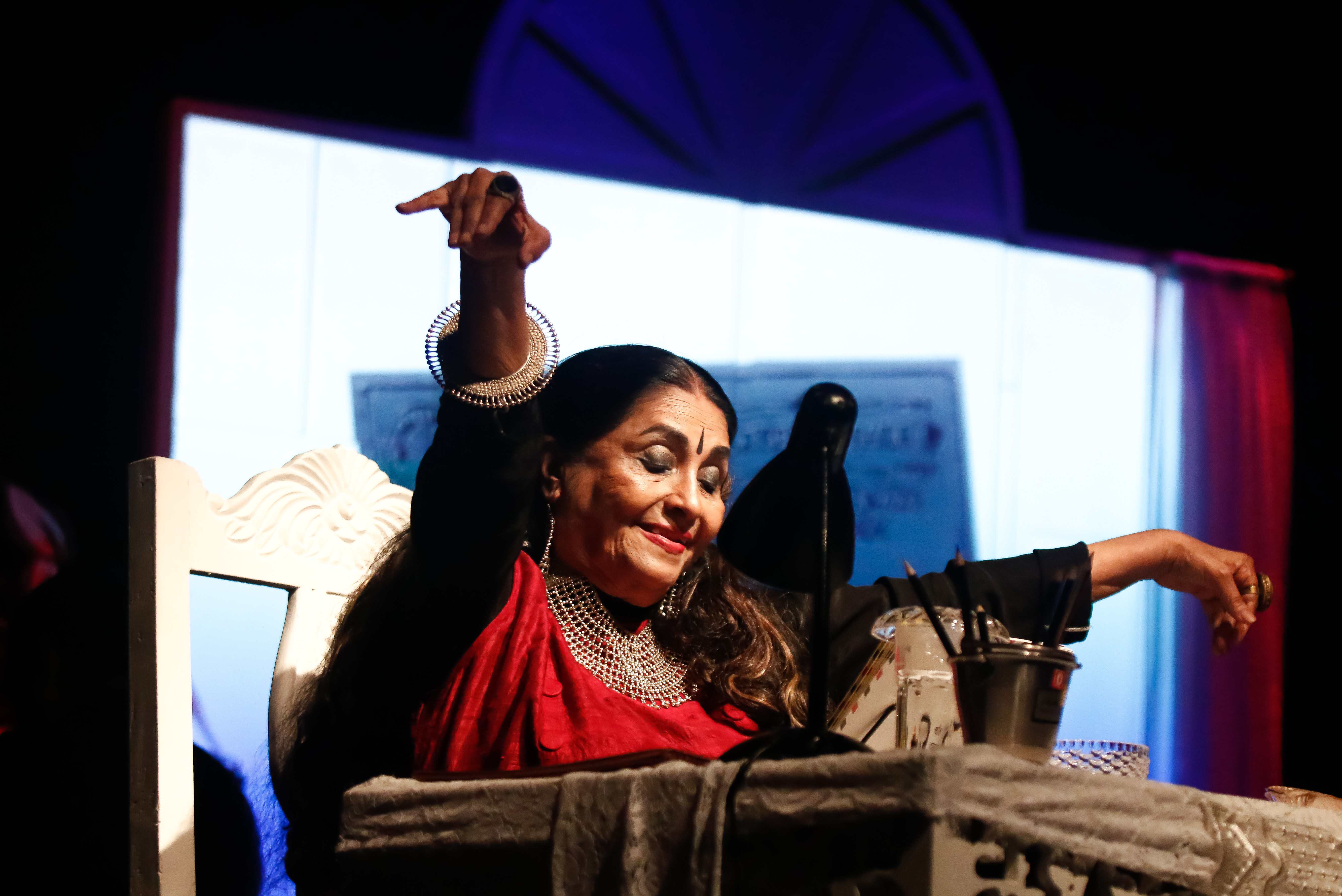
As in Gurney’s original, the production’s two characters are deliberately drawn as opposites. Anonto is disciplined, restrained, dutiful — a son who does what is expected of him and later finds his way into law and public life. Maisha is impulsive, artistic, and allergic to convention, professing to dislike letter-writing even as she never quite stops doing it.
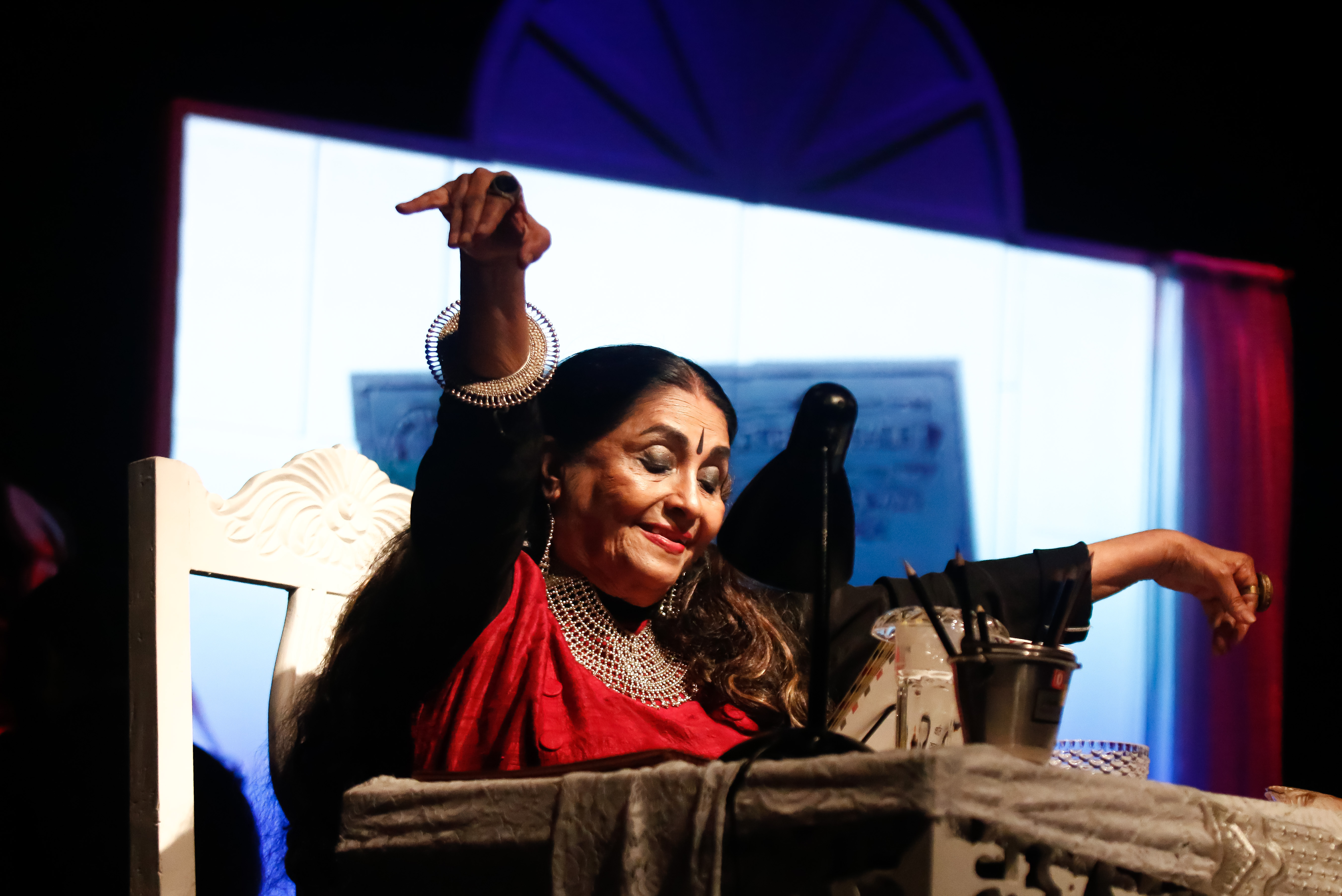
Their correspondence begins in childhood, with the stilted thank-you notes children are made to write after birthday parties, and only deepens as the distance between their lives grows; cadet college pulling Anonto one way, convent school pulling Maisha another, and adulthood eventually separating them across continents. Tropa Majumdar has organised this arc into five broad movements: the college years, the university years, working life, an unsettled middle passage shaped by both fortune and misfortune, and finally a stage of reckoning and self-realisation.
What struck me most was how little the production relied on spectacle to do its work. The set, designed by Palash Hendry Sen, is built around two simple visual anchors: a bookshelf for the politically minded Anonto, and an artist’s tools for Maisha. Costumes were designed by Gulshan Ara Munni, illustrations were by Pradip Chakraborty, and an original score by Sourendro and Soumyojit added an extra layer of longing to the story.
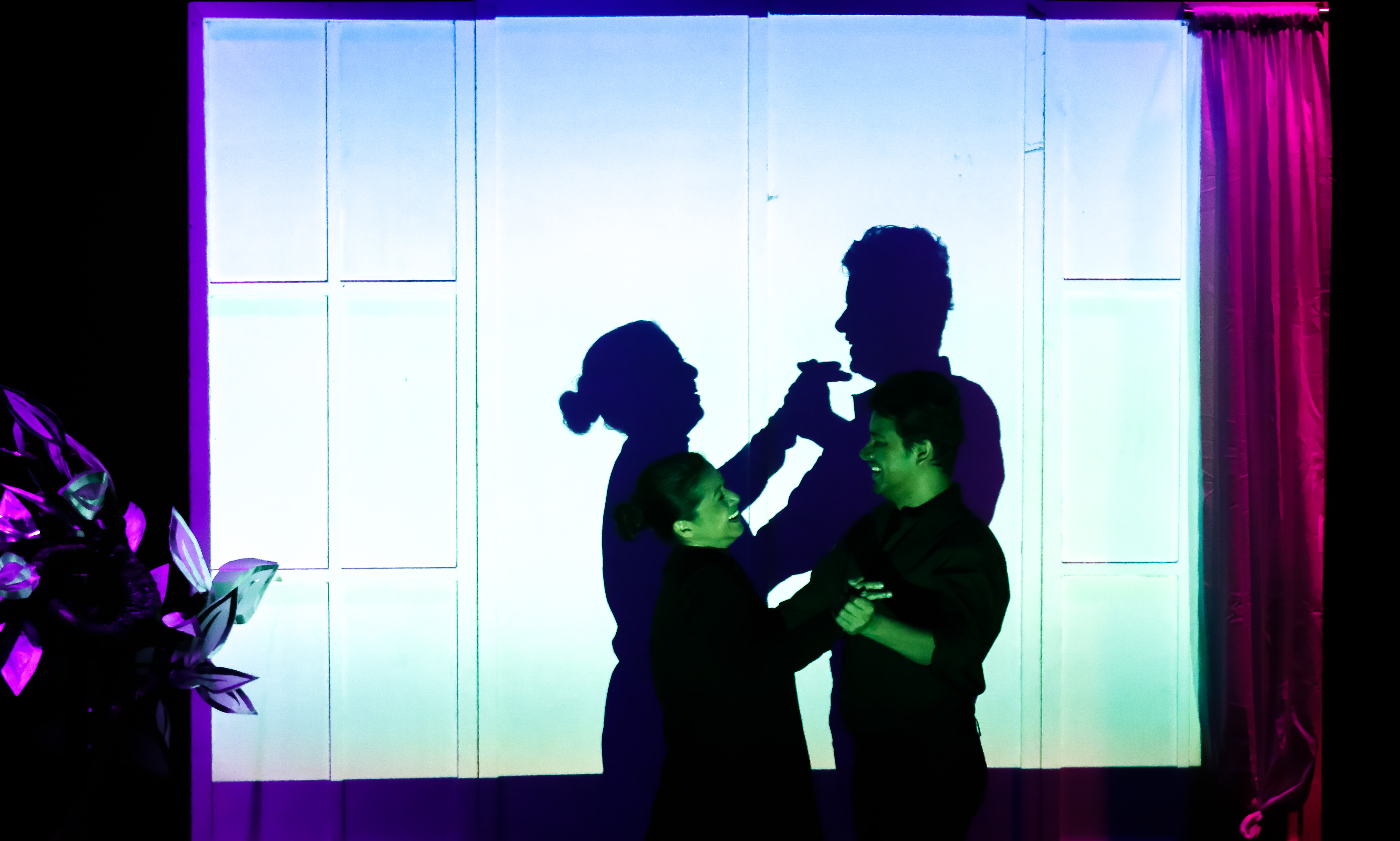
Tropa Majumdar has said she wanted nothing to compete for the audience’s attention with the actors and the text itself, trusting that two skilled performers reading correspondence aloud could carry an entire evening of theatre without elaborate staging. Given that her own parents anchor the production, the choice carries an added intimacy: a daughter directing her mother and father through a story about a couple who spend a lifetime almost finding each other, performed by two people who have already spent more than five decades doing exactly that.
 For all latest news, follow The Daily Star's Google News channel.
Comments