


‘He was a great artiste and a big-hearted person’: Babita remembers Farooque
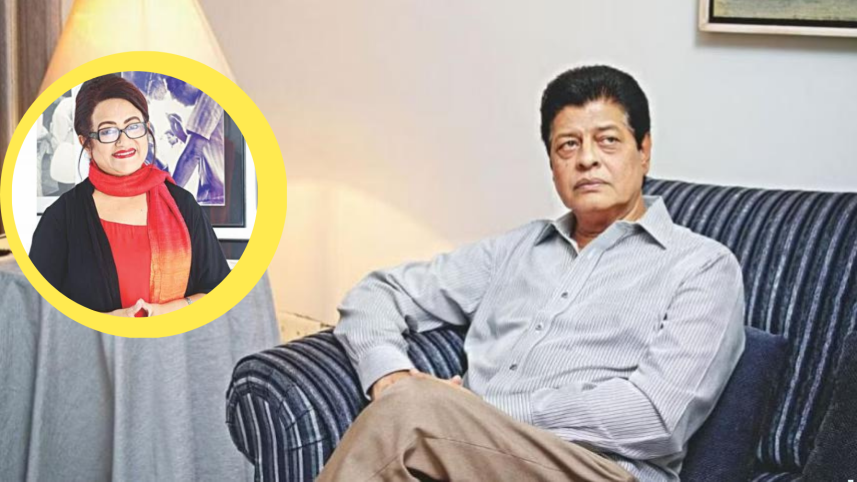
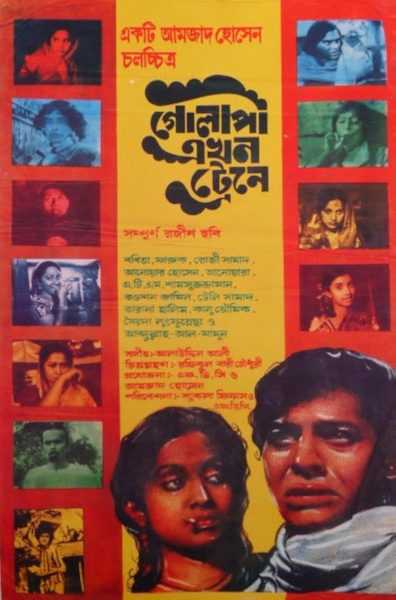
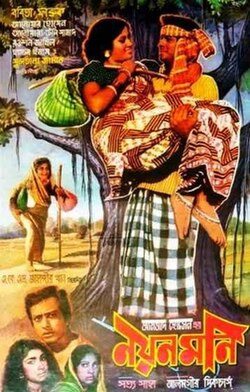
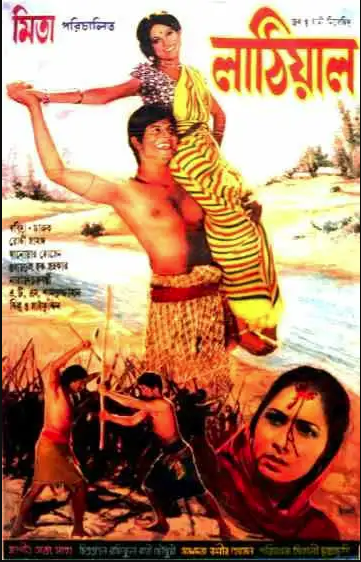
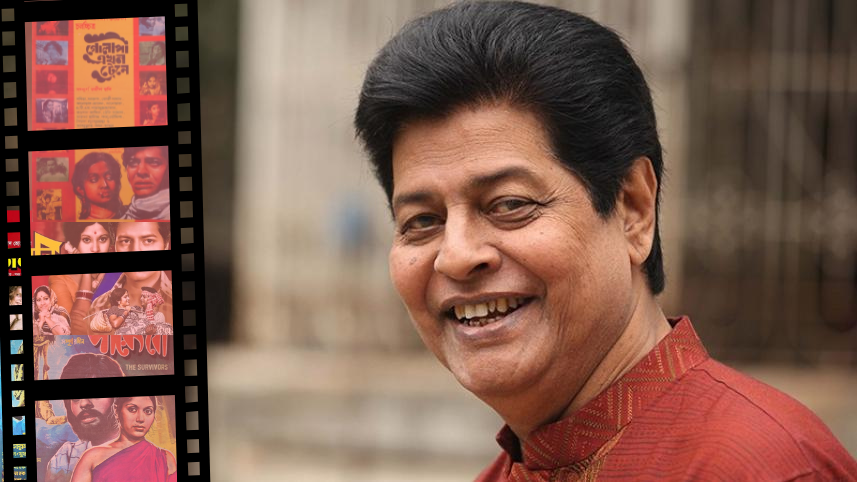
Farooque was one of the defining heroes of Bangladesh’s golden era of cinema. He enriched the country’s film industry and formed memorable pairings with many leading actresses. His partnership with Babita produced several acclaimed films, including “Noyonmoni”, “Lathial”, "Golapi Ekhon Train E" and "Alor Michil".
“Noyonmoni” became a box-office sensation, while "Golapi Ekhon Train E” earned acclaim beyond Bangladesh.
As today marks Farooque’s birth anniversary (August 18), internationally acclaimed actress Babita spoke to The Daily Star about her memories of the late actor.
“It still hurts when I think that Farooque bhai is no longer with us. I will never see him or speak to him again, or see his smiling face. He will never enliven our gatherings or speak to us so openly and warmly. He has left this world, and that thought is painful,” she said.
Recalling him as an actor, Babita said, “Farooque bhai was a great artiste and a big-hearted person. He was exceptionally convincing in rural characters. He would make you believe that he was genuinely a man from the village. He was unparalleled in films rooted in rural life. He earned immense praise for such roles, and those films continue to resonate with audiences.”
Babita still vividly remembers working with Farooque. “There were times when we would travel to shoot three or four films simultaneously. After finishing one film, we would move to another village and begin shooting another. I still remember a village called Nabagram, where Farooque bhai and I spent days shooting. Once one film was completed, we would move to Manikganj for another. That was how we worked together.”
She particularly remembers the difficult conditions during the making of “Golapi Ekhon Train E” in Manikganj.

“We stayed at a bungalow and sometimes shot beside the river late at night in freezing weather. We could not wear warm clothes because we had to remain in our costumes. Farooque bhai endured a great deal for a good film. He worked incredibly hard, and that is why I say he was a great artiste.”
Babita also fondly recalls visiting Farooque’s home after his marriage. “I went to his home with Suchanda apa, Champa and others. He was a wonderful host. Later, I invited him and bhabi to my home as well. We had a close family relationship. His passing was truly painful. I never imagined he would leave us so soon.”
She remembers holding on to hope while Farooque was receiving treatment in Singapore. “I saw some videos of Farooque bhai during his treatment and felt hopeful that he would recover and return to us. But that did not happen. The memories I have of him can never be forgotten.”
Among their many films, “Alor Michil” remains especially memorable to her. “People still remember ‘Alor Michil’. Many still watch it, and some even speak to me about the film today.”
Babita also recalled the extraordinary popularity of stars at the time. “A male star like Farooque bhai could sometimes go to a cinema hall, although there would still be huge crowds. For a female star like me, it was much more difficult. I sometimes went to cinemas wearing a burqa. If I went without one, the fans would make it impossible for me to move.”
She also remembered pre-release screenings at the Bangladesh Film Development Corporation (BFDC), where cast and crew would gather to watch their films. “Farooque bhai and I would watch our films there before their theatrical release. He acted in so many beautiful films, and those performances will keep him alive as an actor for generations.”
Concluding her tribute, Babita said, “May Farooque bhai rest in peace wherever he is. On his birth anniversary, I send him my love and prayers.”
 For all latest news, follow The Daily Star's Google News channel.
Comments