


Timeless Aisha, relentless Aisha


After making a mark in OTT with memorable performances in projects such as “Kaiser” and “Daag”, actress and host Aisha Khan has carved out a distinct place in the industry. Following her big-screen debut in “Ahoto Phooler Golpo” (2018), she returned to cinemas with Proshoon Rahmaan's “Shekor”, starring opposite F S Nayeem. Released on July 31 to a warm reception, the film explores themes of identity, belonging, and the importance of preserving one's cultural roots across generations.
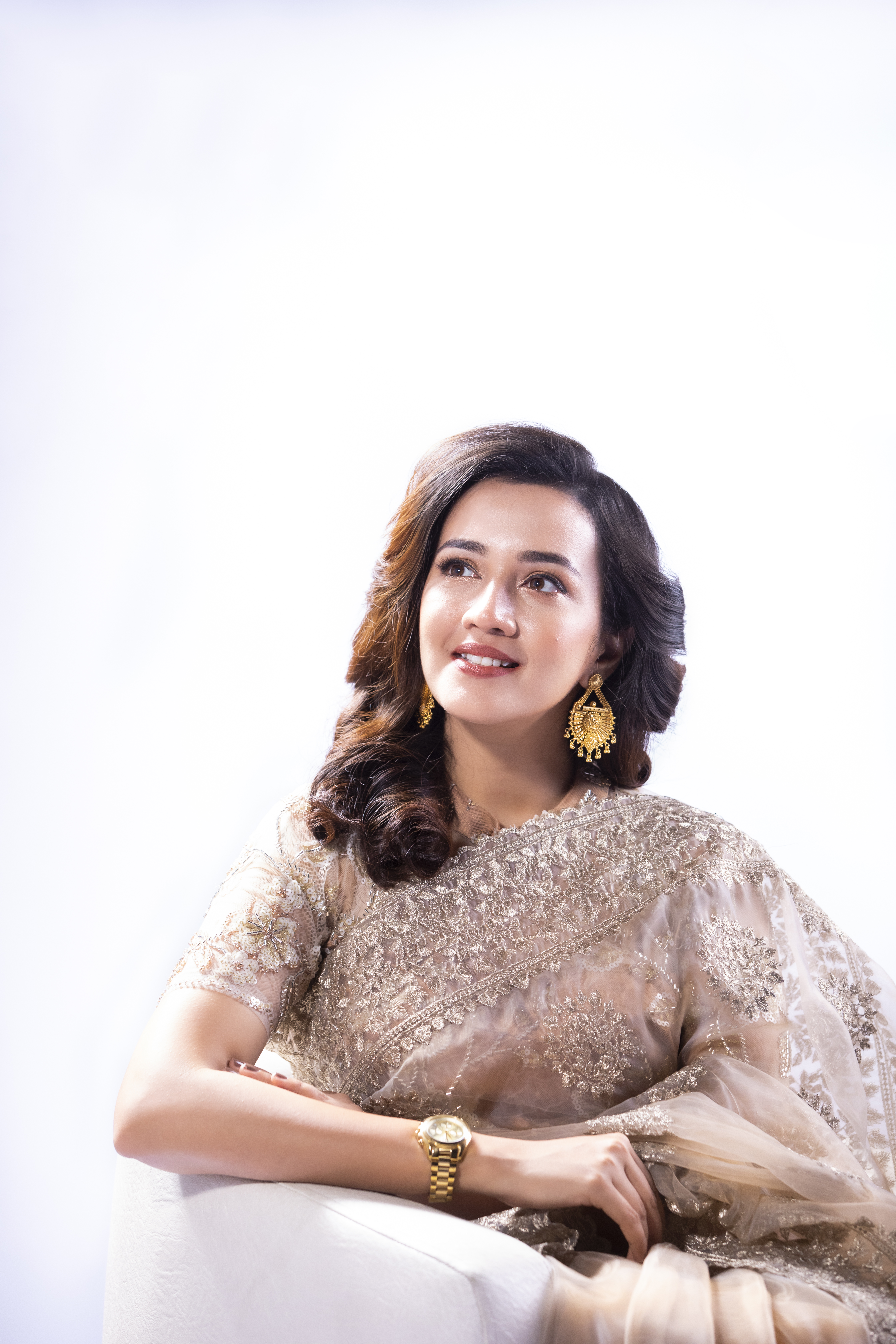
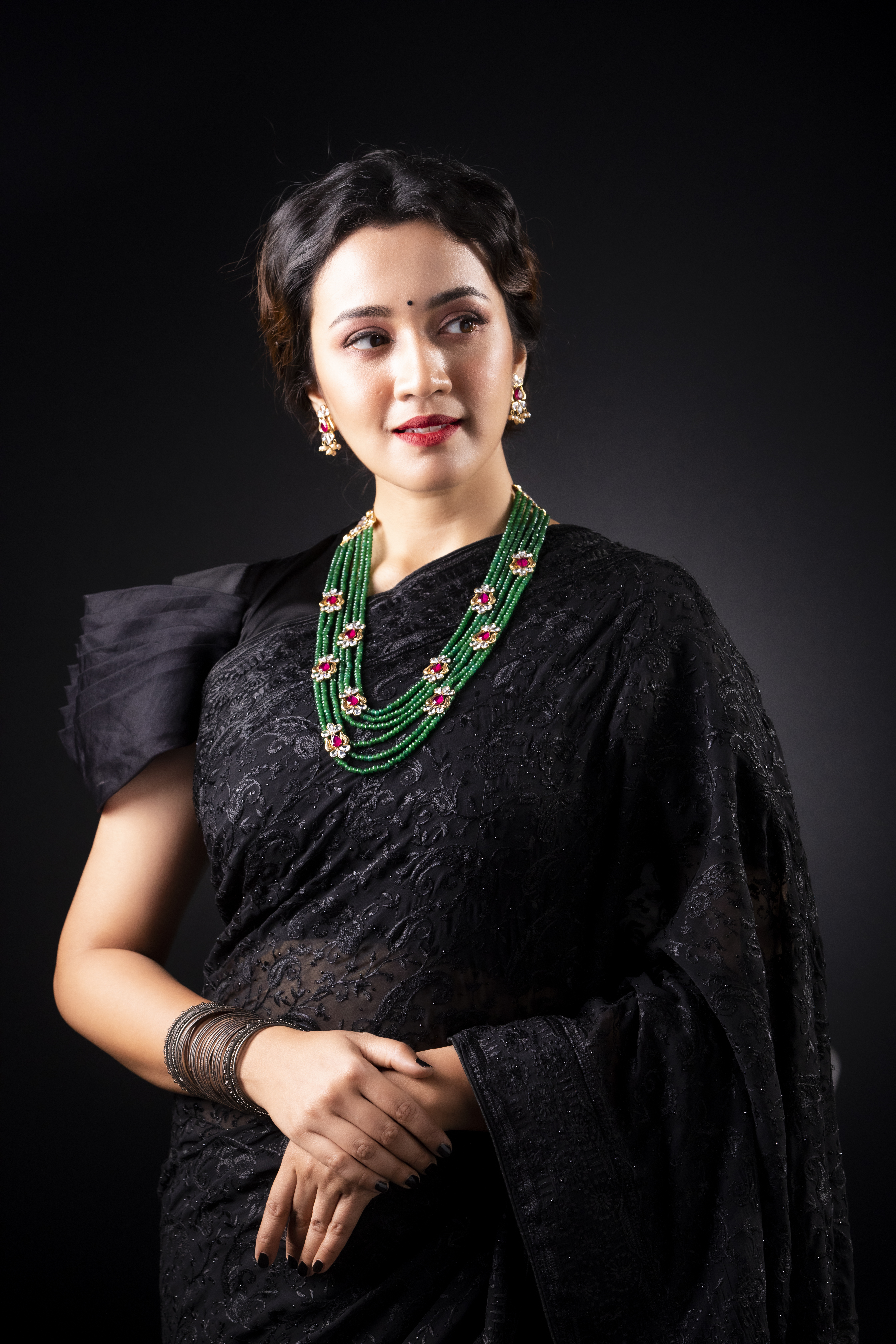
Aisha dropped by The Daily Star for an exclusive photoshoot, and shared her experience of working in the project, her solo tour and more.


How did ‘Shekor’ happen?
Proshoon bhaia was looking for a fresh face to play Phalguni, who is a singer and a teacher as well. His requirements were quite specific, and after Nayeem bhaia suggested my name, we met. What impressed me most was his narration. Before I even finished reading the script, I told him I wanted to do the film because I had already connected with the story.
What surprised me even more was his preparation. Three months before shooting, he presented an entire roadmap—from production to festival plans—in a presentation slide. Almost everything happened exactly as planned. I will always appreciate his professionalism.
Tell us about Phalguni. How similar are you to the character?
Phalguni is a classical singer who teaches and preserves our musical heritage. The biggest difference is that I cannot sing, while she is an accomplished vocalist. She is also very passionate about introducing Bangladesh's culture to people from outside the country.
Where we are similar is our love for our roots. Like Phalguni, I believe people who have moved away from their homeland should stay connected to their roots, even if returning permanently is not possible.
How was your experience of sharing the screens with F S Nayeem?
He is one of the most positive people I have met. Even if you ask him something negative, he somehow turns it into something positive. I try to learn that from him.
On set, despite being such a senior actor, he remained friendly and grounded. He was always punctual, cheerful and constantly making everyone laugh. Even before emotionally demanding scenes, he would keep the atmosphere light. Once the director called for action, he would instantly transform into the character. As a person he is wonderful, but as an artiste he is even better.
You have become quite selective about OTT and film projects. Why?
Either the scripts I receive don't appeal to me, or the remuneration doesn't work for the producers. The projects that brought me recognition had relatively small but memorable roles. For example, “Kaiser”, “Daag” and “Shekor”—will always remain the projects that I will always count to be the best of my career so far. That's exactly what I want now—characters that leave an impact, regardless of screen time.
Your film has travelled to festivals. What are your thoughts on festival recognition versus audience response?
Not every acclaimed film connects with every audience, and that's completely normal. A film can receive international recognition without becoming a commercial success at home.
What matters to me is that Bangladeshi cinema reaches global audiences. However, I believe filmmakers representing Bangladesh internationally deserve greater institutional support. If the government could provide financial assistance to films selected for major festivals, it would encourage more filmmakers to take Bangladeshi stories to the world.
You often travel to unwind. This time you went to Thailand, on a solo trip. How was the experience?
This was my fourth trip to Thailand, but it was the first time I truly explored Phuket. The first seven days were wonderful, but the last part of the trip turned into a stressful experience. While returning to Bangladesh, I missed my flight because of a payment issue at the airport. My cards suddenly stopped working, I was travelling alone, and I started to panic.
I later found out there was a spending limit on my card that I wasn't aware of. At that moment, I thought I might not be able to return home. Thankfully, one of my acquintances, the travel agency and a Bangladeshi couple I had never met before stepped in to help by making the payment on my behalf, and I transferred the money to them immediately. Their kindness is something I'll never forget.
The experience taught me an important lesson: never rely entirely on cards while travelling alone (laughs)—always carry enough cash as a backup. Despite that difficult day, solo travel has helped me discover my own strengths. When you're on your own, you realise what you're capable of handling, and that confidence stays with you long after the trip ends.
 For all latest news, follow The Daily Star's Google News channel.
Comments