


There should be a separate space for independent artistes: Arzeen Kamal

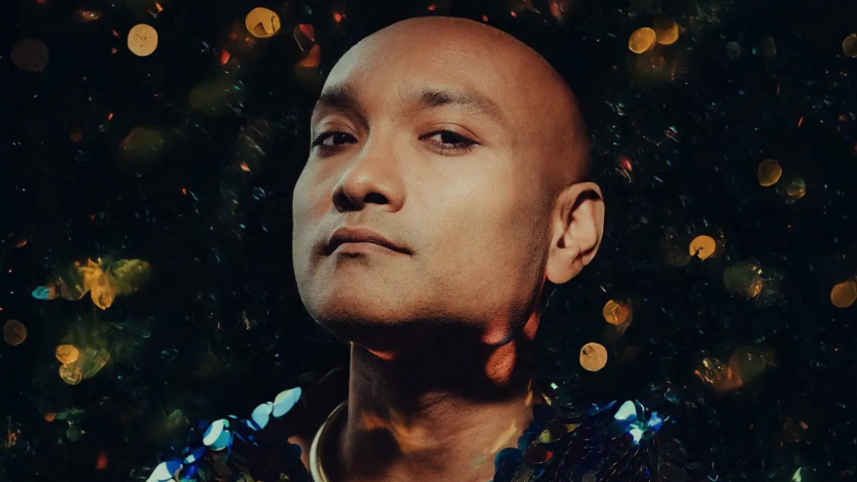
Music has always been more than performance for Arzeen Kamal. Through his work, the Los Angeles-based Bangladeshi singer-songwriter and lyricist has sought to bring Bengali musical traditions into conversation with indie pop, folk, and electronic sounds. Long before he began experimenting with genres and production, however, his earliest understanding and appreciation of performance came from a home where songs were part of everyday life.
“Everyone in my family—my father and my mother—encouraged music,” he recalled while speaking to The Daily Star. His father would record Runa Laila’s television performances and encourage him to watch them. But what fascinated the young Arzeen was not always what anyone would expect.

He was drawn to eccentric gestures, distinctive voices, and performers who seemed to exist outside conventional ideas of stardom. He remembers listening to artistes such as Pandit Ajoy Chakrabarty and Pintoo Bhattacharya, gradually developing an admiration for musicians who were often overshadowed by more commercially celebrated names.
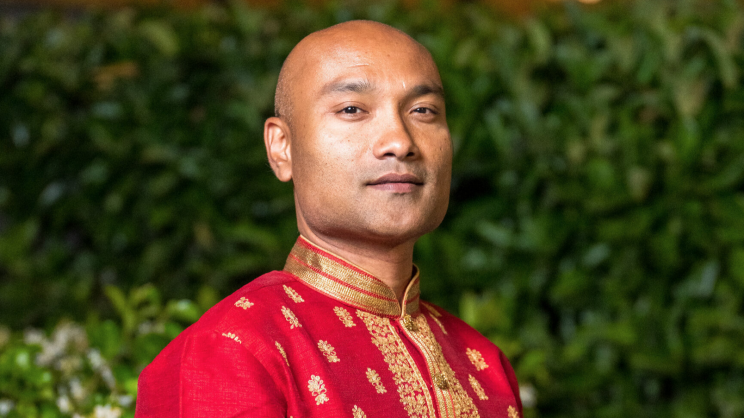
That empathy for the overlooked continues to shape the way he views Bangladesh’s musical landscape today.
Arzeen believes folk musicians possess an instinctive understanding of performance that cannot be manufactured. “The people rooted in folk music always know how to perform,” he said. “You cannot deceive an artiste about something they carry naturally within themselves.”
For him, folk music is not simply defined by its lyrics or melody but also by its sound, surroundings, and cultural history. Once it is excessively polished or reshaped to suit contemporary fashion, he argued, it risks losing the very qualities that make it folk.
He spoke with particular admiration for Sagor Baul, describing the artiste as “unbeatable”. He also named performers such as Ishan Mazumder and Ankan Kumar, arguing that artistes like them cannot be evaluated as “mere singers”. Their work, he said, represents the wider creative identity of independent musicians who often write, conceptualise, and produce their own music.

Yet independent artistes frequently find themselves competing against musicians backed by public relations, promotional budgets, and entire professional teams.
“There should be a separate space for independent artistes,” Arzeen said. Without such support, talented musicians—particularly young people emerging from folk traditions—are rarely given the opportunity to show what they can do.
He pointed to Kangalini Sufia as a painful example. Despite being, in his words, “the goddess of folk”, her talent and cultural importance have not always been met with the recognition and support they deserve.
Nevertheless, Arzeen remains hopeful. More independent musicians are emerging, and he believes Bangladesh may be entering an encouraging period of musical experimentation.
“Production is important,” he said. But elaborate arrangements cannot rescue a song with a weak foundation. “The writing and the tune are the core,” he explained. “They are the skeleton of a song.”
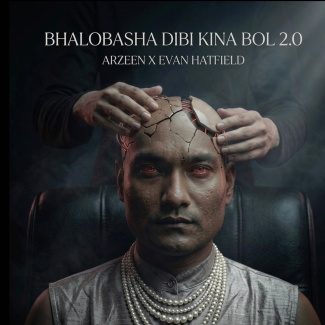
His own work reflects this desire to combine a strong melodic centre with contemporary production. His recent song, “Bhalobasha Dibi Ki Na Bol”, exists within the EDM genre while carrying a romantic, yearning essence. The lyrics deliberately avoid predictability, while the revised “2.0” version introduces changes to the chorus.
The later version relied heavily on the word “tui” as its chorus, which proved easy for international audiences to repeat—even during performances in Los Angeles. Hearing a Bangla word resonate in a foreign setting gave him a particular sense of pride.
Arzeen enjoys unsettling an audience’s expectations. During one performance, he shut down every instrument except the tanpura, leaving the audience momentarily stunned.
“I wanted to make it all about the connection between the music and the mind at that moment. When there is no distraction, people begin to focus more on the lyrics and rhythm. Sometimes, to fill the silence, they start moving with the music,” he reflected.
His relationship with recognition, however, remains complicated. He said “Dekhechi Rup Shagore” was widely shared, yet few listeners knew the work was his.
Arzeen’s passion is evident in the way he speaks about music. To him, music is a spiritual experience that transcends trends. He hopes to see a musical culture that listens more carefully to artistes whose voices often remain unheard.
 For all latest news, follow The Daily Star's Google News channel.
Comments