


Photo Adda revisits the stories behind Munir Uz Zaman’s iconic images
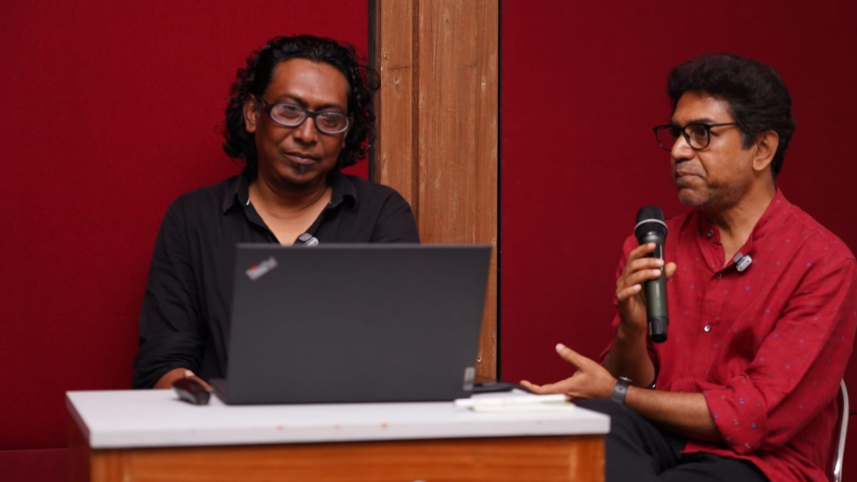
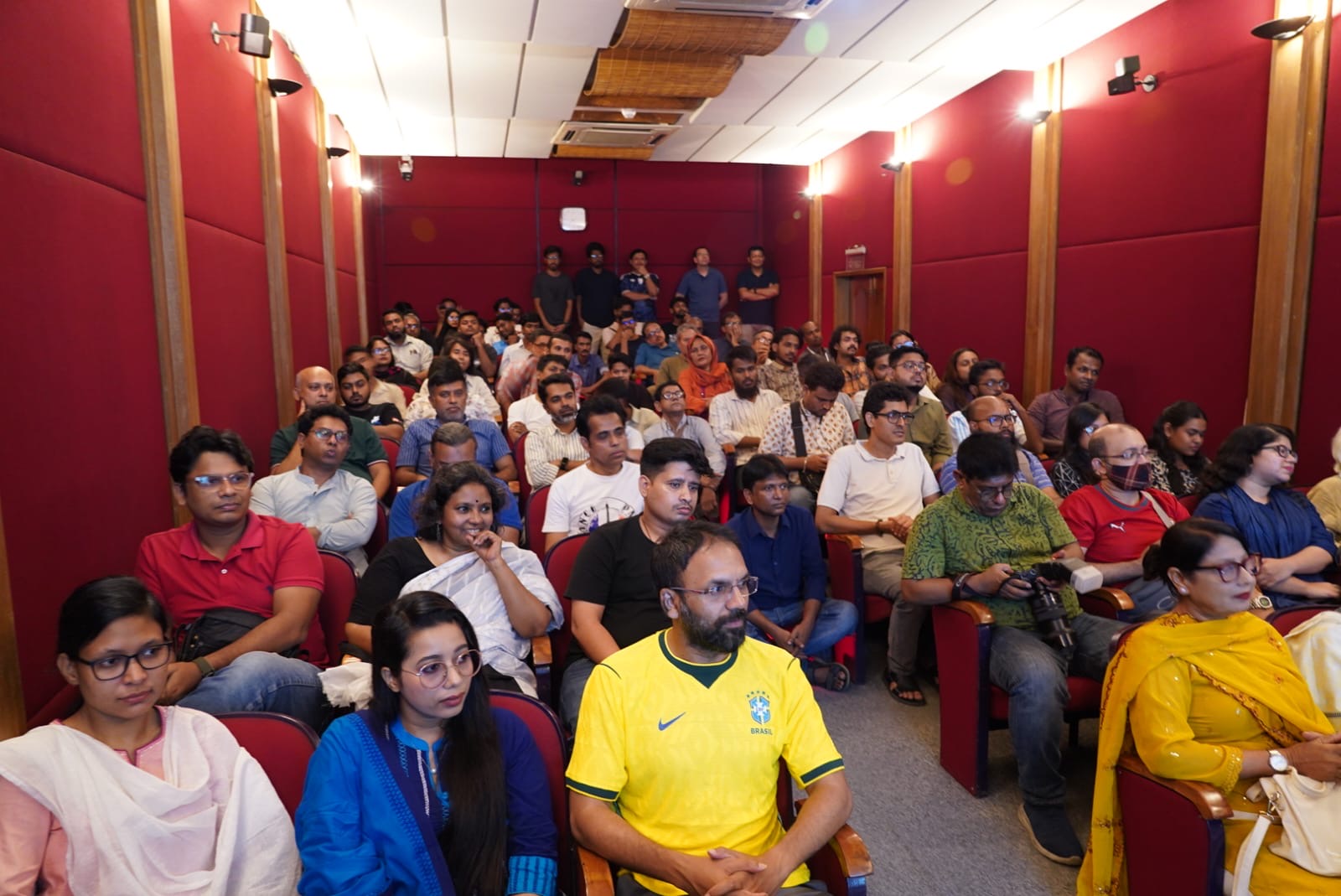
By its fourth session, Photo Adda had already established itself as a serious meeting ground for Bangladesh’s photography community, with its earlier seasons featuring Shankor Sawjal, Sharif Sarker, and Rahul Talukder. On June 26, that growing forum returned to Auditorium Nouvelle Vague at Alliance Française de Dhaka in Dhanmondi, with Munir Uz Zaman as its featured speaker. The two-hour session, held from 5:30 pm to 7:30 pm, drew a capacity audience of photojournalists, senior practitioners, students, and photography enthusiasts. Conducted primarily in Bangla, with occasional English, the evening offered more than a career retrospective. It opened a rare public conversation on news photography as lived experience, professional testimony, and historical record.
The session was moderated by acclaimed photographer and mentor Abir Abdullah and formed part of the Photo Adda series, a platform for Bangladesh’s photography community. This edition centred on Munir Uz Zaman, one of the country’s most internationally published photojournalists and a long-serving photographer with Agence France-Presse. Over more than two decades, Munir has covered political upheaval, humanitarian emergencies, disasters, social change, and major sporting events across South Asia and beyond. A Pathshala graduate, he also teaches photojournalism at Counter Foto in Dhaka.

Munir’s professional record gave the evening a substantial frame. His assignments have taken him from Bangladesh to Afghanistan, Sri Lanka, Thailand, and other major news locations. He has photographed the Rohingya refugee crisis, the Rana Plaza collapse, the war in Afghanistan, Pope Francis’s visit to Sri Lanka, the death of Thailand’s King Bhumibol Adulyadej, Sri Lankan elections, and international cricket. His images have appeared in leading global publications and have been exhibited internationally. Among his widely noted works is his 2021 portrait of Tashnuva Anan Shishir, Bangladesh’s first transgender television news anchor, which was selected for TIME’s Top 100 Photos of 2021.
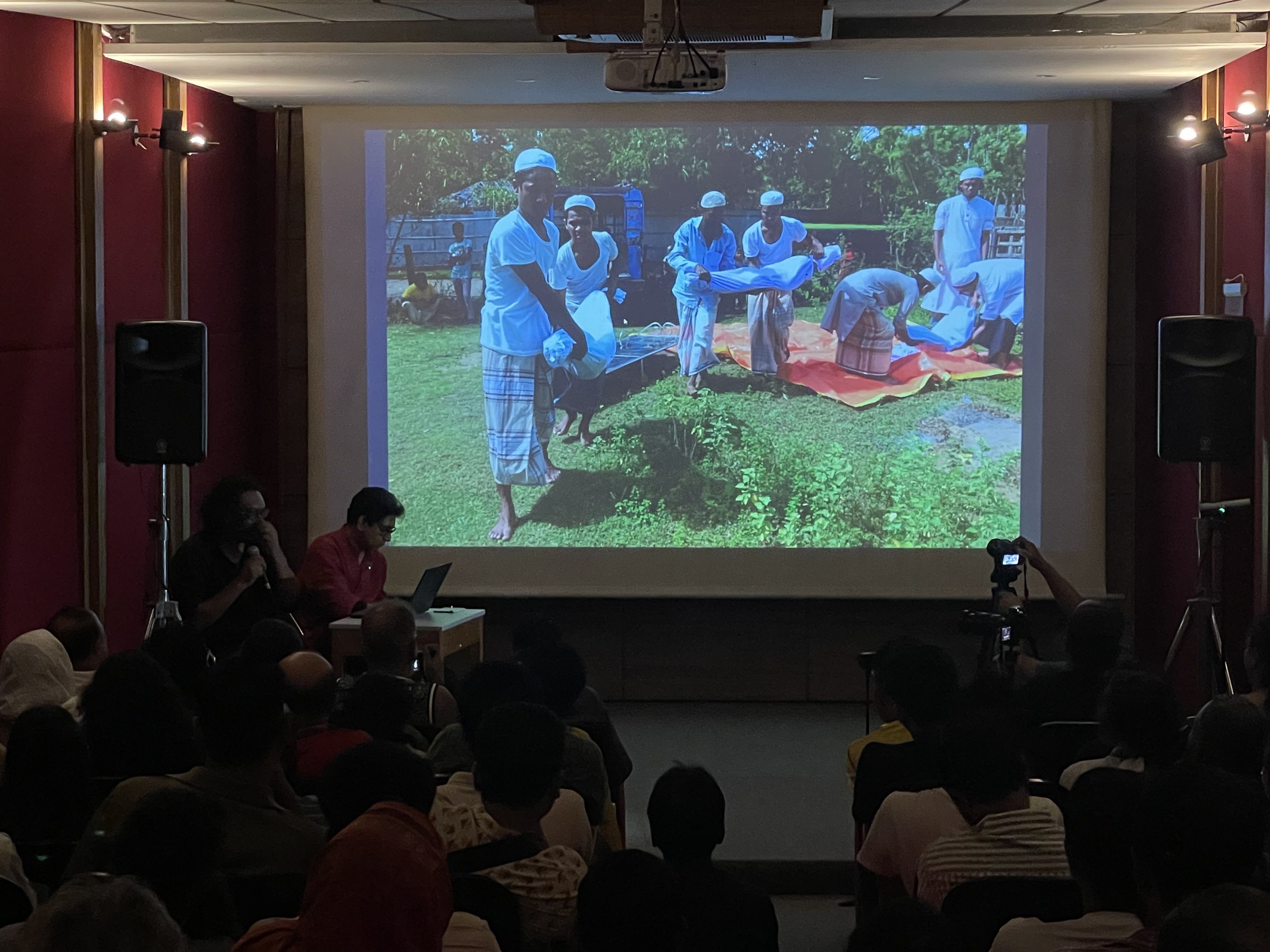
The slideshow presentation moved through defining chapters of his career. Each image opened into a field story: how he reached the scene, what pressure shaped the frame, what ethical limits confronted him, and how a photographer decides when to press the shutter amid grief, violence, uncertainty, or celebration. His reflections on the Rohingya refugee crisis illustrated the moral weight of documenting displacement and statelessness. His recollection of Rana Plaza returned the audience to one of Bangladesh’s darkest industrial tragedies.
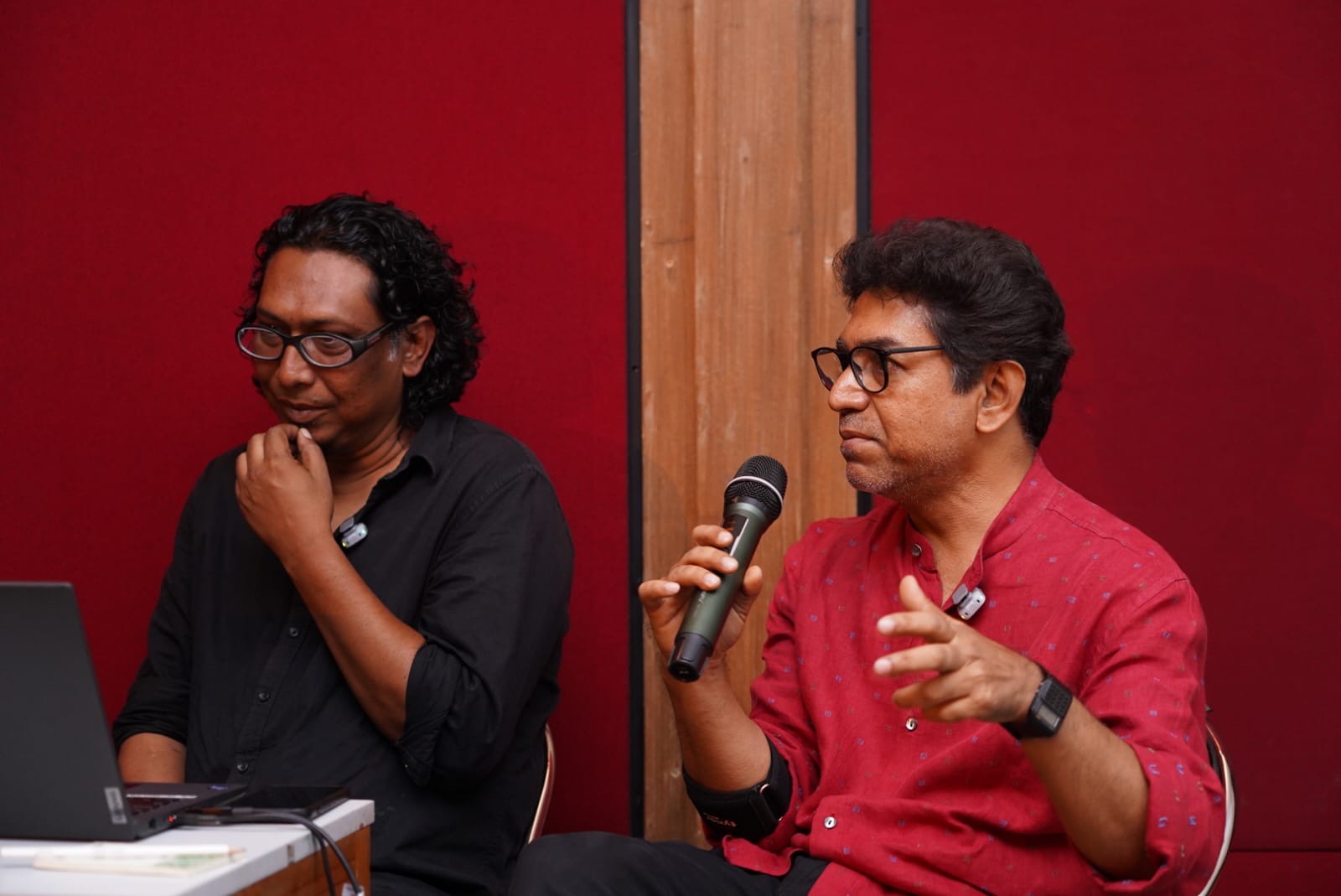
One of the most significant moments of the evening came when Munir addressed the psychological toll of covering catastrophe. He described how the aftermath of Rana Plaza affected him deeply and led him to seek counselling, shedding light on the emotional burden of photojournalism, which often remains hidden behind professional discipline. In fact, research on journalists who repeatedly witness death, injury, disaster, and war identifies risks such as post-traumatic stress disorder, secondary traumatic stress, sleep disturbance, and moral injury.
The discussion also revisited his Afghanistan assignment in 2012, which he accepted while his child was still very young. Embedded with the United States Army, he worked under strict military protocols and in close combat conditions. He described the assignment as the most dangerous and uncertain period of his career.
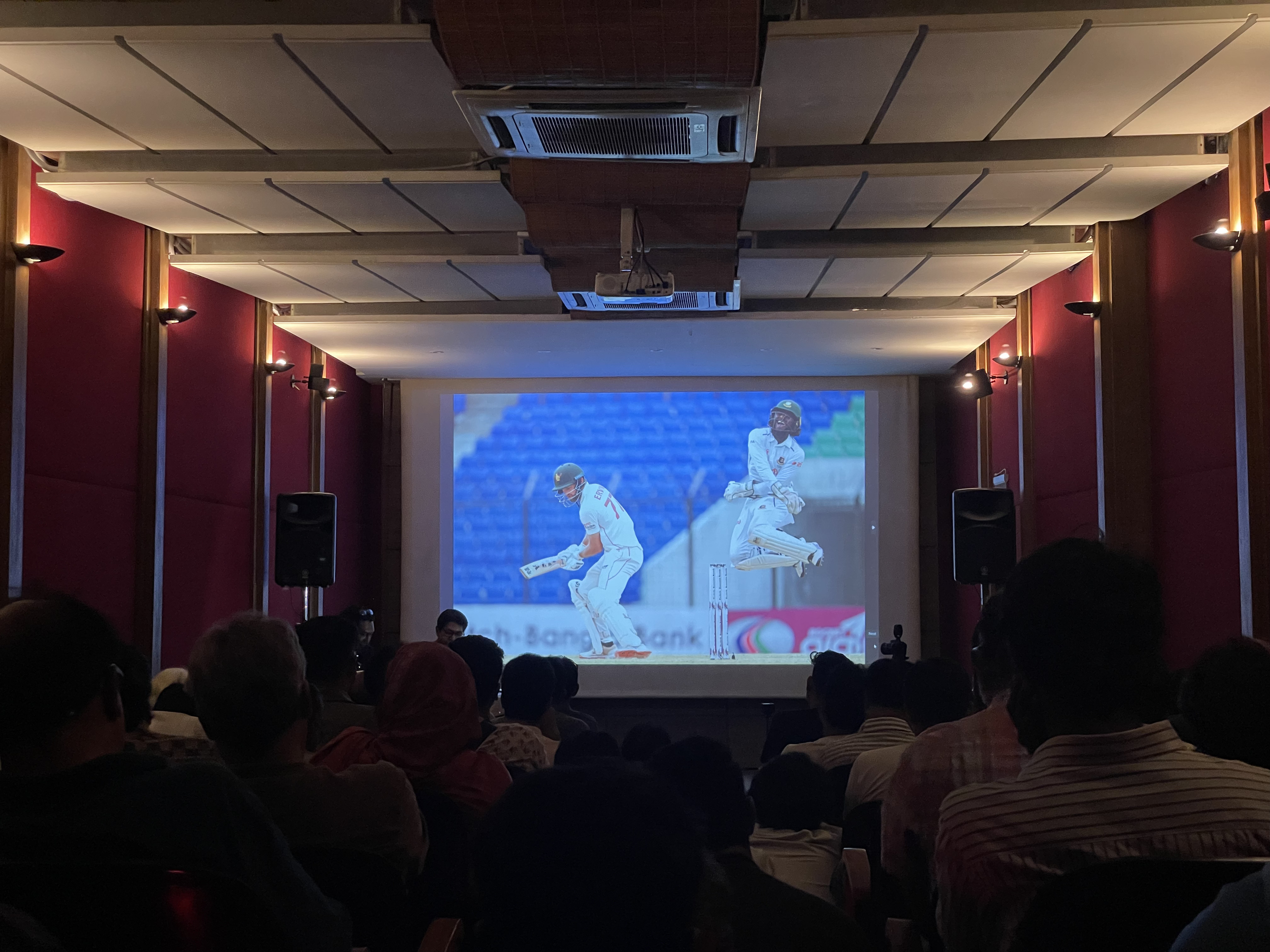
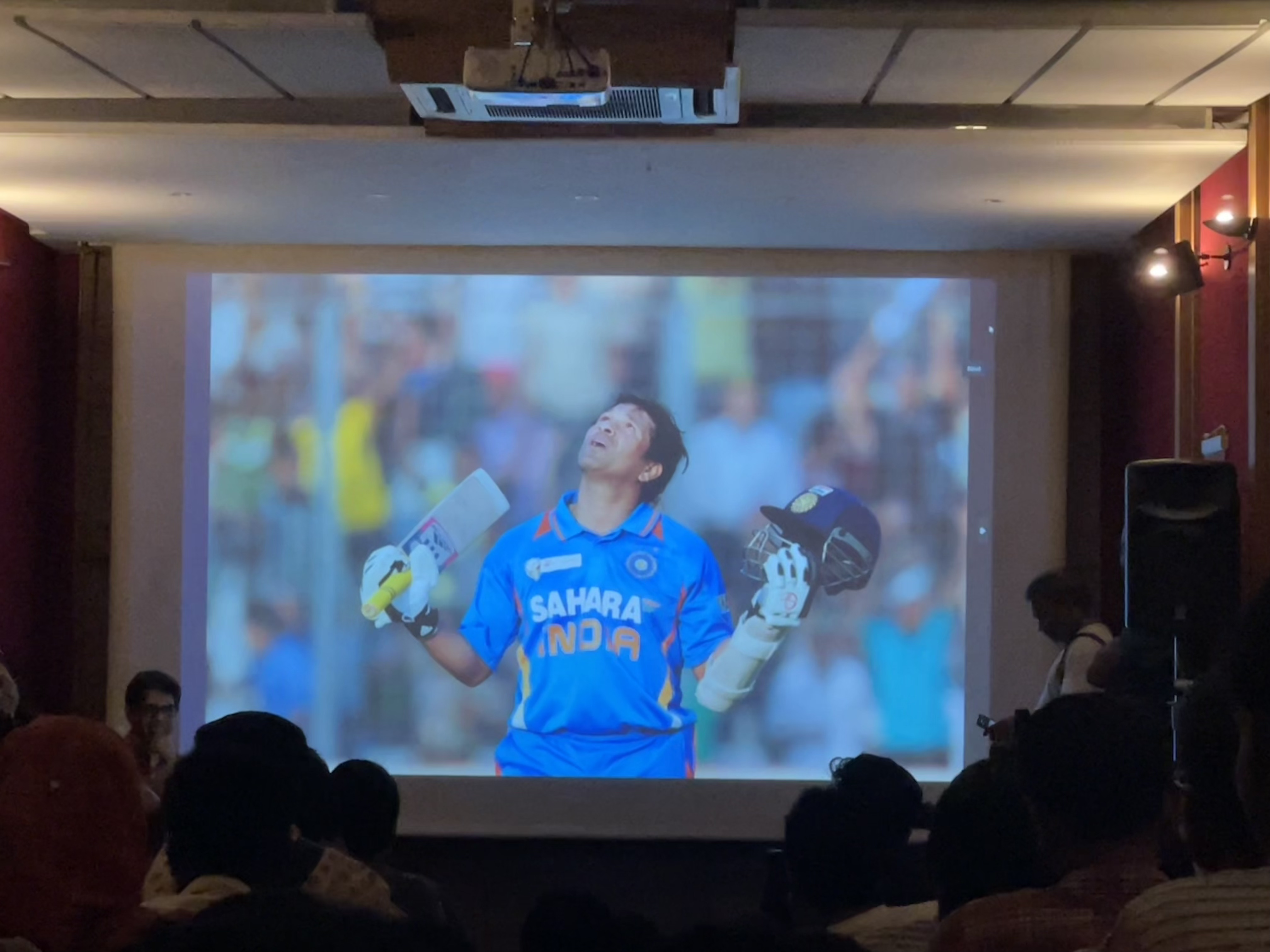
The evening later turned towards disaster reporting and sports photography. Abir and Munir recalled the logistical obstacles of covering Cyclone Sidr, including broken communication networks, disrupted transport, and the difficulty of verifying information in devastated coastal areas. Munir then spoke about the discipline required in cricket photography, where a decisive image can depend on watching every delivery with undivided concentration. His memory of photographing Sachin Tendulkar’s 100th international century during a Bangladesh-versus-India match offered a rare moment of sporting history within a career more often associated with crisis.
A lively question-and-answer session closed the programme, with participants asking about ethics, access, preparation, risk, and career-building. For younger photographers, the strongest advice concerned portfolio development, professional relationships, field discipline, and humanity. Munir’s message was direct: technical skill may open doors, but empathy and character determine the value of the work.
 For all latest news, follow The Daily Star's Google News channel.
Comments