


Why family doctors could save thousands of lives
Bangladesh is facing a painful reminder of what happens when everyday healthcare is overlooked. A recent outbreak of measles has spread across almost all districts of the country, claiming the lives of hundreds of young children and affecting thousands more. Many of those who fell ill had missed their routine vaccinations, highlighting cracks in a system that should protect the nation’s youngest citizens.
The crisis goes beyond a single disease. It reflects deeper challenges in reaching every child with essential care. Vaccination rates have slipped below the level needed to keep communities safe, leaving hundreds of thousands of children vulnerable. Crowded urban settlements, poverty, and weak follow-up systems have allowed the illness to spread quickly. The disruption caused by the COVID-19 pandemic also left many children behind, while efforts to catch up have struggled to close the gap.

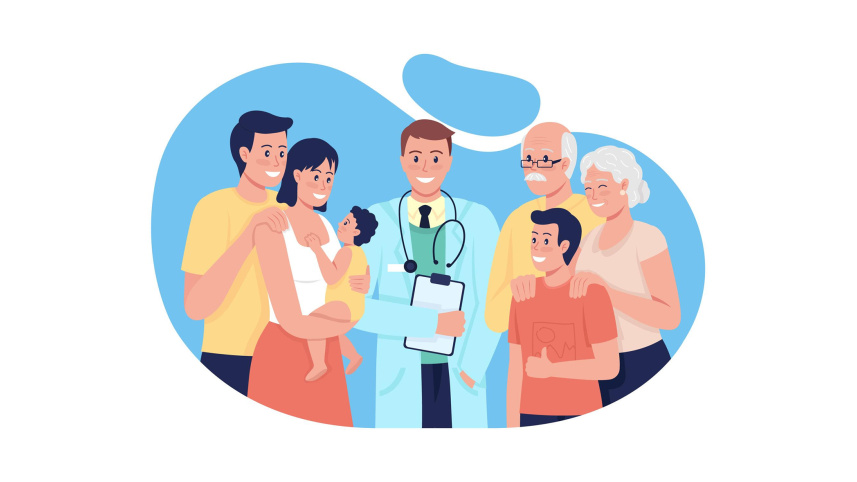
Health experts say the solution lies not only in vaccines but also in stronger community-based care. Around the world, family doctors serve as the first point of contact for healthcare. They know families personally, keep track of children’s vaccinations, monitor long-term illnesses, and help people make informed decisions about their health. Their trusted presence often makes the difference between prevention and crisis.
In Bangladesh, however, family medicine remains underdeveloped. Many communities, particularly in urban settlements and rural areas, lack regular access to a dedicated family doctor. This gap weakens the connection between households and the health system.
Advocates are calling for major reforms, including placing trained family doctors in every community, strengthening local health centres, improving follow-up of missed vaccinations, and expanding training opportunities for future doctors. Such measures could reduce healthcare costs, improve trust in medical advice, and help detect health threats before they become national emergencies.
As World Family Doctor Day highlights the value of compassionate care, the recent outbreak offers a clear lesson. A healthier Bangladesh will not be built only in hospitals. It will be built through strong neighbourhood healthcare, trusted family doctors, and a system that reaches every child before illness has a chance to spread.
The writer is a senior consultant in family medicine at UNICO Hospital PLC, Dhaka.
 For all latest news, follow The Daily Star's Google News channel.
Comments