


Why doing nothing on the weekend has become ultimate luxury
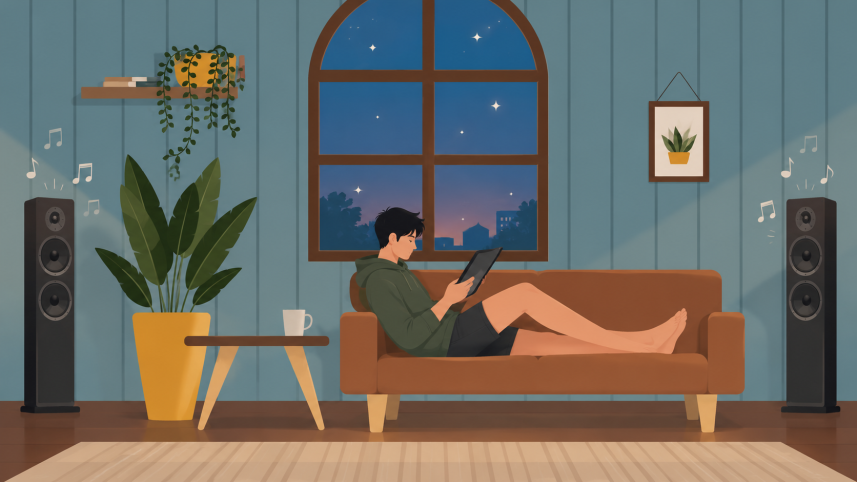
After five grueling days of commuting and city chaos, the most appealing weekend plan is no plan at all. Staying home has transformed from a sign of having nowhere to go into the ultimate form of self-care.
“What are you doing this weekend?” used to mean plans involving friends, food, or a new place. Increasingly, however, the most appealing answer is simply nothing!

After five days of university, work, commuting and constant social interaction, many people no longer want their weekends to feel like another task. By the time the week ends, the city has extracted every drop of energy they had to offer. But for a generation whose weekdays are increasingly packed, a weekend with no plans has become a luxury in itself. Staying home is no longer necessarily a sign that someone has nowhere to go. Sometimes, it means they have finally found somewhere they actually want to be.
Going out, of course, can still be fun. But in a city like Dhaka, even a simple plan can require more effort than it seems. Getting ready, deciding where to go, arranging transport, sitting through traffic and eventually getting back home can turn a few hours of leisure into a tiring affair.
Cost alone often settles the question. In many urban neighbourhoods, leisure options are largely limited to restaurants, cafés, and shopping malls. A casual outing can mean an expensive meal, transport fares and other small expenses that quickly add up. Add weekend traffic to the equation, and a plan meant to be relaxing can become exhausting before it even begins.
The alternatives are not always ideal either. Parks and walking spaces may not offer the quiet, comfortable environment most people want, while rooftops and other casual spaces are increasingly harder to find than before. For students and young workers trying to stick to a budget, even a seemingly simple plan can become an expense hard to justify every weekend.
Staying home, therefore, offers something increasingly valuable: the freedom to do very little. It can feel restful and boring at the same time, but after an exhausting week, even boredom can be welcome.
But there is another side to spending more time at home. It does not necessarily mean being together. If weekdays leave little room for family time, weekends should offer a chance to make up for it. Yet even then, everyone's routines can remain surprisingly separate. Home has quietly become a place where everyone is mostly there to eat, recharge, and sleep.
Everyone's schedule now seems to run on a different clock. There are early birds and night owls. Meal times no longer necessarily bring everyone together. Dinner happens at different times, and some may prefer eating late at night in their rooms while watching something on their screens. Everyone is absorbed in their own corner of the digital world. The family shares an address but barely shares the day.
And even on the weekends, someone may use the day to catch up on assignments or work. The smallest moments are often lost amidst these. Sitting around the dining table for a meal, having tea and snacks in the living room, watching a film together or simply talking about something that happened during the day rarely requires planning, but these are the moments through which families stay connected.
There is nothing wrong with spending the weekend at home. After a demanding week, rest is not something we need to justify, and every day off does not need an exciting plan. We embrace the stay-at-home weekend as a victory over the exhausting city. And it gives us a chance to remember what home is supposed to offer beyond comfort. But the urban fatigue that drove us indoors didn't bring us closer to the people under our roof.
 For all latest news, follow The Daily Star's Google News channel.
Comments