


The ultimate guide to daily caffeine limits and timing
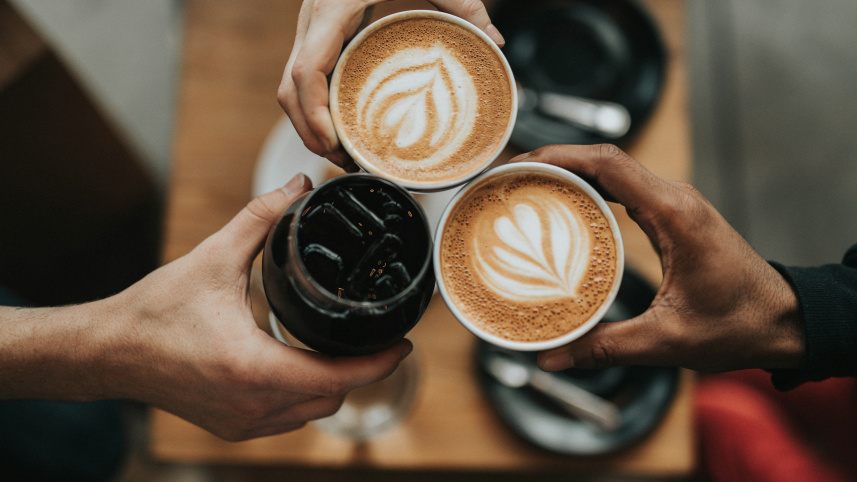
Juggling coffee, tea, and soda throughout the day makes tracking milligrams nearly impossible. Knowing your exact limits and setting a firm afternoon cutoff can completely transform your daily energy levels.
For many of us, the day starts with a cup of coffee and runs on a few more. A cup of tea at 11 AM, a cola with lunch, and an espresso before the evening meeting. The milligrams add up faster than we realise.

Chowdhury Tasneem Hasin, Chief Clinical Dietitian and Head of the Dietetics and Nutrition Department at Continental Hospital PLC, explains where the limits lie and why they matter.

Know your numbers
Healthy adults can take 350 to 400mg of caffeine a day, according to Hasin. "That comes to around four small cups," she says. During pregnancy and breastfeeding, the limit drops by half.
Children need stricter rules. "Children under two should not have caffeine at all," she says. For children aged 8 to 12, she caps intake at 100 mg a day.
Your drink of choice changes the count.
Tasneem puts a cup of black tea at 47 to 50 mg and a can of caffeinated drink at around 40 mg. A regular cup of coffee carries about 100 mg, instant coffee holds less at 50 to 60 mg, and a single shot of espresso delivers roughly 70 mg.
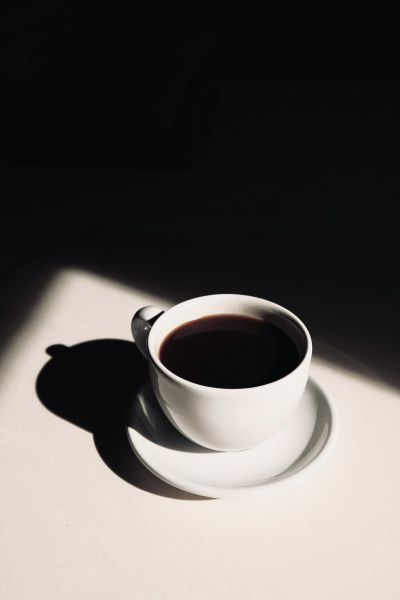
In cups, she keeps it simple. "Three to four cups is the maximum. If you drink it black, without milk or sugar, keep it to two or three. During pregnancy and lactation, one to two cups."
Caffeine has real medical uses. Hasin notes that doctors give caffeine to semi-sedated patients to raise alertness, and certain pain relievers contain it as well.
It lifts your mood too. "Caffeine triggers dopamine and norepinephrine, and that improves how you feel," she explains. Coffee also contains polyphenols, and she adds that caffeine may reduce the effects of Parkinson's and Alzheimer's disease.
Coffee will not do all the work for you
Plenty of people drink coffee to lose weight. Chowdhury Tasneem Hasin confirms that caffeine speeds up metabolism, so your internal organs use more calories. She warns against relying on it.
"Weight loss does not come from coffee alone. You need a calorie deficit," she says. "And adding sugar defeats the purpose."
Sugar complicates the picture further. According to her, coffee makes you alert while the sugar gives you a quick hit, and the two work together to make the habit harder to break.
A higher dose does not mean faster results. "Too much caffeine causes jitters and raises your heart rate," she says. Sleep plays a part here. Your body burns calories while you sleep, so a late cup that costs you rest also costs you progress.
When it goes too far
“Excess caffeine brings stomach upset, headaches, and anxiety,” Hasin says. Caffeine also acts as a diuretic, pulling water out of your body. "Too much caffeine causes dehydration, and that is dangerous," she warns.
Dependence worries her most. "The brain can easily become dependent on caffeine. It is much more difficult to control than people think," she says. She describes caffeine as a major addictive substance, one people underestimate because it sits in drinks they have every day.
Timing your cup
Tasneem draws a firm line in the afternoon. "No coffee after sunset. Have your last cup by 4 or 5 PM so you get proper sleep and your brain gets rest," she advises. Drinking coffee close to bedtime, she adds, can even cause nightmares.
 For all latest news, follow The Daily Star's Google News channel.
 Mealtimes matter as well. The tannins in coffee reduce how much iron your body absorbs from food, so she recommends waiting 40 to 60 minutes after a main meal before you reach for a cup.
None of this means giving up your morning coffee or evening tea. Hasin's advice comes down to counting your cups, cutting out sugar, and finishing your last one before the sun goes down.
Comments