


Act now to protect our national fish
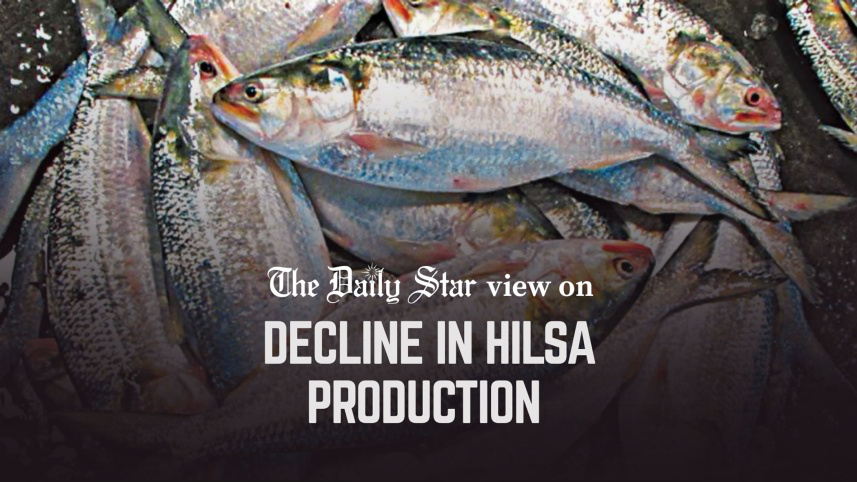
Hilsa, the national fish of Bangladesh, a staple in our culture and a vital part of our rural economy, is increasingly moving beyond the reach of common people. After 20 years of steady growth, its population is now reportedly in decline. Recent data shows a 5.5 percent drop in production compared to the last year, driving prices up to the point where ordinary citizens can no longer afford to buy the fish.

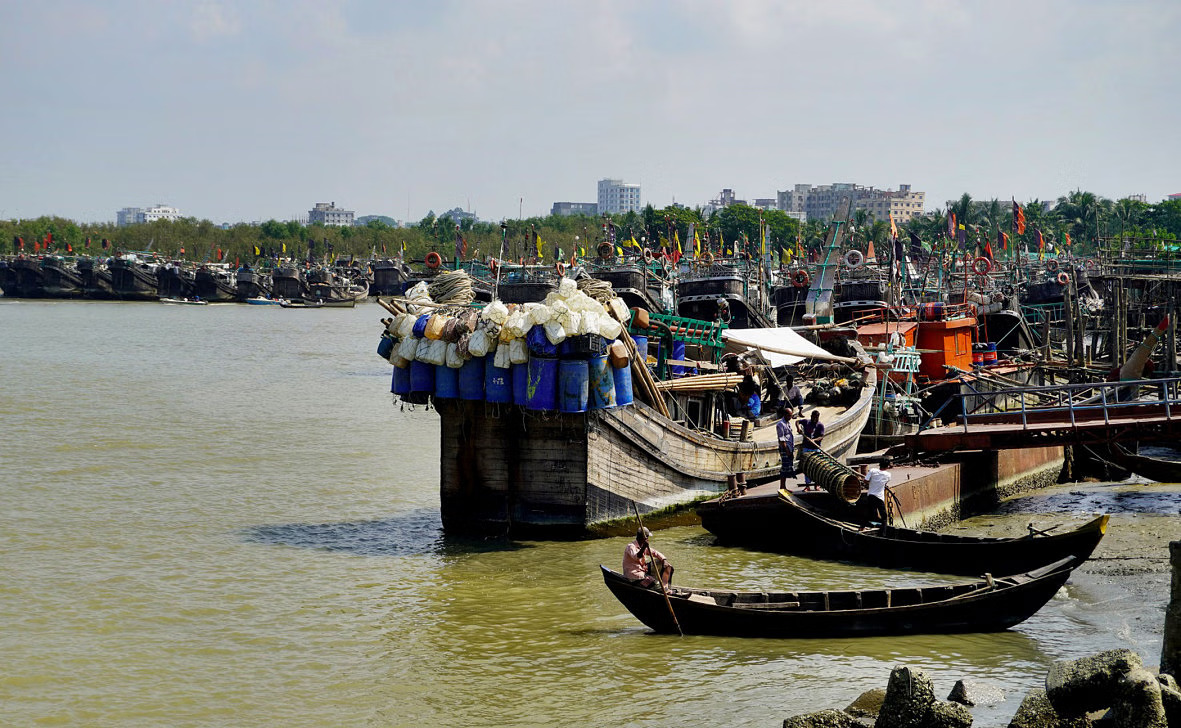
Disturbingly, this crisis is entirely man-made. The biggest threat comes from coal-fired power plants built dangerously close to hilsa sanctuaries in Patuakhali and Barguna. A study published last year shows that these plants are dumping hot water, toxic ash, and industrial waste directly into the rivers, which has raised the water temperature and is destroying the natural breeding grounds the hilsa need to survive. At the same time, our rivers are losing their depth. Hilsa live in the sea but migrate deep into freshwater rivers to lay their eggs. To do this, they need deep, fast-moving water. Instead, they are facing shallow, sand-filled rivers. To make matters worse, to earn extra profit, many fishermen, in collaboration with fish traders, set up hundreds of illegal nets along the coastal routes, blocking the fish from moving inland.
Bangladesh supplies nearly 80 percent of the world’s hilsa. The industry supports the daily survival of around seven lakh fishermen and adds significantly to our national economy. If the larger, breeding-age fish continue to die off due to pollution and shallow waters, the hilsa population will suffer for years to come.
Moreover, Bangladesh has reportedly increased hilsa imports, despite holding the title of the world’s largest hilsa exporter. Hilsa import from India began in July last year, with 17,850 kg of the fish brought in. Meanwhile, in the first nine and a half months of this year, 4.27 lakh kg has been imported. Although importing from India is a recent development, hilsa has been entering Bangladesh’s market from Myanmar for a long time.
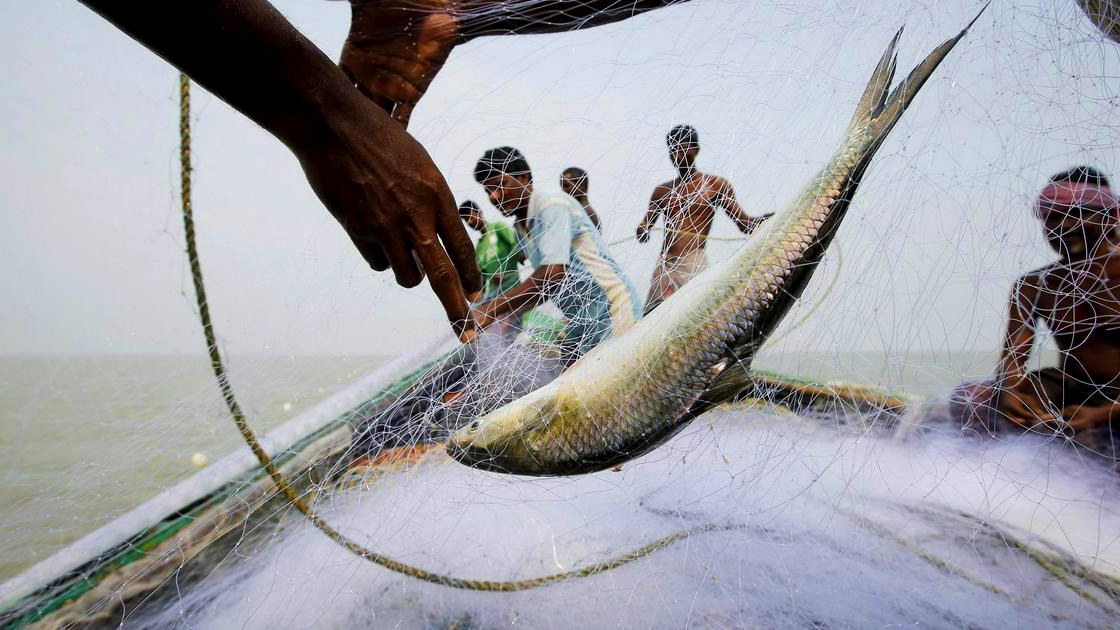
The government must act before it is too late. The authorities must force riverbank power plants to install water-cooling and waste-treatment systems immediately. Those who poison our waters must be held accountable. Furthermore, the government needs to urgently dredge blocked migration routes, clearing the sandbars so the hilsa can safely swim upstream to breed. Continuous drives must also be conducted to destroy illegal nets and dismantle the greedy syndicates behind them.
 For all latest news, follow The Daily Star's Google News channel.
Comments