


Bangladesh needs a comprehensive strategy to tackle cancer

The 2022 estimates from the International Agency for Research on Cancer (IARC) recorded 1,67,256 new cancer cases and 1,16,598 deaths in Bangladesh in a single year. The most common cancers include oesophageal and oral cancers, while breast and cervical cancers were prominent among women. In Bangladesh, consumption of betel quid with tobacco contributed to 67 percent of oral cancer cases among women and 54 percent among men in 2022. Clearly, this major health problem requires stronger motivational campaigns and culturally intelligent communication.
With worsening air pollution and the increasing number of patients presenting with lung-related cancers, it would be unwise to view tobacco and tobacco-related products as the only explanation behind rising cancer cases. Tobacco remains a major risk factor, but the possible contribution of air pollution, occupational exposure, and other environmental factors deserves much more systematic investigation.

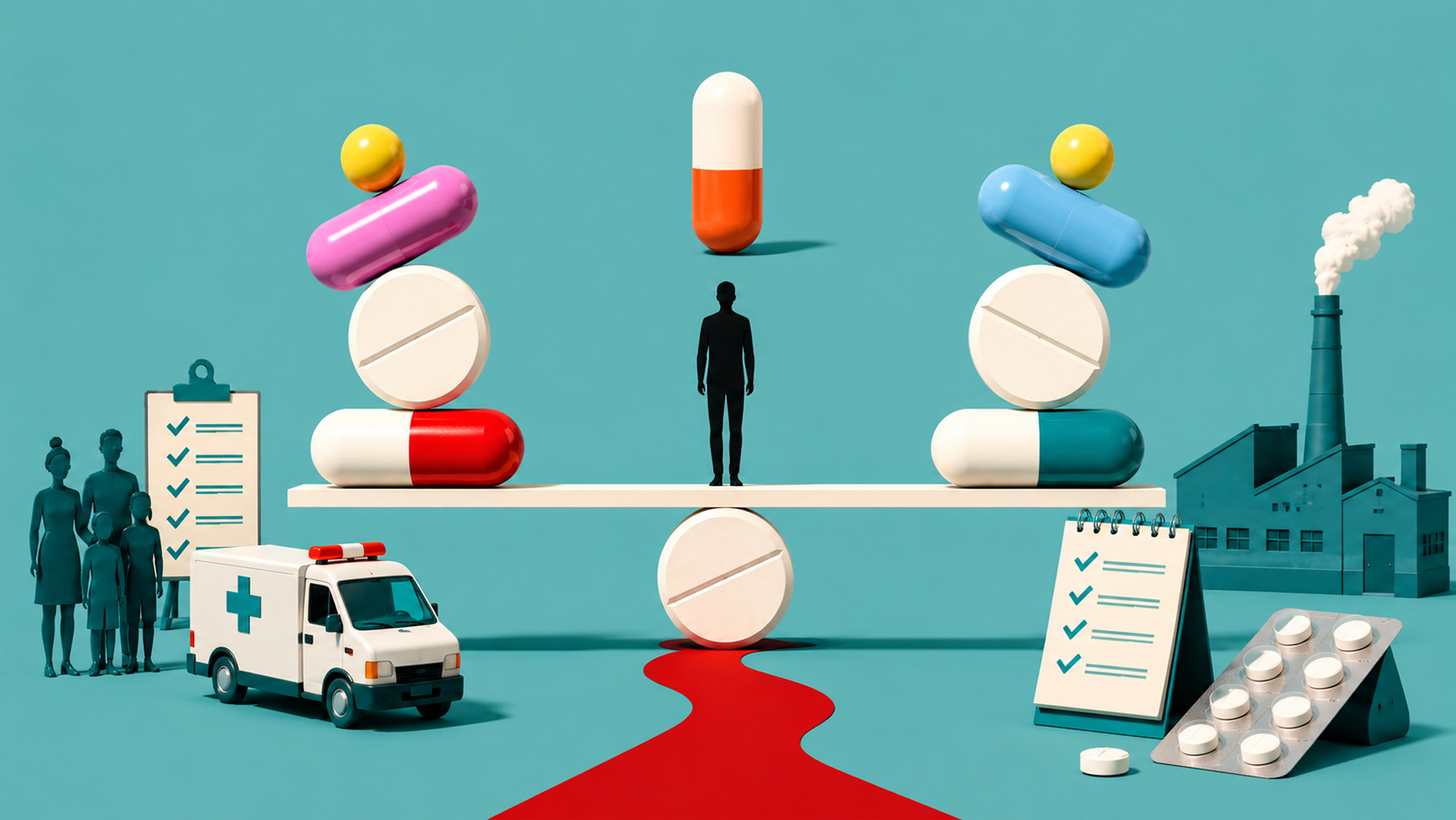
The same principle applies to colorectal and other gastrointestinal tract cancers. At a time when our food system is increasingly exposed to potentially hazardous or non-permitted chemicals, artificial colours, pesticide residues, and other contaminants, Bangladesh needs stronger research to determine what role these exposures may be playing. The WHO’s latest food safety guidance notes that unsafe food can cause more than 200 diseases, including cancers.
Concerns about microplastics, repeatedly heated oils, and other environmental exposures also deserve rigorous surveillance and research, but policymakers should distinguish between credible evidence of risk and claims that have not yet established a direct causal link to cancer in humans. We should neither dismiss such concerns nor turn them into unproven claims. What we need is good science, reliable surveillance, and interdisciplinary research capable of separating evidence from assumption.
There should be a call for greater caution regarding the rapidly expanding online food market, particularly products marketed through Facebook and other social media platforms. Many such products do not clearly state all ingredients, their sources, nutritional information, or evidence of certification by an authorised food safety authority. This largely unregulated expansion deserves urgent attention. Every such product may not be unsafe, but consumers still have little reliable information on which to base their choices. Indeed, in some cases, producers themselves may not fully understand the potential health implications of the ingredients, additives, or preparation methods they are using.
Bangladesh urgently needs a stronger, population-based national cancer registry capable of reliably recording diagnoses, cancer types, stage at diagnosis, treatment, survival, and mortality. Without such information, policymakers cannot accurately determine where screening centres, radiotherapy units, oncology specialists, medicines, and research funding are most urgently needed.
Bangladesh has already demonstrated that prevention is possible. By July 2025, Bangladesh’s HPV vaccination programme had reportedly vaccinated more than 7.1 million girls since 2023. The WHO’s global cervical cancer strategy calls for 90 percent HPV vaccination coverage, 70 percent screening coverage, and 90 percent access to treatment by 2030. Bangladesh should now build on its achievement with sustained cervical screening and treatment services.
Air pollution, physical inactivity, unhealthy diets, and obesity, and cancer-causing infections must also be addressed. The WHO recently stated that approximately 38 percent of cancers can be prevented by avoiding risk factors and implementing existing evidence-based prevention strategies, while infections such as HPV and hepatitis account for approximately 30 percent of cancers in low- and lower-middle-income countries like Bangladesh. Vaccination alone will not solve the cancer problem.
In the short term, the government should strengthen cancer surveillance, reduce diagnostic and treatment waiting times, expand pathology and imaging capacity, improve access to essential cancer medicines, and make better use of existing public medical colleges and tertiary hospitals. Hospital administrators should be more scientific in managing this crucial discipline. Maintenance is not only more cost-effective than repair and new procurement; it is also essential for ordinary, often helpless patients.
In the medium term, Bangladesh should decentralise screening and diagnostic services so that people outside major cities do not have to travel long distances to obtain a biopsy, imaging test, or specialist opinion. Radiotherapy and surgical oncology capacity must be expanded, alongside multidisciplinary cancer teams.
In the long term, the country needs a national cancer-control system built around prevention, early detection, treatment, palliative care, and research. More medical oncologists, radiation oncologists, surgeons, pathologists, and oncology nurses will be needed. Bangladesh also urgently needs locally generated research to understand why particular cancers—such as oesophageal, oral, breast, cervical, and gastrointestinal cancers—are more common.
Public awareness is also important. Religious leaders, teachers, community leaders, and local health workers can become powerful partners in changing behaviour, particularly around the use of tobacco and betel quid, and in raising awareness about HPV and the fear of cancer diagnosis.
Cancer policy must also address financial protection. A diagnosis should not push an already vulnerable family into catastrophic debt. Early diagnosis is not only medically wiser, but can also reduce the economic and emotional burden of prolonged treatment and advanced disease.
Bangladesh needs a national cancer-control roadmap with measurable targets, dedicated financing, accountable institutions, and a timetable for action. There is also an urgent need for a strong research-based academic bridge between clinicians and public health experts. Otherwise, papers emerging from different institutions may continue to accumulate without giving policymakers a coherent picture of the real scenario of this devastating disease.
Dr Rubaiul Murshed is healthcare management expert and researcher in the psychology of kindness and moral leadership.
Views expressed in this article are the author's own.
Follow The Daily Star Opinion on Facebook for the latest opinions, commentaries, and analyses by experts and professionals. To contribute your article or letter to The Daily Star Opinion, see our guidelines for submission.
 For all latest news, follow The Daily Star's Google News channel.
Comments