


Migrant workers need stronger safeguards
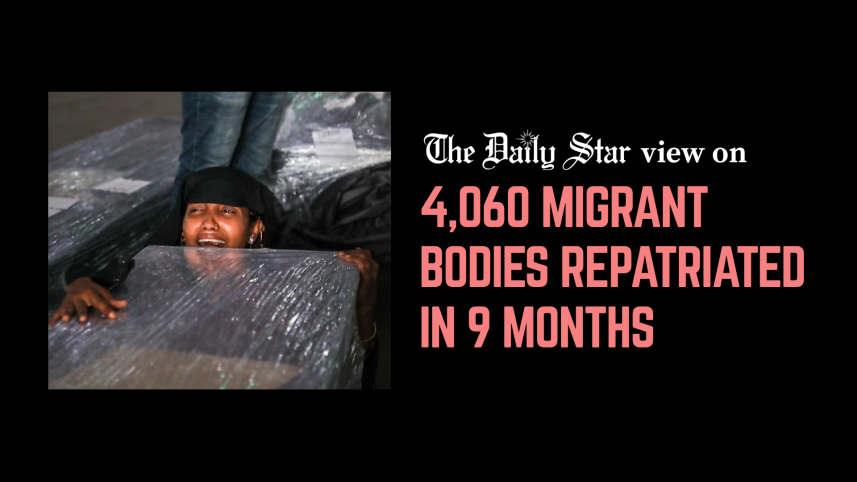
Remittances from Bangladeshi migrant workers have been one of the country’s most successful economic stories. In the current fiscal year alone, between July 1 and October 6, the country received $9.22 billion in workers' remittances. Yet, for migrant workers whose arduous labour contributes so significantly to our economic growth, not enough has been done by successive governments to ensure their health and wellbeing when they are abroad. The result has been devastating: thousands of migrant workers coming back in body bags.
According to a Prothom Alo report, between January and September this year, 4,060 bodies of migrant workers have been brought back home—on average, more than 14 bodies daily. Most of them are young men and women. Such a shocking number is a wake-up call to the fact that our migrant workers are working under unusually harsh conditions, resulting in deaths.

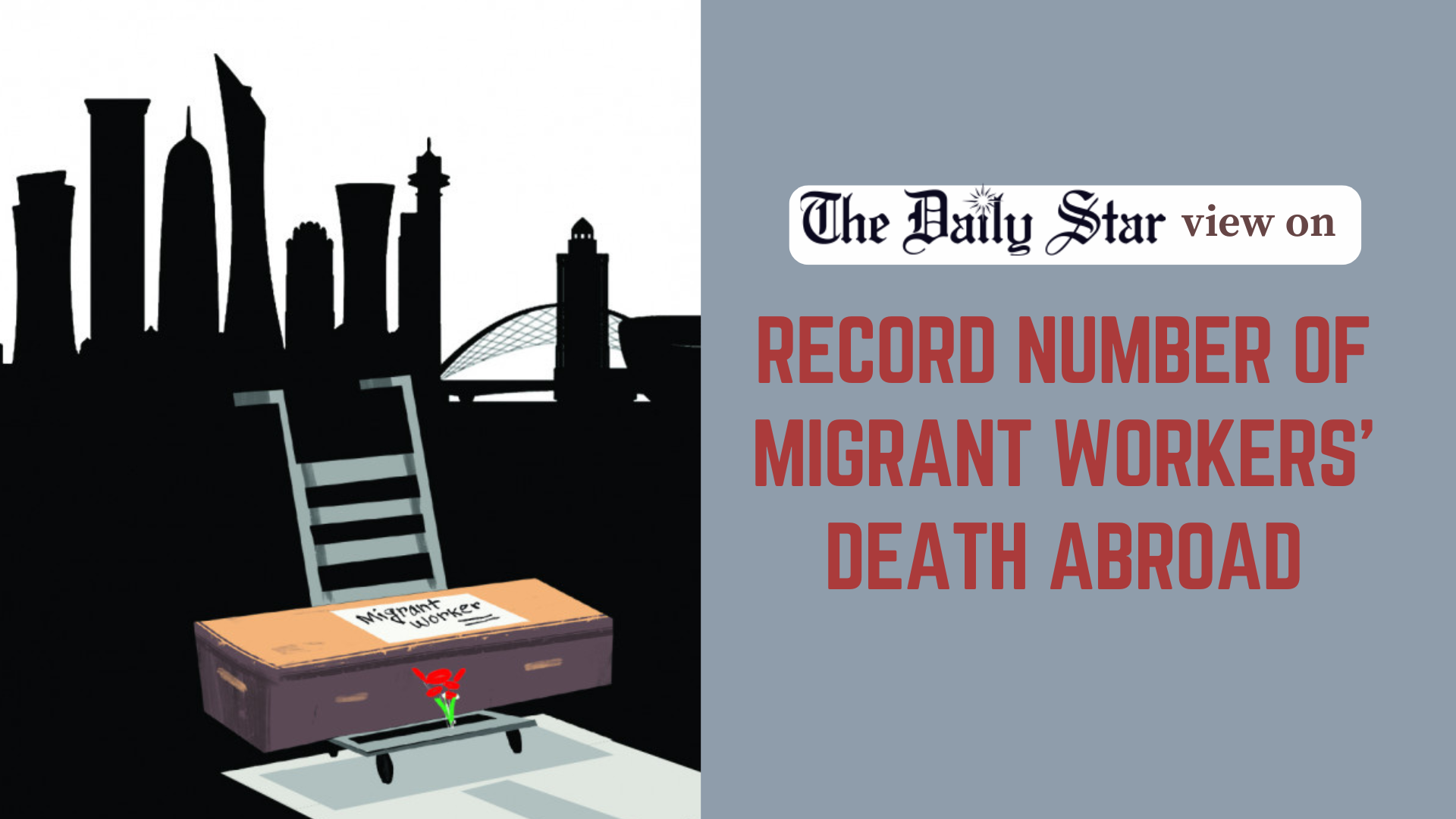
The highest number of migrant deaths were in Saudi Arabia—almost 2,000 this year. Malaysia is second on the list. Recently, there have been reports of Bangladeshi migrant workers being tortured and even killed by cyber scam gangs in Cambodia. Many women migrant workers have come back after experiencing horrendous sexual and physical abuses; others have returned as corpses, their deaths unexplained. The official reason for migrant workers’ deaths has been either “natural causes” or accidents.
According to migration-sector research organisations, many Bangladeshi workers in the Middle East work in construction, exposed to extreme heat, which leads to heat-related illnesses such as heat stroke, kidney damage, heart disease, and other serious health conditions. Therefore, it is imperative that workers are equipped with training and knowledge about the nature and environment of the work in their destination country. They must learn to acclimatise to the temperatures, protect themselves from extreme heat, stay healthy, and cope with the work hours and pressure.

In addition, Bangladesh must develop the negotiating power to demand health insurance, better working conditions with adequate breaks, nutrition, and protective gear where necessary. Foreign employers, whether they are companies or individuals, must be held accountable when there is evidence of abuse. The Ministry of Expatriates’ Welfare and Overseas Employment must play a proactive role, maintain a database of all migrant workers that includes where they are working and install hotlines through which workers can get help when they fall sick or get entrapped in abusive conditions. The high commissions in the host countries must be active in getting help from local authorities to investigate cases of abuse, entrapment, and death of migrant workers.
The Wage Earners' Welfare Board insurance scheme that provides funds for death and injury of migrant workers should also include facilities for undocumented workers. The process of bringing back the bodies of deceased workers to their families should be made easier. These facilities are the bare minimum that migrant workers are entitled to. Giving our workers dignity and respect for their huge contribution to the country’s development is the least we can do.
 For all latest news, follow The Daily Star's Google News channel.
Comments