


Prioritise gas for export factories
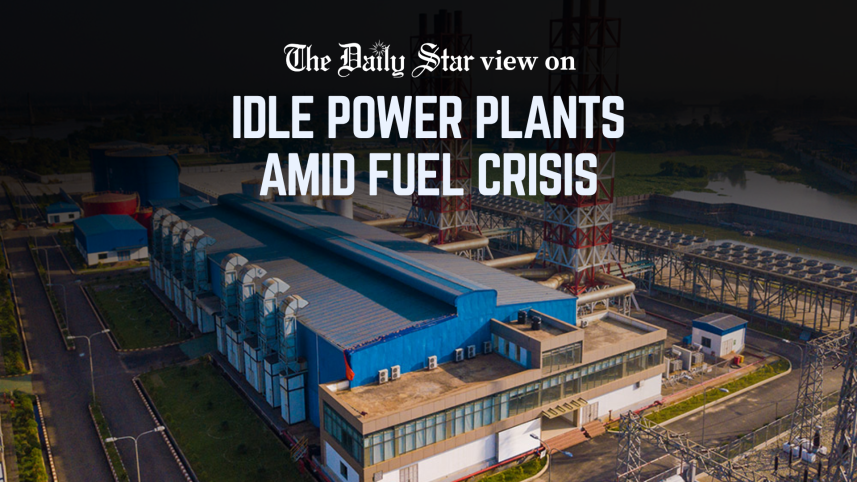
After more than a month of rolling outages, knitwear factories in the Narayanganj belt are operating at just 30 to 40 percent of capacity. Dyeing lines that require 15 pounds per square-inch of gas pressure are receiving a fraction of that. Meanwhile, business leaders are making a modest demand: press the country's mothballed furnace oil, diesel, and coal plants back into service so that freed-up gas can go to factories.
This crisis stems from a systemic vulnerability. About 64 percent of Bangladesh's electricity is gas-fired, meaning a disruption to LNG cargoes in the Gulf translates directly to a power cut in Narayanganj, for example. Spot LNG into northern Asia exceeds $22 per million British thermal units. On September 2, Bangladesh approved a proposal to purchase an LNG cargo at over $28 per unit, its most expensive since 2022. Compounding this, Qatar and the United Arab Emirates supply nearly three-quarters of Bangladesh's LNG through the Strait of Hormuz, where transits have almost entirely collapsed due to the US-Israeli attacks on Iran. QatarEnergy has already extended supply cancellations to Bangladeshi buyers into November. While the government burns cash on expensive imports, capacity payments continue to flow to idle plants that cannot be supplied with fuel. This creates a bill estimated at $1.5 billion a year for electricity that is not even generated.

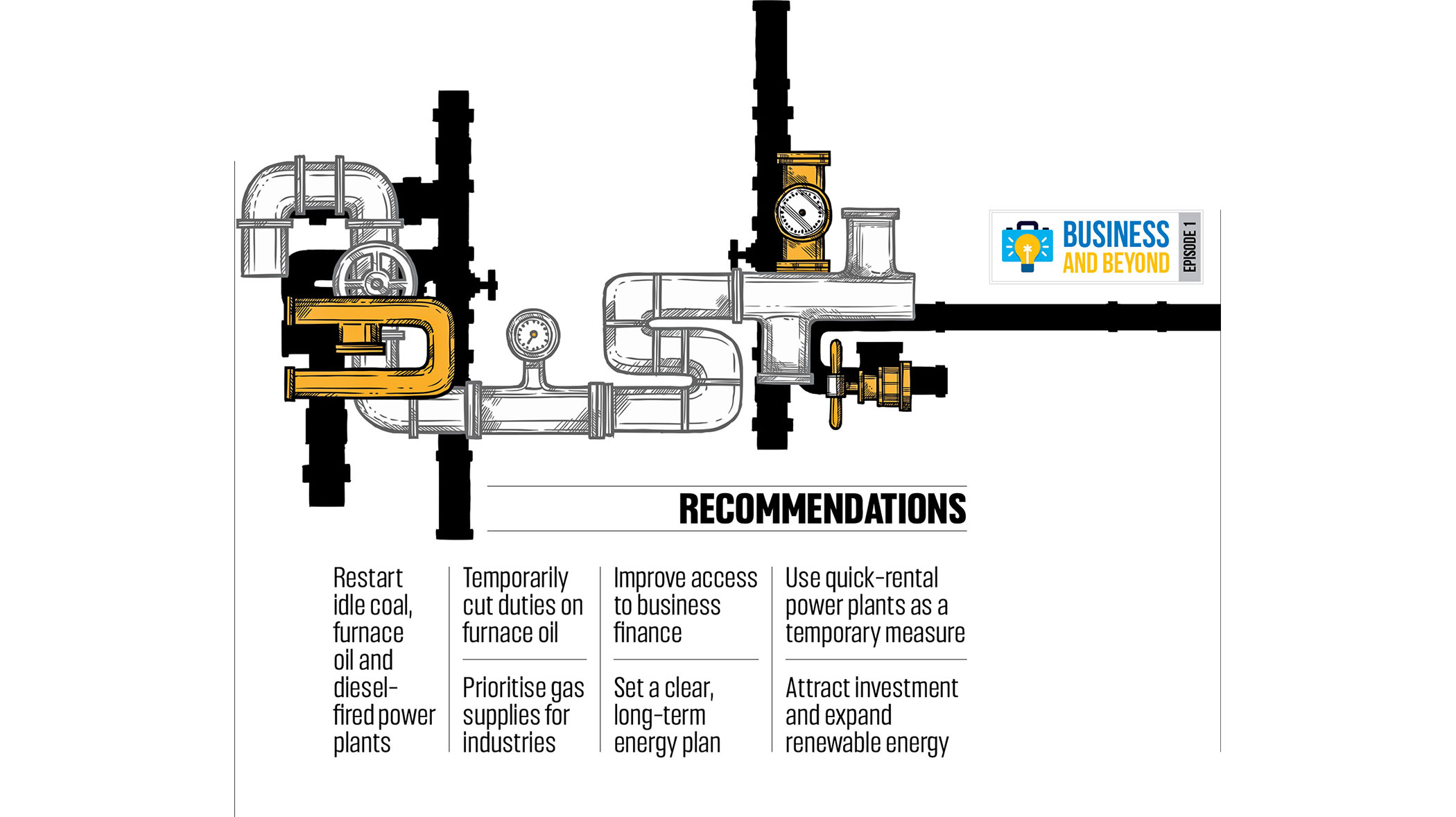
While heavy fuel oil generation costs the grid several times more than gas, industrialists argue that burning expensive oil to keep an export dyeing line running is cheaper for the broader economy than idling the plant entirely. The value added per unit of gas in knitwear finishing is a large multiple of what that same gas earns at a CNG pump. Furthermore, a deadline missed by a known 20 days can be managed, but an outage spanning an unknown duration cannot.
To stabilise the grid, the government must rethink its procurement and financing. Instead of panic-buying on the volatile spot market—where importers with weak balance sheets inevitably pay the most—Dhaka should secure term contracts for heavy fuel and coal from Singapore, Malaysia, and Indonesia. Simultaneously, the government should explore renegotiating capacity payments on plants that cannot physically be fuelled, redirecting those savings elsewhere.
This is the worst crisis since the Covid pandemic. As the administrator of the Federation of Bangladesh Chambers of Commerce and Industry has pointed out, unlike the pandemic, which had stalled competitors simultaneously, this shock is asymmetrical. Factories in Vietnam, India, and Türkiye are not load-shedding their dyeing houses. Garment orders that migrate to these rivals will not automatically return.
The war in the Middle East may end soon, or it may not. The Strait of Hormuz will reopen on someone else's timetable. What Dhaka controls is whether its gas is allocated to its highest-value use, and whether the plants it already pays for are actually put to work.
 For all latest news, follow The Daily Star's Google News channel.
Comments