


Regulating battery rickshaws necessary
Battery rickshaws have become an indispensable part of road transport in the country. They provide livelihoods for thousands and offer passengers an affordable and accessible option for commute. But the rapid and largely unplanned rise of its use has created problems that can no longer be resolved with occasional drives or restrictions. The government's latest initiative to regulate these vehicles is therefore a welcome move. What is needed, however, is a clear and comprehensive policy that tackles the problem at its root, rather than putting most of the responsibility on drivers.

The Bangladesh Power Development Board estimates that there are around 45-50 lakh battery-powered rickshaws and easy bikes across the country, while other estimates put the number even higher. The sector has grown outside the formal regulatory system, with no reliable national registry. In Dhaka, the unregulated movement of these vehicles has contributed to congestion, disorderly passenger pick-up and drop-off, unsafe turns, and encroachment of major roads. Their growing electricity consumption is another concern. With large numbers of vehicles being charged late at night, the expected decline in electricity demand after peak hours is not occurring. At a time when the country is grappling with an acute energy crisis, allowing battery-run three-wheelers to draw power through an informal charging network is clearly unsustainable. Accidents involving these rickshaws are another considerable concern. Their unsafe operation, including frequent violations of traffic signals, sudden turns and speeding at intersections, puts pedestrians and other road users at risk.
The government's proposed measures are a step in the right direction. Designating authorised factories to produce approved models, introducing registration and licensing, defining routes, and controlling the number of vehicles are necessary at this point. Plans to develop safer designs with technical assistance from Bangladesh University of Engineering and Technology (Buet) are also encouraging. However, our policymakers must recognise the economic reality of those who depend on this sector for their livelihoods. There must be no blanket imposition of regulations on these vehicles; instead, the government should gradually bring them under a formal regulatory system by registering the existing fleet and phasing out unsafe ones.
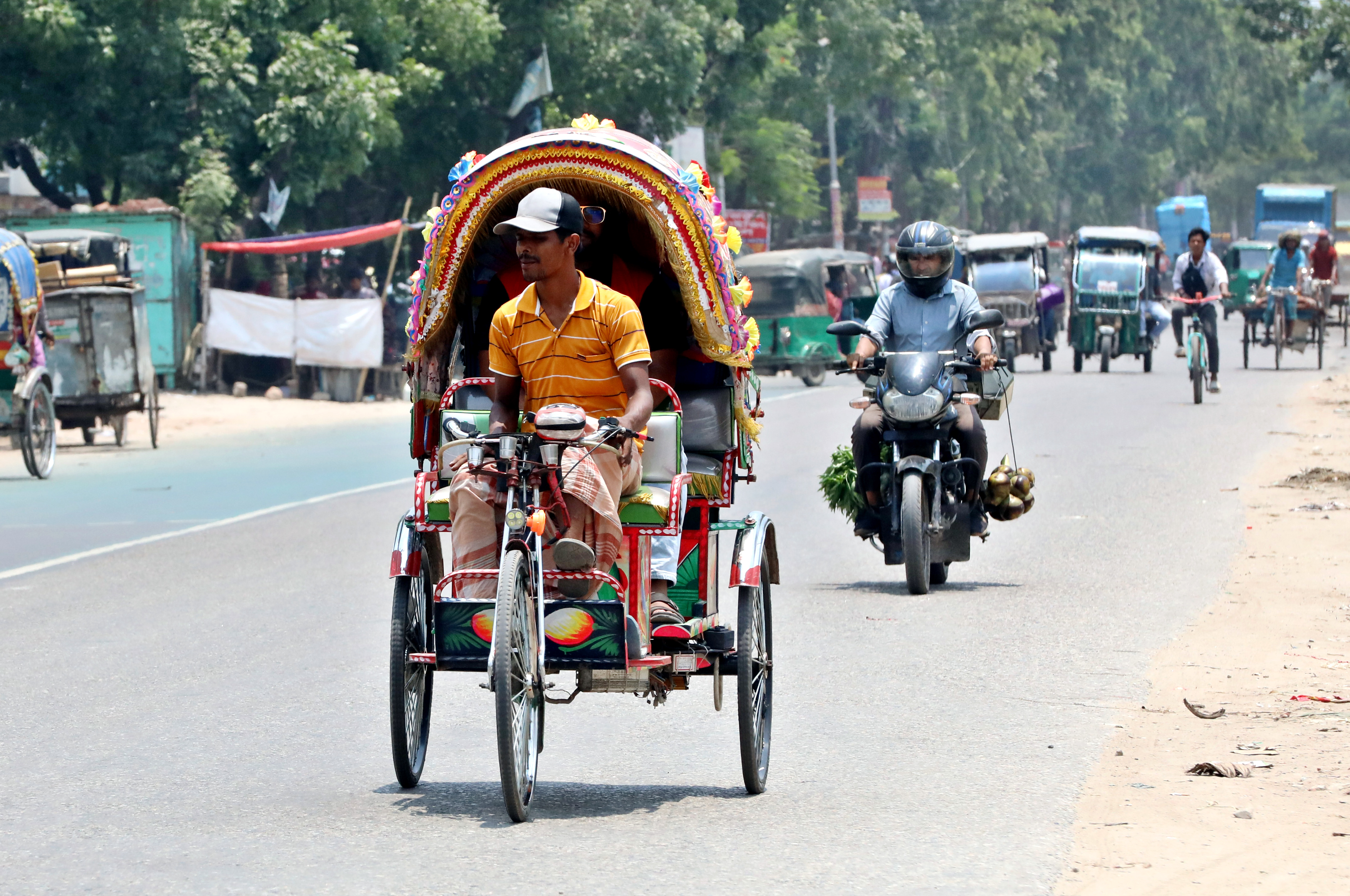
Driver training is also essential. Drivers should receive basic training in traffic rules, passenger safety and vehicle handling, while fitness inspections should be mandatory. The government must also crack down on illegal manufacturers and parts networks, and ensure that authorised producers meet clear safety and technical standards. Charging stations should also be brought under a formal licensing and metering system to prevent illegal consumption of electricity. Enforcement must cover all parts of the sector, including drivers, owners, manufacturers and charging operators. To this end, the government should formulate a coordinated policy involving local government, transport authorities, police, power agencies, and technical experts. The goal should be to create a safer and better-managed system that protects both passengers and drivers.
 For all latest news, follow The Daily Star's Google News channel.
Comments