


Khursheed Erfan Ahmed: A legacy built on justice, education and compassion

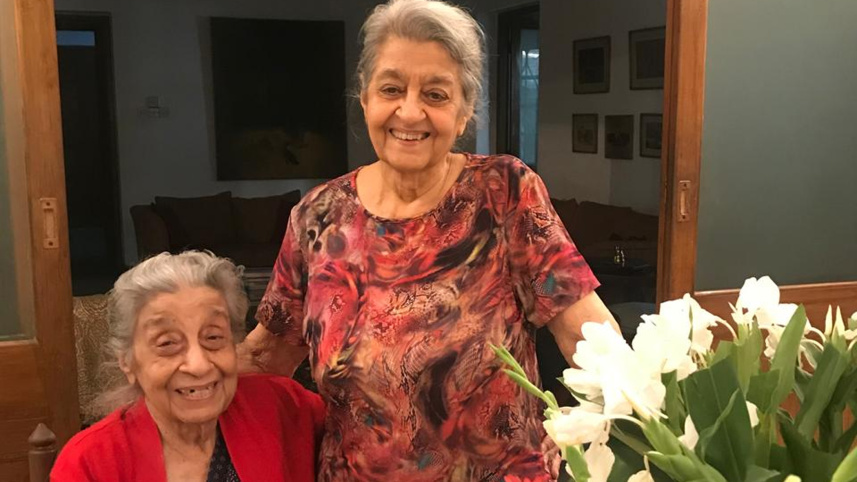
The passing of Khursheed Erfan Ahmed, affectionately known to many of us as Khursheed Apa, marks the loss of one of the most dedicated figures in Bangladesh’s human rights movement. A founding member of Ain o Salish Kendra (ASK), she worked throughout her life for justice, human dignity, and the rights of society’s most marginalised people.
Khursheed Apa died at the age of 95, survived by her sister Hameeda Hossain and daughters Fauzia and Humaira. Her life crossed borders, histories and personal tragedies. According to a social media post by her niece Barrister Sara Hossain, Khursheed Apa’s experience of the Partition is documented in The 1947 Partition Archives. “She had left the Pakistani province of Sindh to marry the great love of her life, Erfan Ahmed, and after his untimely death in 1974, chose to remain in Bangladesh, where she continued to live and work for another 40 years,” Sara wrote.

Before her involvement with ASK, Khursheed Apa had already shown her creativity as well as commitment to women’s economic independence. As Sara mentioned in her post, Khursheed Apa was a brilliant artist and designer, with a remarkable talent for drawing cartoons, and in the 1960s, she established the crafts cooperative Arunima.
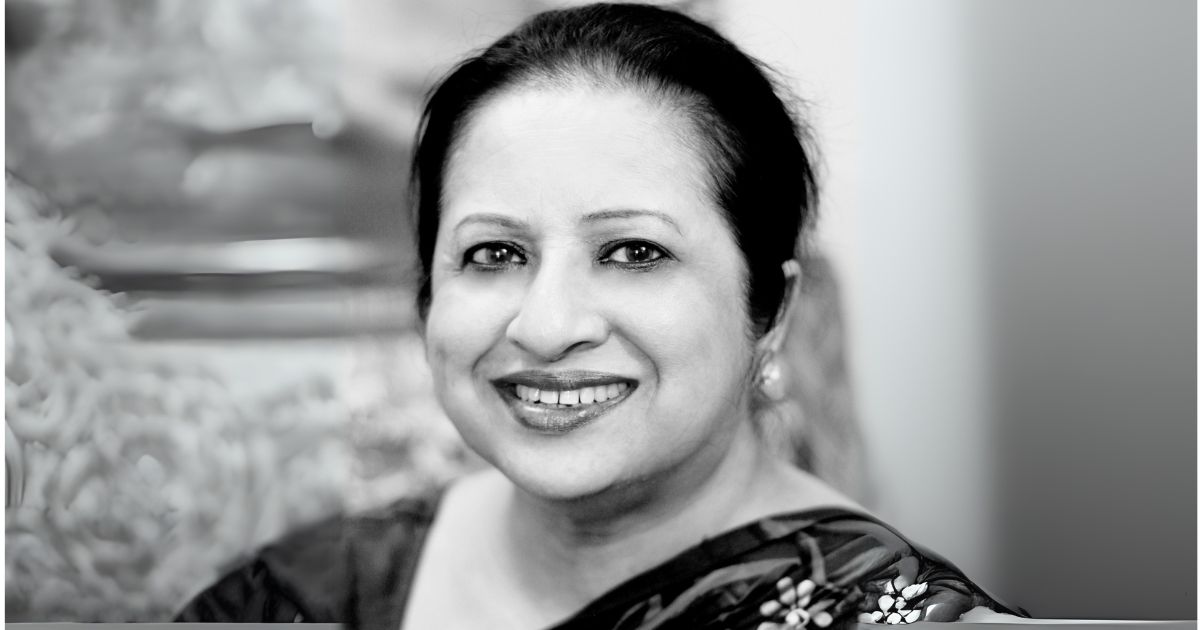
I first met Khursheed Apa in the 90s during a survey on garment workers led by her sister, Dr Hameeda Hossain, who was among the nine co-founders of ASK, including the late Barrister Salma Sobhan. At the time, Khursheed Apa was working closely with children, particularly those who worked part-time or were employed in garment factories, workshops, garages, or in households as domestic workers, or who lived on the streets.
Education always being at the centre of her concern, she opened the “Jokhon Tokhon” schools. The idea was simple yet deeply thoughtful. Working children could not attend school at a fixed time because their working hours were uncertain. The schools, therefore, remained open throughout the day, allowing children to come whenever they could. Children were taught through poetry, songs, games, art and drama. Those attending around lunchtime were also given a nutritious meal, often khichuri made with rice, lentils, vegetables, and sometimes meat.
What began with one or two centres eventually grew into around a dozen schools across Dhaka, operated by ASK. She understood that education could not succeed without the trust of the surrounding community. Therefore, before opening a centre, she and her colleagues would speak with the locals—residents, employers and families. They would persuade households to allow a child domestic worker to attend classes for 1.5 to 2 hours.
Khursheed Apa trained the teachers herself. She spent long hours speaking with them, explaining the educational methods and showing them how to work directly with children whose lives were very different from students in conventional schools. Children who performed well were provided with the support to enter mainstream education. Khursheed Apa also connected them with individuals willing to support the cost of books, uniforms and school fees. In many cases, assistance was provided through ASK, ensuring accountability and continuity.
With her help and connections, many of the young girls who sold flowers outside the former Sheraton Hotel were able to continue their education in renowned schools including Bharateswari Homes. Several even completed university degrees and established themselves in society.
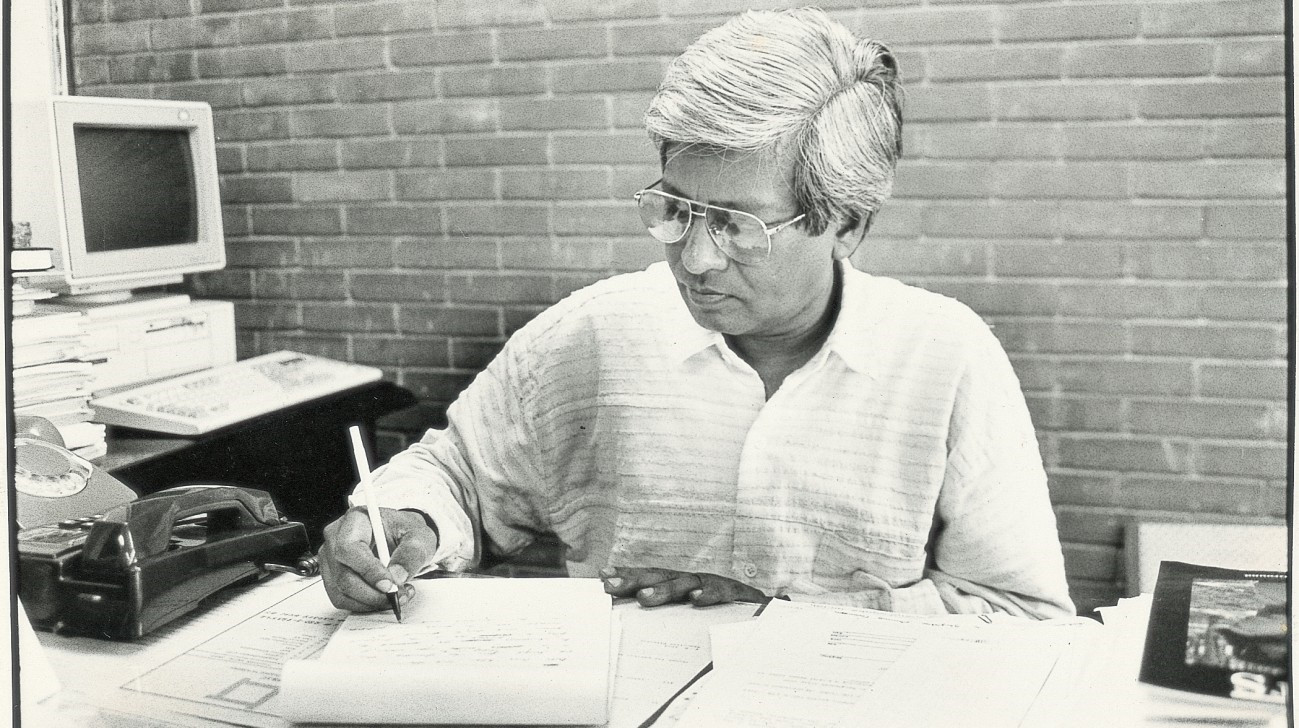
I remember seeing Khursheed Apa work tirelessly from morning until late afternoon. Although on first impression she appeared to be strict and unapproachable, those of us who worked closely with her discovered her unfailing warmth and sincerity. Although she never became entirely comfortable speaking Bangla, she made a point of doing so, speaking gently, and often persuading people affectionately.
She was also never afraid to protest against injustice or irrationality. Sometimes, she disagreed strongly with her colleagues, including Salma Sobhan or Hameeda Hossain, but later they would resolve their differences through discussion. That willingness to question, debate, and listen was an important part of ASK’s early work culture.
Besides setting up and supervising the Child Rights unit of ASK, mentoring a generation of colleagues, shaping policies and remaining closely involved in the teaching process, Khursheed Apa pioneered psychosocial counselling in ASK. She recognised that victims of violence and human rights violations needed more than legal assistance. Their psychological wellbeing also required attention.
So, she trained many women and men on psychosocial counselling. Initially, they were mostly teachers working at the Child Rights unit. Over time, the programme expanded, and a certificate course was introduced, in collaboration with an experienced counsellor from Bangalore and others from Dhaka University, including Prof Mehtab Khanam. Many of those she trained later became professional counsellors or continued to provide counselling voluntarily.
Khursheed Apa belonged to a generation for whom human rights and social justice work was inseparable from life itself. Day or night, whenever someone faced injustice, they responded. Her passing leaves a deep absence in Bangladesh’s human rights movement. Her work for children, women, survivors of violence, and disadvantaged communities will remain part of her enduring legacy. Through her commitment to education, counselling, and justice, she helped create the foundations of a more humane and inclusive society.
Nur Khan Liton is a human rights activist.
Views expressed in this article are the author's own.
Follow The Daily Star Opinion on Facebook for the latest opinions, commentaries, and analyses by experts and professionals. To contribute your article or letter to The Daily Star Opinion, see our guidelines for submission.
 For all latest news, follow The Daily Star's Google News channel.
Comments