


Modern-day parenting needs better support
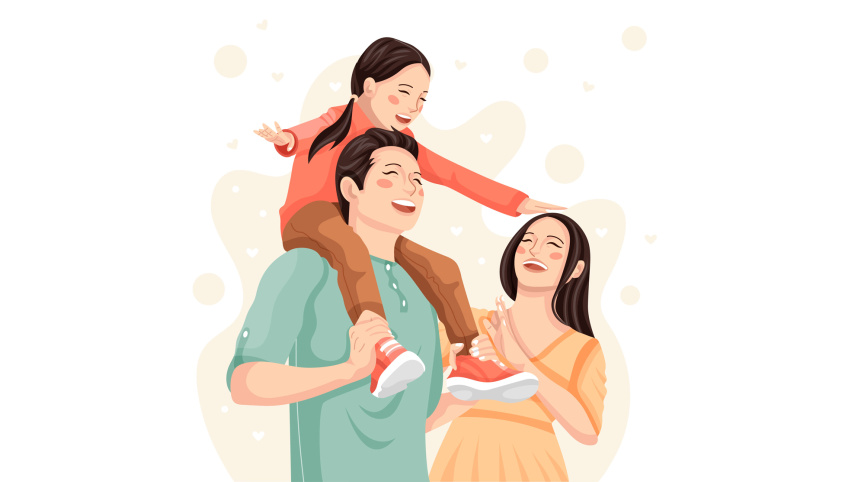
A few decades ago, becoming a parent in Bangladesh rarely felt like starting from zero. A new mother had her own mother to ask for help. A grandmother knew, almost instinctively, when a baby’s cry meant hunger and when it meant colic. An aunt could tell you how to swaddle, when to start solids, and how to handle a fever at 2am. Parenting knowledge did not live in books or classrooms but in the household, passed down from one generation to the next.
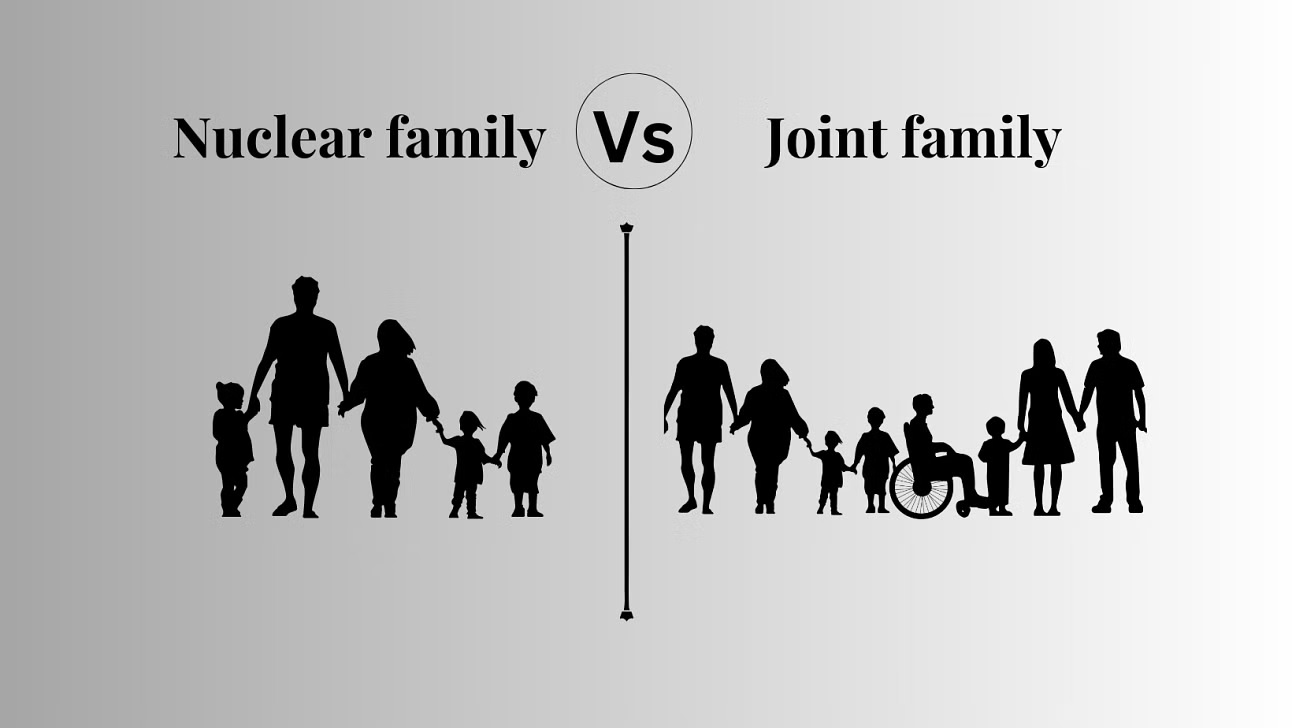
That household is disappearing. The number of joint families, once a common arrangement in the country, is shrinking. The average rural household size fell from 4.53 members in 2010 to 4.30 in 2022, and researchers point to several driving factors: migration to cities, smaller urban living spaces, dual-income couples, and a growing preference for independence over shared living. In cities like Dhaka and Chattogram, and increasingly in smaller towns too, the nuclear family—just parents and children—has become normal rather than exceptional.

This shift is not inherently bad. Nuclear households often mean more autonomy for young couples, more say for mothers in decisions about their own children, and less friction between generations. But it has quietly removed something Bangladeshi parents used to get for free: a built-in support system that taught them how to parent.
Consider what a couple in many countries, expecting for the first time, might have access to before their baby even arrives: antenatal classes covering labour and delivery, breastfeeding workshops, and newborn care sessions. These programmes are available in Europe, North America, and increasingly in parts of urban India and Southeast Asia. They exist because policymakers have recognised that modern life—smaller families, working parents, migration—has eroded the informal networks that once taught people how to raise children.
Bangladesh has yet to build something comparable. A young couple who has moved from Sylhet or Barishal to Dhaka for work, or a couple where the wife’s parents are in Chattogram while the husband’s parents are abroad, is often left to parent by guesswork. They turn to Google at 3am, to parenting groups of dubious accuracy on social media, or to whatever the paediatrician has time to explain during a rushed visit. Many don’t even know that a foetus’s brain, hearing, and responsiveness to voice and touch are developing in specific, well-documented stages long before birth—knowledge that could help them prepare for their child months in advance. After birth, the gaps continue: recognising developmental milestones, understanding what is normal infant behaviour versus a warning sign, knowing how to respond to a colicky baby without panic or, worse, resorting to remedies with no medical basis.
This is not a small, private problem. The period from pregnancy through the first three years is when the human brain forms faster than at any other point in life. What parents know, and don’t know, during this window has consequences that last decades: for a child’s cognitive development, emotional security, and long-term health. A country investing heavily in “demographic dividend” narratives cannot afford to leave this foundational stage to chance.
The good news is that the fix does not require reinventing anything. Government hospitals and community clinics already reach pregnant women through antenatal check-ups; these visits could include a structured parenting-education component, not just physical check-ups. Some organisations with deep rural and urban reach already run child development programmes that could be scaled and packaged into something couples actively seek out before birth. Private hospitals catering to urban, working couples could offer prenatal classes the way maternity packages already include ultrasounds and delivery rooms. Even something as simple as a well-produced Bangla-language video series, distributed through the same health worker networks that deliver vaccination reminders, could reach couples who have no elder to ask.

None of this means abandoning what grandmothers and mothers have always known. Traditional knowledge about breastfeeding, comfort, patience, and the rhythms of a household remains valuable and should not be replaced wholesale by clinical checklists. But it should be supplemented, not assumed. Not every young couple has an elder down the hall anymore. Some are raising their first child in a rented flat in a city, far away from anyone who has done this before them.
We ask a great deal of new parents: to keep a newborn alive, healthy, and loved, often with no training and no manual. The least we can do, as a society moving rapidly toward nuclear families, is build the systems that other countries built when they went through the same transition, so that becoming a parent in Bangladesh does not mean learning entirely by trial and error.
Anika Zerin Chowdhury is a writer and teacher.
Views expressed in this article are the author's own.
Follow The Daily Star Opinion on Facebook for the latest opinions, commentaries, and analyses by experts and professionals. To contribute your article or letter to The Daily Star Opinion, see our guidelines for submission.
 For all latest news, follow The Daily Star's Google News channel.
Comments