Women’s voices in Nazrul’s Dhumketu
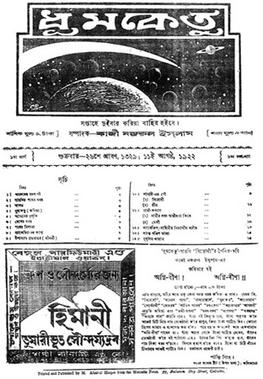
Dhumketu was a bi-weekly Bangla paper edited by Kazi Nazrul Islam. It started publication on 26 Sravan 1329/11 August 1922, in a four-page format, but later expanded to eight pages. Rabindranath’s poem, hailing the launch of this paper, was used as an epigraph. The paper contained several of Nazrul’s own writings—apart from the editorial—such as a reprinting of “Bidrohi” in the inaugural issue, the poem “Muharram” in the Muharram issue of 20 pages (1329/August 1922), and “Agamoni” and “Anandamoyeer Agamone” in the 9 Ashwin/26 September 1922 issue. The police raided the office of Dhumketu on 8 November, but Nazrul was not there. He was finally arrested on 23 January 1923 on charges of sedition. The paper dated 13 Magh 1329/27 January 1923 contained his “Rajbandi’r Jabanbandi”, along with poems and pieces on him. Nazrul was jailed for a year, and the paper was suspended for a time. It appeared later under the editorship of Biren Sen Gupta and Amaresh Kanji Lal, but it did not have its earlier revolutionary fervour. It became irregular, and from March 1923, publication stopped.
Thanks to Selina Bahar Zaman, we have the facsimiles of the issues of Dhumketu. From this valuable collection, we realise that from the very beginning, the paper was not only meant to voice Nazrul’s anti-British views but also to reveal his non-communal and non-gendered outlook.
The contributors to the paper included both Muslim and Hindu writers, male and female. The advertisement for Himani Snow on the cover of the inaugural issue—and in many subsequent issues—suggests that Nazrul expected the paper to be read by women as well as men. From the inaugural issue, the presence of women writers is noticeable. Some women writers wrote a number of times, but there were at least ten women who wrote at least once. These included a ten- or eleven-year-old girl as well as a thirteen-year-old girl, the former Hindu and the latter Muslim. Sri Birajsundari Devi, Promila’s aunt, whom Nazrul called “Ma”, and who would help him break his fast at Hooghly Jail and to whom Nazrul later dedicated his book Sarbahara (1926), gave Nazrul her blessings in “Mayer Ashish” in the inaugural issue of Dhumketu. She also wrote a piece—“Nari Kalyan”—for the issue. Masuda Rahman (1885–1926) wrote several times—always appearing as Mrs M. Rahman; Roquiah Sakhawat Hossein (1880–1932)—writing as Mrs R. S. Hossein—contributed an excerpt from an essay and a poem.
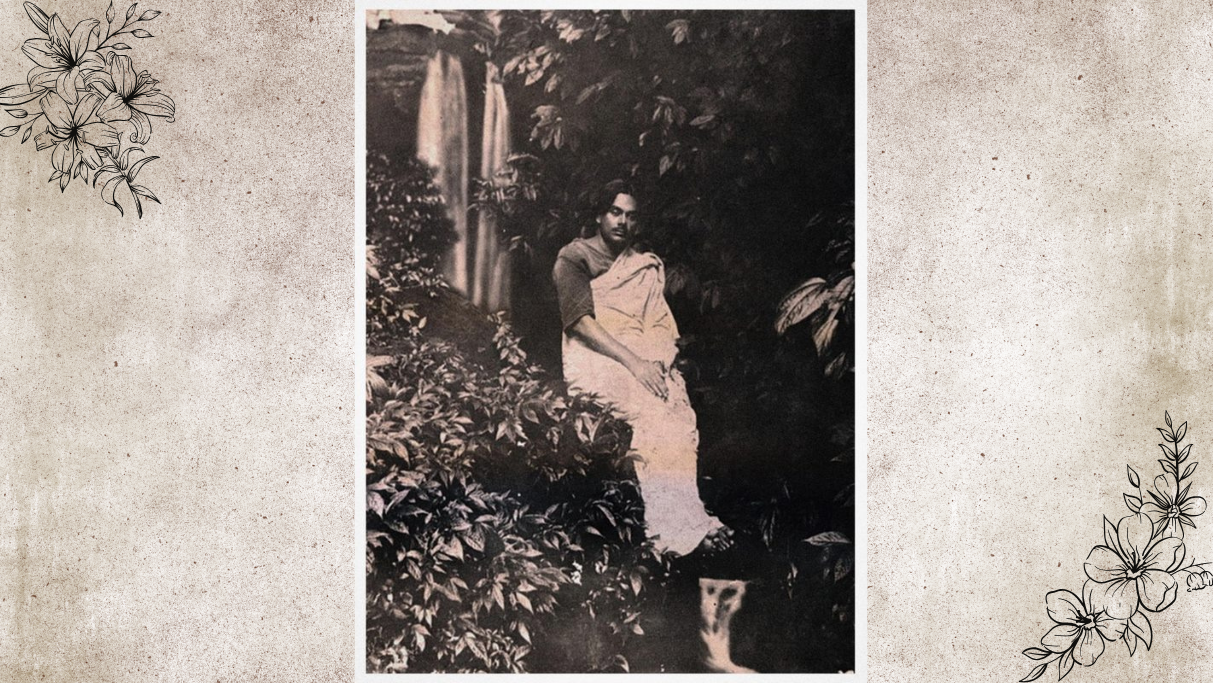
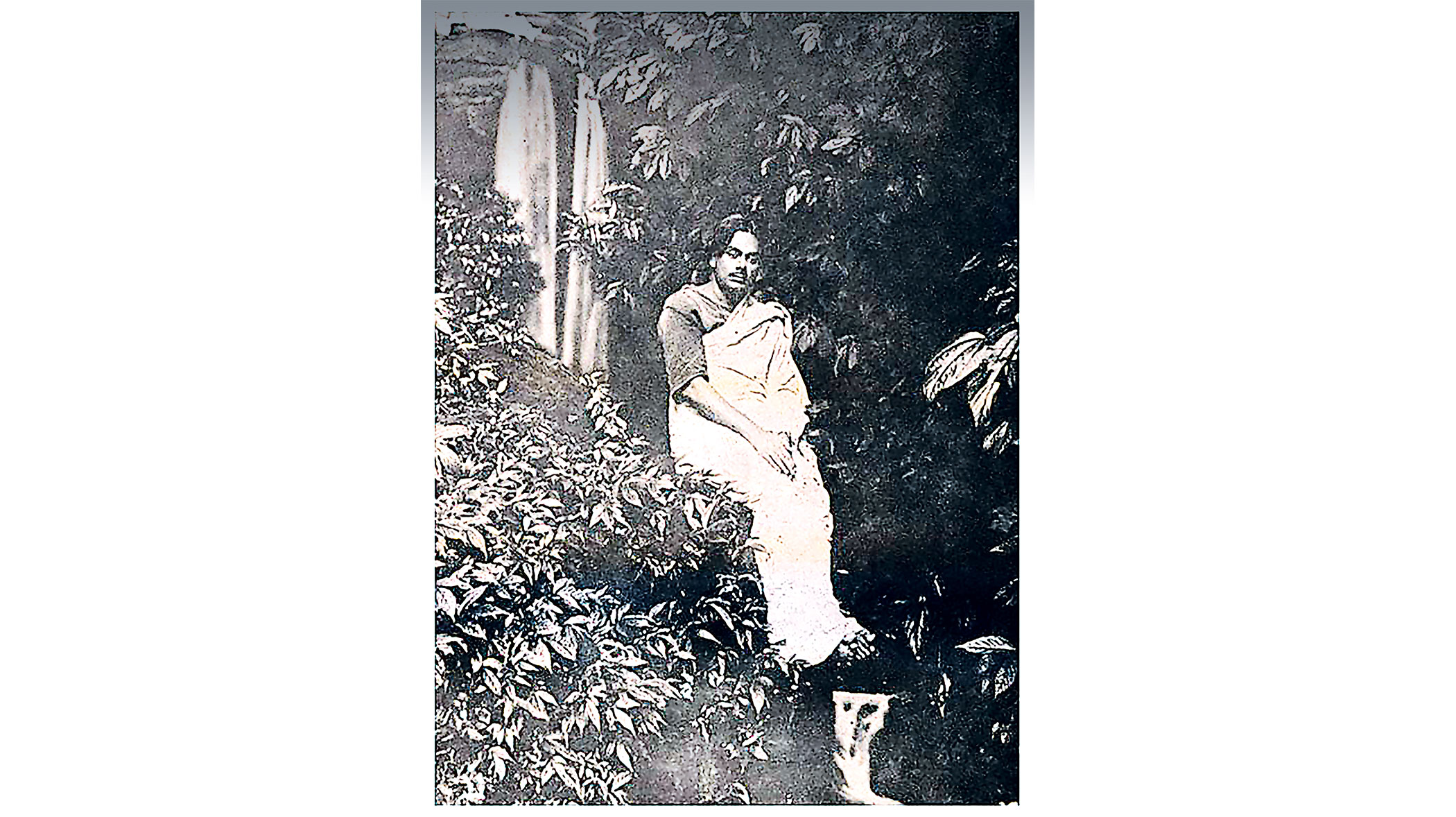
Roquiah Sakhawat Hossein was born and brought up in a conservative Muslim family in Pairaband, Rangpur. Forbidden to read and write Bangla or English as a child, she managed to learn both so well that she could write fluently in both. For women of her generation, she was a beacon of light, extolling the importance of education in improving the lives of women. Roquiah Sakhawat Hossein was greatly helped by her brother and later by her husband, Sakhawat Hossein, in learning how to read and write in both Bangla and English.
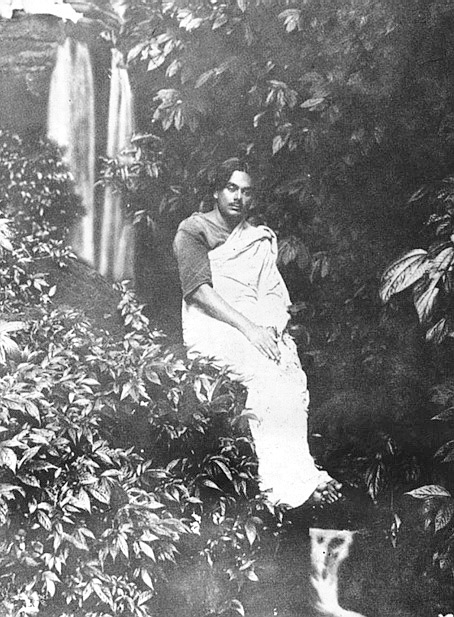
Knowing her passion for education, Sakhawat Hossein left her a considerable sum of money to start a school. Five months after her husband passed away on 3 May 1909, she started a school in his name at Bhagalpur, where she was residing at the time. However, she was unable to continue living there and moved to Kolkata, where, two years later, on 16 March 1911, she restarted Sakhawat Memorial School at 13 Wellesley Lane. At the time of her death on 9 December 1932, there were more than 100 girls studying at the school.
Apart from teaching, she also wrote, in Bangla and English, in Kolkata magazines about her concerns for women, about purdah, and about her school. Roquiah’s first publication was not in Bangla but in English. Her story, “Sultana’s Dream”, for which she is well known internationally today, appeared in the Indian Ladies Magazine (Madras) in 1905. Three years later, her Bangla translation of this story came out in book form from S. K. Lahiri and Co., Kolkata.
Perhaps the earliest Bangla essay of hers to be published was “Pipasha” (Thirst). This piece about Muharram was published in Nabaprabha in Falgun 1308 (mid-February to mid-March 1902). She also wrote in other journals such as Mahila, Nabanur, Bharat Mahila, Al-Eslam, Bangiya Mussulman Sahitya Patrika, Saogat, Sadhana, Naoroz, Mohammadi, Sahityik, Sabujpatra, Muezzin, Bangalakshmi, Gulistan, and Mah-e-Nau. It is not known whether Nazrul and Roquiah ever met in person, though in Nazrul’s novel Bandhon Hara (published serially in Moslem Bharat from 1921), many of the sentiments voiced by the women letter writers seem to presage what Roquiah would later say in her essay “Subah Sadek” in Muezzin (Asharh–Sravan 1337/mid-July–mid-August 1930).
A sizable extract from Roquiah’s essay “Pipasha” is included in the Muharram issue of Dhumketu. A poem of hers, “Nirupam Bir”, was also published in Dhumketu that year. In “Pipasha”, she reflects on the plight of the group of warriors, women, and children accompanying Hazrat Imam Hossain on his tragic journey to Karbala. In an age when copyright was not taken seriously and essays, stories, and poems were freely published in different journals, it is not clear whether Nazrul took permission from Roquiah to republish this piece. Though the essay is about Muharram, the piece is divided into two sections, with the second part describing the grief after a loved one died without having a last sip of water. Dhumketu included only the first part, in which the focus is on the tragedy of Karbala.
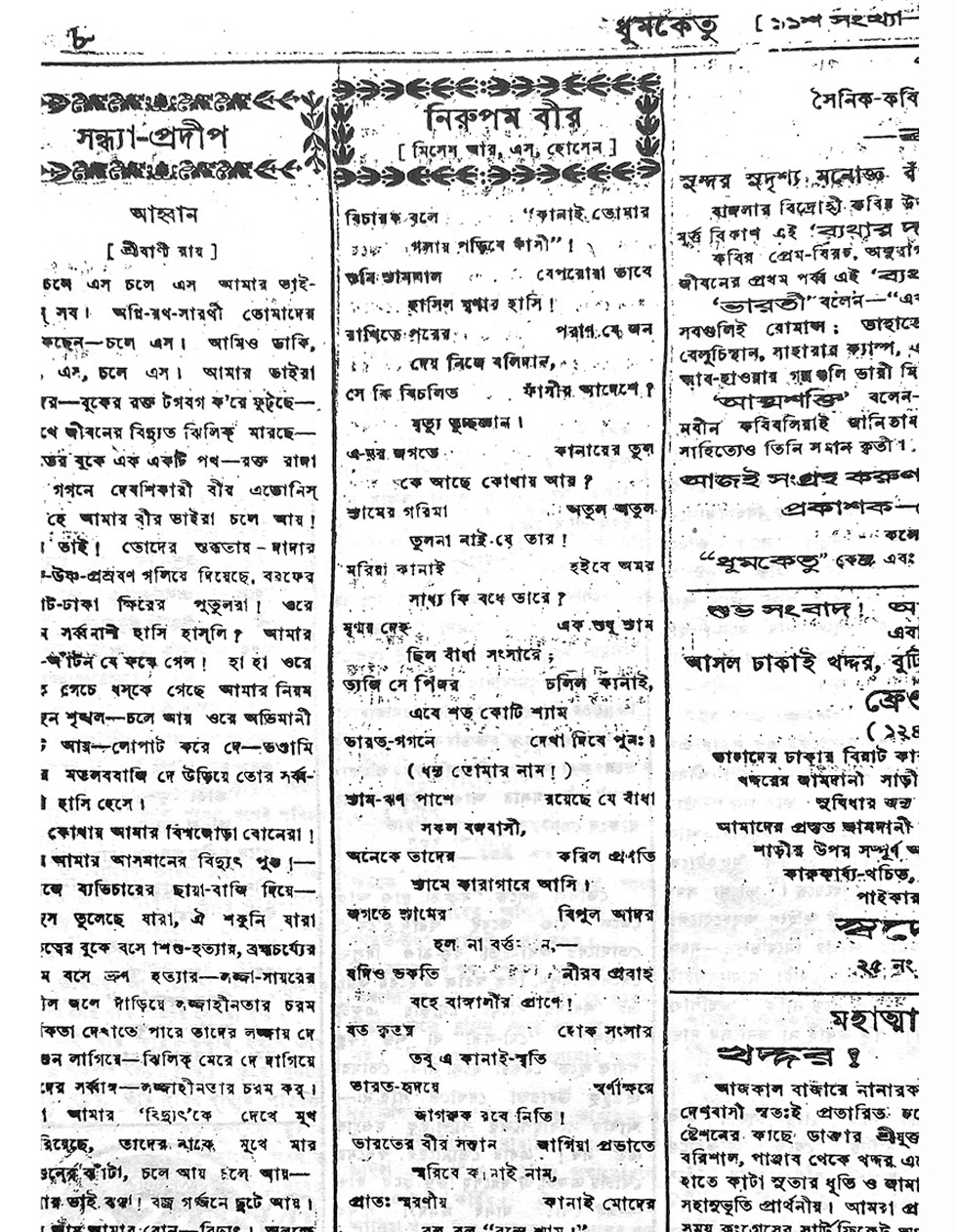
The only other piece by Roquiah to appear in Dhumketu was a poem, “Nirupam Bir” (The Dauntless Warrior), published on 5 Ashwin 1329/22 September 1922. Unlike “Pipasha”, the poem does not seem to have been published before.
“Nirupam Bir” is a remarkable poem from a woman who has been called an “Islamic Feminist”. The 1 Bhadra 1329/18 August 1922 issue of Dhumketu had published a photograph of the revolutionary Kanailal Dutt (1888–1908). Perhaps this inspired Roquiah to write the poem. Kanailal was a revolutionary belonging to the Jugantor Group. Arrested with a number of other revolutionaries, he was imprisoned in Alipore Jail. There, along with another revolutionary, he succeeded in assassinating Narendranath Goswami, a government approver. Kanailal was hanged on 31 August 1908. He was the second revolutionary to be hanged by the British after Khudiram Bose—whose picture also appeared in Dhumketu.
In her poem, Roquiah eulogises Kanai as the dauntless warrior. The poem begins with the magistrate ordering Kanai to be hanged. But Kanai—addressed here as Shyam, another name for Krishna—laughs. The one who willingly sacrifices his life does not fear hanging. “Moriya Kanai hobe omor/Shadhyo ki bodhe tarey?” By dying, Kanai will become immortal. Who can slay him? The poem ends with a strident call: “Bolo bolo ‘Bande Shyam’”, Proclaim, proclaim, “Long Live Shyam”. It was a very brave piece of writing by Roquiah, the widow of an official who had served the British and the founder of a school for Muslim girls.
Unlike Roquiah, who appeared only twice in Dhumketu, Mrs M. Rahman appears frequently. Her first name was Masuda, but she wrote as Mrs M. Rahman for Dhumketu.
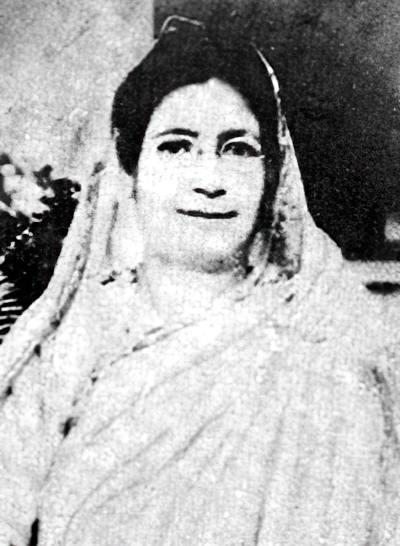
Masuda Rahman was the daughter of Hooghly’s Public Prosecutor, Khan Bahadur Mazharul Anwar Chowdhury. Apart from learning how to read the Quran, she learned some Bangla and Urdu at home. At the age of eleven, she was married to Kazi Mahmudur Rahman, Zamindar of Furfura, who was at the time Registrar of Calcutta. Her early marriage did not deter her from following her own interests. She wrote essays and also a novel, Ma O Meye.
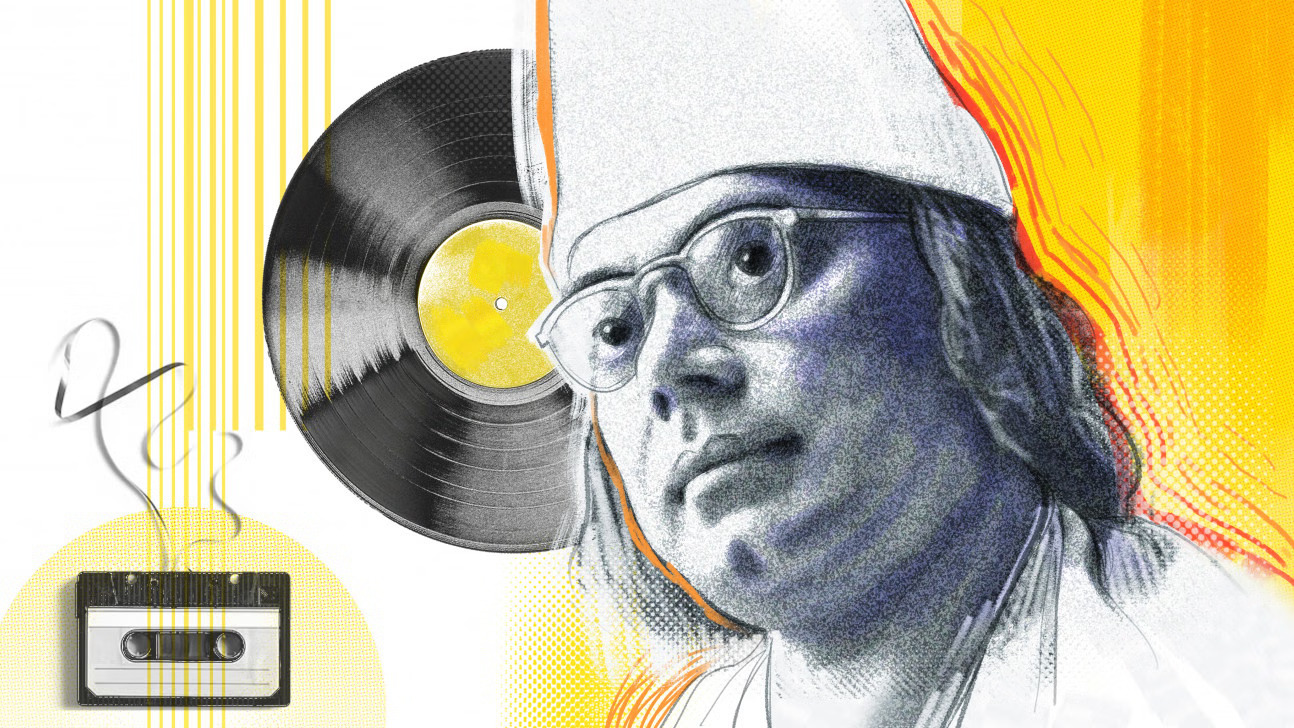
It is not known how Masuda Rahman met Kazi Nazrul Islam, but Professor Rafiqul Islam says she treated “Nazrul like a son”. (Nazrul had been estranged from his mother for some time. Perhaps the longing for a mother led him to call Mrs M. Rahman and Birajsundari Devi “Ma”. He would dedicate two of his books to them.)
Mrs M. Rahman played a prominent part in Nazrul’s marriage. Nazrul had fallen in love with a girl named Ashalata—whom he would rename Promila after their marriage—and brought both Ashalata and her mother, Giribala, to Kolkata in 1924. Nazrul was 23, Ashalata just 16. There were obvious difficulties in this marriage between a Muslim man and a young girl of a different faith. It was Mrs M. Rahman who organised the wedding, which took place on 25 April 1924, according to Muslim rites, though Ashalata did not change her religion. Seven years later, Nazrul dedicated his book Bisher Banshi to Mrs M. Rahman:
Fiery serpent girl of Bengal, the pride of Muslim women
The manifestation of my mother on Earth,
Mrs M. Rahman sahiba,
I lay this at your feet.
(Translated by Nashid Kamal)
Before Mrs M. Rahman got involved in Nazrul’s personal life, she was publishing frequently in Dhumketu. In fact, in the 29 Agrahayan 1329/15 December 1922 issue of Dhumketu, her name and the title of her piece are prominently displayed on the cover of the magazine. In the Muharram issue of Dhumketu, in which Roquiah’s “Pipasha” also appeared, she wrote an essay titled “Amader Abhab Abhijog” for the section “Sandhya Pradeep”. In this piece, she points out that women are not weak and that they do not always need the support of a tree like a weak vine. They want freedom and independence.
In an earlier issue of Dhumketu, she wrote “Amader Swarup” for “Sandhya Pradeep”, calling upon women to awaken. She writes that the call to awaken is everywhere and quotes lines from a poet, Parimal Kumar, who calls upon the sisters and mothers of Bengal to awaken. A few paragraphs later, she reminds women that they have a lot of work to do: “Narir sharthak korar sahasra poth achhey. Bibaho chharao korbar kaj achhey.” There are many ways to make women feel fulfilled. Apart from getting married, there are many things for women to do. In “Panch Mishali” in the 21 Kartik 1329/31 October 1922 issue of Dhumketu, she begins by saying she is out of sorts and therefore will provide some humorous anecdotes.
Apart from Mrs M. Rahman, other women also wrote for the column “Sandhya Pradeep”. In the 14 Kartik 1329/31 October 1922 issue of Dhumketu, Sri Mahamaya Debi wrote an essay titled “Narir Mukti Kon Pothe”. This essay was continued in the 1 Agrayahan 1329/17 November issue of Dhumketu in the same column, along with two other essays by Srimati Nonibala Debi (“Boneder Kotha”) and Charushila Mitra (“Narir Sarthakotha Kisher”). In the 26 Agrahayan/12 December issue, Srimati Saktibala wrote a poem, “Boner Dabi”, which begins with the lines “Mukti dao/Mukti dao/Supti dao/Bhai tora.” The second stanza reads: “Swadhinatao dao/Dao go dao/Dao go dao/Pran bhora.”
Srimati Nalini Basu and Srimati Chanchala Debi wrote “Mayer Bodhon” under “Sandhya Pradeep” in the issue of 30 Ashwin 1329/17 October 1922, welcoming the goddess Durga. Young girls, Hindu and Muslim, were also writing. Srilila Mitra, who was ten or eleven years old, wrote two poems: “Bangali”—“Ay, ay/Chhute ay/Ay tora/Bangali”—in the 26 Ashwin/13 October issue of Dhumketu and “Khun-Khoshroj” in the 30 Ashwin/17 October issue. Rizia Begum, the thirteen-year-old daughter of Abdur Rahim of Noakhali, also contributed a poem titled “Arab” in the 14 Kartik/31 October issue of Dhumketu. Srisarashibala Basu wrote the poem “Bhai-Phonta” in the 3 Kartik/20 October issue of Dhumketu.
Generally, Nazrul alone is associated with Dhumketu, but, as seen from these examples, women too were writing for the paper. And, if the ad for Himani Snow—which appeared on the cover of the inaugural issue of Dhumketu and continued to appear in other issues as well—suggests the desire of women to beautify themselves for men, it also stresses that the paper was meant for women readers, not only men. Significantly, the women writers who wrote for Dhumketu not only demanded rights for women, but were also inspired by Nazrul’s revolutionary fervour to call upon men and women alike to rise against the British and demand freedom.
Niaz Zaman is a retired academic, writer, and translator.
Send your articles for Slow Reads to slowreads@thedailystar.net. Check out our submission guidelines for details.
How Milad-un-Nabi shaped Muslim cultural life in colonial Bengal
What Rashomon teaches us about truth and human behaviour
Why Chittagong never became a maritime city
The many worlds of Ghulam Murshid
Operation Jackpot: How Bangladesh’s naval commandos struck at Pakistan’s lifeline in 1971
The Yellow Butterfly: How Sheba shaped my world growing up

What Bangladesh’s historic Test victory in Australia means for Bangladeshi-Australians

Remembering Sumit Sarkar, a historian who questioned orthodoxy
The unfinished histories of Partition