Pets, companions, kin: Rethinking the human-animal relationships

Trained as anthropologists in the early 2000s in Bangladesh, we all had to memorise a landmark sentence in ‘kinship studies’ – “Kinship is to anthropology what logic is to philosophy, or the nude is to art” – from Robin Fox’s Kinship and Marriage: An Anthropological Perspective (1967). During that time, we used to think about kinship in an anthropocentric way – that is, kinship was all about human relationships based on consanguineal, affinal and fictive ties. But human history has always been entangled with animal history. From the hunter-gatherer stage to modern life, animals have been a part of human everyday life, and this relationship has been multidimensional. Keeping various animals as ‘pets’ is as old as human history, though its purposes have changed over time. The goal of this essay is to complicate anthropocentric ideas of kinship by exploring animals as ‘companion species’ (Donna Haraway, The Companion Species Manifesto, 2003). By conceptualising ‘pets’ as companions, and using examples from different geographies and cultures, this essay destabilises the so-called fundamental species boundary between ‘human’ and ‘animal’ and encourages us to consider our ethical responsibilities towards more-than-human worlds in this age of planetary crisis.
Bangladesh
A few years back, possibly just before the Covid pandemic, while walking down one of the streets in Mohammadia Housing Society in Dhaka, my eyes suddenly caught sight of a coloured poster on a wall. At the top was a photograph of a foreign-breed cat, and underneath, in bold letters, it said: ‘Missing’. The poster included a contact number, the time and place where the cat was last seen, and in the last line it stated: ‘Reward: 5,000 taka.’ This was not something I had experienced before in Dhaka city, where I have been living for the last two decades. Generally, before the era of social media, we used to see such posters about missing persons.
It would not be a mistake to claim that, in contemporary urban Bangladesh, millennials and Gen Z should be credited with changing conventional attitudes towards animals. Animals have long been perceived mainly in terms of their benefits to humans. Dogs were kept as our guards, cats to control rats, while stray animals were often seen as a public nuisance and a threat. Affective attachment to animals was rarely taken seriously.
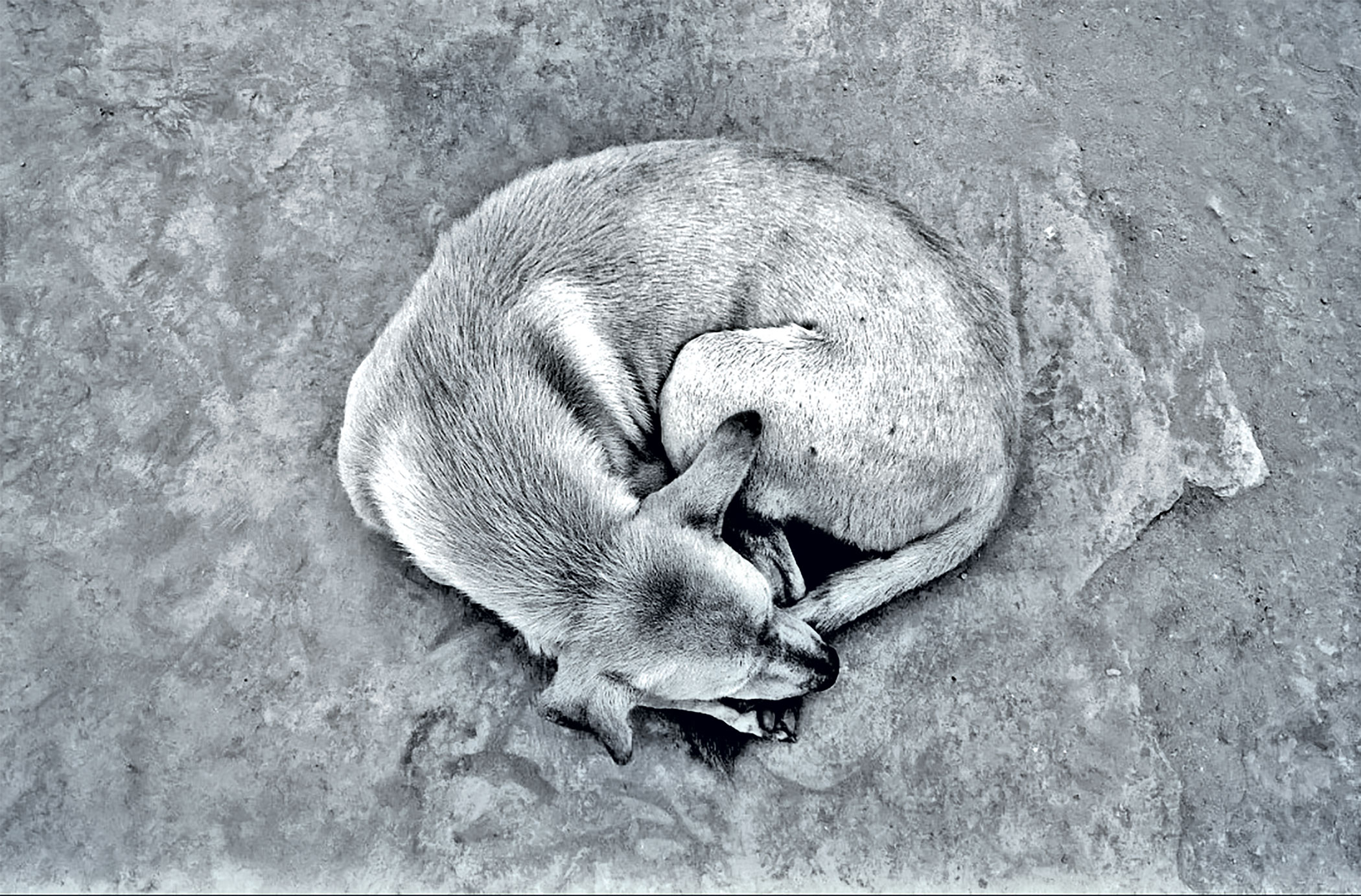
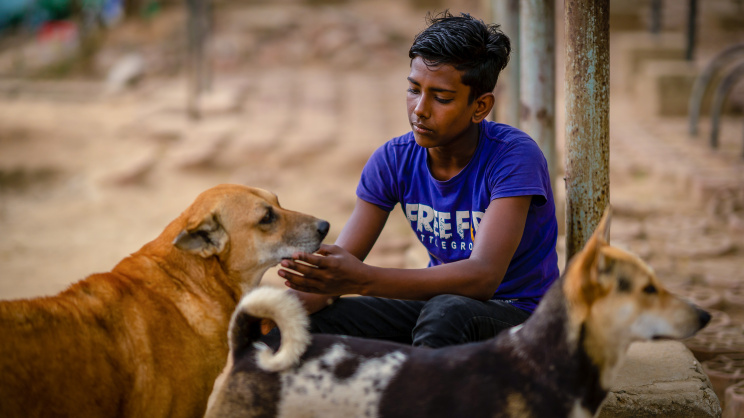
In recent years in Bangladesh, however, especially among the urban, educated youth, this attitude has begun to shift. Social media has played an important role in this transformation. Online platforms are now full of cat and dog groups, rescue stories and adoption posts. Cruelty to animals is rapidly circulated and criticised by netizens. Mainstream print and electronic media quickly publish such news. Stories of rescue and recovery circulate widely, encouraging empathy and action.
Nowadays, it is common to find numerous news reports of police making arrests over the brutal killing of stray animals. In many apartments, cat-proofing nets are now installed on balconies for protection. Cats, birds and dogs accompany their foster carers on buses and trains to celebrate Eid. Just have a look at the number of members in some Facebook groups, such as Cats Problem, Cat Society of Bangladesh, Cat Adoption Society and Free Adoption Cat Currier BD, on social media.
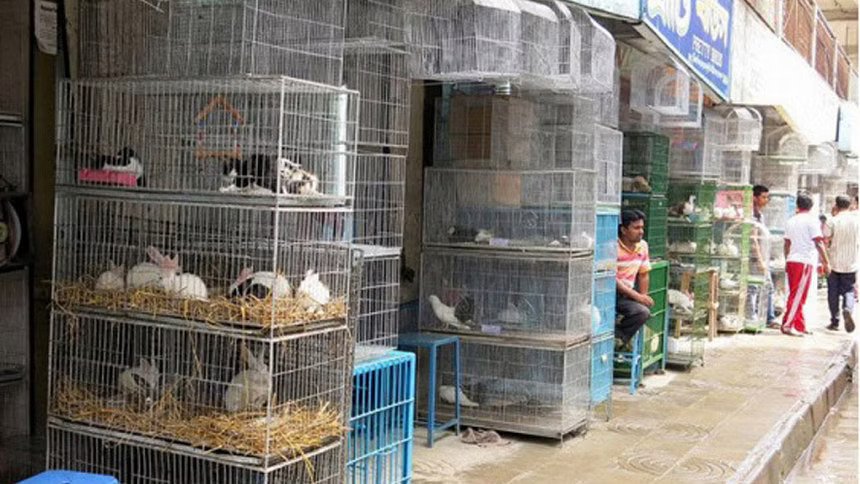
Let me conclude with the ‘Katabon Pet Market’ in Dhaka city. I don’t want to romanticise it because animals, whether we call them pets or companions, are still sold and bought as commodities in the market. I have been passing through Katabon since the start of this millennium. Day by day, I have seen it double or triple in size and volume before my eyes. Many might see this expansion as an encouraging sign of growing demand for companion animals among urban households, but there is a ‘darker’ side to this expansion and demand.
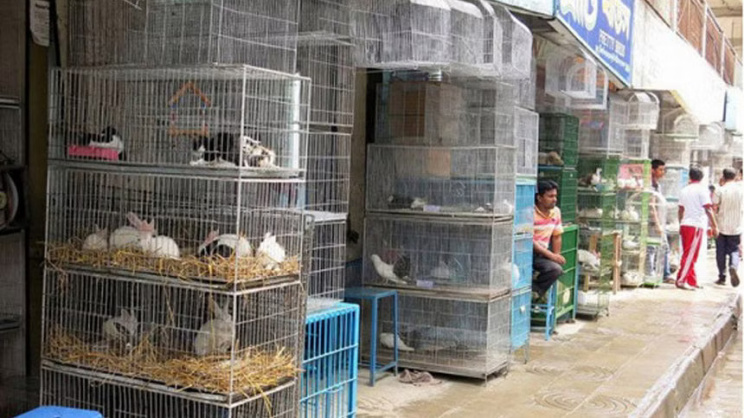
First, the sight of caged wild animals does hurt us all. Anyone who is sensitive to animals would be worried to see how animals are ‘reared’ and treated in cages. Second, the hygiene and veterinary care of captive animals are extremely important because many animals can ‘carry’ zoonoses. Third, the pet market should be strictly and regularly monitored by government agencies because it is a critical site for illegal wildlife trade.
Europe
My other lived experience of witnessing human relationships with companion animals reached another level when I first arrived in the Netherlands in 2020 as an international student. Like bicycles, the Dutch also seem to have an obsession with companion animals. The data show that at least 44% of Dutch households have at least one animal. I lived in the city of The Hague during the peak of the pandemic, in a predominantly Dutch neighbourhood. In our locality, one old man contracted the virus and needed to be hospitalised, but he refused to leave his house because his cats would be left alone. After the incident, the local community and animal welfare volunteers organised a massive informal network of quarantine foster carers. One of our friends from the Philippines kept a dog in her house for ten days when its ‘parent’ was taken to hospital with Covid-related complications. I also heard that some people ‘loaned’ their dogs to neighbours who lived completely alone during the pandemic.
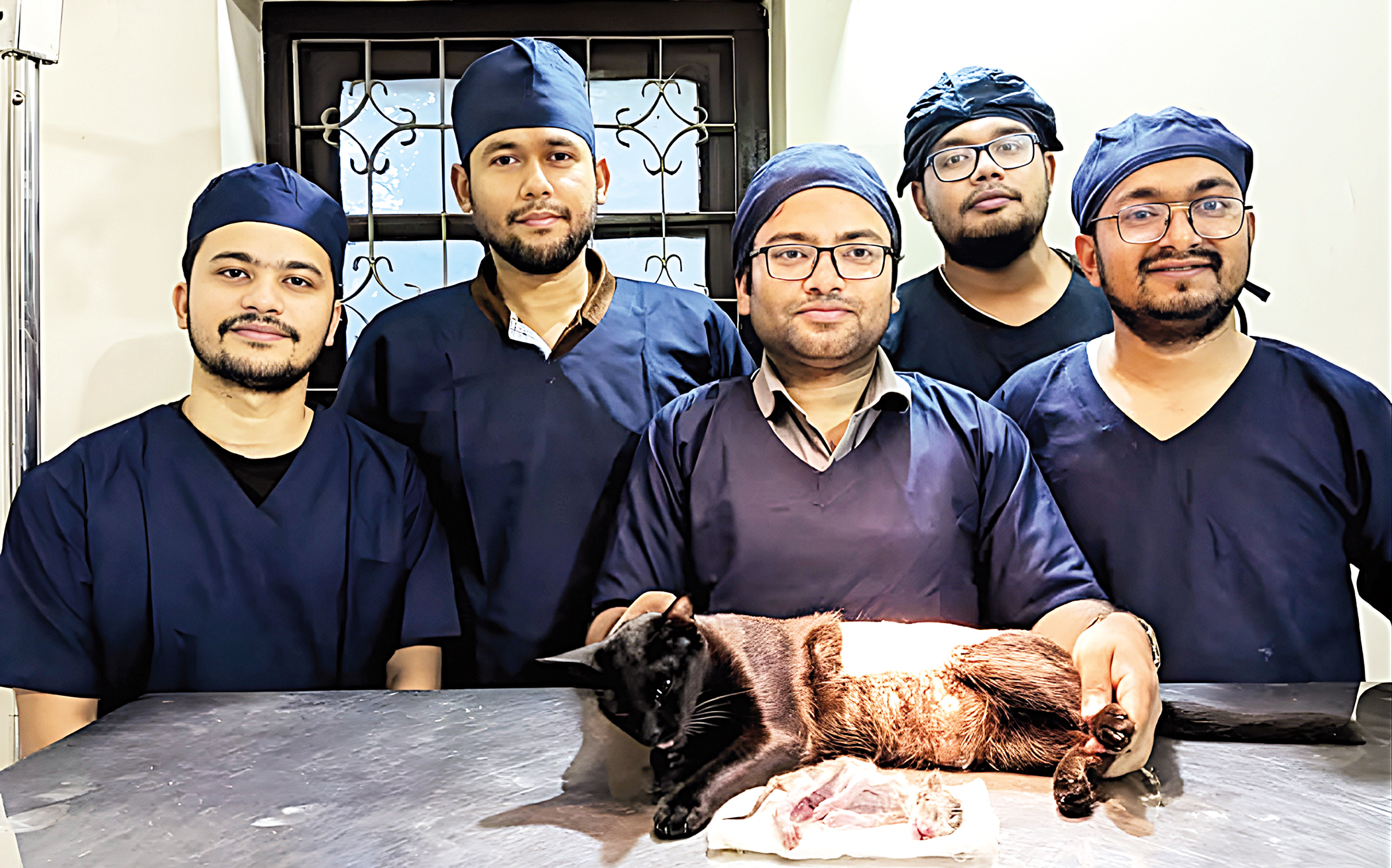
On the other hand, in England, it was the Victorians who were largely responsible for changing attitudes towards domestic animals. Until the 19th century, keeping animals as ‘pets’ was generally viewed negatively. When elites and aristocrats kept animals in their houses, the practice was often mocked and criticised. But from the late 18th and early 19th centuries onwards, keeping animals became culturally acceptable. Writers, painters and artists in the 19th century assigned moral and emotional values to domestic animals, especially presenting their presence as beneficial for children. Even the working and middle classes slowly joined this trend.
After animals became integrated into family life, a new form of cultural consumerism began to flourish in England. Self-help books, especially those offering advice on how to care for exotic and difficult animals, began to be published from the 1850s onwards. Health remedies such as ‘cough pills’ for dogs and cats were widely sold, and pet food began to be manufactured. Even pet cemeteries were built in London. (Hamlett and Strange, Pet Revolution: Animals and the Making of Modern British Life, 2023).
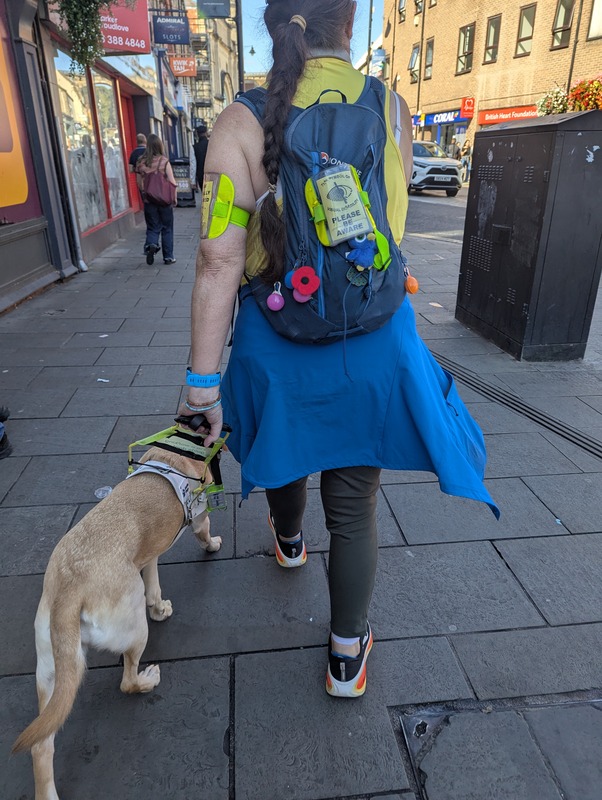
I also began to notice this intimate relationship between humans and companion animals when I arrived in England in 2023. Here, people treat their companion animals in very different ways. The UK is home to an estimated 36.5 million pets, with about 62% of households owning at least one animal. Not only in homes, but also in public spaces such as streets, trains, buses and restaurants, it is extremely common to see dogs or cats alongside humans. People show both tolerance and adoration when they encounter animals in public places. It is also common for animals to occupy seats on public transport.
Dogs are also assistance companions here. Especially during weekends on the busy streets of the city centre, I regularly see senior citizens who have mobility difficulties accompanied by assistance dogs. My encounter with a huge bulldog in a park, for example, made me nervous when it sniffed my shoes several times. But the encounter ended with me learning its name. When I said, ‘Nice dog’, its guardian told me, ‘I call him Andrew.’ On another occasion, I saw an Alaskan Malamute at Newcastle railway station and, captivated by its flamboyant appearance, approached its guardian to ask if I could take a picture. The guardian told me in a serious tone, ‘I am his mummy.’ Perhaps I had asked, ‘Whose dog is this?’
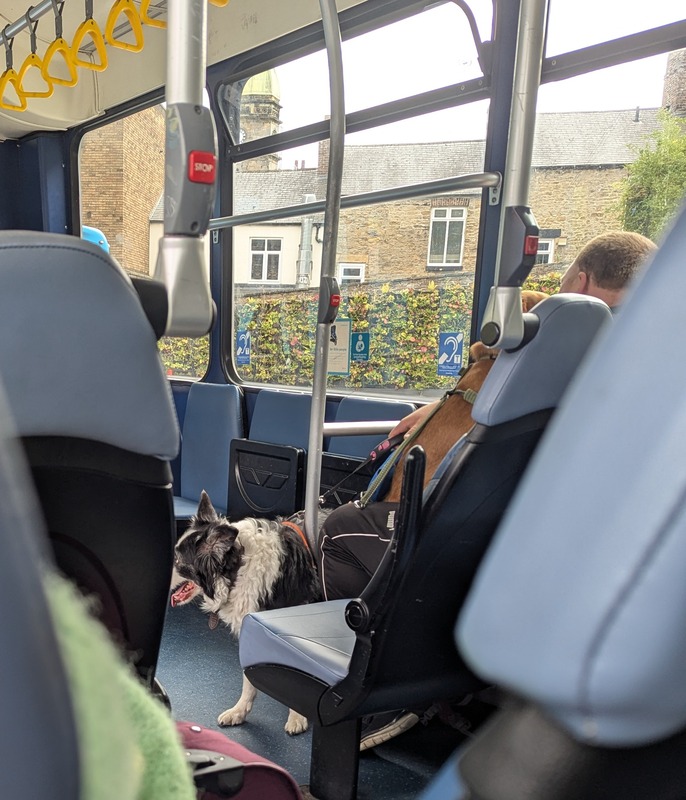
Of course, naming animals and treating them as ‘babies’ does not automatically remove the power that humans have over them. Relationships between humans and animals in the Western world are not necessarily free from ownership and control. But these encounters made me think about how companionship can involve a range of relationships in which animals are not simply used for their utilitarian purposes. They can also become beings whose presence changes how people move, care, wait, travel and organise their everyday lives. Perhaps this is where the idea of multispecies kinship becomes valuable.
Amazon
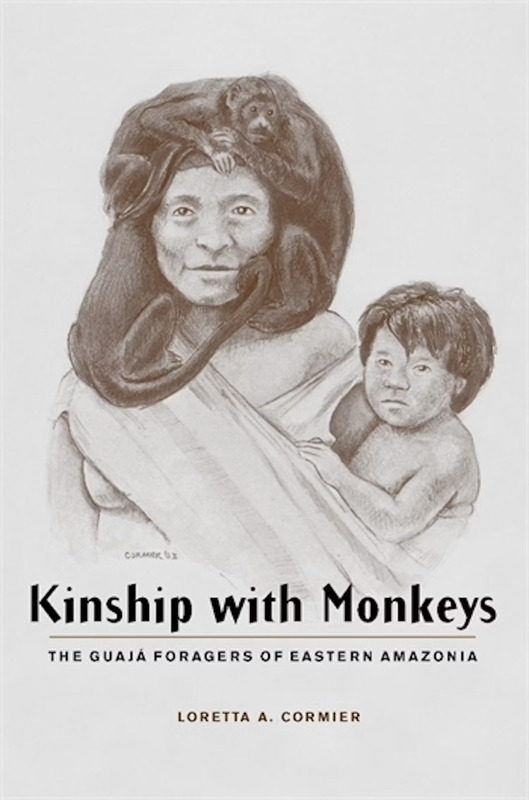
Now, let me take you to the ‘wild’, the Amazon rainforest, a place that, unlike Bangladesh and Europe, I have known only through my anthropological reading over many years. Amazonian Indigenous peoples have profound bonds with animals because their ways of life are deeply intertwined with nature. Both nature and human life are shaped by each other. In Kinship with Monkeys: The Guajá Foragers of Eastern Amazonia (2003), anthropologist Loretta Cormier deals with some interesting puzzles among an Indigenous group called the Guajá, who live in the Brazilian Amazon. The Guajá people have a strong bond with monkeys. Ethnobotanically, they know more about the food plants of monkeys than about the plants they gather for their own consumption. Eight monkey species are among their favourite sources of protein, but at the same time, keeping juvenile monkeys as ‘pets’ or adopting them as ‘children’ is very common among the Guajá.
During her fieldwork, Cormier found that in a village of 108 people, there were 90 adopted monkeys belonging to seven species. These infants or juveniles are adopted after their mothers are killed for food. Women’s relationships with these infant monkeys are intricate and strong. They allow the adopted infant monkeys to breastfeed from them. They even transfer premasticated food from their own mouths to the infant monkeys. Anthropologist Loretta Cormier makes some striking claims, arguing, for example, that carrying adopted monkeys can be considered a type of costly body art and that, within this Indigenous culture, keeping infant monkeys is seen as a clear sign of women’s fertility. The Guajá not only treat these monkeys as kin but also believe, according to their cosmology, that the monkeys were originally created from Guajá people.
Conclusion
The terminological shift from ‘pets’, linked to ownership and control, to ‘companions’, linked to a shared life, is not merely romantic. It signals a larger transformation in how humans and animals relate to each other. Companion animals are no longer present only in the backyard of human life. They are shaping decisions about human lives. This also raises the question of animal agency, which was once thought to be exclusive to humans. As companion animals increasingly shape human mobility, domestic arrangements, emotional lives and ethical obligations, the conventional binary between humans as ‘subjects’ and animals as ‘objects’ becomes unstable and fuzzy. In this emerging relationship, companion animals are increasingly regarded as family members, or ‘fur children’. Now, the crucial question we must ask is to what extent we are ready to extend our love and affective relationships to animals that are not our companions.
Fahmid Al Zaid is an associate professor in the Department of Anthropology at the University of Dhaka and a PhD candidate at Durham University, UK. He can be reached at fahmidshaon@du.ac.bd.
Send your articles for Slow Reads to slowreads@thedailystar.net. Check out our submission guidelines for details.

Between Gabura and India: Work, loss and unequal choices

Fewer fish, higher costs: The struggle of Bangladesh’s Hilsa fishermen

Duli to Baaji: Whose gaze shapes indigenous representation?

The everyday resistance of Rohingya women the world rarely sees

The banyan tree that became a restaurant for birds

What did we ask about Mariam while she was still alive?

Why Dhaka cannot simply ban the rickshaw
The elephants had to be rescued again. Where is the accountability?

‘Situation under control’, but at whose expense?