


Empty-handed, under fire after historic failure
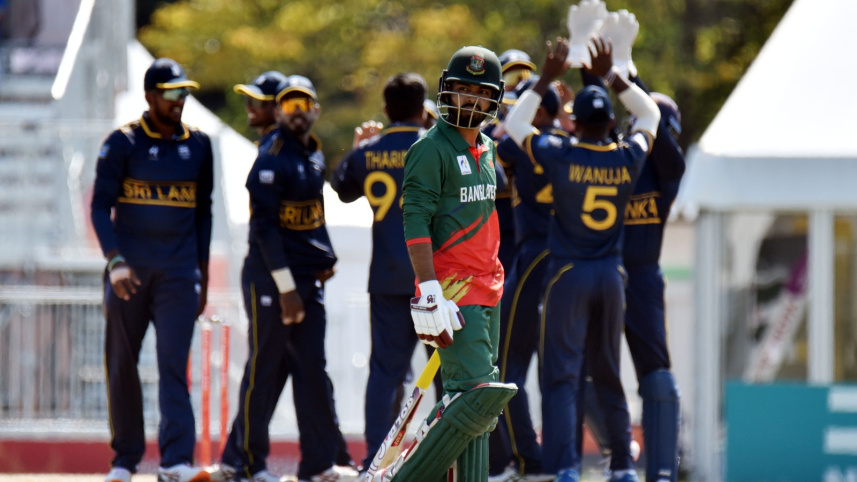
Bangladesh had never left an Asian Games cricket tournament without a medal. Until Aichi-Nagoya 2026.
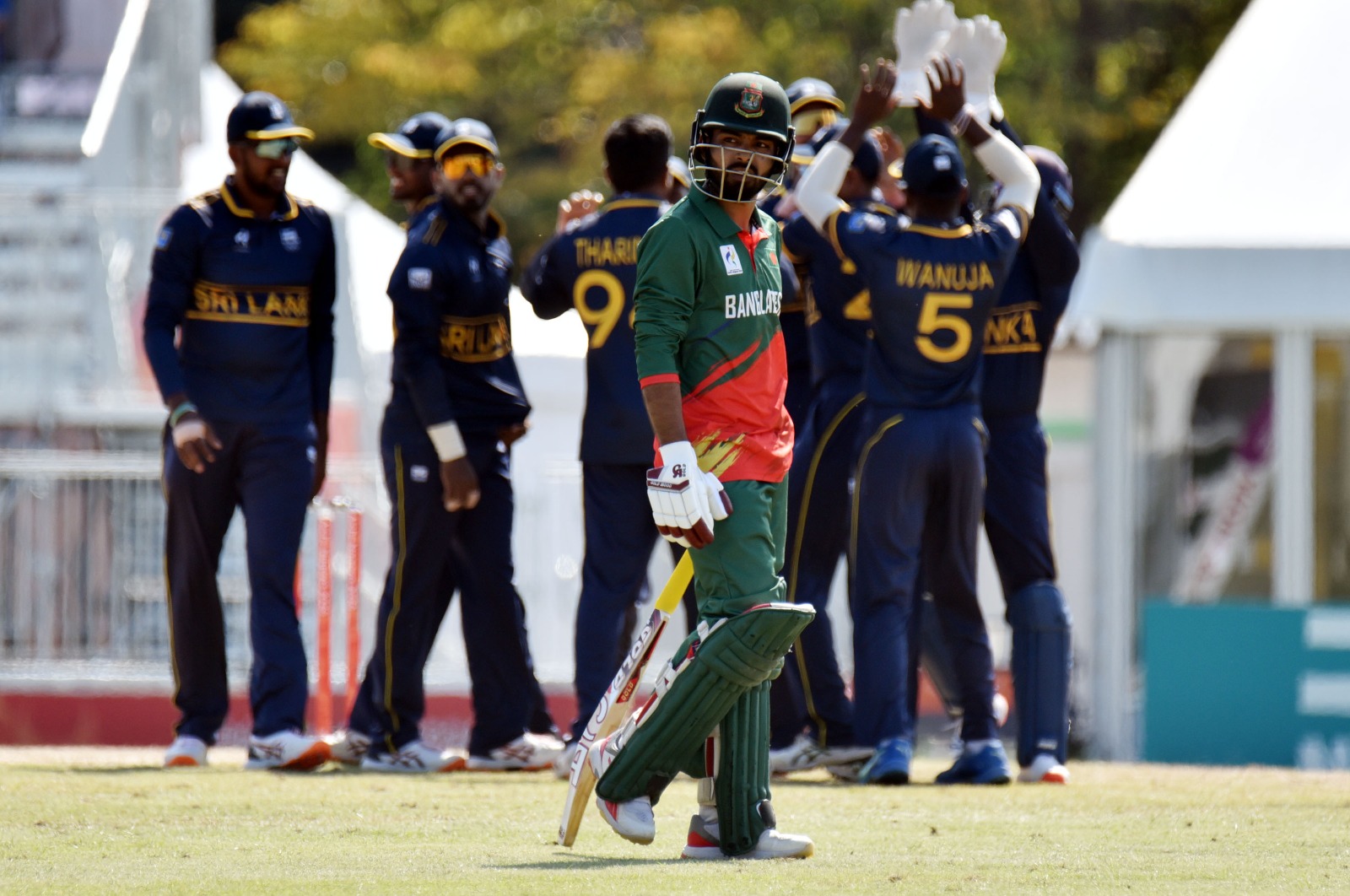
A full-strength side arrived in Japan chasing gold but will return empty-handed after losing both matches that mattered, to Pakistan in the semifinal and then, most painfully, by 63 runs to a second-string Sri Lanka in the bronze-medal playoff.

The result ended Bangladesh's run of Asian Games cricket medals dating back to 2010 and exposed a side that failed when the stakes were highest. The bronze offered a route out after the semifinal defeat. Instead, Bangladesh produced another shambolic batting display.
The historic failure set the tone for an uncomfortable post-match press conference, where captain Litton Das faced questions over his own performance, the team's approach and whether Bangladesh's cricketers had taken the Games too lightly.
Litton was asked whether the team, despite receiving considerably more facilities and support than athletes from many other sports of his country, had shown enough responsibility. He was also confronted with questions about players being seen outside the team environment close to match days, with the suggestion that Bangladesh may not have treated the Games with the same seriousness as a bilateral series or major tournament.
Litton pushed back.
He argued that the squad had not been provided with adequate practice facilities and that there had also been problems with the food available to the players.
“When you play cricket, many things are required. You need practice. Was there any practice facility here? No,” he said.
“If we had the option of practising, perhaps you would have seen us on the field practising all the time. But there was no option. That's it.”
When a journalist pointed out that Pakistan and Sri Lanka had faced the same conditions but produced far better performances, Litton acknowledged the obvious: Bangladesh had simply not played good cricket.
Asked whether that failure would see him resign, he replied: “No, I do not want to resign. There are ups and downs in cricket. One day things will go well, another day they will go badly. There is no reason to resign over this.”
The questioning continued, with a journalist arguing that expectations were higher because of the privileges and resources afforded to Bangladesh's cricketers.
Litton eventually snapped back: “What should I do then? Tell me.”
When told that he should resign and admit that he had failed, the captain responded sarcastically: “Should I resign? Fine, I have resigned from the Asian Games.”
The confrontation was uncomfortable, but so was the cricket that had prompted it.
On Saturday, Sri Lanka posted 165 for nine, with Tharindu Ratnayake smashing 65 off 32 balls after Bangladesh's promising start with the ball unravelled. The chase was worse: four wickets fell for 18 runs inside 3.5 overs, including ducks for Saif Hassan, Tanzid Tamim and Litton, before Bangladesh were bowled out for 102 in 17.3 overs.
Litton's own contribution across the two matches was two runs and a golden duck.
 For all latest news, follow The Daily Star's Google News channel.
 There were logistical problems at the Games, and Litton made sure they were heard. But they could not disguise the central failure: Bangladesh had the players, experience and opportunity to win a medal, yet failed when it mattered.
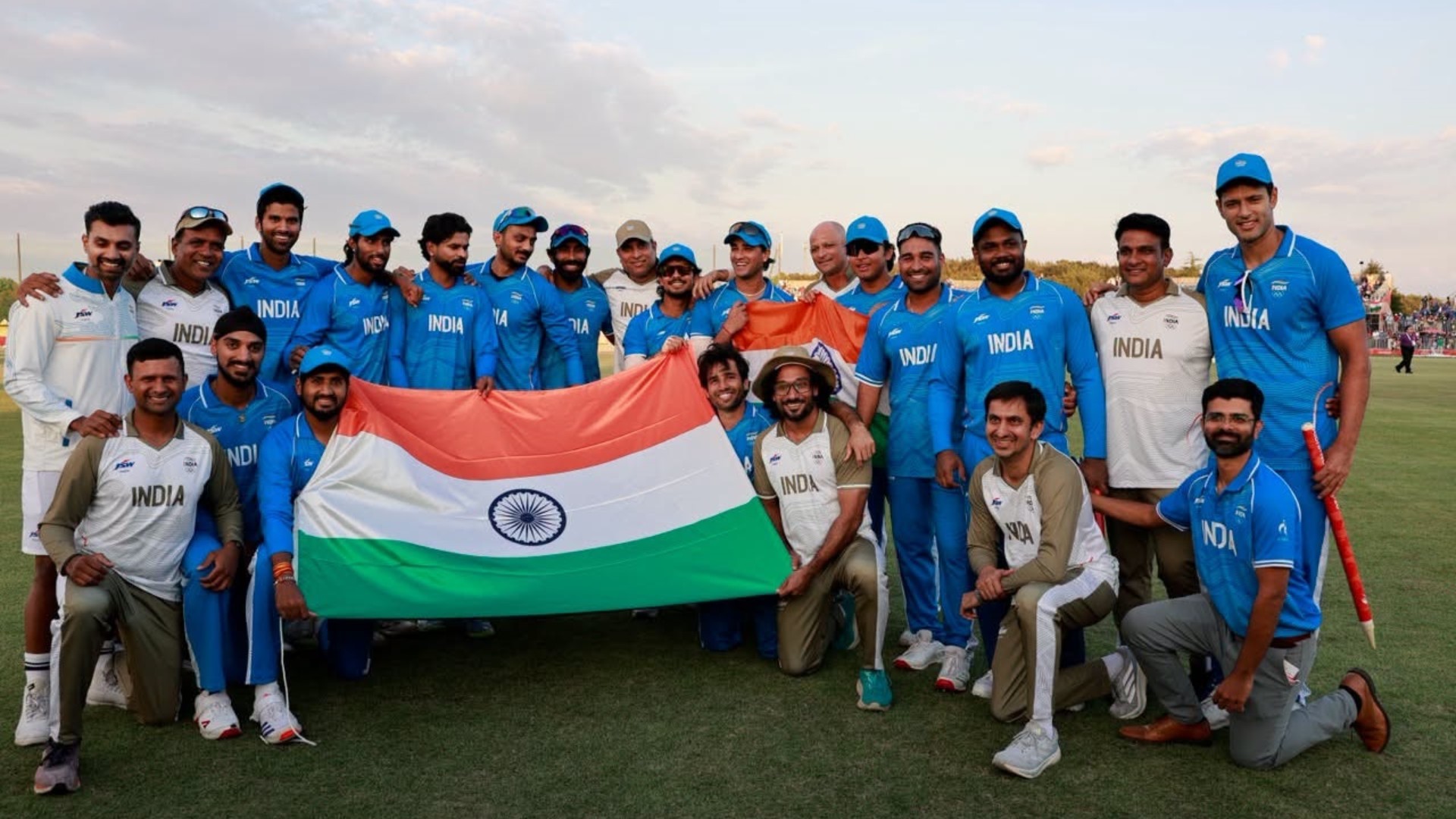
The contrast with India could hardly be starker. India have now won back-to-back Asian Games cricket gold medals, doing so in their first two appearances. This time, they completed a double, with both their men's and women's teams taking gold.
Bangladesh, meanwhile, saw a proud regional legacy reduced to rubble.
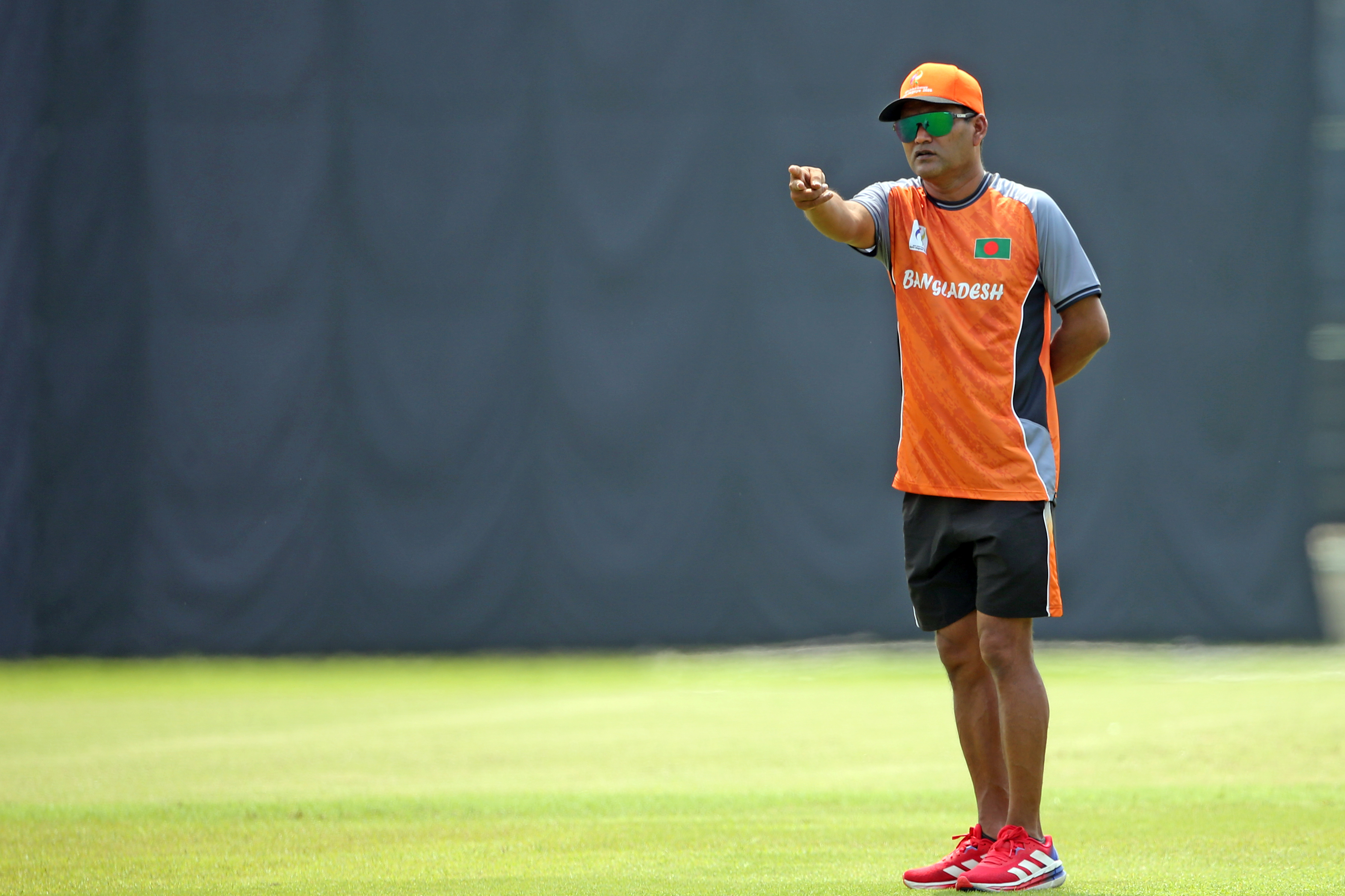
While the captain deflected, coach Mohammad Salahuddin had no such hesitation in assessing the outcome.
“To be honest, we are deeply ashamed. As a coach, I feel that we have failed, and we have not been able to deliver what was expected of us. It is very disappointing, and I want to apologise to the entire nation,” he said.
Comments