Can Bangladesh capitalise on the Bay of Bengal’s strategic rise?

The Bay of Bengal is emerging as a strategic hotspot in the Indo-Pacific and a focal point of great-power competition. It hosts vital sea lanes and natural resources while playing an increasingly important role in energy security, connectivity, maritime security and the wider regional economy.
Bangladesh sits on the Bay of Bengal and plays an important role in the physical and economic connections between South Asian and Southeast Asian countries. It has major ports in Chattogram and Mongla, as well as the emerging deep-sea port of Matarbari, which can actively support maritime trade and connectivity, as well as regional supply chains. These expanding port facilities and multimodal transport links could improve access to the hinterlands of Northeast India, open up new economic opportunities for Nepal and Bhutan, and strengthen Bangladesh’s connectivity with Myanmar and Southeast Asia. The challenge is to turn this geographical advantage into sustainable economic gains without intensifying strategic competition or undermining the benefits of greater regional cooperation.
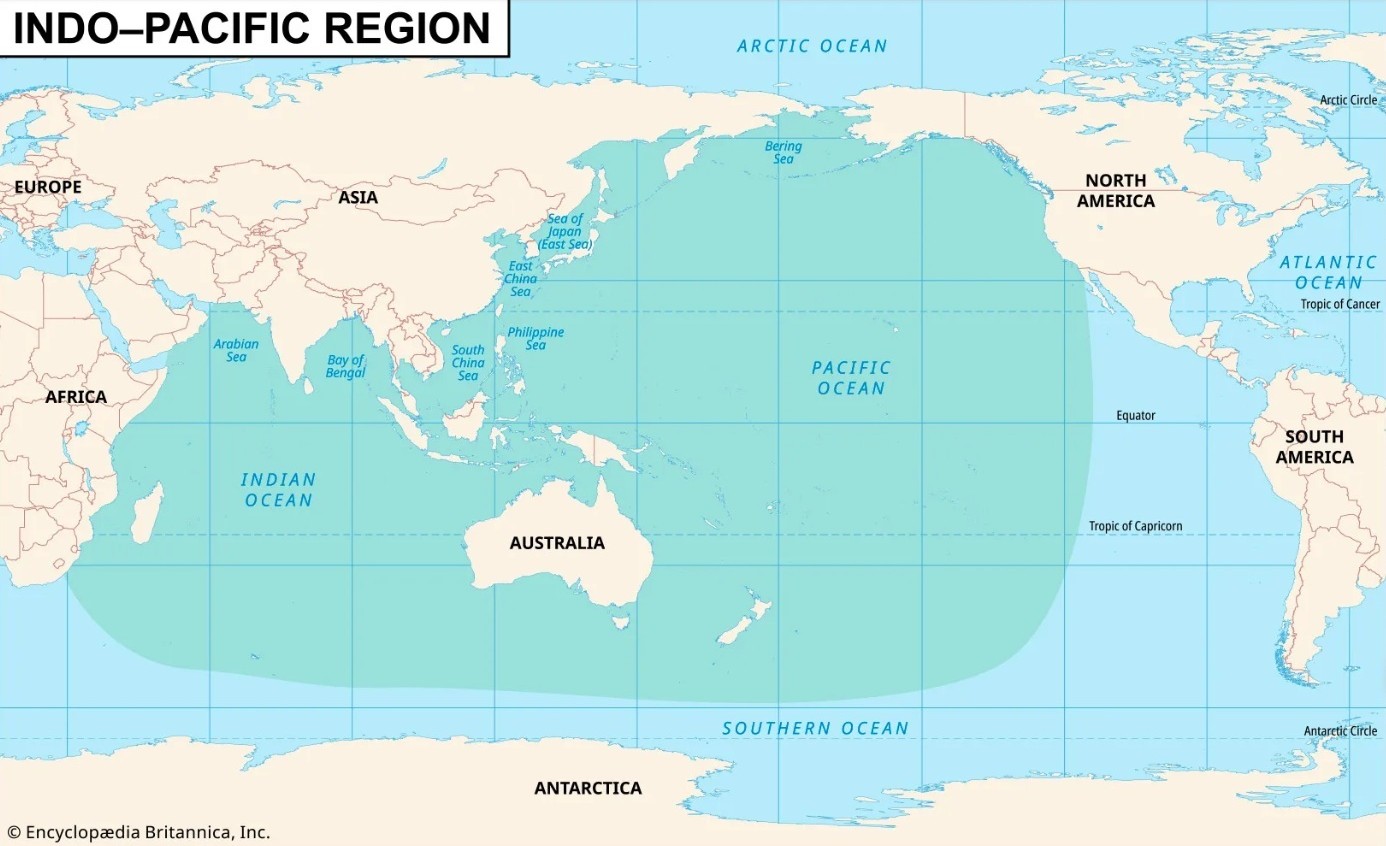
The Bay of Bengal’s growing strategic significance has inevitably drawn the attention of major powers. For India, the Bay is central to its maritime security and its wider Indian Ocean strategy. New Delhi has strengthened coastal surveillance and naval capabilities while placing greater emphasis on maritime connectivity and regional cooperation. India’s geography gives it an important role in shaping developments in the Bay, but the region is not India’s domain alone. Any viable regional architecture must also accommodate the interests and concerns of Bangladesh, Myanmar, Sri Lanka, Thailand and other countries in the region.
China, meanwhile, has steadily expanded its presence around the Bay of Bengal through trade, infrastructure and connectivity projects, including those under the Belt and Road Initiative (BRI). For Beijing, greater maritime connectivity offers opportunities to diversify trade and energy routes while deepening economic ties with South Asia and the wider Indian Ocean region. China has therefore become an important part of the Bay’s changing geopolitical landscape.
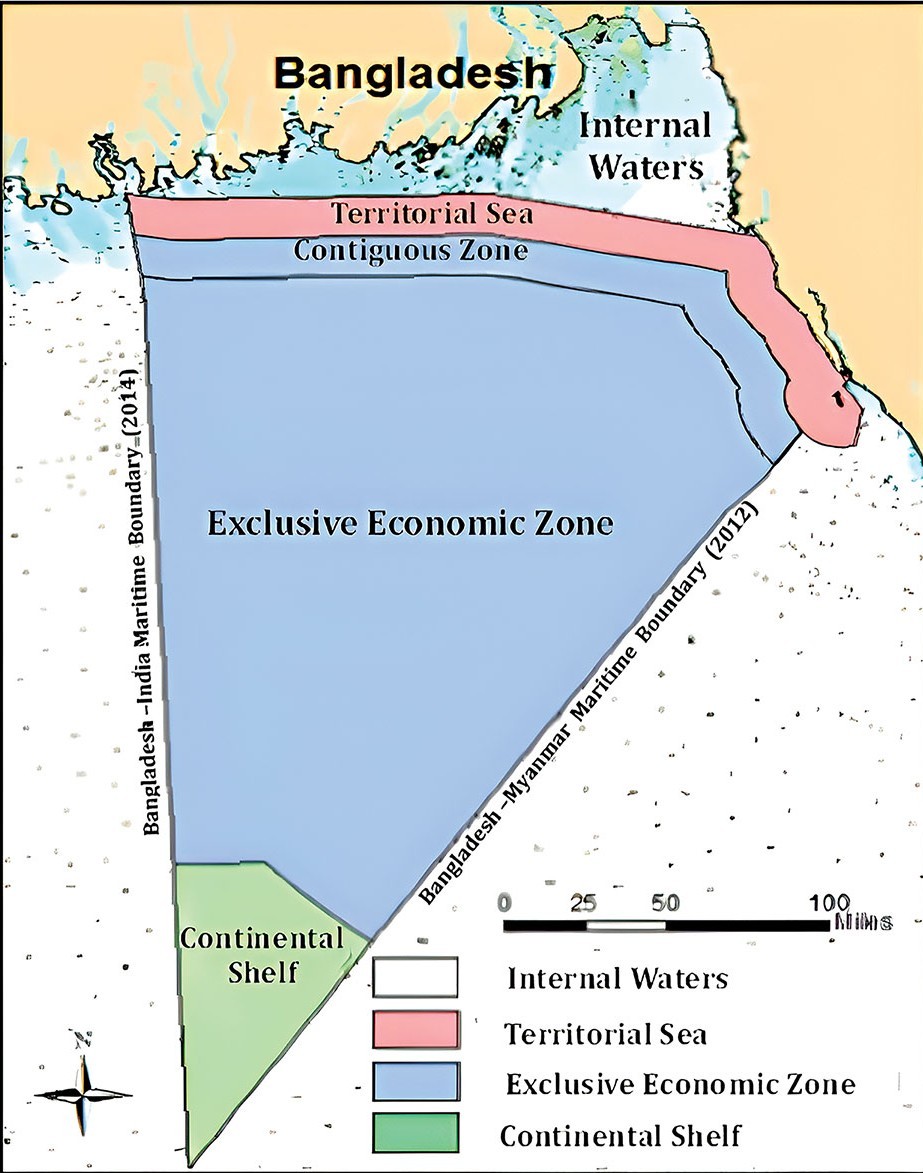
The United States increasingly views the Bay of Bengal within the broader framework of its Indo-Pacific Strategy (IPS). Washington has interests in maintaining open sea lanes, freedom of navigation, maritime security and resilient supply chains. It has also expanded maritime partnerships and military exercises with countries across the region.
Amid intensifying great-power competition, the countries of the Bay of Bengal can strengthen their collective agency by building a more cohesive regional community based on economic cooperation, connectivity and joint action on shared challenges. Home to more than 1.7 billion people and economies worth an estimated US$7 trillion, the region has considerable potential for deeper economic integration. Greater cooperation could also strengthen links between South Asia and Southeast Asia, positioning the Bay of Bengal not as a dividing line between the two regions, but as a bridge connecting them.
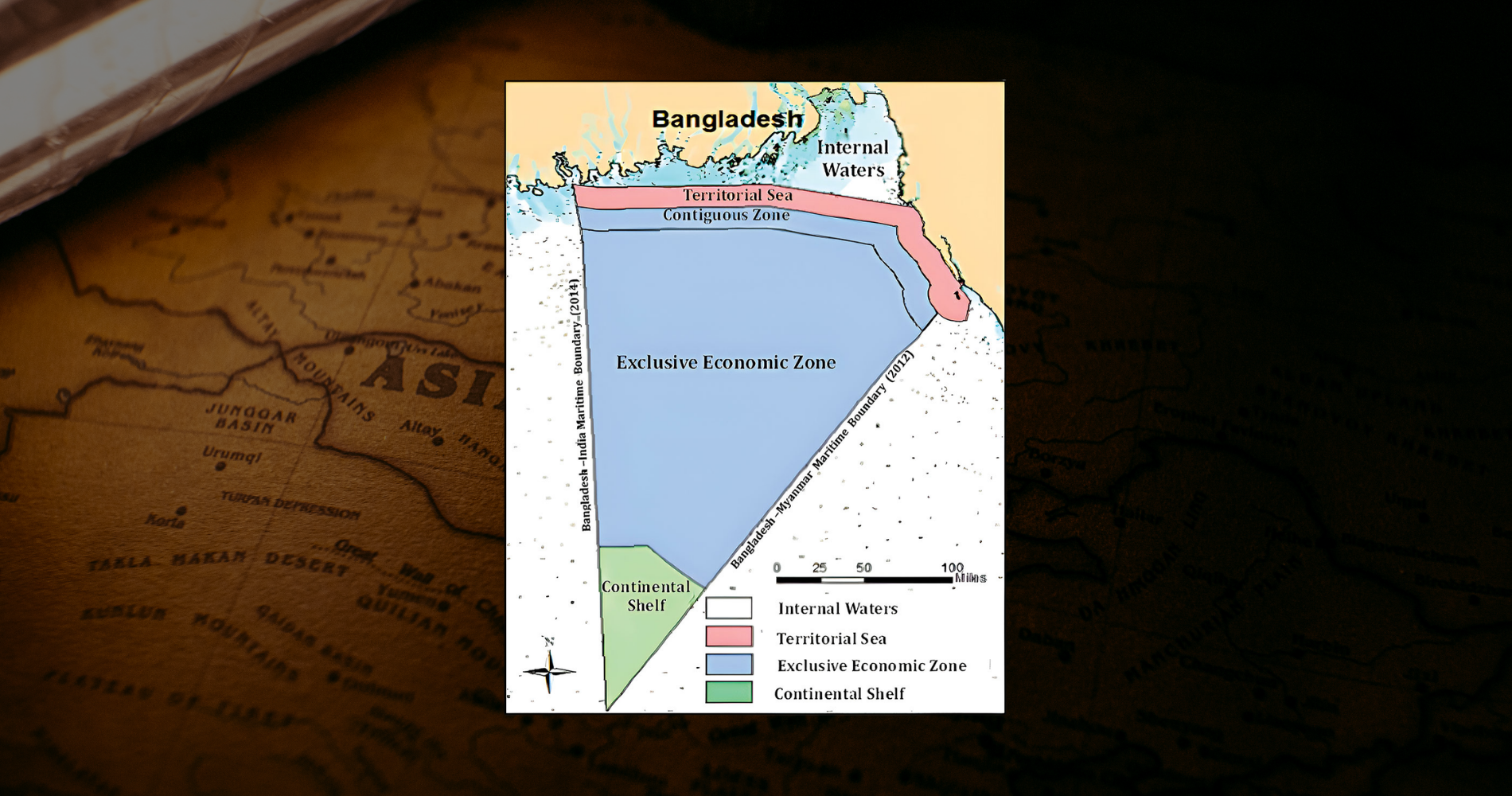
The Bay of Bengal Initiative for Multi-Sectoral Technical and Economic Cooperation (BIMSTEC) already provides an institutional platform for such cooperation. Established in 1997, it brings together Bangladesh, Bhutan, India, Myanmar, Nepal, Sri Lanka and Thailand. With members spanning South and Southeast Asia, BIMSTEC has considerable potential to bring the two regions closer together. Yet its performance has often fallen short of its strategic promise. To become more effective, it needs stronger institutional capacity, better mechanisms for implementing agreements and a greater emphasis on practical areas of cooperation.
Whether the Bay of Bengal becomes a space of strategic competition or one of shared development will ultimately depend on the choices made by the countries of the region. On peace, connectivity, development and environmental protection, much will depend on their willingness to recognise that shared interests can outweigh differences.
There is also a broader question of whether BIMSTEC’s current configuration adequately reflects the economic and strategic geography of the Bay of Bengal. Despite their considerable economic interests and close connections to the Bay’s maritime routes and the wider Indo-Pacific, important regional states such as Indonesia, Malaysia and Singapore are not BIMSTEC members. Building a more comprehensive Bay of Bengal community through greater economic cooperation is therefore likely to be an incremental process. Such a community need not resemble the European Union. Instead, it could adopt a functional approach centred on shared and immediate interests.
For Bangladesh, the transformation of the Bay of Bengal presents an opportunity that should not be missed. Its geographical position gives it the potential to serve as an important link between the two regions. But geography alone cannot deliver that advantage. Bangladesh needs to invest in modern port infrastructure, efficient customs procedures, multimodal transport, marine research, fisheries management and maritime resilience. Improving maritime domain awareness and strengthening institutional coordination across the maritime sector will be equally important. At the same time, Bangladesh’s foreign policy must carefully navigate relations with competing major powers.
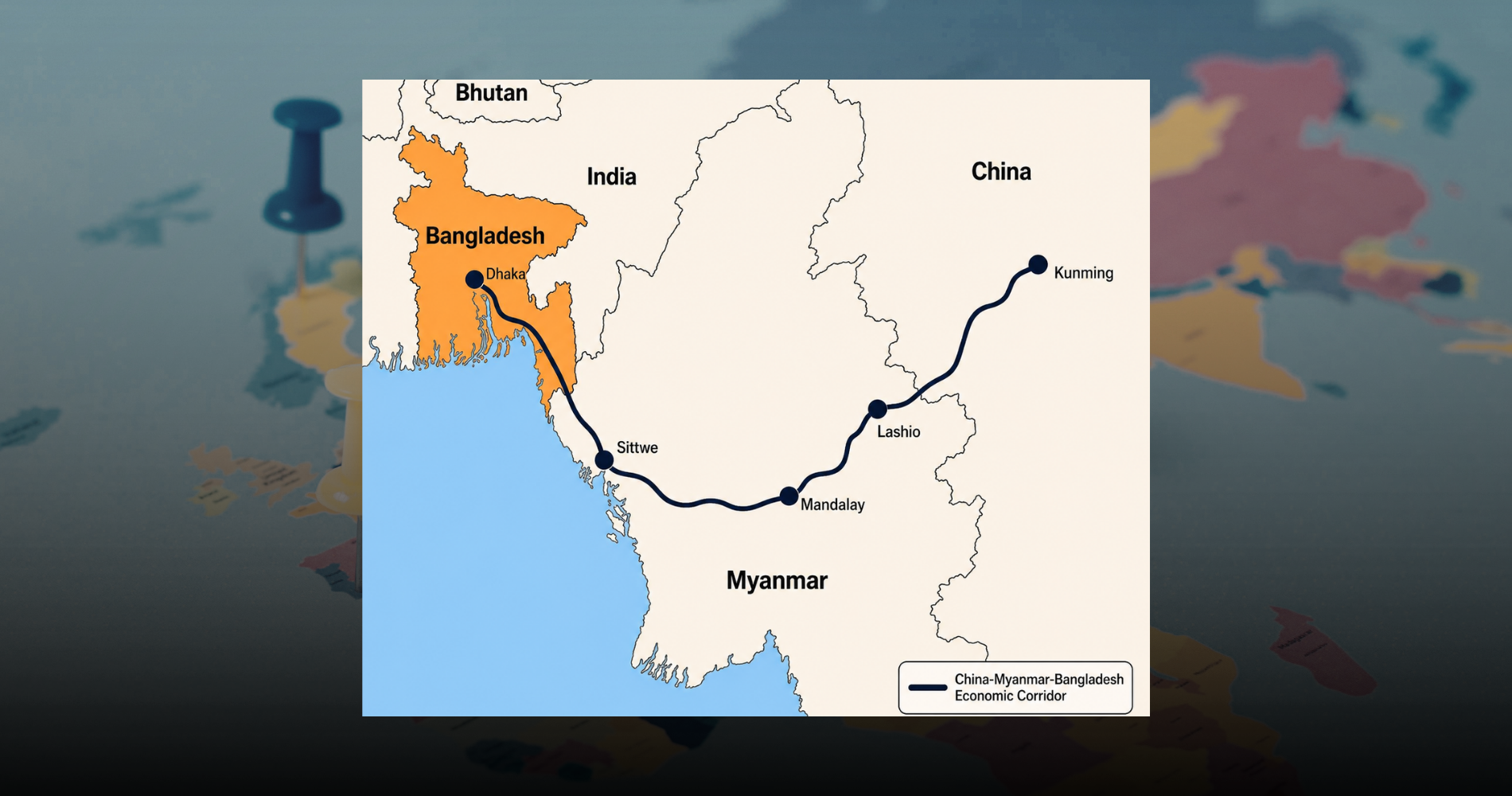
Bangladesh’s national interest is better served by building constructive and mutually beneficial relationships with a range of global and regional powers rather than becoming dependent on any single country. Preserving strategic autonomy will require Dhaka to navigate its relations with China and India, the United States and Japan, the European Union and other important partners. Each relationship offers different opportunities in trade, investment, infrastructure, technology, development cooperation, security, education and other areas. A diversified foreign policy would also give Bangladesh greater flexibility as regional and global dynamics continue to change.
Such an approach should not be mistaken for passivity. Strategic autonomy requires an active foreign and maritime policy that places national development priorities at its centre. Bangladesh can attract investment and develop connectivity with multiple partners in a transparent and economically sustainable manner while retaining the autonomy to make decisions based on its own national interests. The “Bangladesh First” principle should therefore guide how Dhaka engages with competing powers and evaluates opportunities in the Bay of Bengal.
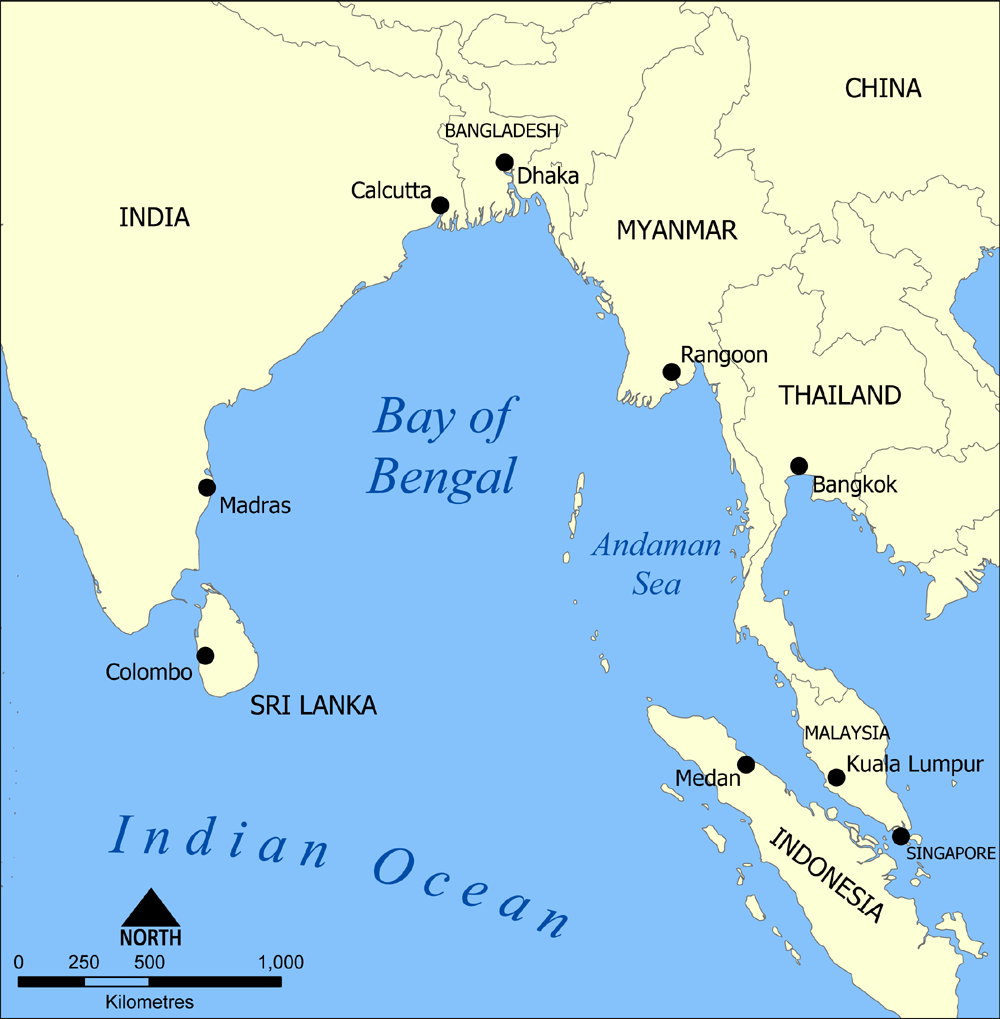
The Bay’s growing strategic importance consequently presents Bangladesh and the wider region with both an opportunity and a responsibility. As great-power rivalry intensifies, the Bay could increasingly become a theatre of strategic competition. But if regional states prioritise cooperation, it could instead emerge as a major driver of economic integration across the Indo-Pacific. A stronger community around the Bay could facilitate trade and maritime connectivity while promoting environmental protection, disaster preparedness and response, and the sustainable use of marine resources. BIMSTEC, IORA and other regional organisations can help advance this agenda, while deeper integration between South and Southeast Asia could help overcome some of the divisions that have historically limited regional cooperation.
Whether the Bay of Bengal becomes a space of strategic competition or one of shared development will ultimately depend on the choices made by the countries of the region. On peace, connectivity, development and environmental protection, much will depend on their willingness to recognise that shared interests can outweigh differences. A more cooperative Bay of Bengal would not only benefit the countries around it, but could also contribute to a more peaceful, connected and sustainable Indo-Pacific.
Dr Sujit Kumar Datta is Professor in the Department of International Relations at the University of Chittagong, Bangladesh, and Director of the Hong Kong Research Center for Asian Studies-Bangladesh Center (RCASBC). He can be reached at datta.ir@cu.ac.bd.
Send your articles for Slow Reads to slowreads@thedailystar.net. Check out our submission guidelines for details.

Who pays for Israel’s nuclear dominance?

How much higher can oil prices go?

Beyond the ‘end of history’ and the ‘clash of civilisations’ / What kind of world order is emerging?

The South Korea opportunity Bangladesh is overlooking

Geopolitical ghosts and the United Nations
BRICS is bigger, but can it deliver?

Can Tarique Rahman’s plan break the Rohingya repatriation deadlock?

Diplomacy in a turbulent world: How Bangladesh should navigate bilateral ties and regional platforms

What is the UN still good for?