


Dawn in Bangladesh, dusk on Messi’s blue-and-white magic
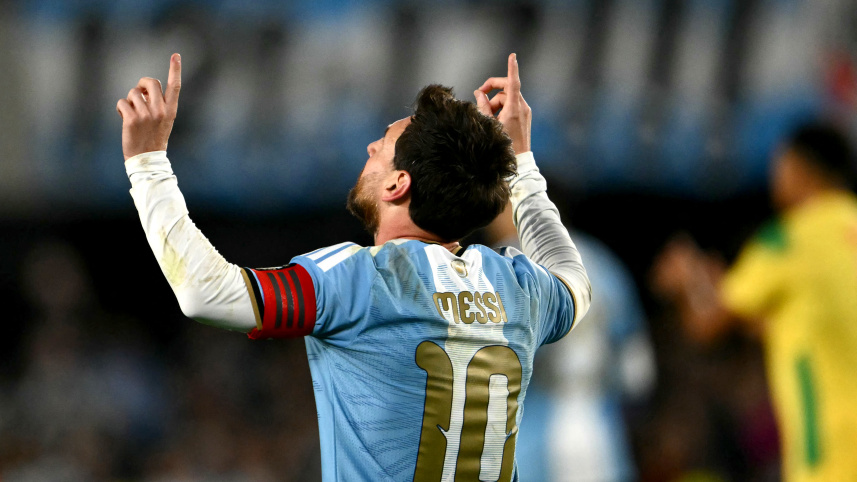
It was around 5am in Bangladesh when Lionel Messi walked onto the pitch for the final time in Argentina’s blue and white. For many here, the hour was inconvenient but the decision was easy. Sleep could wait. Messi could not.
Across Bangladesh, people were watching from beds, sofas and quiet living rooms, knowing that this was the last time they would see him play for the country that had become inseparable from his name. In Buenos Aires, meanwhile, the Estadio Monumental was overflowing with supporters who had come to say goodbye in person.

Across Bangladesh, people were watching from beds, sofas and quiet living rooms, knowing that this was the last time they would see him play for the country that had become inseparable from his name.
For almost half his life, Messi had been a constant. He had been there through the heartbreak of lost finals, the criticism that followed him for years, the triumphs that finally changed everything and the World Cup victory in Qatar that completed his story with Argentina. For a generation of football fans, there was no Argentina without Messi. Suddenly, there was going to be one.
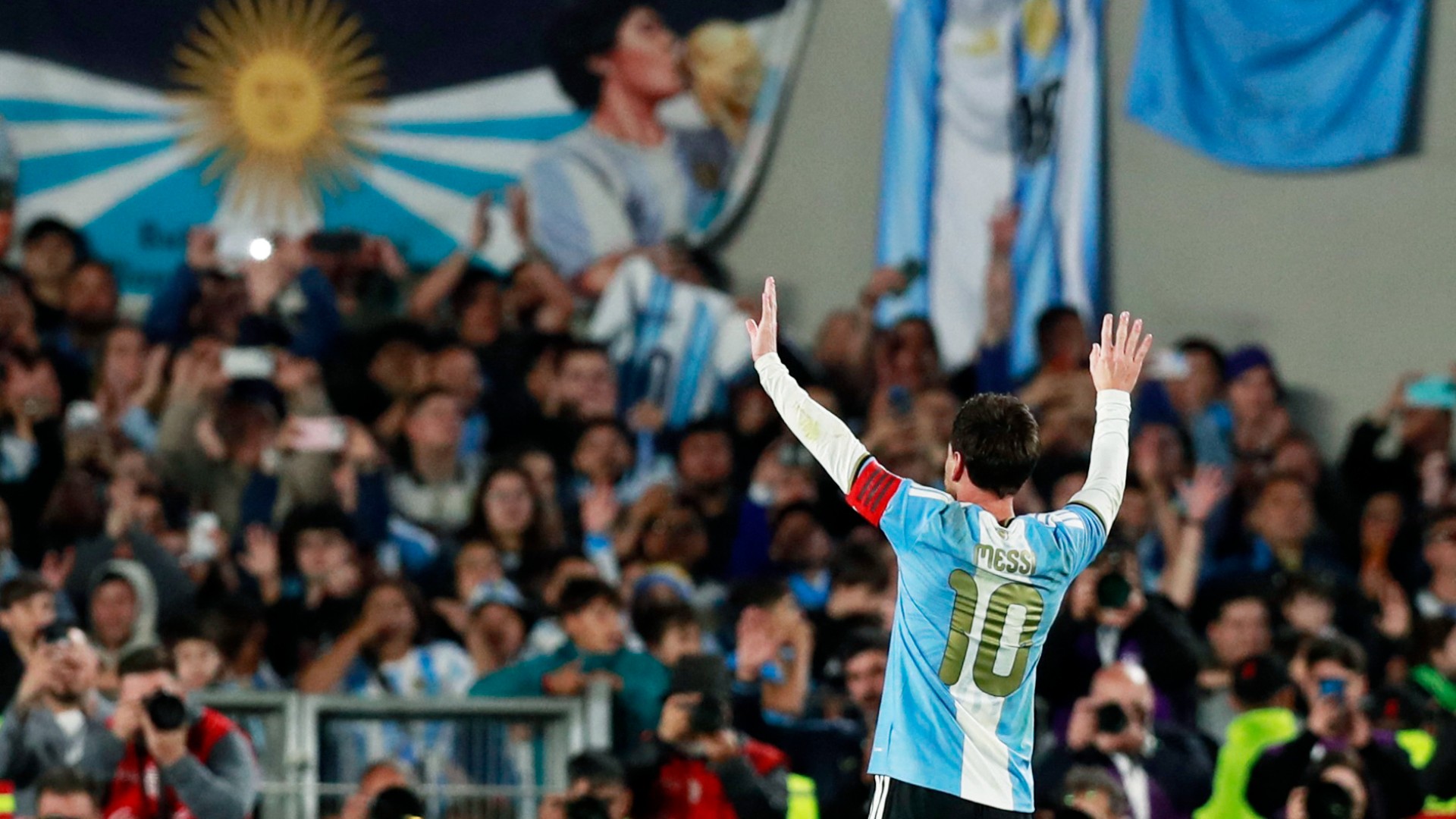
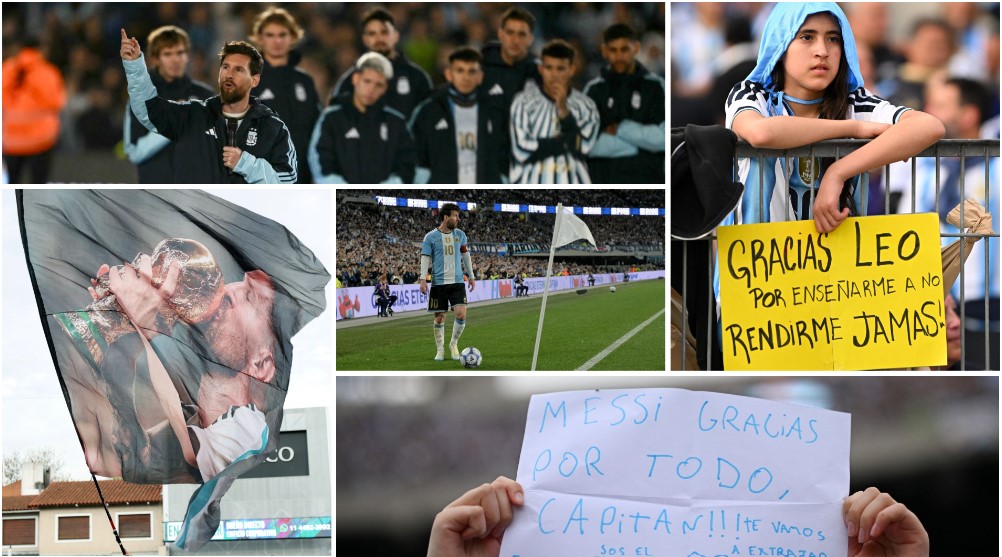
The match itself was an exhibition against Benin, but nobody inside the Monumental was there simply to watch a friendly. The pitch carried a giant Argentina shirt with Messi’s No. 10 on the back and one word where his name should have been: “Gracias”. Thousands had lined the streets to follow the team bus, while inside the stadium the fans sang Messi’s name long before kick-off.
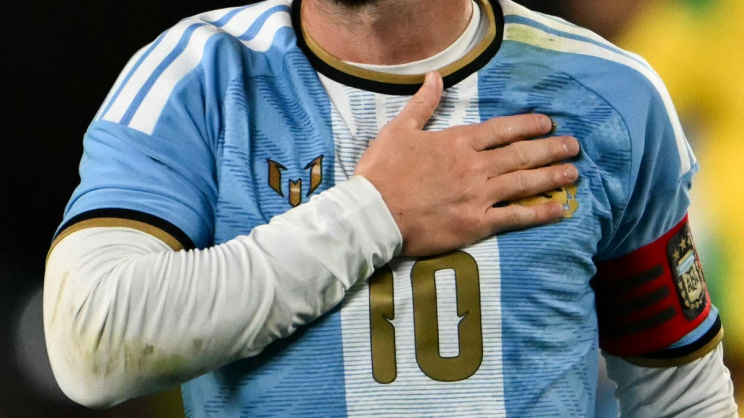
The football, fittingly, gave them one final memory. Messi played a full 90 minutes in his 208th and final appearance for Argentina, assisting Nicolás Otamendi for the opening goal and Nico Paz for the second before scoring the third himself from the penalty spot in the 70th minute. Argentina won 3-0, and Messi left with one final goal for his country, taking his international tally to 126.
But even those numbers do not quite capture what Messi was doing on the pitch. At 39, in a match that was supposed to be a farewell, he was still playing as though there was something left to prove. He led everyone on the pitch for shots, shots on target, touches in the opposition box, chances created and dribbles -- nine shots, five on target, 12 touches in the box, four chances created and four dribbles.
At 39, in a match that was supposed to be a farewell, he was still playing as though there was something left to prove. He led everyone on the pitch for shots, shots on target, touches in the opposition box, chances created and dribbles -- nine shots, five on target, 12 touches in the box, four chances created and four dribbles.
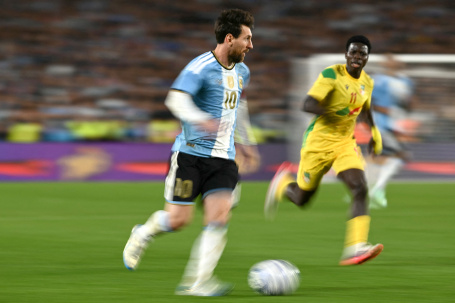
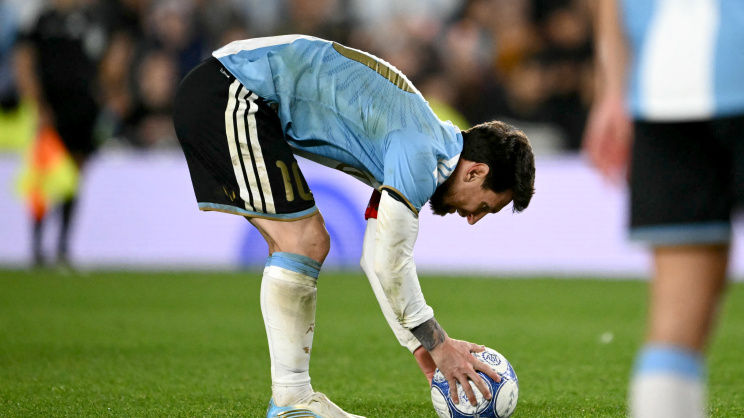
It was almost absurd. One goal, two assists and a statistical sweep of the game, even on the night he was supposed to be saying goodbye. The figures simply gave a name to what football fans had spent years recognising: Messi could still make a football pitch feel like his own.
His magic was never only about the goals or the trophies. It was the anticipation when he received the ball, the way a stadium seemed to lean forward because something might happen. A defender could know exactly what Messi wanted to do and still find himself beaten by the smallest touch, the quickest change of direction or a pass through a gap that had seemed not to exist. He could slow a game down, accelerate it in an instant and make the extraordinary look almost ordinary.
For 21 years, the blue and white had been the stage for that magic.
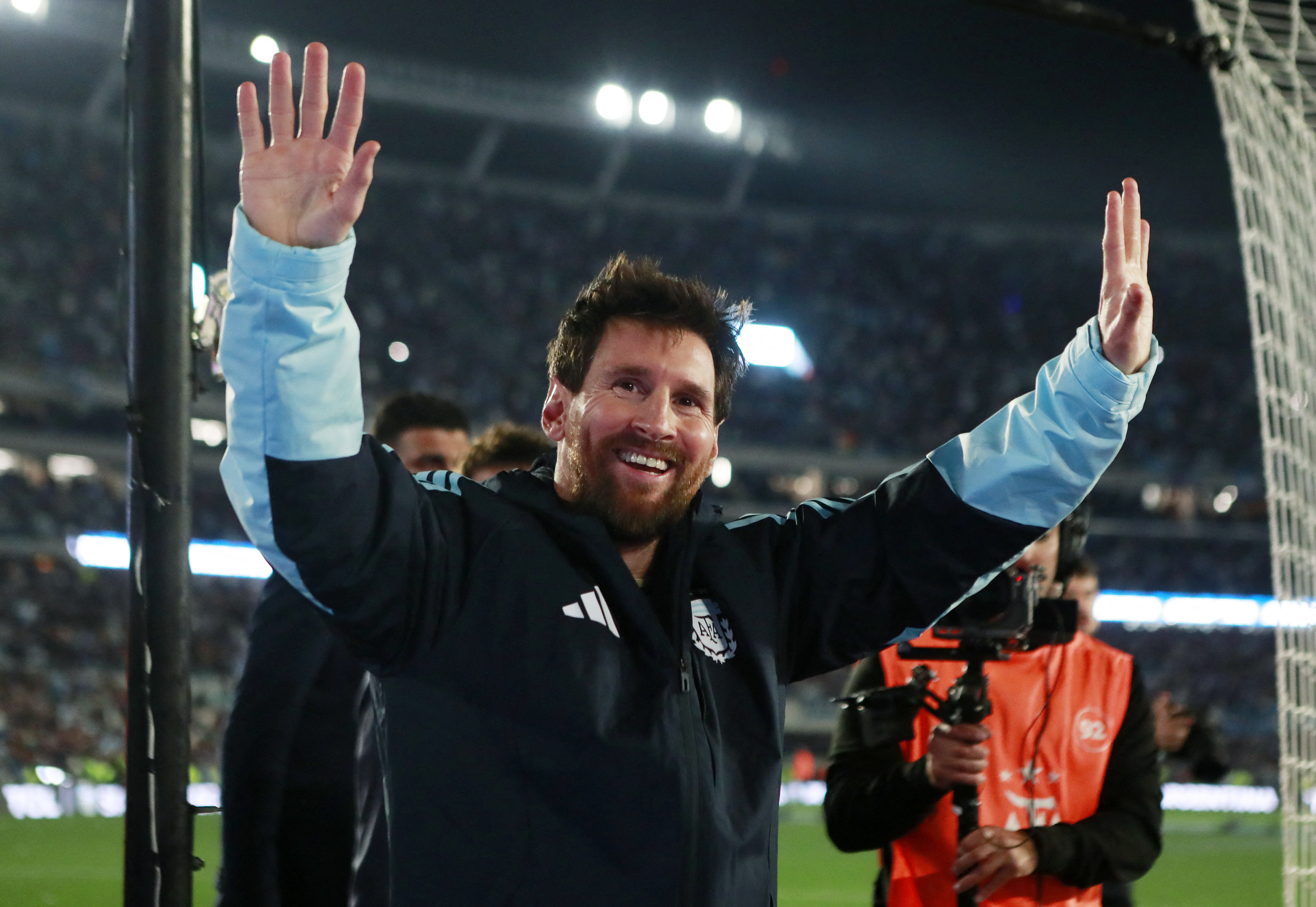
His magic was never only about the goals or the trophies. It was the anticipation when he received the ball, the way a stadium seemed to lean forward because something might happen. A defender could know exactly what Messi wanted to do and still find himself beaten by the smallest touch, the quickest change of direction or a pass through a gap that had seemed not to exist. He could slow a game down, accelerate it in an instant and make the extraordinary look almost ordinary.
Messi made his Argentina debut in August 2005, before the iPhone, Instagram or Uber existed. Since then, he had played through generations of footballers, coaches and supporters. He had grown from a gifted teenager into the country’s captain, survived the pain of four major final defeats, endured years of criticism and eventually reached the other side of it all.
The Copa America in 2021 changed the feeling around him. The World Cup in Qatar in 2022 completed the dream. Another Copa América followed in 2024. The player who had once been asked why he could not reproduce his Barcelona brilliance in Argentina had become the man carrying the World Cup back to Buenos Aires.
And now, finally, came goodbye.
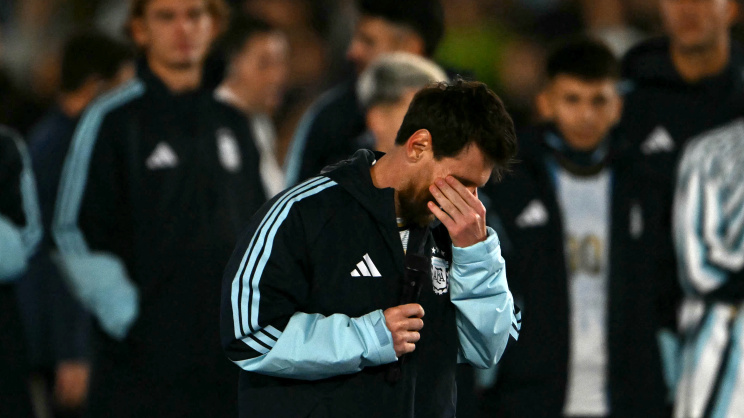
Before kick-off, Messi’s sons Thiago, Mateo and Ciro joined him on the pitch. His wife Antonela and mother Celia watched from the stands. Lionel Scaloni, the coach who had been beside Messi through the greatest chapter of his international career, struggled to contain his emotions during the national anthem. Even Emiliano Martínez had an “M” carved into his haircut.
The details kept making the same point: this was not simply the end of another international match. It was the end of something that had become woven into people’s lives.
 For all latest news, follow The Daily Star's Google News channel.
 After the final whistle, Messi admitted that not coming back to play for Argentina would hurt. If it were up to him, he said, he would play for the national team for the rest of his life because representing Argentina was the most beautiful thing that could happen to him.
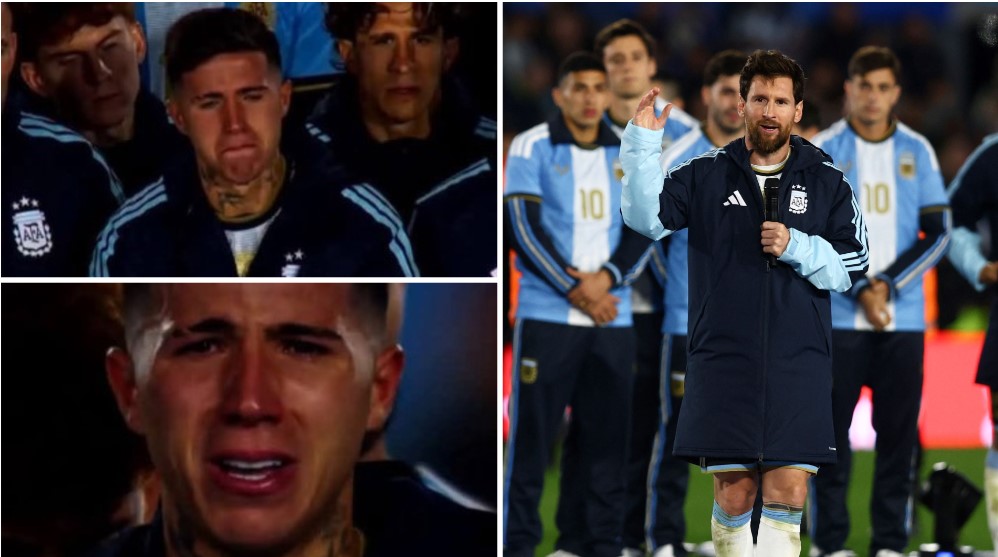
Then he spoke about his father, Jorge, who died only two months earlier. On a night built around Messi’s farewell, his thoughts went first to the man who had been there long before the trophies, the records and the fame.
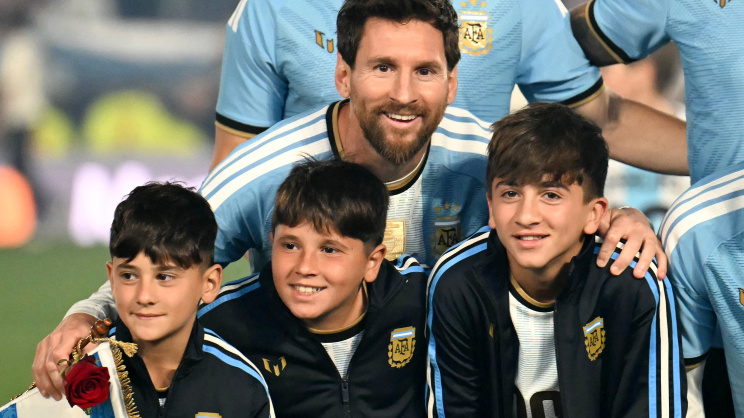
There was also his son Thiago, overwhelmed by the emotion of the moment, with Messi consoling him on the pitch. Soon after, footage emerged of Messi appearing to cry as the team bus moved through Buenos Aires, where thousands had gathered simply to see him one last time.
It was a fittingly Argentine farewell for a player who had spent his career creating scenes that felt larger than football. In Rosario, a giant No. 10 jersey was flown over the city by helicopter. At the Monumental, supporters continued singing. Even Benin’s players wanted photographs and embraces after the final whistle.
Messi has not disappeared from football. He will continue playing for Inter Miami, with his club contract running through the end of the 2028 season. There will be more matches, more goals and perhaps more moments that remind us why he became Messi.
But there will be no more of them in Argentina’s blue and white.
There will be another No. 10. Another captain. Another generation to inherit the shirt. But there will never again be the first time Messi walks onto the pitch for Argentina, never again that familiar anticipation when he receives the ball and an entire stadium rises because it knows something might happen.
There will be another No. 10. Another captain. Another generation to inherit the shirt. But there will never again be the first time Messi walks onto the pitch for Argentina
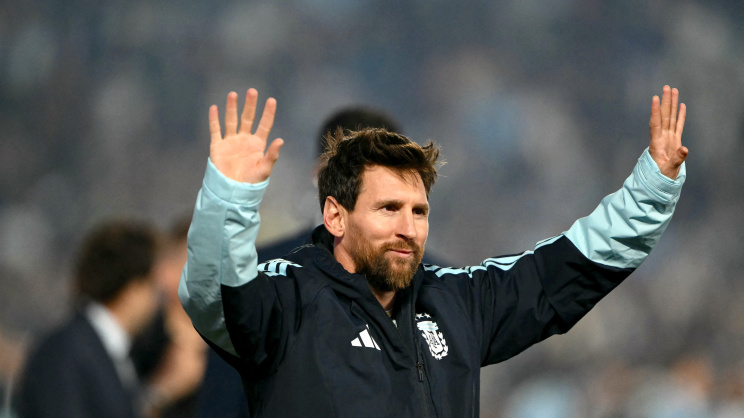
For those who stayed awake in Bangladesh at five in the morning, for those who grew up setting alarms for World Cups and staying up late for Barcelona, for those who watched him lose before watching him finally win, the final whistle carried a strange truth.
The footballer will play on. The memories will too. But the blue and white now belongs to the past of Lionel Messi’s story. And for a generation that could barely remember Argentina without him, that is perhaps the hardest part to accept.
Comments