


A lifetime in 90 Minutes: Messi’s monumental goodbye

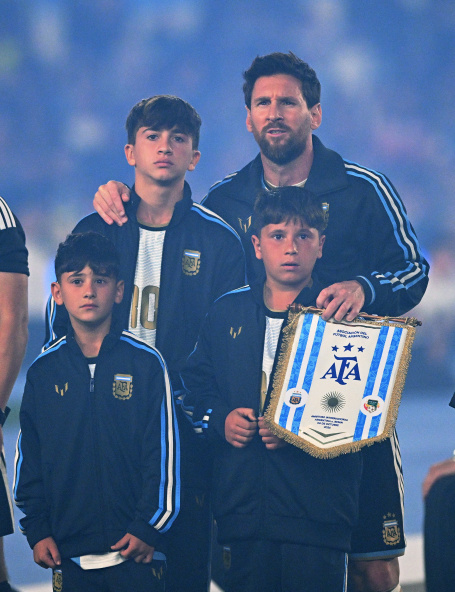
For a few seconds yesterday, Lionel Messi stood still. The Argentine anthem echoed around the Monumental, his three sons beside him, family watching from the stands and 85,000 people singing for a man who had given them so much to sing about. Visibly emotional, Messi looked towards the pitch, taking in a lifetime of memories before stepping into the final 90 minutes of his Argentina career.
Then the ball moved, and somehow, he was still Messi.

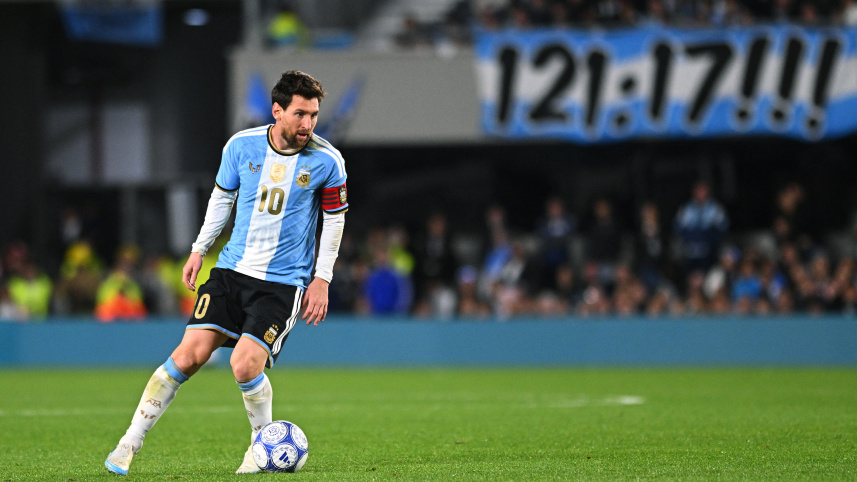
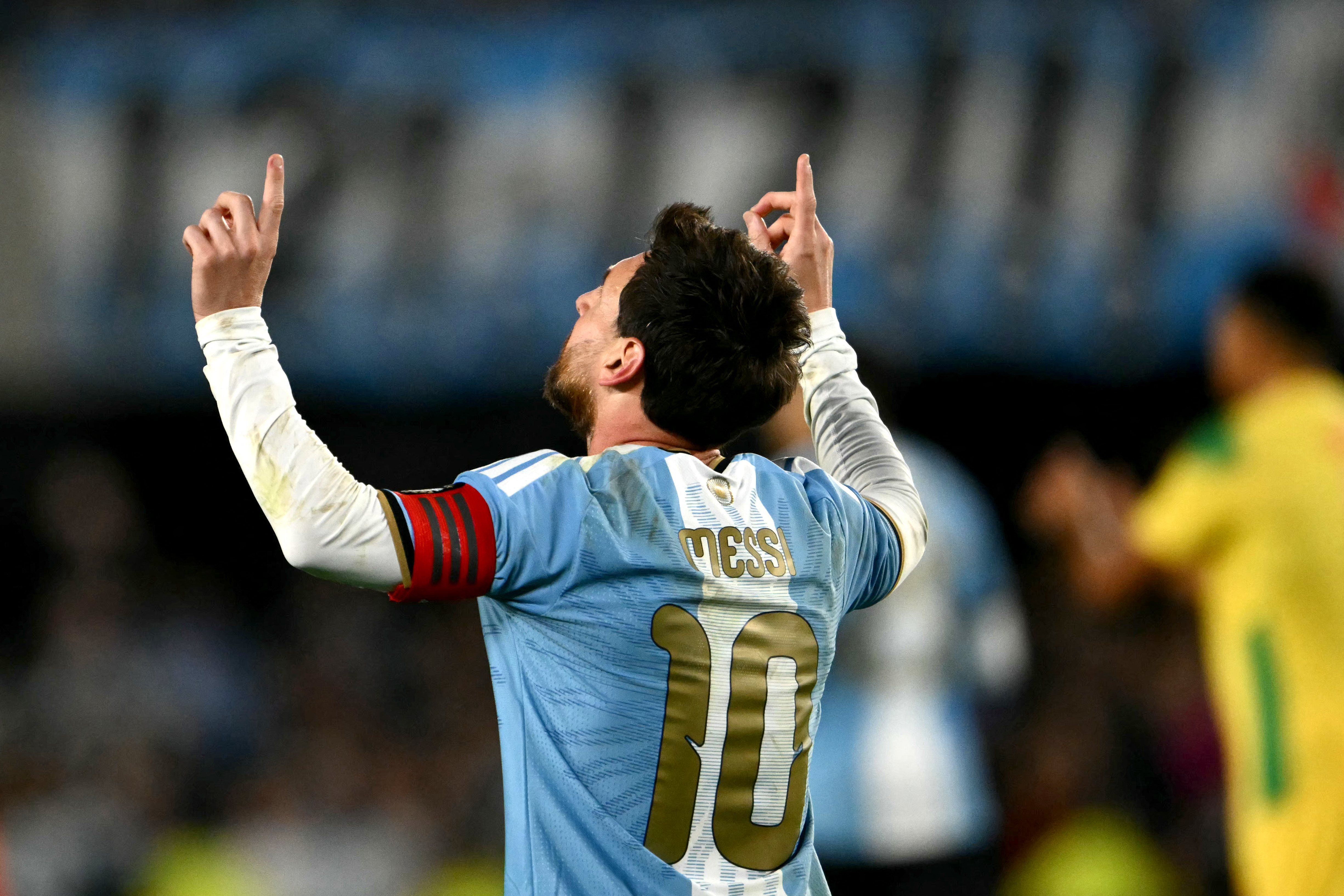
At 39, in his 208th and final appearance, he played the full match against Benin, assisting Nicolás Otamendi for the opener, setting up Nico Paz for the second and scoring the third from the penalty spot. Argentina won 3-0, Messi took his international tally to 126, and even on a night built around goodbye, he looked completely at home in the blue and white.
For almost half his life, Messi had been a constant for Argentina. His story had brought heartbreak and criticism, then triumph and glory. On Wednesday night, those two sides seemed to meet: the tears before kick-off and the football once the game began, followed by the gratitude after the final whistle.
His story had brought heartbreak and criticism, then triumph and glory. On Wednesday night, those two sides seemed to meet: the tears before kick-off and the football once the game began, followed by the gratitude after the final whistle.
The journey was anything but simple.
At 18, Messi inherited expectations that had little to do with the player he was and everything to do with the legends who came before him. Argentina had Alfredo Di Stefano and Diego Maradona. Messi was expected to follow them, and every failure was measured against a standard that seemed impossible at the time.
He was left on the bench during the 2006 World Cup quarter-final against Germany, watched a gifted generation fall apart in 2010 and then lost the 2014 World Cup final and the Copa America finals of 2015 and 2016. At the 2011 Copa America, he was booed in Santa Fe, in his own province. After the 2016 defeat to Chile, he walked away from international football.
There were years when Argentina seemed determined to ask why Messi could not be the player they wanted instead of appreciating the one they had. Yet he kept coming back.
Under Lionel Scaloni, the relationship began to change. The 2019 Copa offered hope; the 2021 Copa brought release as Messi finally won a major international title, beating Brazil at the Maracana. Then came the Finalissima, Qatar 2022 and another Copa in 2024. The player who had once been questioned became the captain who brought Argentina the World Cup.
By the time Argentina celebrated in Buenos Aires after Qatar, around five or six million people had poured into the streets. The country had gone from criticising Messi to embracing him with almost unimaginable force.
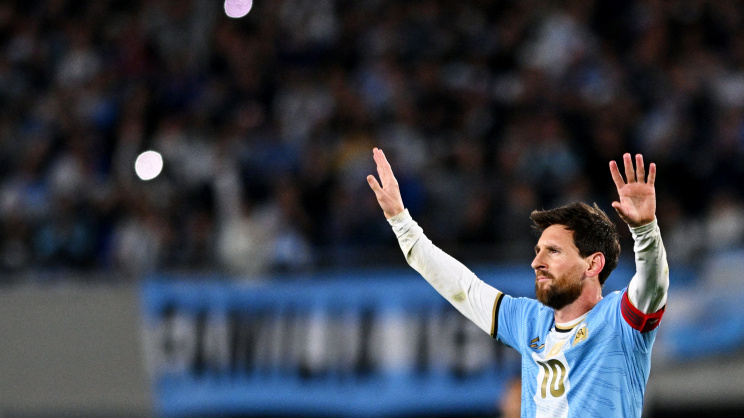
During the 2022 World Cup final, while his brothers celebrated wildly after Argentina's goals, Thiago was more restrained. He knew what his father had endured. At six, he had once asked Messi why people in Argentina wanted to kill him. Messi had no easy answer after losing final after final for his country. At the Monumental, he no longer needed one. Thiago stood beside his father while the stadium sang his name.
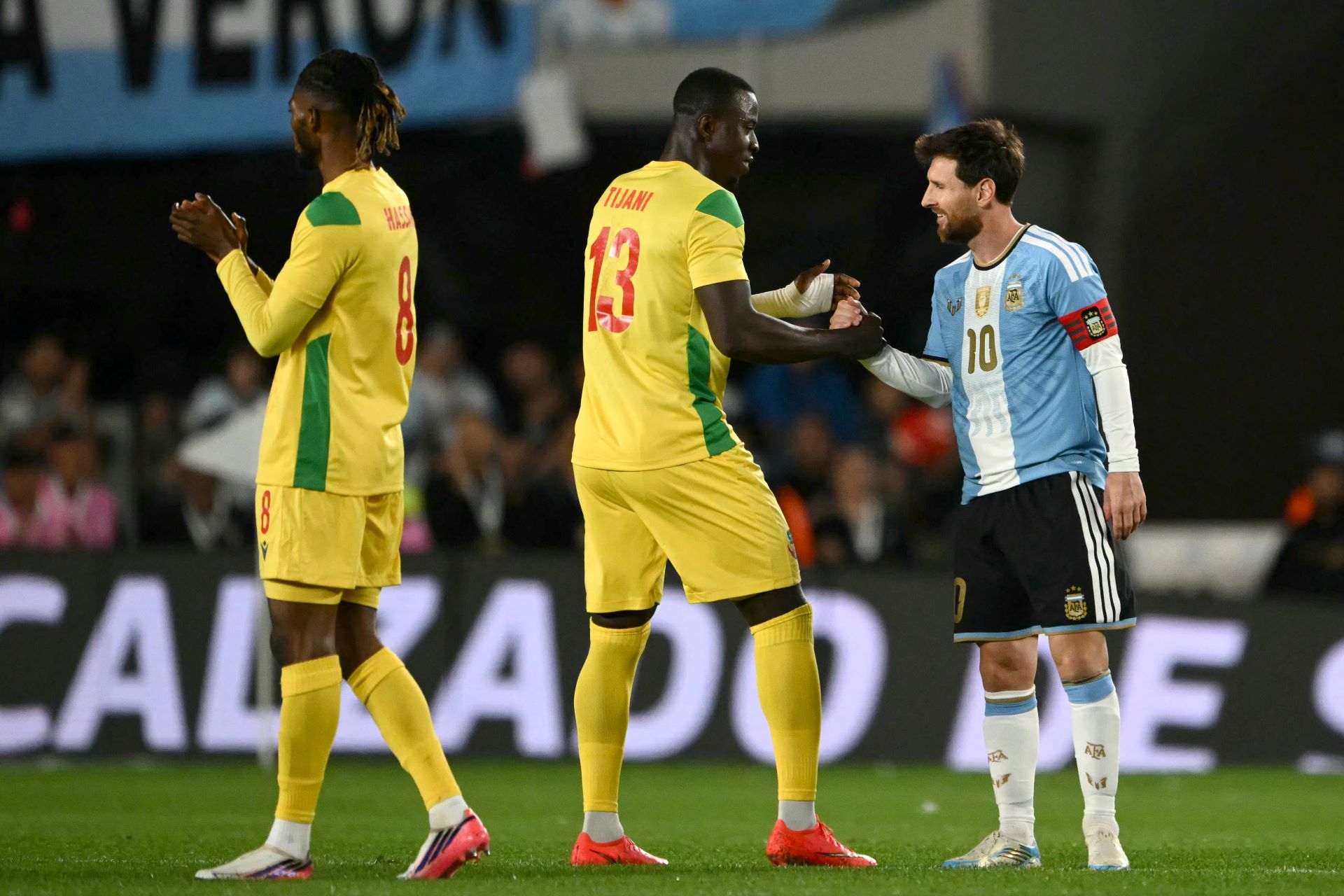
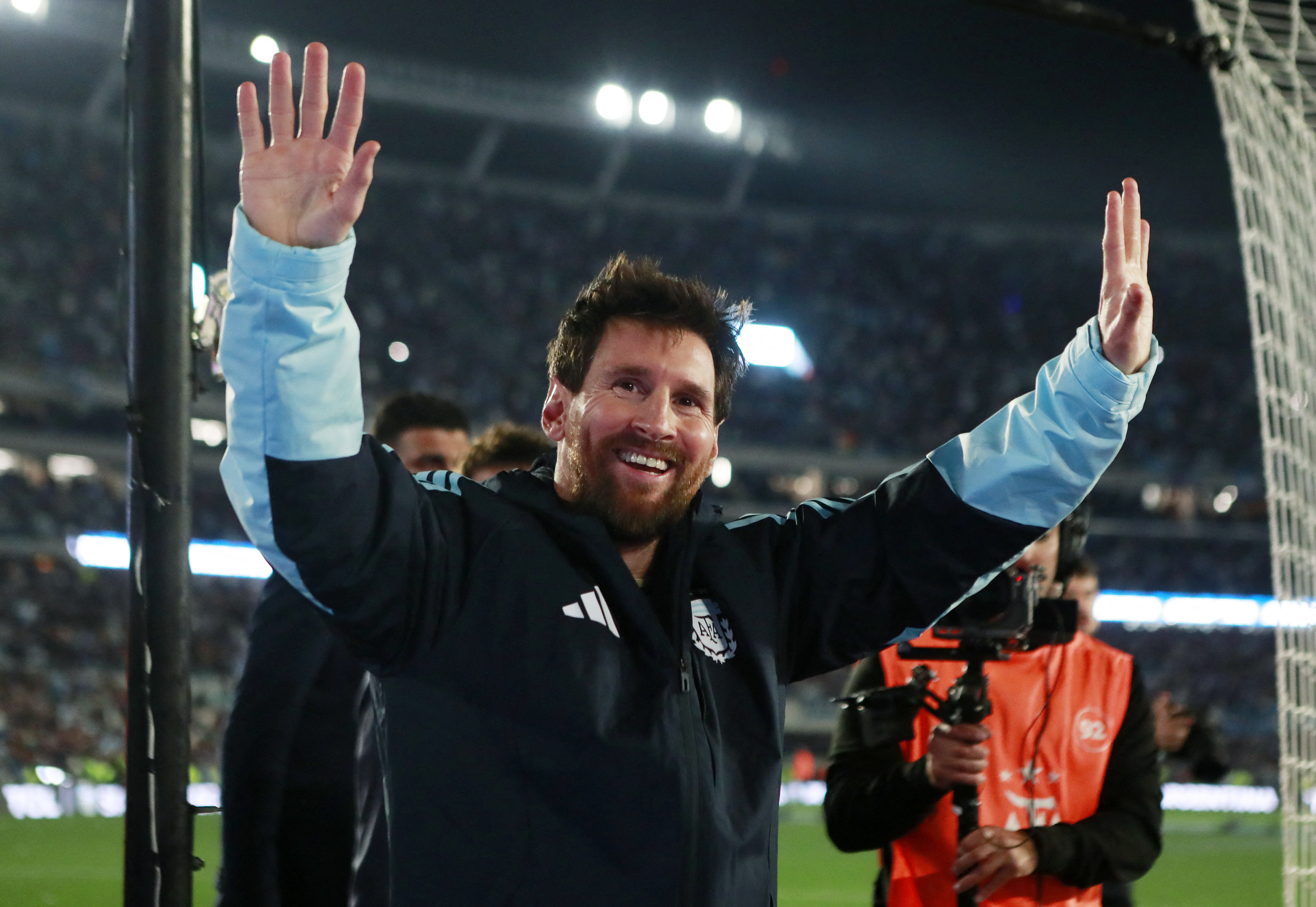
After the final whistle, Messi said leaving Argentina would hurt, but he was going with peace. He thanked his teammates for helping fulfil his childhood dream of becoming world champion, thanked the supporters and remembered his father Jorge, who died only two months earlier. There was no bitterness in his farewell, only gratitude for a story that had finally reached its end.
The match was an exhibition against Benin, but nobody inside the Monumental was there simply to watch a friendly. A giant Argentina shirt lay across the pitch, Messi's No. 10 on the back and one word where his name should have been: Gracias.
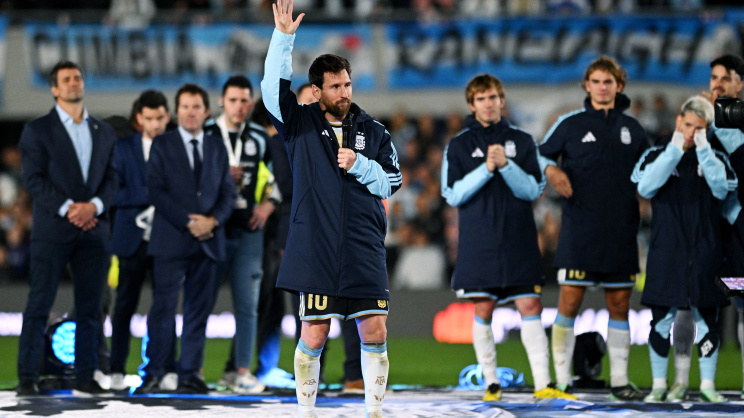
Argentina took a remarkably long time to understand the gift it had been given. On Wednesday, with tears in his eyes, peace in his heart and his family beside him, Messi walked away knowing that, finally, his country understood.
The tears before kick-off belonged to the Messi Argentina had known until 2016. The boy who arrived carrying impossible expectations, the player who lost finals and was told he was never quite enough. The peace after the final whistle belonged to the Messi who returned, stayed, won and finally saw the sun begin to shine over his relationship with his country.
 For all latest news, follow The Daily Star's Google News channel.
Comments