


Bigger contingent, smaller return

Bangladesh’s contingent keeps getting bigger at the Asian Games, but the results have gone in the opposite direction.
At the 2014 Incheon Games, Bangladesh sent 166 people and returned with three medals: one silver and two bronzes. At Aichi-Nagoya in 2026, the contingent had swelled to 260, including 187 athletes.

The return was just one bronze. That is a 56.6 per cent increase in numbers, but a two-thirds drop in medals.
More than a disappointing medal tally, it raises a bigger question about what Bangladesh is actually trying to achieve at the continent’s biggest multi-sport event, and why, despite larger delegations and years of familiar promises, the system continues to fall short.
The same explanations are trotted out after every disappointing campaign: a lack of talented athletes, inadequate training, poor planning and insufficient financial support. Whenever questions are raised about the size of the contingent, organisers point to exposure, arguing that taking athletes to major Games will help them perform better at the regional South Asian Games.
But exposure without a long-term plan is difficult to distinguish from expensive participation.
The contrast with Bangladesh’s neighbours is telling.
India finished fourth with 85 medals: 21 gold, 27 silver and 37 bronze. Pakistan won 10, including two silver and eight bronze, while Sri Lanka claimed one gold, one silver and one bronze. Nepal returned with two bronzes.
For Bangladesh, another Games has instead brought another round of soul-searching. But the deeper failure lies with the system.
The respective federations, Bangladesh Olympic Association (BOA) and the government have repeatedly failed to put in place long-term planning for the Asian, Commonwealth and Olympic Games.
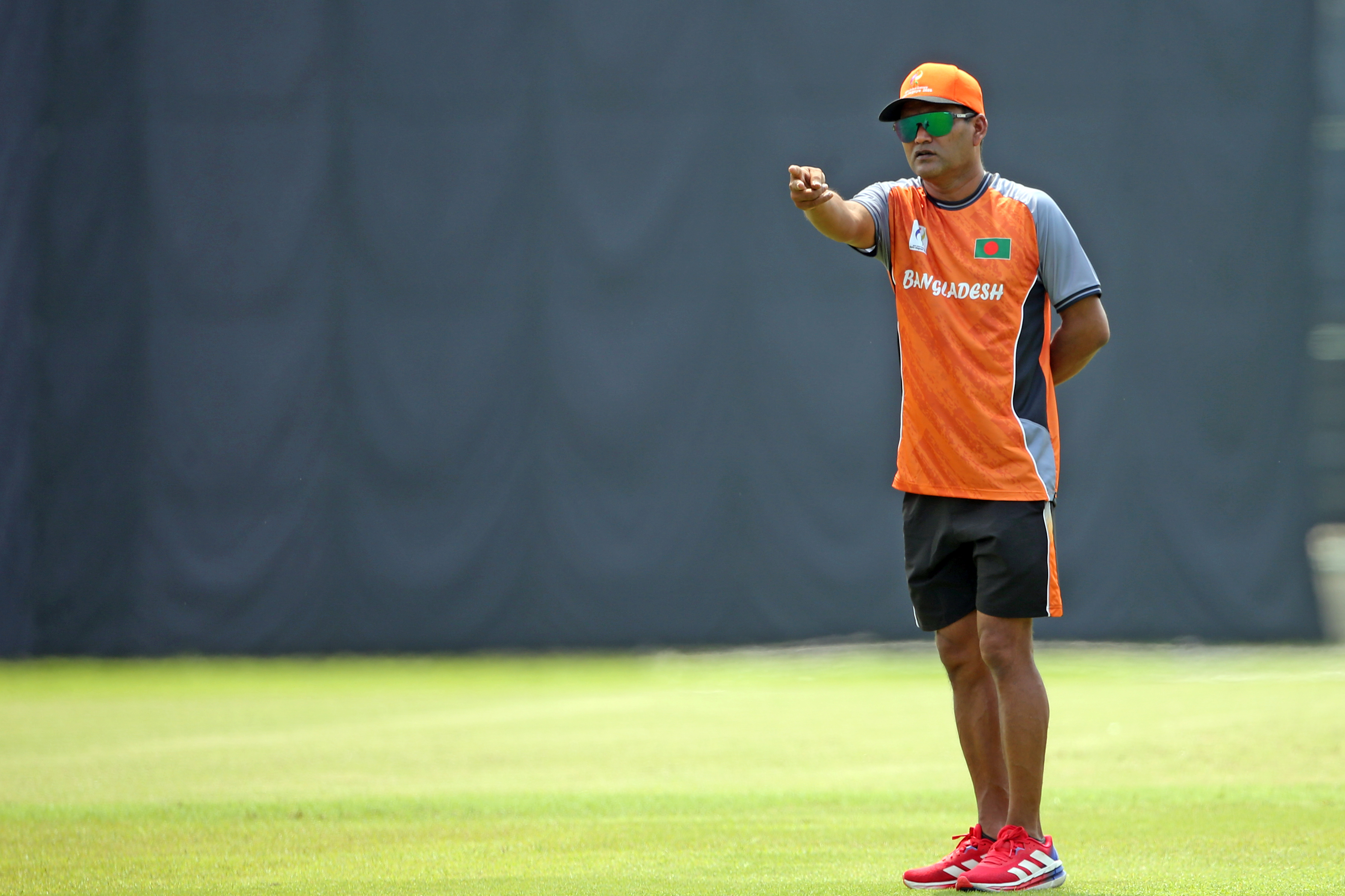
Preparation is too often replaced by short-term measures. Officials make headlines over selection issues, coaches are left out of contingents, and organisational controversies take attention away from the preparation needed to compete. Questions over athlete selection and the number of officials had already surfaced before the contingent left for Japan.
Bangladesh’s participation in the Olympics, Asian Games and Commonwealth Games was once dismissed as ‘token participation’. That label may now be outdated in terms of numbers, but the fundamental problem remains. The contingent keeps growing, and so does the expenditure, without a corresponding rise in competitiveness.
There is no mystery about where the realistic medal possibilities lie. In individual sports such as athletics, swimming, shooting, archery, fencing, gymnastics and weightlifting, performance can be measured through times, scores and rankings. In team sports, consistent international results can offer a clearer indication of genuine medal potential.
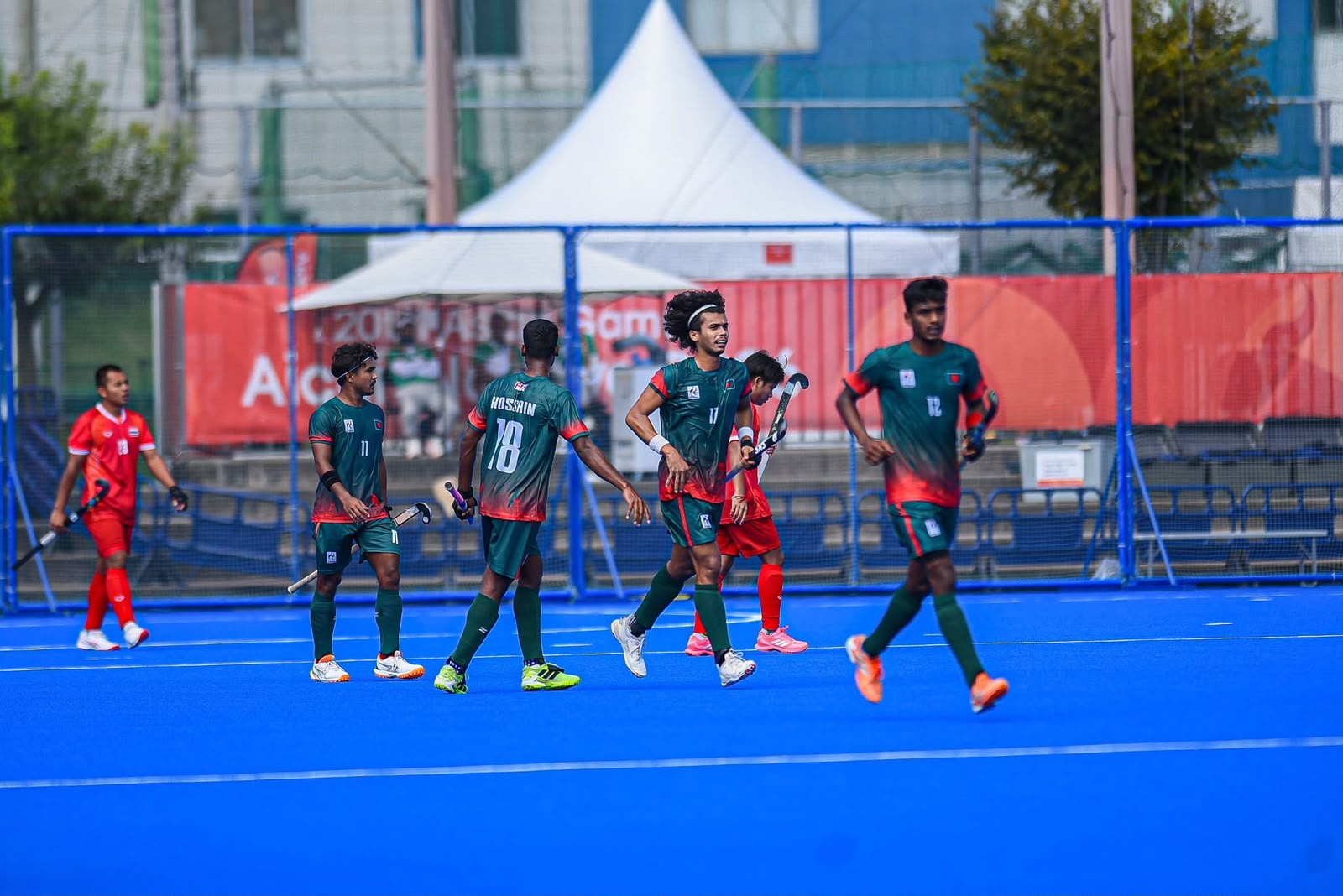
Yet Bangladesh continues to spread limited resources across a large number of disciplines without first establishing realistic targets and giving athletes enough time to prepare.
Shooting and archery have long been labelled Bangladesh’s most promising medal sports. But repeated disappointing performances at international level, including the World Cups, have widened the gap between the hype and the reality.
The time has come to rethink what Bangladesh wants from these multi-sport Games. A bigger contingent may create the appearance of a bigger sporting ambition, but numbers alone do not constitute progress. Without proper preparation, long-term planning and realistic medal targets, sending hundreds of athletes and officials abroad risks turning the Asian Games into little more than an expensive ‘leisure trip’, only bigger each time.
 For all latest news, follow The Daily Star's Google News channel.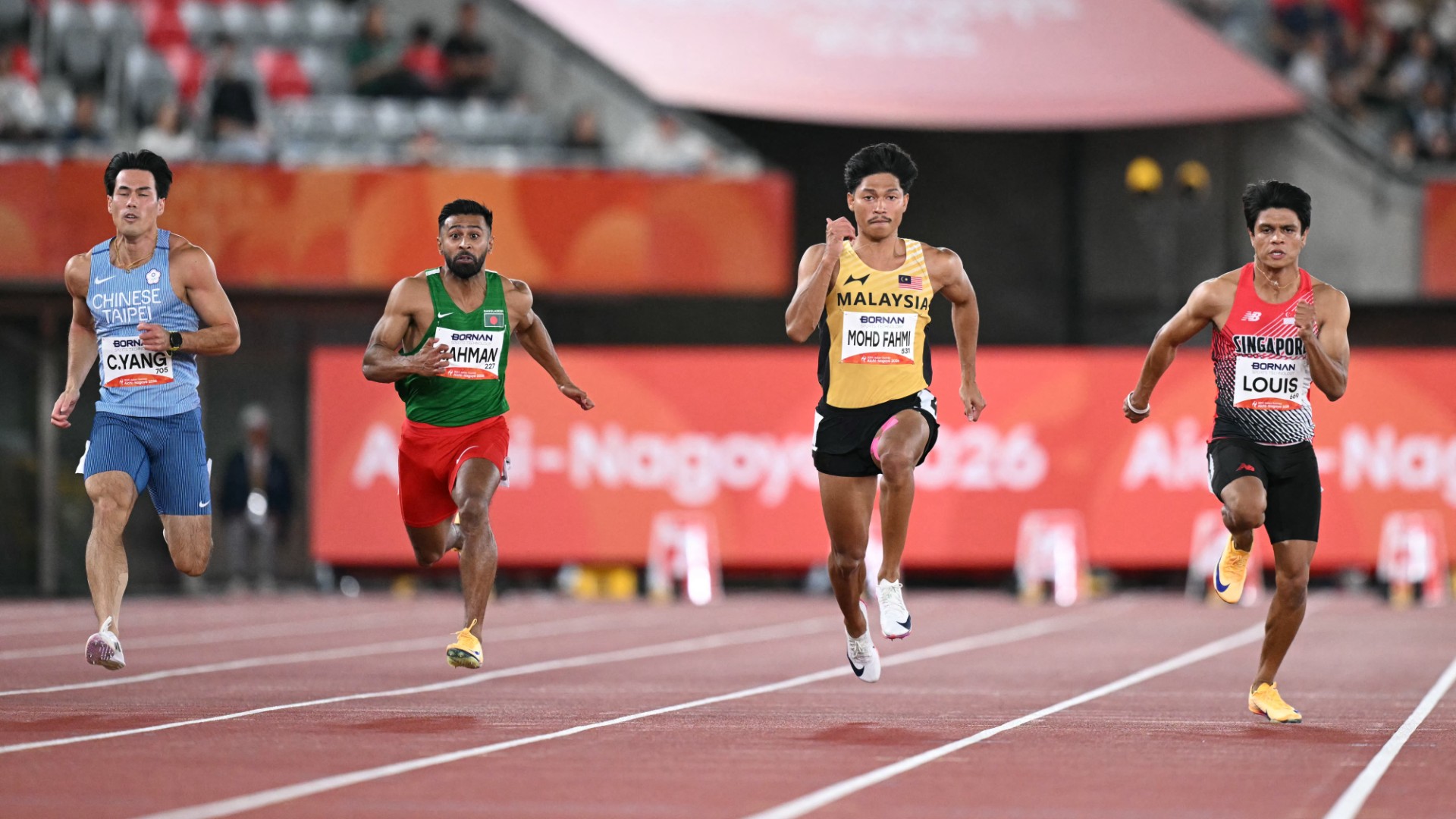
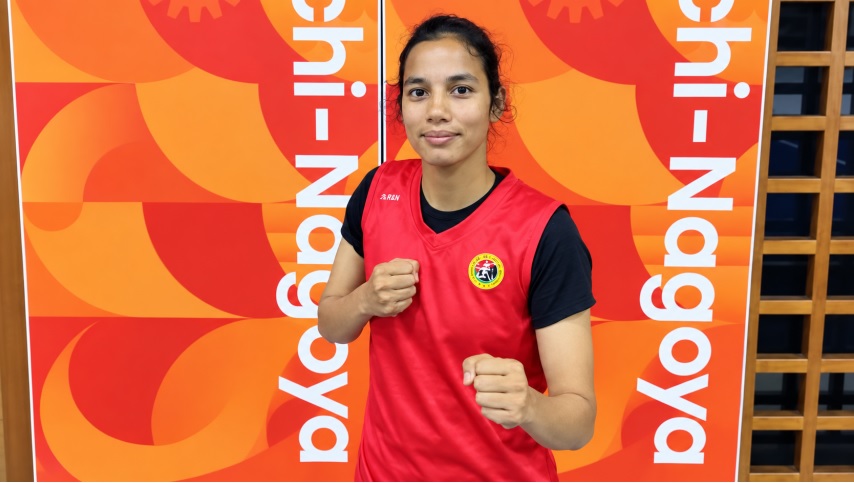
Across 22 disciplines in Aichi-Nagoya, Jinnat Akter was the one athlete who kept Bangladesh from returning empty-handed. Her bronze in the women’s 52kg wushu sanda event ended a 40-year wait for Bangladesh’s second individual Asian Games medal.
She brought home Bangladesh’s only medal. For everyone else, the Games brought back the same old questions.
Comments