


The convenient coffee at every corner
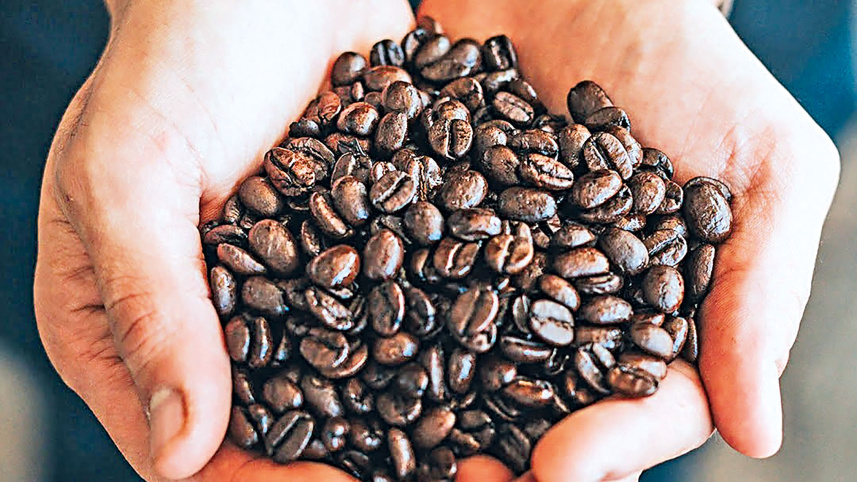
For AMA Coffee, that everyday cup is central to its approach. Launched by Abul Khair Group in January 2021, the brand has focused on convenient formats, distribution and activities that connect it with consumers beyond the café. Its journey offers a way to look at a changing coffee market through the places where people encounter the drink and the occasions on which they choose it.
The small pack matters

Coffee has long carried associations with cafés, restaurant outings and premium experiences. Yet a first cup does not have to involve any of those. A small sachet lets someone try coffee without buying a full jar, investing in brewing equipment or making a separate trip to a café.
The 3-in-1 format makes preparation straightforward by combining coffee, creamer and sugar in one pack. For a student keeping a few sachets in a bag or an office worker making a quick drink, that convenience can make coffee an easier choice. It also gives small beverage sellers a practical way to add another option to their counters.
AMA identifies affordable sachets as an important part of its expansion. Its Brazilian coffee blend is offered in a portfolio that includes 14g 3-in-1 instant coffee, a 15g sugar-free instant variant and 1g Classic Coffee. The range accommodates different preferences, including consumers looking for a sugar-free option, while retaining the convenience of small packs.
A sachet makes an initial purchase easier; a nearby outlet makes the product easier to find; an office machine makes it convenient to serve.
Availability is equally important. According to the company, its distribution strategy has concentrated on reaching the outlets where people already buy refreshments, including small shops and traditional tea stalls. The aim is to make coffee part of an existing purchasing routine.
At a tong, the setting is already familiar: a short pause, a conversation and a hot drink. Adding coffee broadens that choice. For the category, such outlets offer a route to consumers whose beverage habits may have developed largely around tea. For AMA, they are part of the effort to make coffee accessible across more everyday settings.

Beyond the retail counter
The same approach extends to workplaces and institutions. Through AMA Beverage Business Solution, the company supplies vending machines and beverage ingredients, alongside cups, technical support and maintenance. Its service covers settings including offices, cafeterias, hotels, restaurants and social events.
For an institution, serving coffee involves keeping supplies available and equipment working as well as choosing a product. A service that brings those elements together can simplify the task. For the person using an office pantry or cafeteria, the result is a cup available within the working day.
AMA has also sought to connect with younger consumers through shared activities. The AMA Coffee Campus Futsal 2026 tournament brought together 32 private universities in Dhaka. Held from June 28 to 30 at the Shaheed Suhrawardy Indoor Stadium in Mirpur, it ended with Daffodil International University defeating Shanto-Mariam University of Creative Technology in the final.
The tournament illustrates the brand’s effort to build familiarity through campus life and sport. Such engagement places AMA within experiences that already matter to students, complementing its presence on shop shelves. The company describes these activities, alongside distribution, as important drivers of its growth.
AMA also received the Most Emerging Brand of Bangladesh recognition at Bangladesh Brand Forum’s Best Brand Award 2025. The award recognised its rise in the brand equity index across consecutive assessments, adding a measure of consumer recognition to its relatively short history.
Reading the market through everyday life
Understanding this shift requires looking beyond import volumes. Import data can help describe coffee entering the country, but importer rankings do not directly establish retail sales, consumption or brand market share. Product formats, outlet availability and the circumstances in which people drink coffee provide other parts of the picture.
AMA’s experience brings those considerations together. A sachet makes an initial purchase easier; a nearby outlet makes the product easier to find; an office machine makes it convenient to serve. Each addresses a practical step between being interested in coffee and actually having a cup.
As Bangladesh’s coffee culture develops, these ordinary encounters deserve attention. Alongside the café experience, there is room for coffee bought at a familiar counter, shared during an adda or prepared between tasks. That is the space AMA is working to occupy, one everyday cup at a time.
 For all latest news, follow The Daily Star's Google News channel.
Comments