


Swiss designs: That have acquired cult status
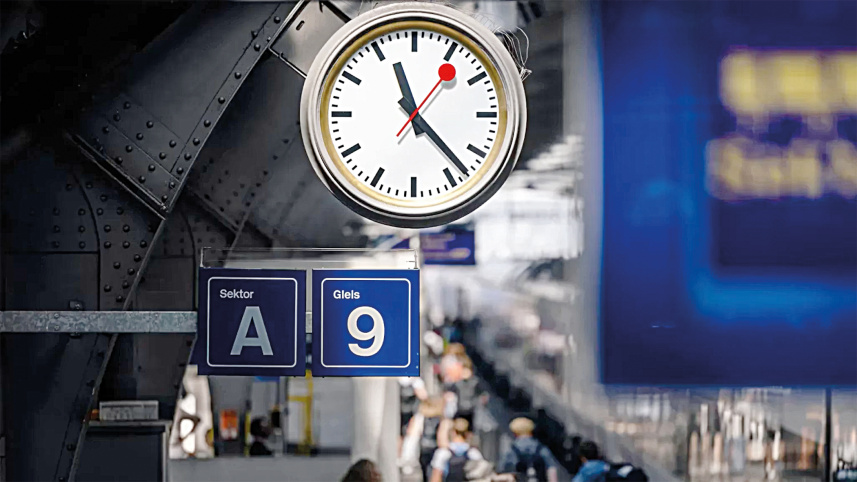
Mondaine, the official Swiss railway clock
Mondaine is an industrial design classic, simple and functional. This clock is used in all Swiss train stations and has also found its way to other countries. It was created in 1944 by train employee Hans Hilfiker and is based on a clever mechanism that allows stationmasters across the country to synchronise their tasks and ensure the trains run on time. Mondaine has held the production licence since 1986 and now produces a watch version, which is on display at the Museum of Modern Art (MoMA) in New York.

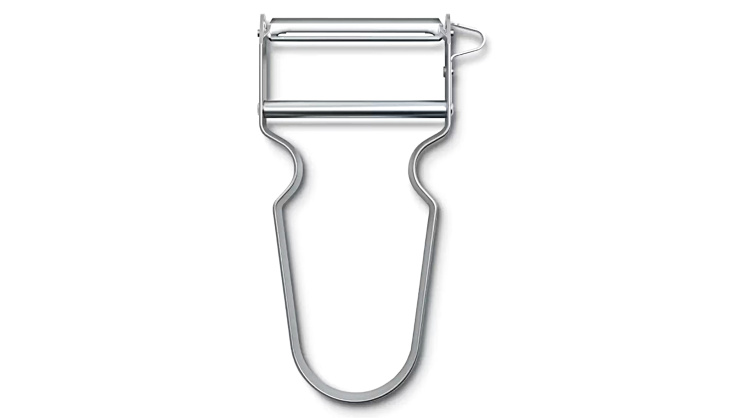
The Rex peeler is small but sturdy!
The Rex peeler revolutionised the culinary world when it hit the shelves in Zurich in 1947. This nifty kitchen gadget was the brainchild of Alfred Neweczerzal, who came up with it in his garage. The simple design and ergonomic form made it an instant classic, and it has changed little since it first came out. More than 50 million of them have been sold around the world. The Rex peeler is certainly one of the lightest (20 grams) and least expensive (CHF 1.80) design objects in history.
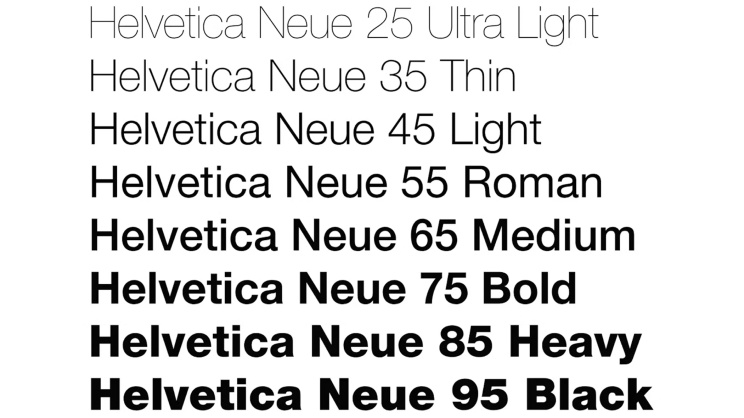
Helvetica, one of the world’s most popular typefaces
What do Skype, BMW, Panasonic, Harley Davidson, American Apparel and Lufthansa have in common? They all use a variant of the Helvetica typeface in their visual identity. This font was created in 1957 by Max Miedinger, a Zurich-based graphic designer. With its Bauhaus aesthetic, Helvetica has become synonymous with Swiss typographical design. The Swiss grande dame of typefaces continues to inspire graphic designers around the world thanks to its minimalist style and legibility. The German company Linotype manages the licences for the Helvetica family of typefaces.
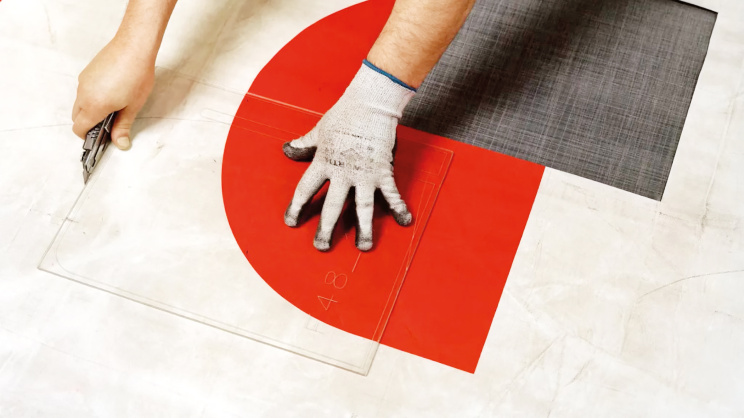
Freitag bags: design gone green
The Freitag brothers have provided us with one of Switzerland’s grandest success stories. In 1993, Markus and Daniel, two 20-something graphic-design students, created their first bags (for their own use) out of discarded materials: truck tarps, seat belts and bicycle inner tubes. Little did they know that, ten years later, their bags would be cult objects, emblems of urban culture, displayed in the MoMA’s design collections in New York and sold around the world.
Abridged from an article published on aboutswitzerland.eda.admin.ch
 For all latest news, follow The Daily Star's Google News channel.
Comments