


10 cosy secrets for a brain-friendly home

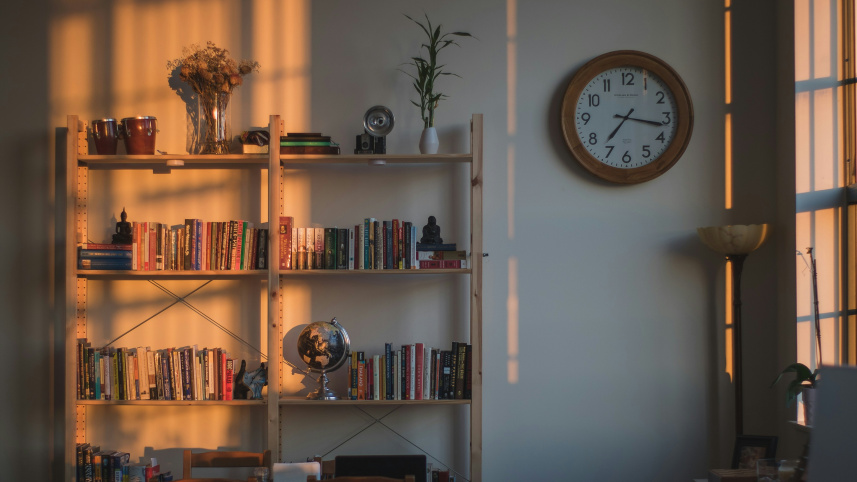
Have you ever walked into a room and instantly felt your shoulders drop and your heart rate slow? That isn’t just good vibes. This phenomenon is at the heart of neuroarchitecture, a discipline that explores how our physical environment interacts with our brain and nervous system.
Our brains are constantly scanning our surroundings for signals of safety or threat. Sharp edges and harsh hospital lighting trigger cortisol (the stress hormone), while soft textures, warm hues, and natural elements release oxytocin and serotonin. Creating a cosy living room is more than a decor choice now.

Here are 10 affordable things every living room needs to soothe your brain and nourish your soul.
1. Warm, Layered Lighting
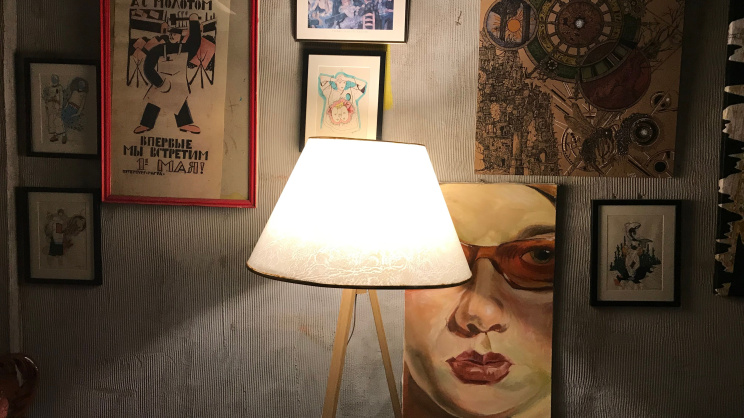
Ditch "the big light". Neuroarchitecture shows that harsh overhead blue light suppresses melatonin and keeps your brain in a state of high alert. Instead, use floor lamps and table lamps with warm-toned bulbs. Layering light at different heights mimics the setting sun, signalling to your brain that it’s time to decompress.
2. Textured Area Rugs
The brain craves tactile grounding. Walking barefoot on a soft rug or seeing a plush texture sends a signal of security to our sensory system. A rug also defines a space, creating a "cocoon effect" that makes a large room feel neurologically safer and more manageable.
3. Green Indoor Plants
Humans have an innate biological connection to nature, known as biophilia. Adding plants like a snake plant or a trailing pothos reduces blood pressure and improves cognitive function. Just looking at the fractal patterns in leaves can lower your heart rate in minutes.
4. Plush Throws and Cushions
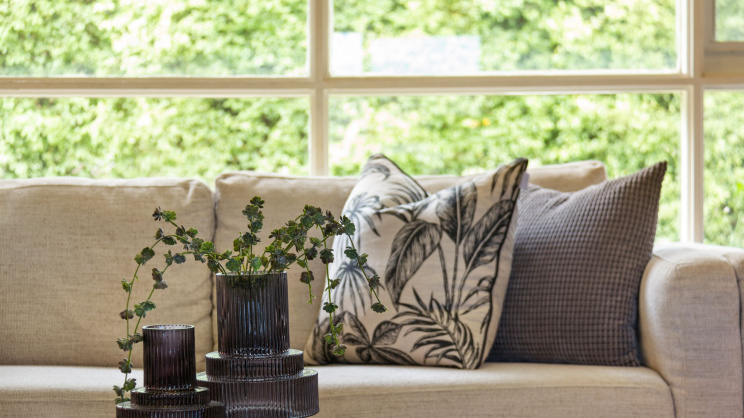
Softness is a universal cue for comfort. When we cuddle into a soft cushion or drape a weighted throw over our laps, our bodies react as if they are being hugged. This physical hugging sensation lowers sympathetic nervous system activity, helping you move from fight or flight into rest and digest.
5. Curated Bookshelves
Books are visual anchors. They represent knowledge, escapism, and personal history. From a neurological perspective, seeing a shelf of books provides a sense of mental order. Even "shelfies" arranged by colour can reduce visual noise, helping a cluttered mind find peace.

6. Handy Side Tables
Stress often comes from friction. Having to get up to reach a drink or find the remote. A well-placed side table within arm’s reach of your seat reduces micro-stresses. It provides a dedicated spot for your tea or phone, allowing your brain to fully commit to the act of resting.
7. Meaningful Artwork
Blank walls can feel clinical and cold, but art that evokes positive memories or depicts nature acts as a visual dopamine hit. You don’t need an expensive gallery piece; a framed postcard or a personal sketch works wonders for making a space feel uniquely yours.
8. Calming Scents
The olfactory system is the only sense directly connected to the brain’s amygdala and hippocampus, which are the centres for emotion and memory. A vanilla candle, a cinnamon diffuser, or fresh lavender can instantly trigger a safe space memory, bypassing your conscious mind to relax you instantly.
9. Personal Mementos
Neuroarchitecture emphasises the importance of identity signalling. Surrounding yourself with travel souvenirs or family photos reinforces your sense of self and belonging. When your environment reflects who you are, your brain feels at home, reducing social anxiety and isolation.
10. The Negative Space
While cosiness is about adding warmth, your brain also needs a place to rest. Avoid over-stuffing every corner. Leaving a bit of negative space or a clean surface prevents visual overstimulation. A little bit of emptiness allows your mind to wander and daydream, which is essential for creative recovery.
 For all latest news, follow The Daily Star's Google News channel.
Comments