


‘Fjord’ claims the Palme d’Or in a night of historic streaks
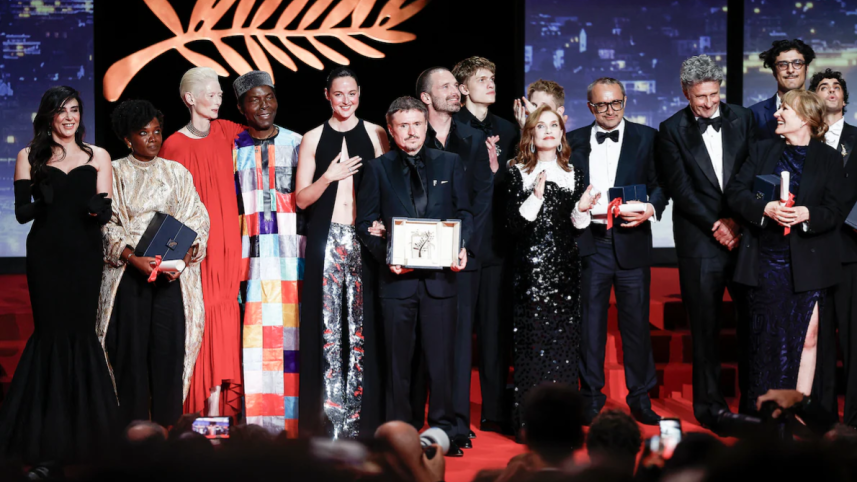
The collective gasp that just rippled through the Grand Théâtre Lumière was of genuine surprise.
For two weeks, the international press corps on the Croisette had convinced itself that the 79th Cannes Film Festival was a two-horse race between Paweł Pawlikowski’s icy "Fatherland" and Andrey Zvyagintsev’s devastating "Minotaur". Journos parsed the grids like scripture, tracking their decimal points. But jury president, the Park Chan-wook has never been a man to follow a pre-written script.

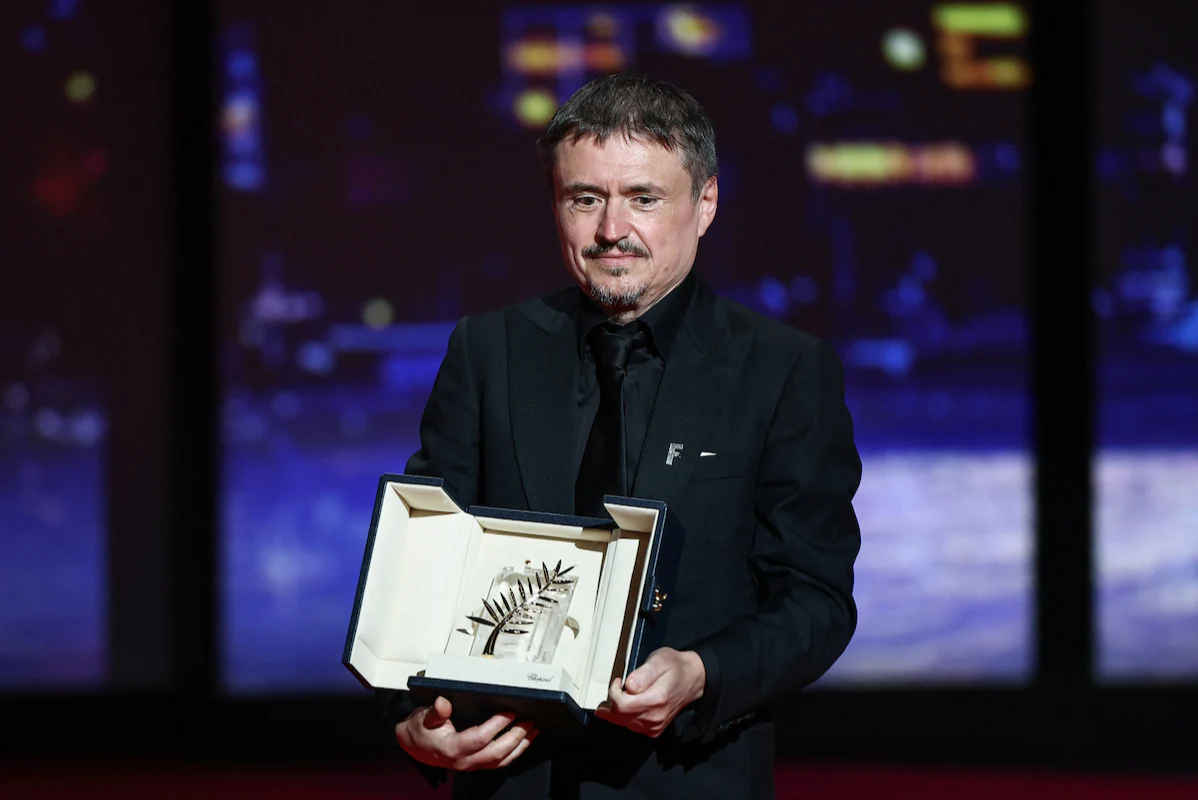
In a stunning final move, the jury bypassed the media front-runners to award the 2026 Palme d’Or to Romanian auteur Cristian Mungiu for “Fjord”.
In doing so, Park Chan-wook's jury cemented a historic milestone: Mungiu joins the ultra-exclusive club of two-time Palme d'Or winners. He previously won in 2007 for “4 Months, 3 Weeks and 2 Days”.
The win also secures an unbelievable seventh consecutive Palme d'Or victory for independent powerhouse Neon—an institutional streak that borders on the miraculous. “Fjord”—starring Sebastian Stan and Renate Reinsve as a Romanian-Norwegian couple under terrifying community scrutiny over alleged child abuse—is a suffocating, masterfully restrained examination of cultural paranoia and state power. It is the definitive cinematic statement of 2026.
The rest of the jury's choices represent a brilliantly balanced, high-concept division of spoils that reflects the sheer depth of this year's competition lineup:
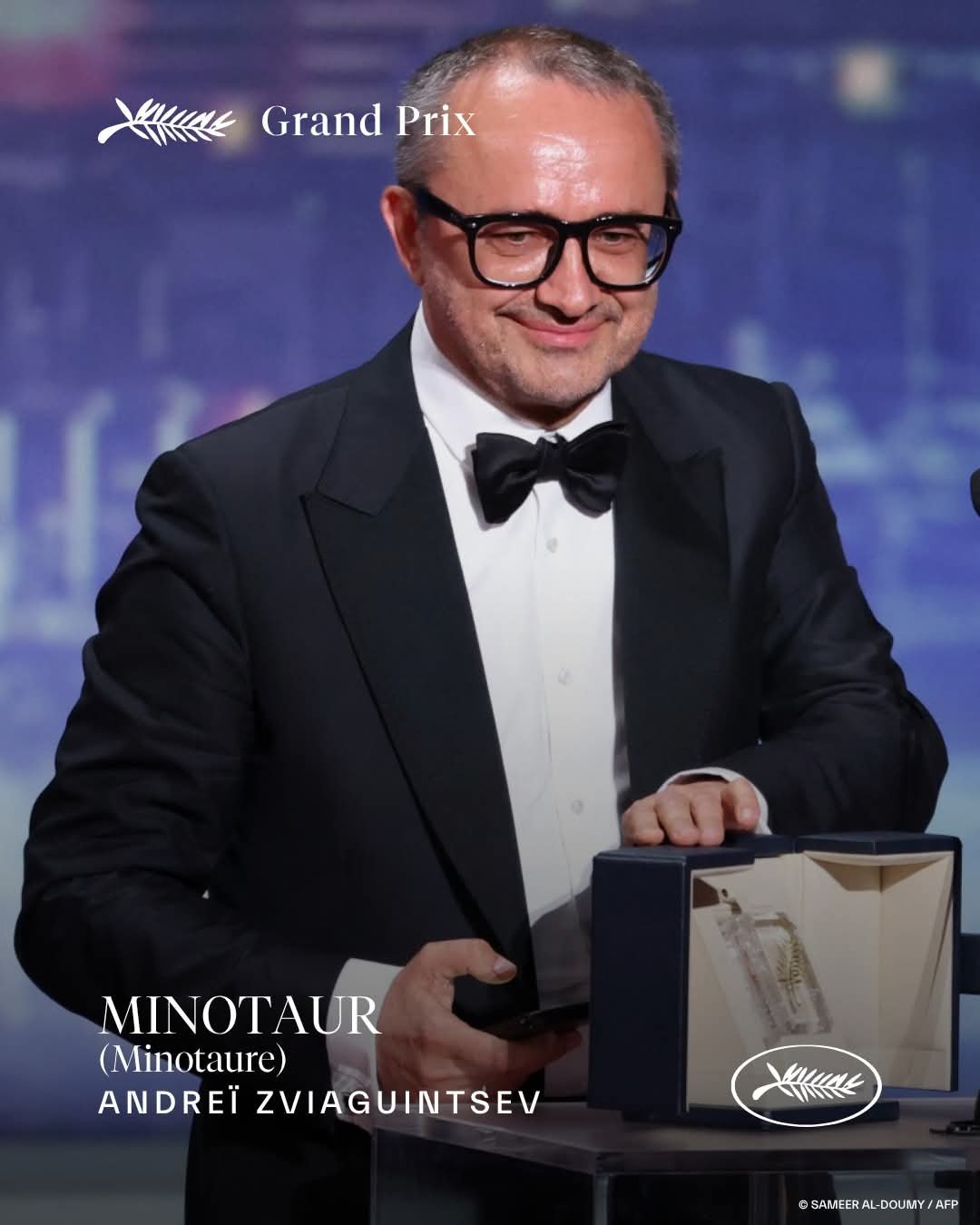
Grand Prix: Andrey Zvyagintsev's “Minotaur”. The exiled Russian director's searing critique of moral erosion and collective denial surrounding the war in Ukraine took the festival's runner-up prize—a massive statement.
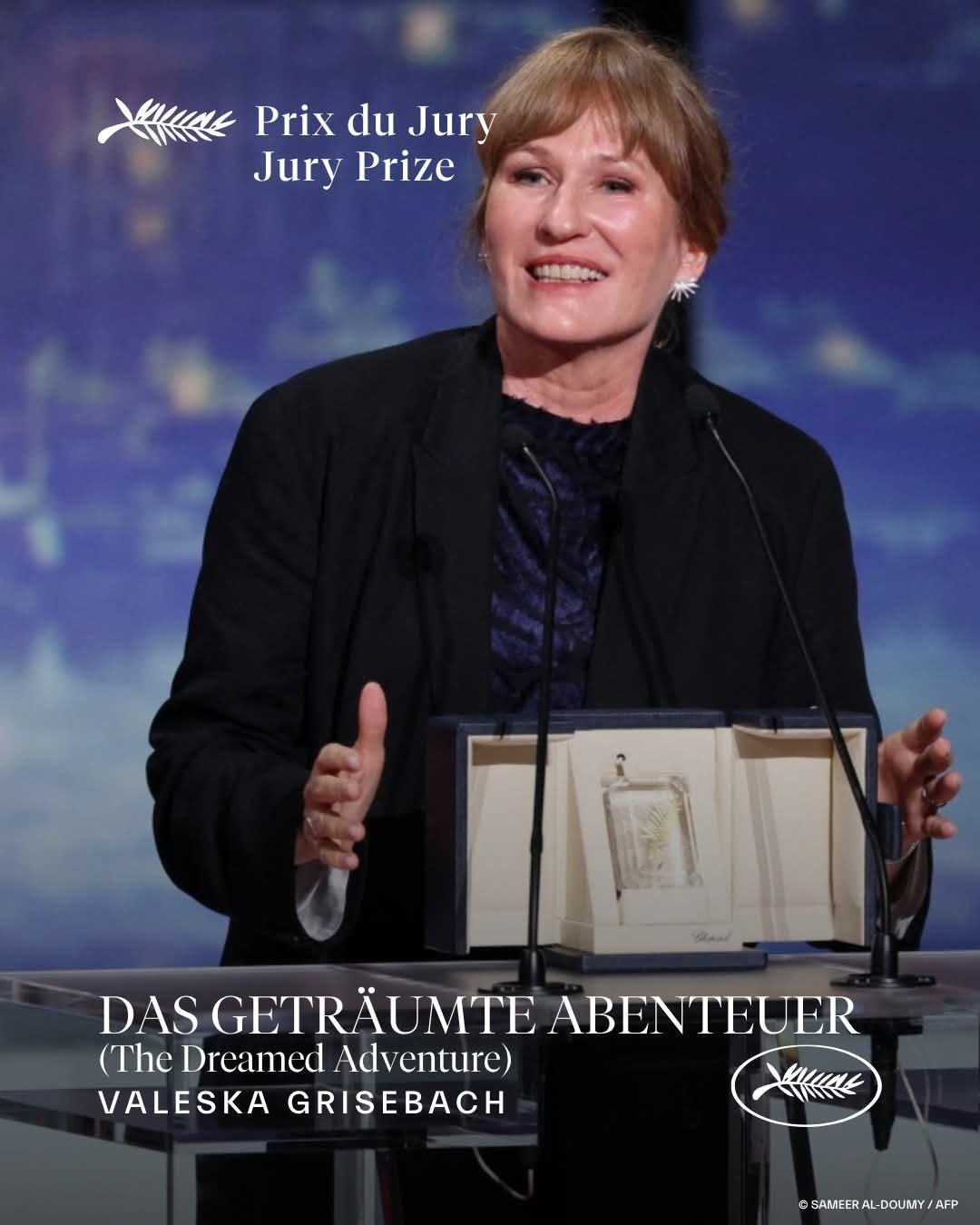
Jury Prize: Valeska Grisebach’s “The Dreamed Adventure” was quiet, border-crossing triumph for German slow-cinema that completely won over the Palais in the final forty-eight hours of screening.
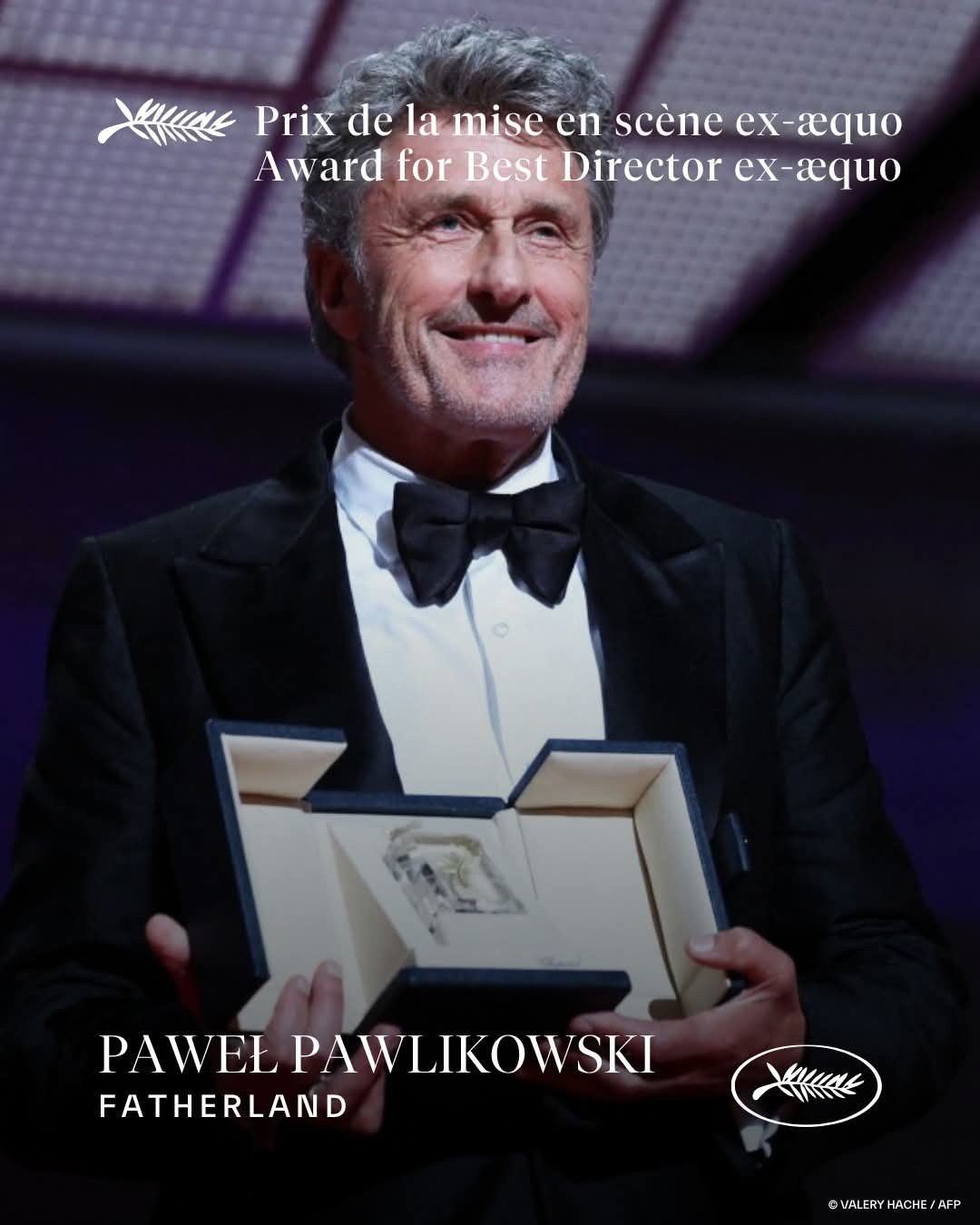
Best Director (Tie): The jury split the directing honors down the middle. Spain's radical dynamos Javier Calvo and Javier Ambrossi (La Bola Negra) share the stage with Paweł Pawlikowski (Fatherland).
Best Screenplay: Emmanuel Marre took the prize for “A Man of His Time”. Marre’s chillingly banal, claustrophobic dissection of bureaucratic collaboration in Vichy France took the winning honours.
For the performances
The acting awards leaned heavily into themes of emotional endurance and psychological fracturing, with the jury opting to share the wealth across both categories. Best Actress was awarded jointly to Virginie Efira and Tao Okamoto for "All of a Sudden", their quiet restraint and shared chemistry beautifully anchoring Ryusuke Hamaguchi’s deeply patient, three-hour masterclass on empathy. On the male side, the Best Actor prize delivered a similar double-punch, going to Valentin Campagne and Emmanuel Macchia for their raw, devastating leads in Lukas Dhont’s intimate drama "Coward", with both actors recognized for brilliantly carrying the heavy, internal weight of the film's central moral conflict.
Beyond the main competition
The prestigious Camera d’Or for best first feature went to Marie Clémentine Dusabejambo for “Ben’Imana”, a striking and deeply moving debut that signals the arrival of a major new directorial voice. Meanwhile, Federico Luis took home the Short Film Palme d’Or for “For the Opponents”, keeping the festival's dedication to short-form experimentation alive and fiercely competitive.
The 79th edition will be remembered for its trio of Honorary Palmes d’Or, anchoring the festival's historical gravity. Peter Jackson was honored during the opening days for his monumental contributions to cinematic world-building, while a surprise, short-notice tribute celebrated the enduring pop-culture legacy of John Travolta. Finally, tonight capped off with a bittersweet, sweeping tribute to Barbra Streisand—with Isabelle Huppert stepping in to present the lifetime achievement honor on behalf of the screen legend, who unfortunately had to miss the trip due to a recent knee injury.
Parting thoughts
If Cannes 2026 felt like a return to the festival’s pure arthouse roots throughout its daily run, tonight’s closing ceremony confirmed it. By elevating Mungiu's suffocating, complex moral maze over more conventional historical epics, Park Chan-wook and his jury sent a clear, uncompromised message back to the global film industry: Cannes remains a sanctuary for cinema that refuses to offer easy answers.
 For all latest news, follow The Daily Star's Google News channel.
Comments