


Goethe-Institut revives Tagore’s bond with Germany in musical evening

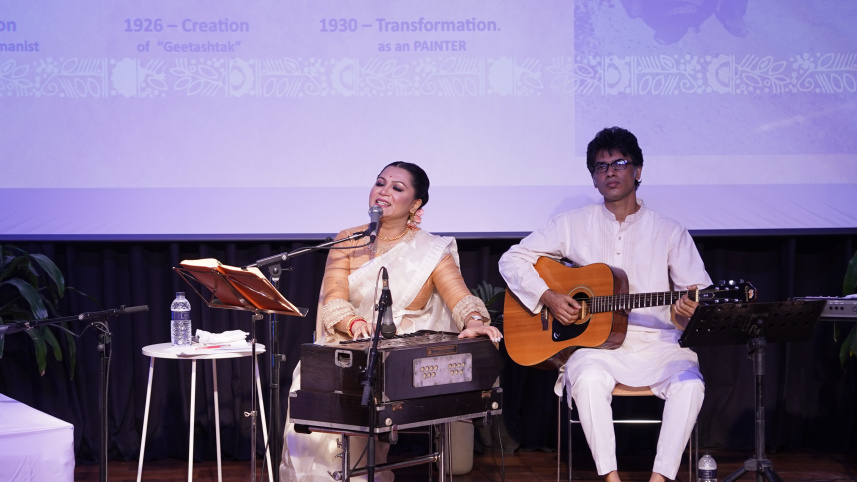
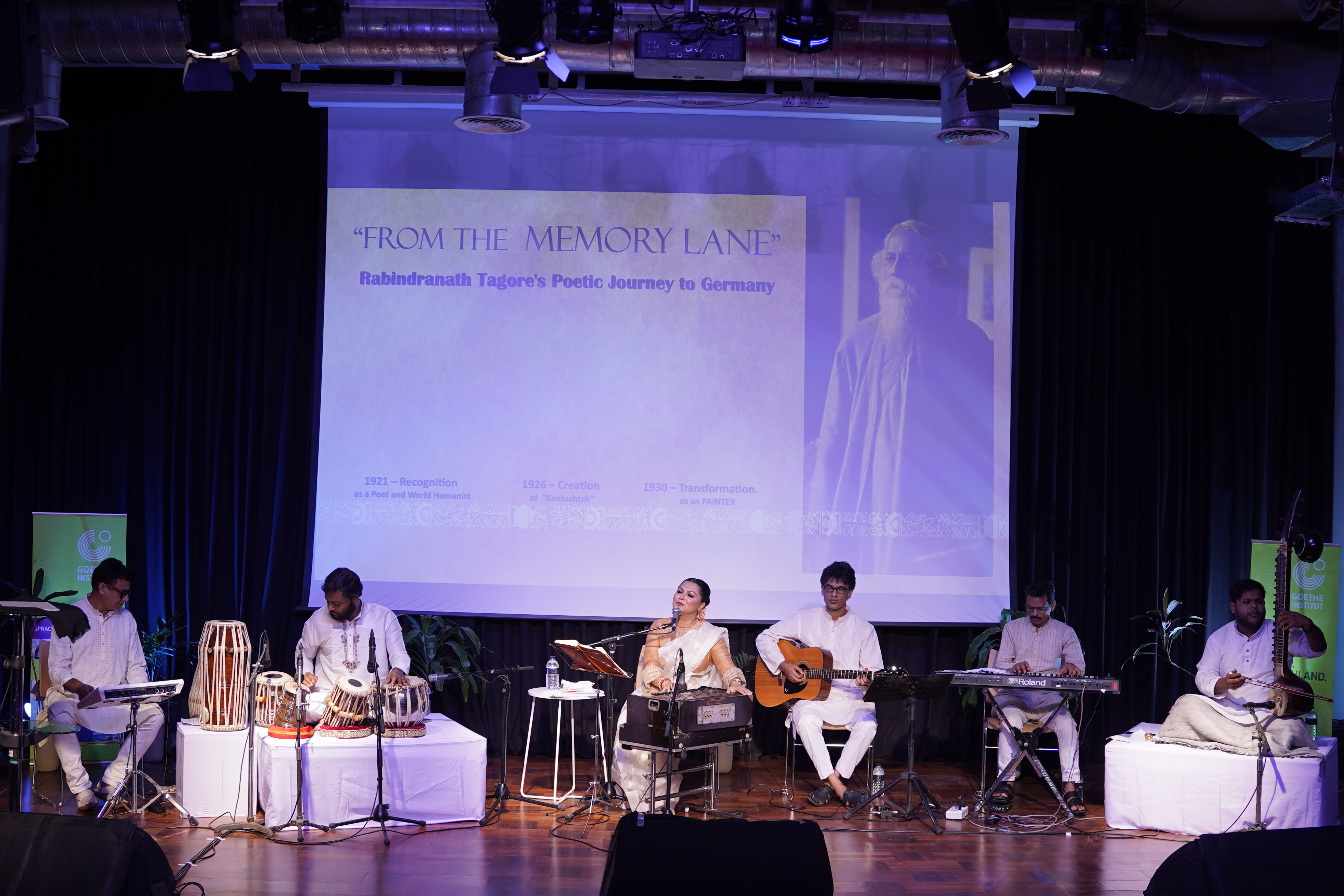
Goethe-Institut Bangladesh hosted a cosy evening on June 20 commemorating the Bard of Bengal, polymath Rabindranath Tagore’s enduring connection with Germany. Titled “From the Memory Lane”, the programme navigates Tagore’s visits that have strengthened the bond between Germany and the undivided Bengal of British India.
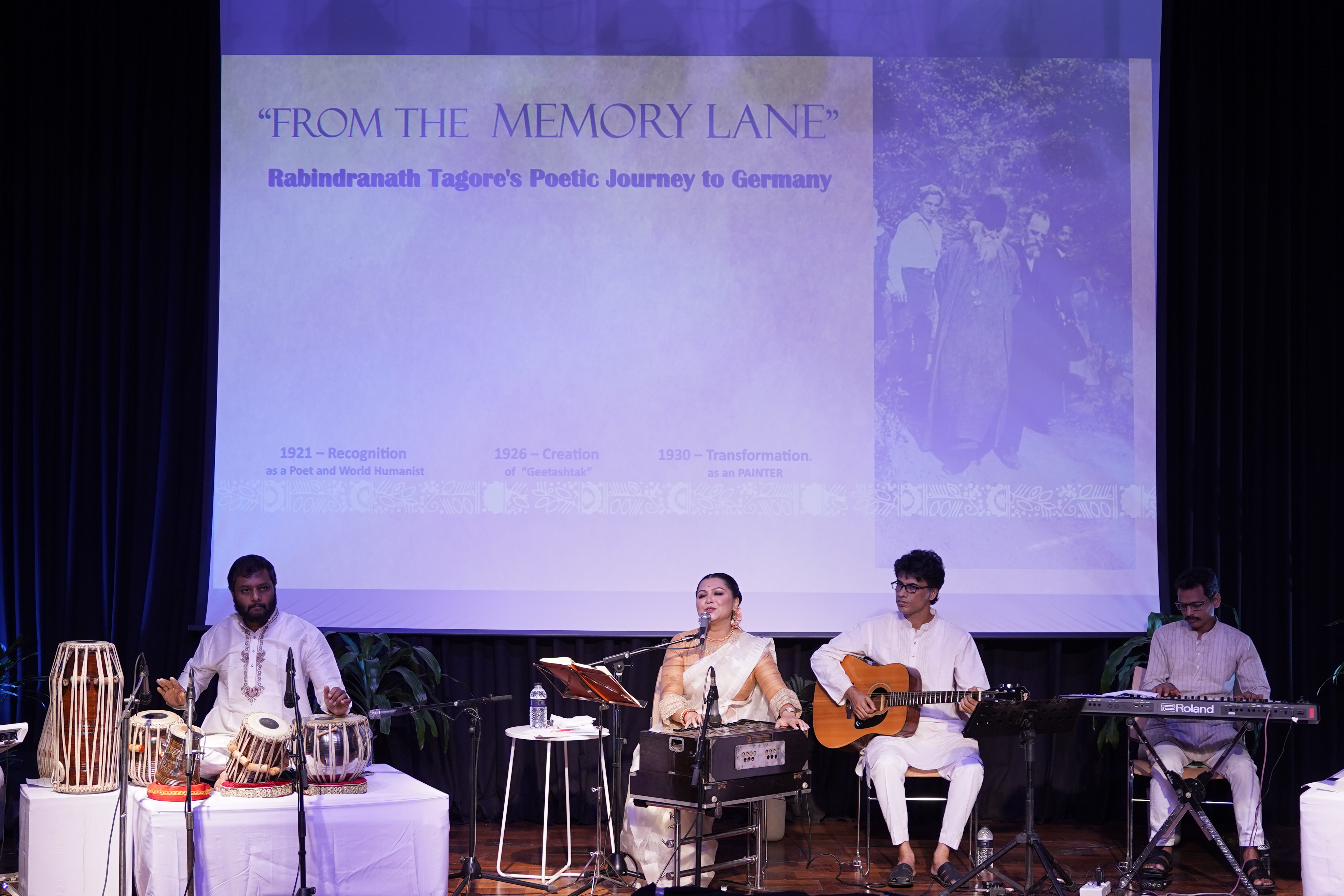
The evocative programme, filled with history, music, and poetry, started with a small presentation on a big screen, highlighting the photos and describing the events that took place during Tagore’s visits to Germany. Rabindranath Tagore was the first Asian to win the Nobel Prize in Literature for his English translation of his poetry book “Gitanjali” (Song Offerings) in 1913. His influence in Germany is profound and multidimensional, spanning more than a century in the fields of literature, philosophy, and cultural exchange. In the 1920s, his popularity skyrocketed, and between 1914 and 1925, over one million copies of more than 25 of his books were published in Germany.

Tagore visited Germany thrice, first time in 1921, then in 1926, and lastly in 1930. His first visit was primarily for “Gitanjali”. All his travels to Germany were culturally and intellectually significant, enhancing Indo-German dialogue in various fields. He maintained a good relationship with influential German intellectuals such as Hermann Hesse, Albert Einstein, and Rainer Maria Rilke. In 1961, on his 100th birth anniversary, a street in Berlin was named after Rabindranath Tagore as an acknowledgement of his contribution in Germany.
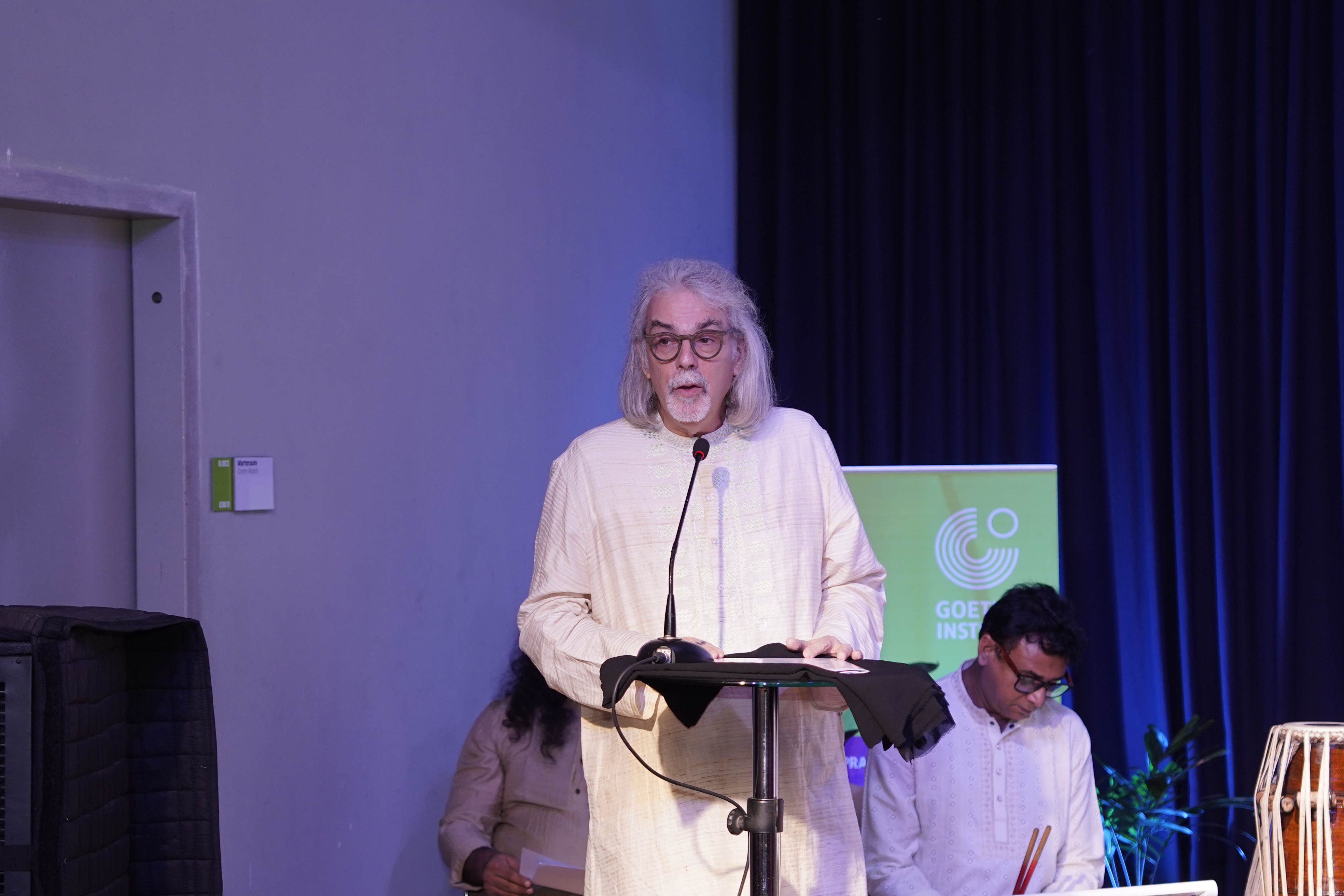
The programme was narrated and anchored in English by Architect Dhruba Jyoti to be accessible to a wider audience. The Director of Goethe-Institut, Frank Werner, made a special appearance. In his short speech, he said that Tagore is revered in Germany as the Goethe of Bengal. He added that Johann Wolfgang von Goethe was the German polymath who preached love and harmony, whereas the world poet Tagore delved into spirituality, all of which are needed for survival.
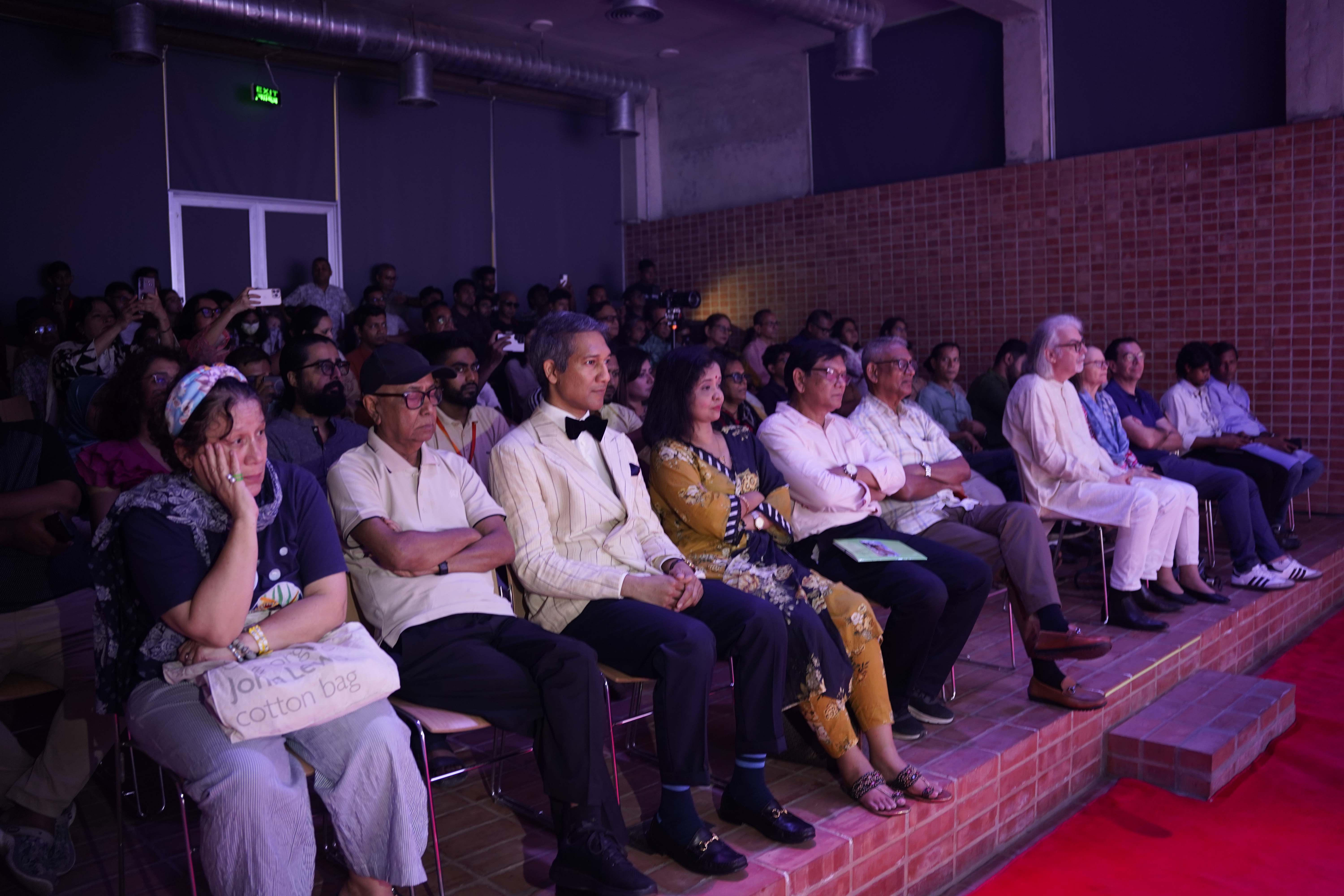
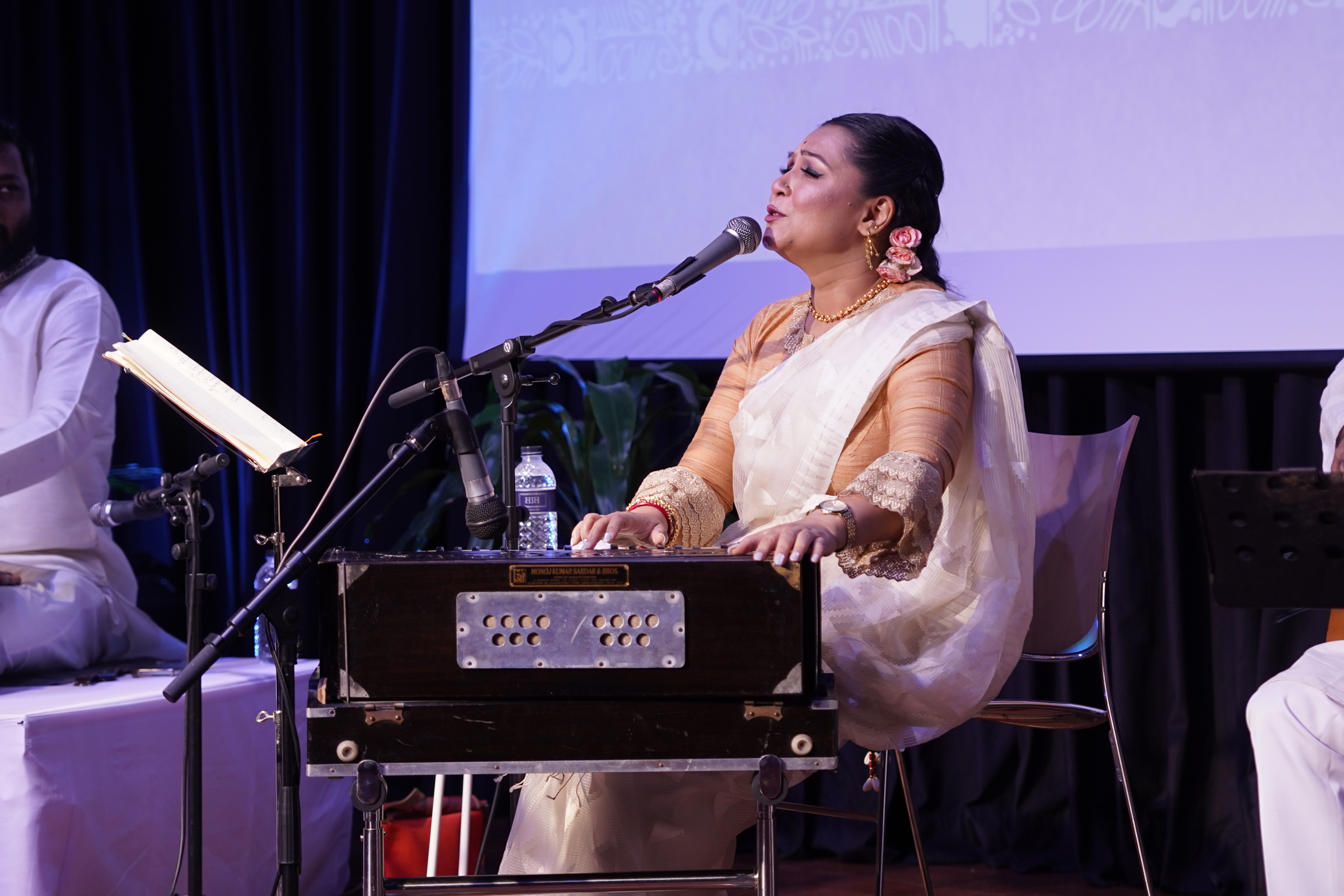
Prominent singer Sanchita Rakhi, performing Tagore’s songs from “Geetashtak”, enamoured the audience. This collection contains songs and poems that the poet wrote during his stays in Germany. In 1921, while delivering a lecture in Berlin University, he shared a song “Amare Tumi Ashesh Korecho”. This was the first song in “Gitanjali”, and Frank Werner recited the German version at the event. This poem conveys the message of immortality of life through divine music. With utmost dedication, Sanchita performed the song as her first one for the evening.
The next song was “Mor Bina Othe Kon Shure Baji”. This was also performed by the poet on June 4, 1921, and it was part of his lecture that was recorded. Sanchita used her beautiful voice to capture the essence of the song. The next song comes from Tagore’s second visit to Germany – “Shey Kon Pagol Jay”, opening the Geetashtak cycle. Tagore explored the emotional awakening of love with “Kar Chokher Chawar Haway Dolay Mon”.
“Roy Je Kangal Shunno Haate Diner Sheshe” is one of the most philosophical songs in the cycle, referring to the emptiness despite worldly achievements. Next came “Akash Tomay Kon Rupe”, and “Tor Bhitore Jagiya Ke Je”. Then the artiste sang the ever encouraging, hopeful composition of Tagore, “Nai Nai Bhoy Hobe Hobe Joy”, and the song of spiritual and cosmic freedom “Amar Mukti Aloy Aloy”. The latter he wrote on his second tour, gazing upon the open sky and greenery of German countryside. The last song of the evening was “Shimar Majhe Oshim Tumi” that marked his third visit and the philosophical exchange between Tagore and Einstein.
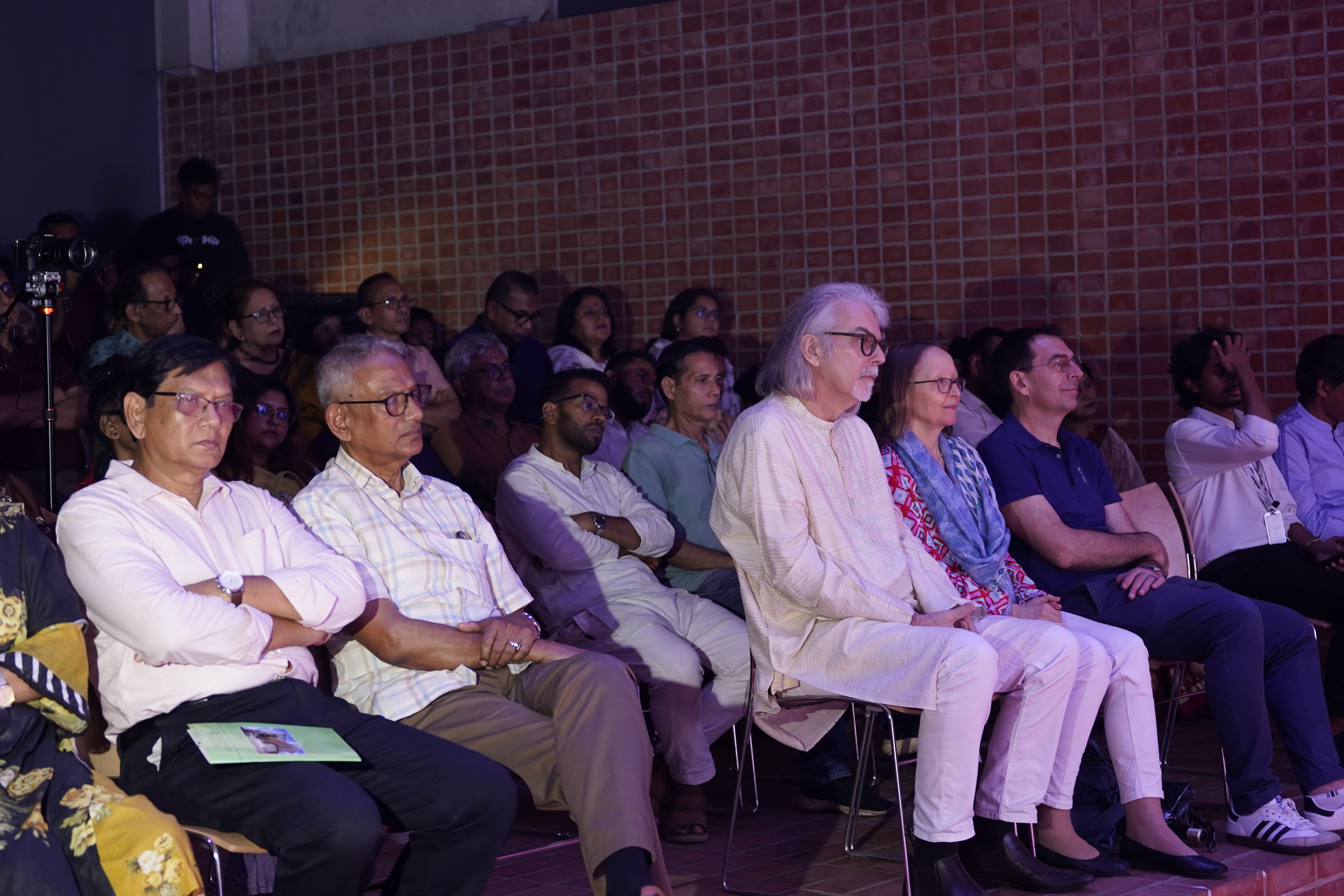
Even after a century, Germany remembers the Nobel laureate as a messenger of cultural dialogue, educational innovation, artistic freedom, and universal humanism. Frank thanked the anchor and all the artistes and the audience for a wonderful evening celebrating one universal genius of Bengal in an institution built in the name of the German universal genius Goethe. In his concluding speech, he spoke about how Tagore used his platform as the voice of the oppressed by colonialism. The program came to an end with Frank reciting another of Tagore’s poems from Gitanjali in German.
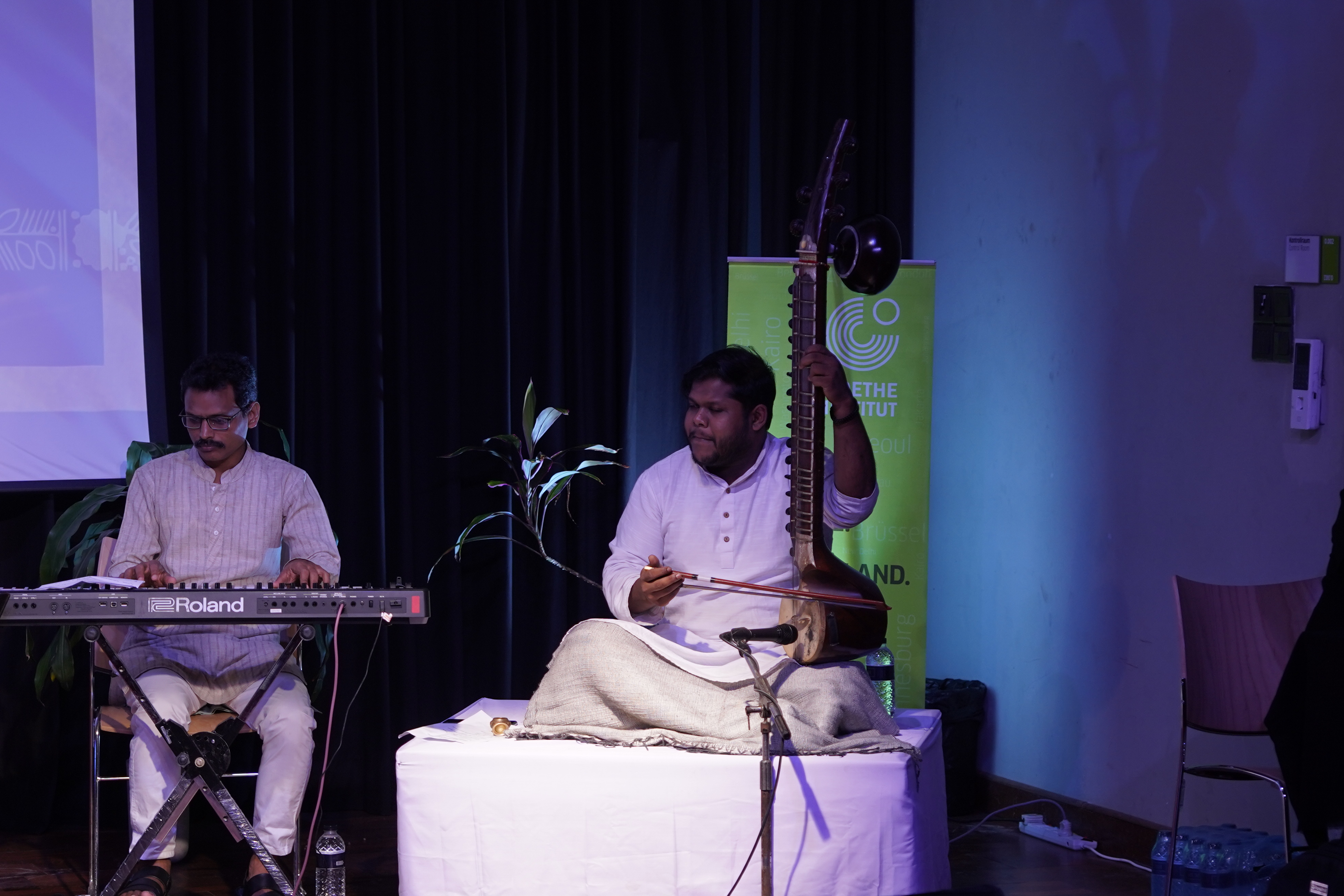
The musicians supporting Sanchita were Goutam Kumar Sarker (Tabla), Mohammed Nashir Uddin (Guitar), Md Ashikul Islam (Esraj), Rabins Choudhury (Keyboard), and Bidyut Roy (Octopad).
 For all latest news, follow The Daily Star's Google News channel.
Comments