


Child stunting is putting our future at risk

The implication of 24 percent of our children (aged five and under) being stunted due to chronic malnutrition and poor health during early childhood, can only be described as devastating. It is a deep-seated handicap in the future of our most precious asset—our human resources. The sobering statistic has come from Bangladesh Bureau of Statistics’(BBS) and experts have delineated the main causes: poverty, poor nutrition, early pregnancy, and unhealthy practices.
The survey shows that one in four children have been deprived of proper nutrition in the first three years of their life, which is a critical period for physical and brain development. It is predictable how this deprivation will affect the future of these children, increasing their vulnerability to respiratory conditions and diarrhoeal diseases, which can be attributed to death in early childhood. Poor nutrition was a factor in the recent deaths of hundreds of children afflicted with measles and measles-like symptoms. Malnutrition also hinders brain development, adversely affecting cognitive abilities, and hampering learning and educational attainment. A World Bank study found that stunted children often enrol in school later, repeat grades, and have lower education levels compared to their healthier peers. If this learning gap remains unaddressed, it will lead to lower skills and educational levels with corresponding low-paying employment. Thus, malnutrition continues the vicious cycle of poverty. And we cannot plan for a prosperous country when such a large proportion of the population is deprived of reaching their productive potential.

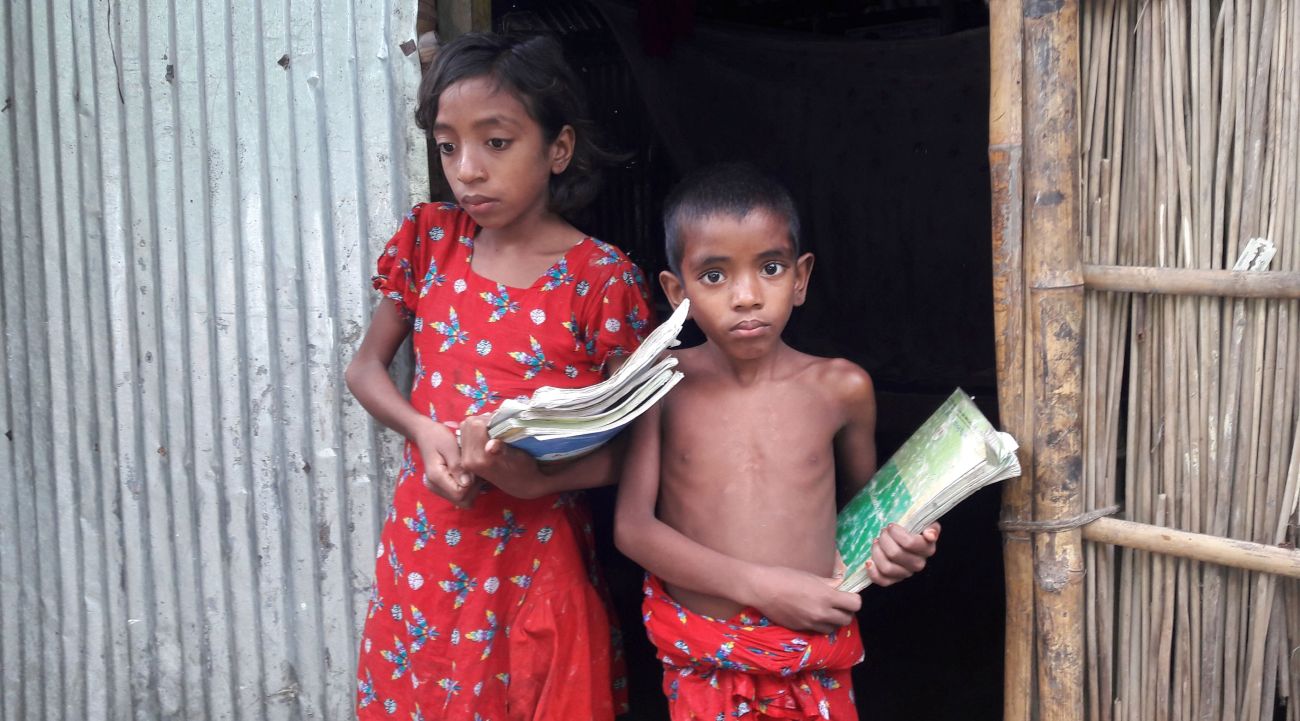
Sadly, for decades the root causes of malnutrition have not been addressed effectively. One of these is child marriage, which is very high in Bangladesh and leads to early pregnancy, increasing risks for both mothers and their babies. Most women in poor households do not get the recommended minimum of four checkups during pregnancy, which results in complications such as low birth weight and maternal malnutrition going unchecked.
Government interventions, therefore, must start with preventing child marriage using the relevant law, providing incentives for girls to stay in school, and conducting awareness campaigns about the harms caused by child marriage. Authorities must also keep food prices low, and increase the scope of open market sales (OMS) and other programmes that provide poorer citizens with subsidised or free food rations. Improving nutrition also requires massive awareness building and educating people on what constitutes nutritious food. Programmes to teach women, often in charge of the family’s meals, to grow kitchen gardens near their homes and which foods are nutritious and which are not can go a long way. School curricula should also feature lessons on nutrition from the earliest classes.
To address the critical issue of our children growing up stunted, a comprehensive, sustained, and well-coordinated effort involving the government, communities, schools, and families is essential. Bangladesh cannot aspire to achieve higher economic growth and development while so many of its children are being denied the opportunity to reach their full potential.
 For all latest news, follow The Daily Star's Google News channel.
Comments