


Do not overload young learners
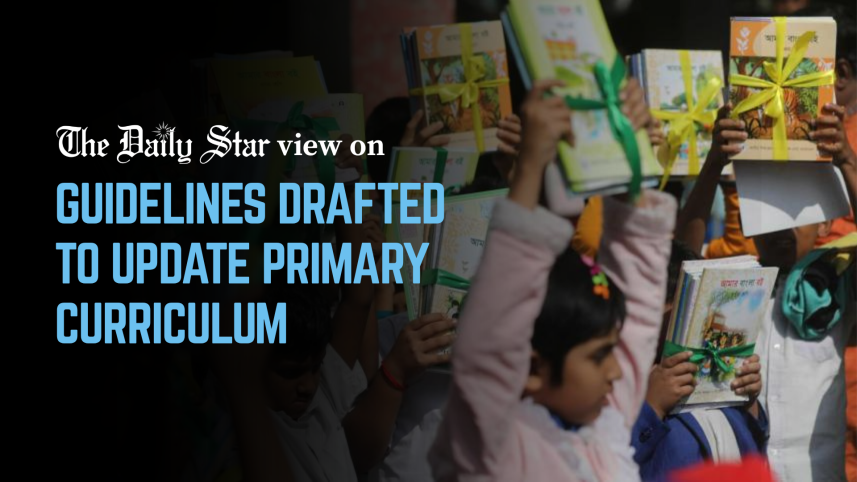
Education planners have come up with two major ideas that appear commendable on the surface, but can turn into a cause of concern at the implementation phase. The first is a set of draft guidelines from the primary and mass education ministry, which suggests that materials to be taught in every class from one to five should be designed after defining what a child should know and be able to do by the end of class five. The second is the National Curriculum and Textbook Board’s plan, as reported by Prothom Alo, to design the content of four new textbooks—two for class four and two for class six. Together, they show a system being overhauled, perhaps for the right reasons.

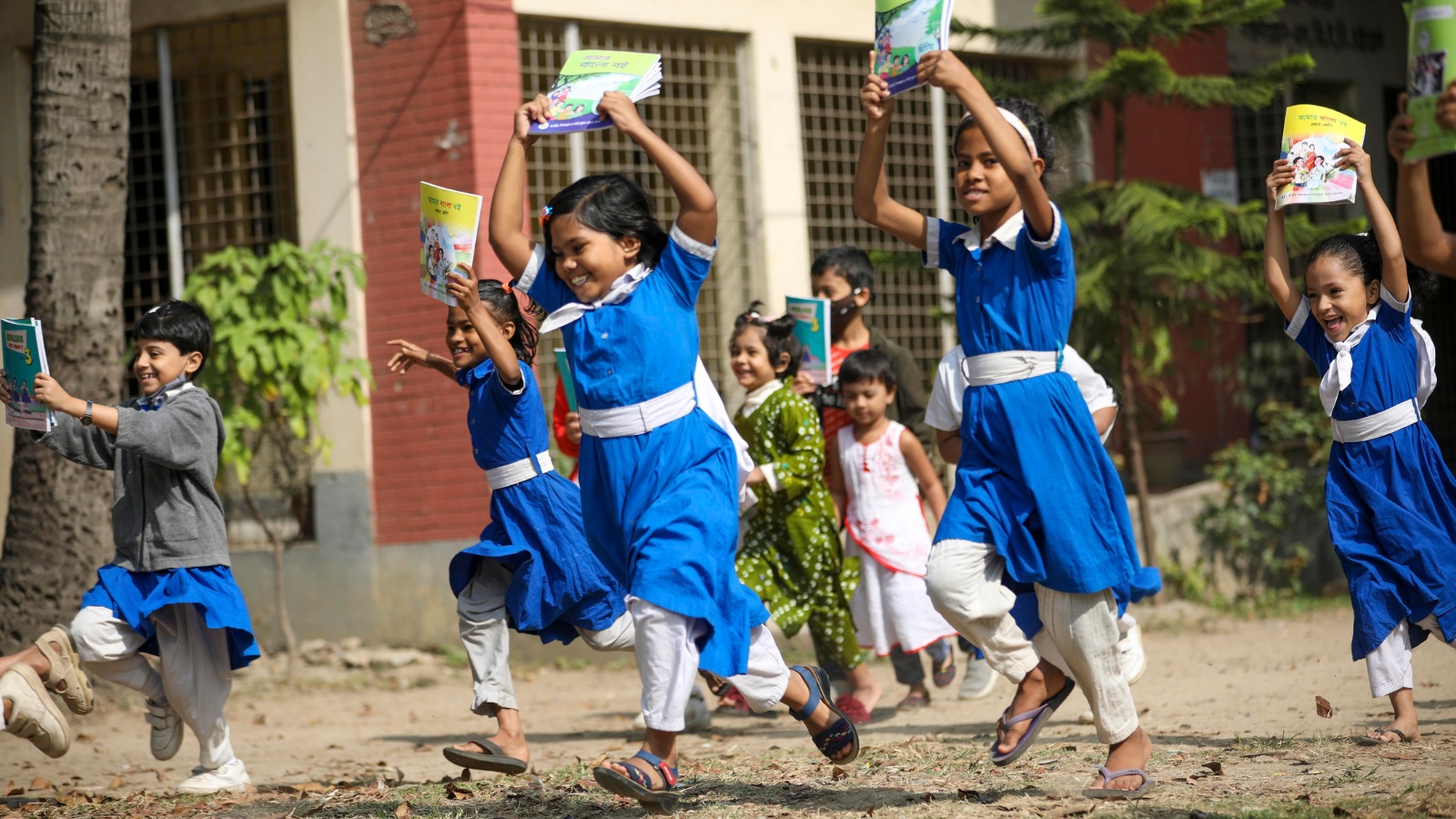
In Bangladesh's primary schools, curricula are often built around what teachers can cover, rather than what pupils can learn. The habit of measuring progress by pages completed, rather than skills acquired, has produced generations of pupils who can recite a textbook passage without being able to write an original paragraph, or repeat a multiplication table without applying it to a word problem. Therefore, it is a sensible corrective that every class should produce "one observable learner action"—reading, writing, solving and explaining—and that every textbook will come with a teacher guide, a remedial pathway and an assessment checklist. Also, countries that have improved learning outcomes at scale did so by prioritising reading and arithmetic in the first three years of school, before introducing more ambitious content. Bangladesh's proposal to treat class three as a "bridge" between learning to read and reading to learn follows the same logic and is one of the more precise ideas.
However, one real cause for concern is that students may end up overburdened. Where the proposed reform gets heavier is the second half: the growing list of new subjects. For class four, there’s a sports textbook that teaches eight disciplines, from badminton to martial arts, alongside first aid and "sport and mental wellbeing;" a culture textbook cataloguing folk songs, regional dress, minority languages and festivals. For class six, there’s a technical-education primer built around dignifying manual skills; and "Learning with Happiness," a subject devoted to gratitude, good company and the avoidance of bad influences. These lessons are important in a culturally diverse country as ours, and also because many children spend too little time in physical activity here. Besides, vocational dignity is a serious economic proposition in a country that still undervalues technical skill relative to white-collar credentials.

But four new subjects, arriving at the same moment as a wholesale redesign of the core curriculum, may overload students. Materials should not become too text-heavy or packed with difficult concepts before learners are ready. Textbook-writing committees need a sharp sense of what actually resonates with young learners. The risk is not that any particular book is badly conceived. It is that the weight of ambition sometimes outpaces the system's ability to teach it well. Therefore, the motto should be fix what fails, and assess it honestly.
 For all latest news, follow The Daily Star's Google News channel.
Comments