


Protect RMG workers from rising heat
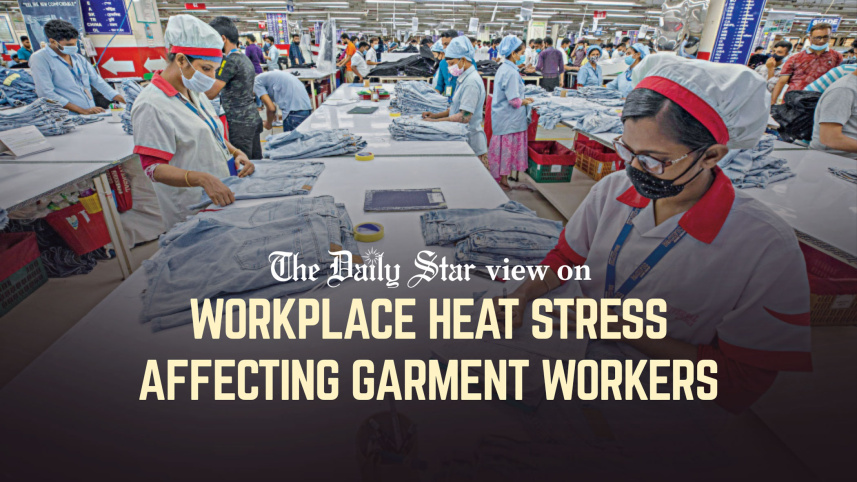
Dhaka endured a seven-month heat stress season in 2025, a pattern the Global Labor Institute at Cornell University calls “the new norm.” Its research also found that over two decades, 17 of 23 apparel production centres studied recorded over a 10 percent rise in the average number of days with temperatures above 35 degrees Celsius. For those on Bangladesh’s factory floors, extreme heat is now a permanent condition of work.
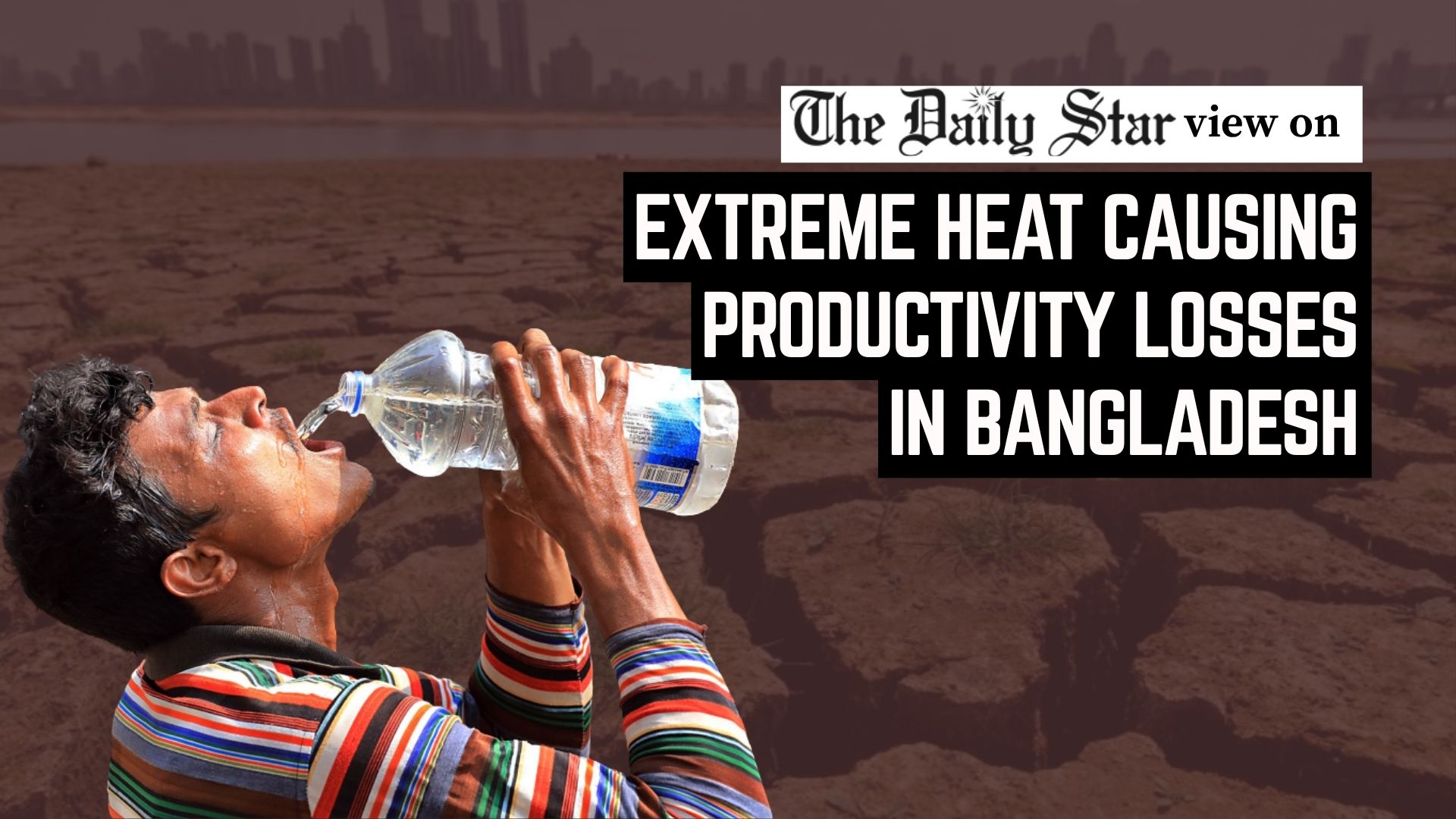
The costs are already visible. The study linked heat stress to an average 4.1 percent loss in work-time across eight garment factories in the country. Climate Rights International (CRI), citing ILO calculations, estimates that seven crore workers in Bangladesh faced excessive heat on the job in 2020—a 51 percent rise over 20 years. Without proper adaptation measures, the country is projected to lose 4.84 percent of working hours by 2030, which is equivalent to 38 lakh full-time jobs. In 2024, the ILO linked excessive workplace heat to 18,970 deaths and nearly 2.29 crore injuries a year globally.

Against this backdrop, the American Apparel and Footwear Association’s (AAFA) new heat stress management toolkit is welcome. It urges factories to set maximum heat thresholds, adjust workloads and breaks according to heat conditions, and introduce medical monitoring. Importantly, it says brands and manufacturers should share the cost of building resilience. Addressing high heat stress across Bangladesh’s apparel export industry would cost an estimated $239 million. Spread over three years, that is just 0.2 percent of 2025 apparel export revenue. Set against a 4.1 percent productivity loss, the question is not whether the industry can afford to invest but whether it can afford not to. Given the social and economic loss at stake, we urge all relevant bodies to act.
However, it is a little discouraging that the president of the Bangladesh Apparel Workers Federation says he has not heard of the toolkit. Meanwhile, the BGMEA president says no official directive has come from the AAFA, even as individual factories have received instructions from buyers. We would like to stress that shared responsibility must mean shared cost. Buyers who issue heat directives must reflect them in prices and purchasing terms, rather than pushing the bill onto suppliers. The government must also set and enforce a workplace heat threshold and back sectoral adaptation funds targeted at the most exposed jobs. BGMEA, brands and unions need one coordinated framework, with workers given a real seat at the table. Without these steps, the losses in productivity, workers’ health and jobs will keep compounding.
 For all latest news, follow The Daily Star's Google News channel.
Comments