


A-Challan can change how we manage public money

Bangladesh took a major step towards modernising public financial management by making A-Challan compulsory for all government revenue collections from July 1, 2026. What began as a digital payment solution has evolved into a nationwide system of collecting government receipts. This reform goes beyond a simple substitution of paper receipts with electronic transactions; it is about making the collection and management of public money more transparent, efficient and reliable.
For many years, government payments in the country were processed through paper-based challan systems. Citizens and businesses were often required to complete physical forms, visit banks, and submit the supporting documents before payments could be verified and recorded. While the system served its purpose, it was time-consuming, resource-intensive, and occasionally prone to delays, errors and reconciliation challenges. As digital services expanded across the country, the need for a faster, more efficient and user-friendly approach became increasingly evident.

Introduced as part of a broader digital transformation agenda, A-Challan enables electronic government payments while ensuring faster revenue transfers to the Treasury Single Account (TSA), automated reconciliation, reduced fiscal risks, and improved service delivery through a more convenient and transparent payment system. The significance of this reform extends beyond convenience. Every government payment represents public resources that must be accurately recorded and monitored. If revenue information is delayed or scattered across different systems, it becomes more difficult for policymakers and finance officials to get a correct picture of government finances. Digital systems can help overcome these bottlenecks by creating transaction records promptly and making information available more quickly.
Greater transparency regarding public money is another major advantage of mandatory A-Challan. Digital payments leave a clear electronic record that can be tracked and verified. This reduces the risk of mistakes associated with paper-based documentation. It also strengthens accountability by making it easier for auditors and financial managers to verify transactions and monitor the flow of public funds.
Another important benefit relates to treasury cash management. The government requires timely information on revenue inflows to make informed decisions on expenditure, budget execution, and cash planning. Delays in recording and reconciling receipts can create information gaps that affect these decisions. Because A-Challan records transactions digitally, relevant information becomes available more quickly, helping improve financial oversight and planning.
The full value of A-Challan becomes even clearer when viewed alongside the government’s Integrated Budget and Accounting System, commonly known as iBAS++. Bangladesh has already made significant investments in strengthening digital public financial management through this platform. By linking revenue collection more closely with budgeting, accounting and financial reporting systems, the government can move towards a more integrated and efficient financial management environment.
The benefits extend to citizens and businesses as well. Digital payment options decrease the need for repetitive visits to banks and government offices and simplify compliance procedures. Electronic receipts provide immediate proof of payment, reducing uncertainty and making interactions with government agencies easier.
However, successful implementation of this requires continued attention to user awareness, training and technical support. Some users may still be unfamiliar with digital payment processes, while certain institutions may need additional capacity to ensure a smooth transition. Addressing these challenges will be important to maximise the benefits of the reform and ensure that no users are left behind.
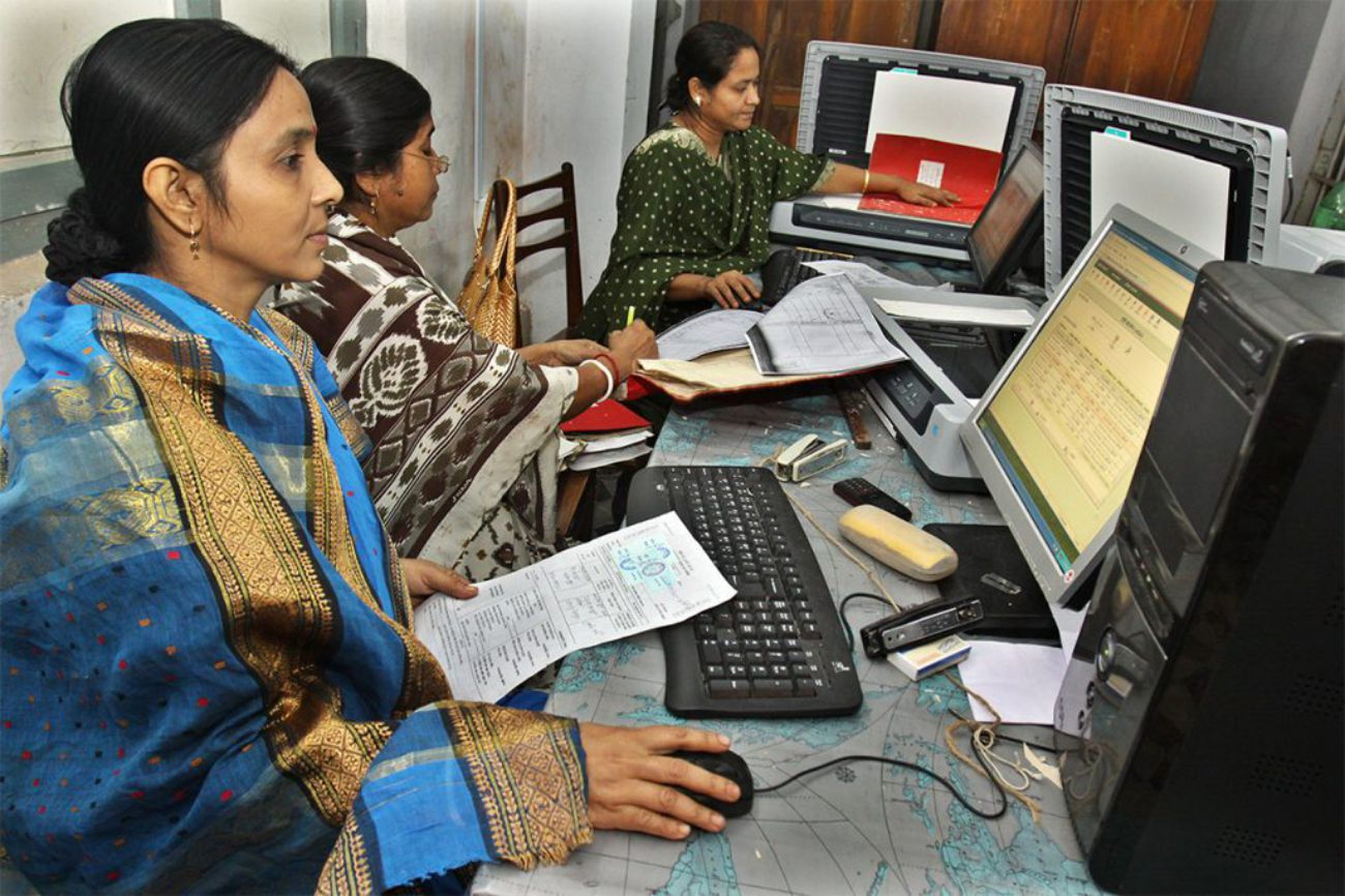
The reform has already demonstrated strong uptake and tangible benefits. A-Challan collections reached approximately Tk 2,65,708 crore in FY2024-25, reflecting the system’s growing role in collecting government non-tax revenues and service fees. Collection trends strengthened further in FY2025-26, with transaction volumes and values continuing to rise—Tk 4,07,225.94 crore, up by 50 percent from the previous year’s collection—indicating increasing institutional adoption and user confidence. The system has also improved treasury cash management by reducing revenue float and providing timelier visibility of government cash balances, thereby supporting more effective financial planning and oversight.
In my view, mandatory A-Challan is more than a technological upgrade. It represents a shift towards data-driven public financial management where government revenues are collected, recorded and monitored with greater speed, transparency and accuracy. As Bangladesh continues its digital transformation journey, the success of this reform could serve as an important foundation for the next generation of public financial governance.
Rizwana Tabassum is a public financial management professional and PhD researcher.
Views expressed in this article are the author's own.
Follow The Daily Star Opinion on Facebook for the latest opinions, commentaries, and analyses by experts and professionals. To contribute your article or letter to The Daily Star Opinion, see our guidelines for submission.
 For all latest news, follow The Daily Star's Google News channel.
Comments