


As tourism changes, let’s not lose sight of why we travel

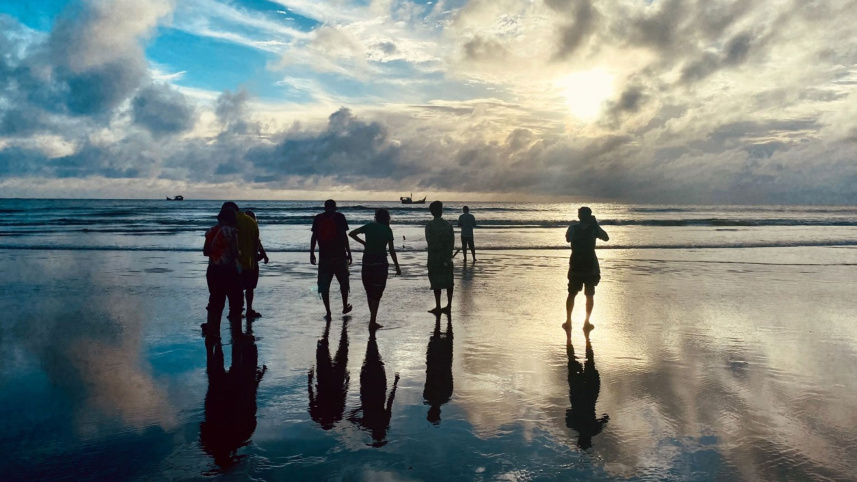
Travelling is common among almost all species. Birds migrate to survive the winter. Whales and dolphins travel long distances to feed and breed. Salmon and hilsa move between rivers and the sea to lay eggs and reproduce. Even tiny organisms, such as plankton, move up and down through the water to avoid predators.
Movement, then, is hardly unique to humans. But what is distinctively human is the tendency to travel for the sake of travelling. We go to a place because we are curious about it or because staying in the same place for too long feels limiting.

Tourism, viewed as an industry, naturally has other purposes—generate employment, bring in revenue, develop connections. But for the traveller, travel is personal. Travelling may open one’s eyes and give them joy because it breaks routine and because they, for a change, are able to allow themself to enjoy their time without guilt. In that sense, perhaps travelling is crucial for the rejuvenation of the soul.
Familiarity with one’s surroundings makes one’s perception lazy. We forget to notice elements in our everyday life because things are the same each day. Travel interrupts this familiarity. The novelty of it forces the eyes open. And once we begin looking outwards, we also begin looking more deeply inwards. This is one of travel’s most profound qualities. This idea is supported by both philosophy and modern psychology: encountering unfamiliar places can makes us notice not only the outside world more closely, but also our own habits, assumptions, and identity. Research on transformative tourism finds that travel experiences can indeed have longer-lasting effects on a person’s sense of self.
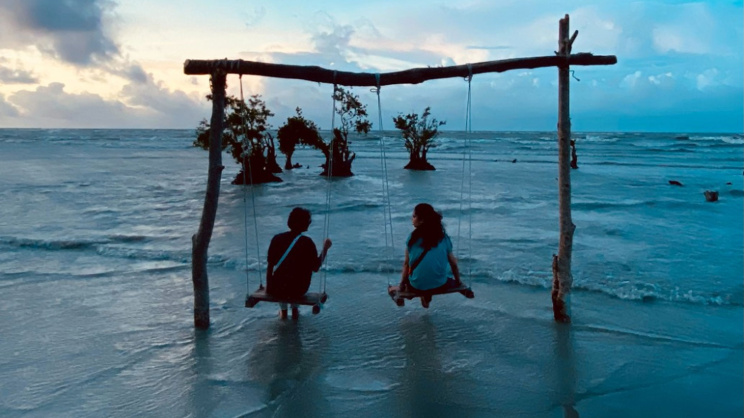
In childhood, we spend a great amount of time exploring as we experience the world for the first time. But in adulthood, and especially in a neo-capitalist world, we don’t have the time and chance to explore. Travelling recreates the joy of exploring—an integral part of our childhood. The nostalgia, with the joy of exploration, makes travelling personal and gives it soul.
Unlike childhood, adulthood demands that we justify our time usage. Activities must be productive, profitable, educational, healthy, or otherwise useful. Even leisure is often labelled as time for self-improvement. We exercise to optimise the body, read to improve our intellect, and expand our network while socialising. But travelling leaves room for surprise, and surprise is a great teacher.
In Bangla, there is a beautiful expression: taire-naire. It means to wander around aimlessly, doing this and that, going here and there, without a serious purpose or a rigid agenda. Taire-naire is my favourite kind of travel. When we taire-naire—we are permitting ourselves to let go.
Letting go also means accepting the unknown. The friction of travelling makes one hyper-aware of the comfort of familiarity they’ve left behind. Travel forces you to realise that the “natural” way things work at home is actually just one highly specific construct among many. Sometimes, travel helps us view spectacular landscapes or famous monuments. But what remain years later are the stories, the views, and the yearning for more of that feeling.
Of course, travel is never an inward experience alone. The moment we enter another place, we affect others. World Tourism Day 2026 is being marked under the theme “Digital Agenda and Artificial Intelligence to Redesign Tourism,” reflecting how technology is changing the way people experience places. But the experience goes two ways—the destination bears witness to the traveller just as the traveller bears witness to the destination. That is why travelling must be ethical.
What does it then mean to travel ethically? It means remembering that the places we visit are also homes, ecosystems, workplaces, and communities. A scenic beach can be a breeding site for marine life. A valley is the home of Indigenous communities. The hills and forests are sanctuaries for countless species of animals and plants. The hotel worker, driver, guide, or restaurant employee makes our experience possible with their labour. An ethical traveller, therefore, is aware not only of what they take with them but also of what they leave behind.
In Bangladesh, far too often, we break the natural quiet of serene mountains and coastal shores by blasting our Bluetooth speakers and littering thoughtlessly. If we cannot enjoy a place without overpowering it with our presence, we have missed the point of travelling itself.
Perhaps ethical travel begins with one’s ability to be attentive. To travel well is not merely to see another place, but to recognise that it existed before our arrival and will continue to be there once we leave. If travel really opens our eyes, it should also make us more conscious of how we move through other people’s worlds.
Sifat Afrin Shams is a member of the editorial team at The Daily Star.
Views expressed in this article are the author's own.
Follow The Daily Star Opinion on Facebook for the latest opinions, commentaries, and analyses by experts and professionals. To contribute your article or letter to The Daily Star Opinion, see our guidelines for submission.
 For all latest news, follow The Daily Star's Google News channel.
Comments