


What indigenous communities can teach us about water

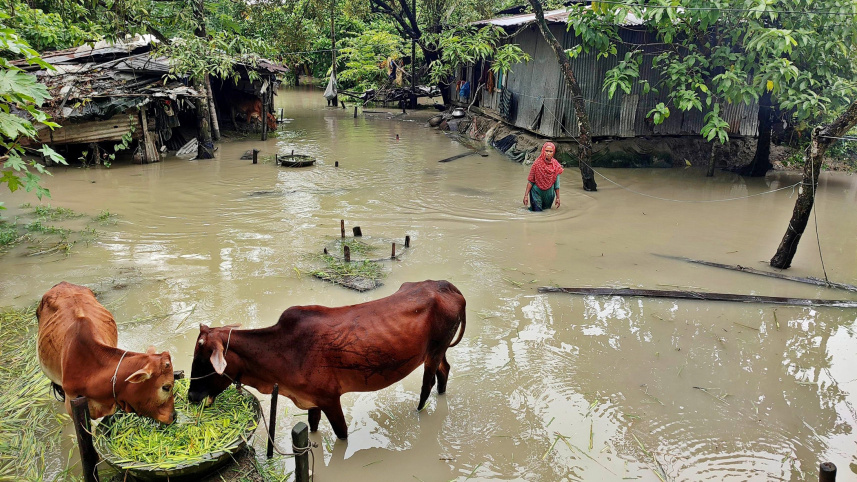
Water is more than a natural resource for Bangladesh’s Indigenous communities—it is a source of life, culture, identity, and spirituality. Across the Chittagong Hill Tracts (CHT), the northern plains, Sylhet, and parts of the coastal region, Indigenous peoples have lived in close harmony with forests, streams, and springs for centuries. Their relationship with water is guided not only by necessity but also by traditional beliefs that emphasise respect for nature and responsible use of natural resources.
Many Indigenous communities view forests, hills, and water sources as interconnected ecosystems. Protecting forests around springs, preventing stream pollution, and using water responsibly are often embedded in customary practices passed down through generations. Long before concepts such as Integrated Water Resources Management (IWRM), ecosystem-based adaptation, or nature-based solutions entered development discourse, Indigenous communities were already practising many of these principles in their daily lives. Ironically, despite their deep connection with nature, many Indigenous communities continue to experience some of the country’s greatest water, sanitation, and hygiene (WASH) challenges.

Access to safe drinking water remains difficult in many remote settlements, particularly in the CHT. Communities often depend on natural springs, locally known as chhara, rainwater harvesting, or small streams. During prolonged dry seasons, these sources become unreliable as changing rainfall patterns and deforestation reduce groundwater recharge. Women and girls frequently spend hours collecting water from distant sources, affecting education, livelihoods, and well-being.
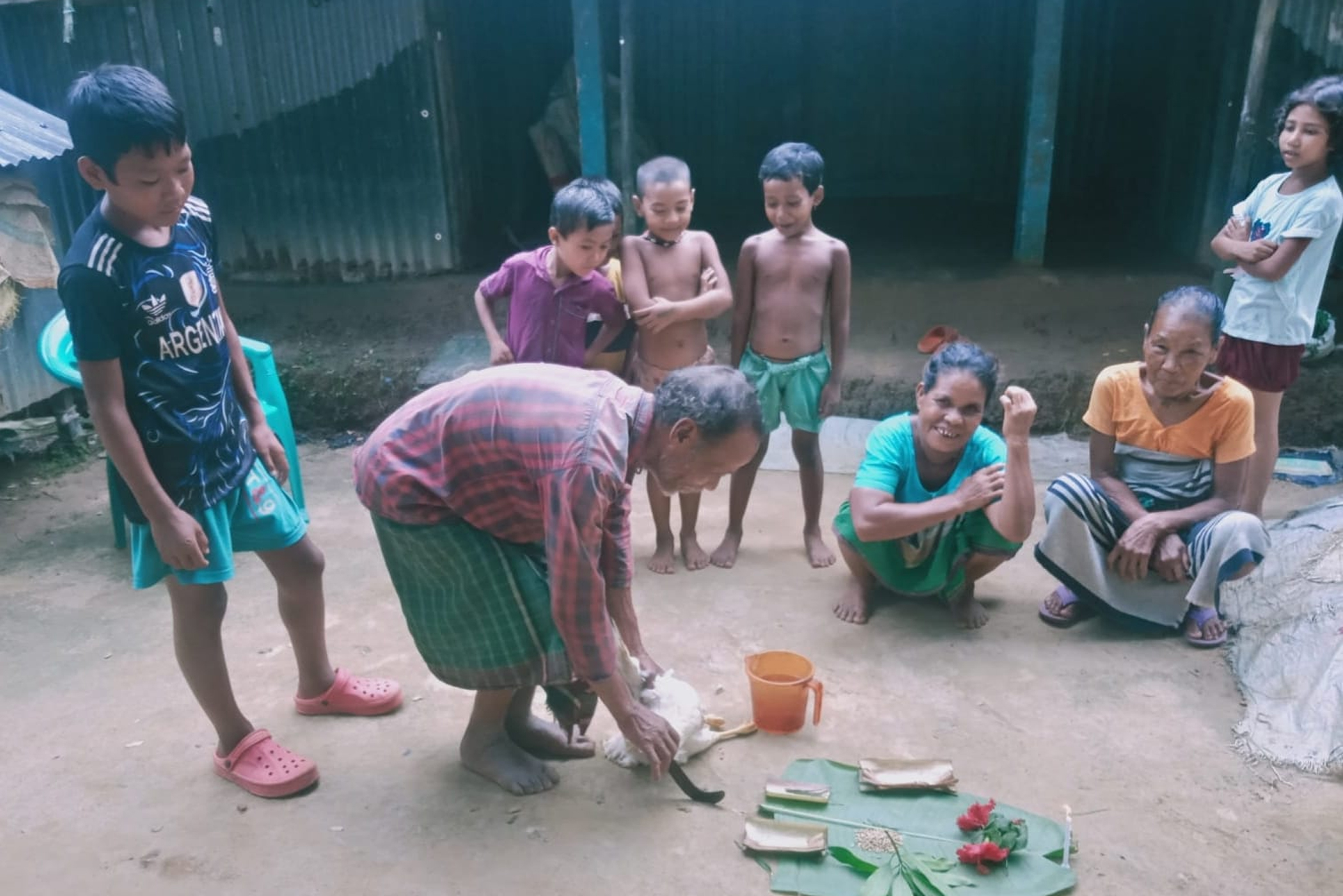
Sanitation poses equally complex challenges. Conventional sanitation technologies designed for Bangladesh’s floodplains do not always suit steep hillsides or dispersed settlements. Poor road connectivity makes construction and maintenance difficult, while schools and healthcare facilities in remote Indigenous areas often lack adequate WASH services. These challenges are not simply geographical; they also reflect decades of uneven public investment and limited consideration for local realities in planning and implementation. Addressing these issues requires looking beyond infrastructure alone.
For instance, water supply and sanitation are often treated as separate development areas, when they are inseparable from the broader management of water resources. A community cannot enjoy safe drinking water if forests that recharge springs are degraded. A sanitation system cannot remain sustainable if upstream catchments are polluted or local ecosystems are damaged. WASH is therefore not only a public health issue but also an essential component of IWRM, where water, land, ecosystems, and communities are managed together.
This broader perspective is particularly relevant as Bangladesh faces growing climate uncertainty. Erratic rainfall, prolonged dry spells, landslides, and ecosystem degradation are placing increasing pressure on freshwater resources, especially in ecologically sensitive regions inhabited by Indigenous peoples. Building resilience requires more than engineering solutions; it demands an understanding of how natural systems function and how communities have adapted to them over generations. This is where Indigenous knowledge offers valuable lessons.
For generations, Indigenous communities have understood that healthy forests sustain healthy springs, that watersheds must be protected to secure water supplies, and that water should be shared responsibly within communities. These principles closely mirror modern scientific understanding of watershed management and climate resilience. Yet Indigenous knowledge remains largely absent from mainstream water policies and development planning.
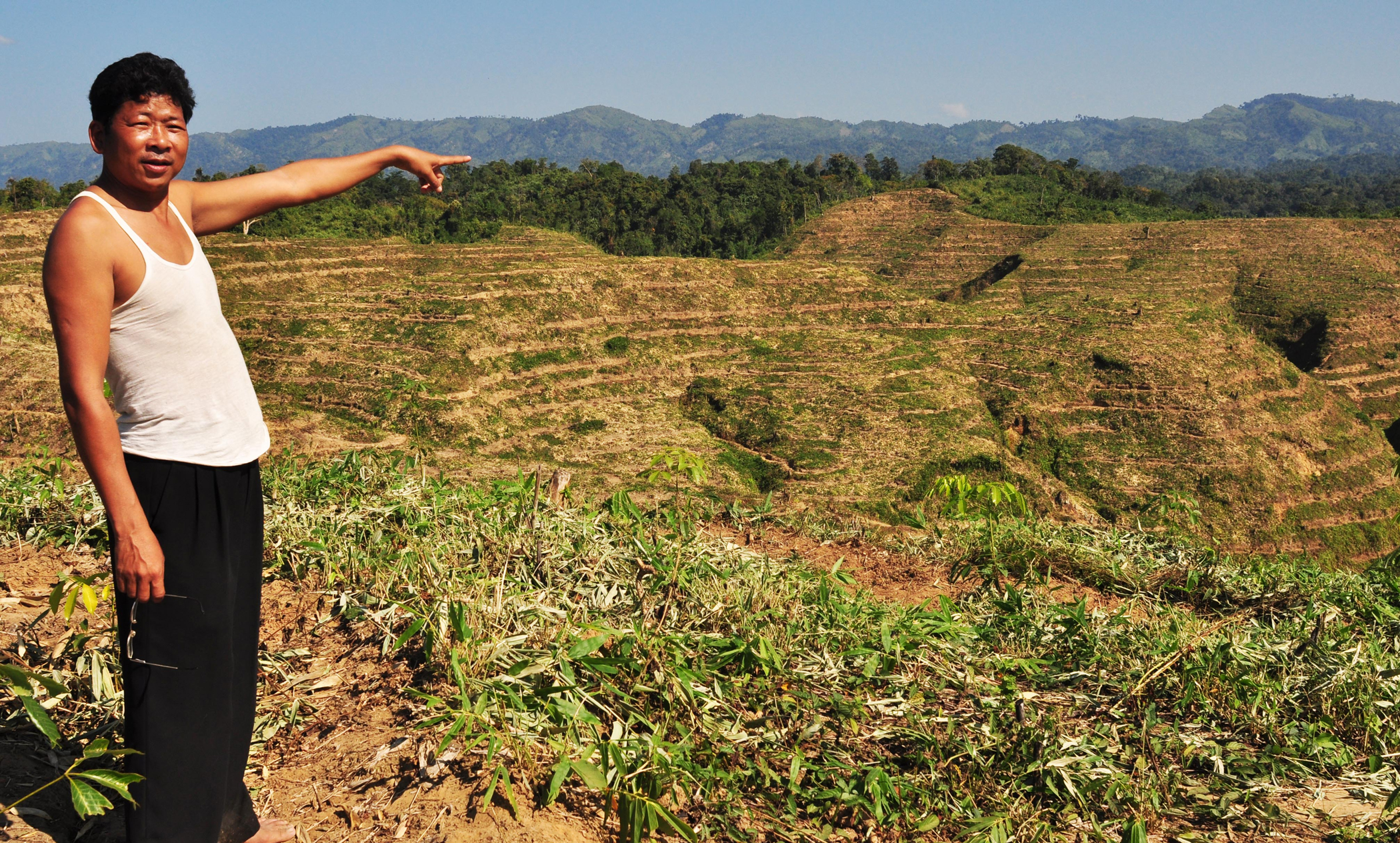
Bangladesh has made remarkable progress in expanding access to drinking water and sanitation across the country. However, national averages can conceal persistent inequalities in remote and marginalised communities. Achieving the Sustainable Development Goal of ensuring universal access to safe water and sanitation requires reaching those who are hardest to serve with solutions that are technically appropriate, culturally acceptable, and environmentally sustainable. This also calls for rethinking water governance.
Effective water governance is not only about institutions, policies, and investments. It is equally about participation, inclusion and recognising different forms of knowledge. Indigenous communities should not be viewed merely as beneficiaries of development projects but as partners in designing, implementing, and managing water systems. Their participation can improve local ownership, strengthen environmental stewardship, and increase the long-term sustainability of water interventions.
Women’s voices deserve particular attention. Indigenous women are often the primary managers of household water and possess detailed knowledge of seasonal water availability, water quality, and local ecosystems. Ensuring their meaningful participation in water governance can lead to more responsive and equitable decision-making.
Recognising Indigenous knowledge does not mean rejecting modern science or technology. Rather, it means combining scientific innovation with centuries of local experience. Climate-resilient water infrastructure, improved sanitation technologies, hydrological monitoring, and digital tools can all become more effective when informed by Indigenous understanding of local landscapes and ecosystems.
As Bangladesh prepares for an increasingly uncertain water future, there is much to learn from communities that have long understood that water cannot be separated from forests, land, biodiversity, and culture. Their knowledge reminds us that conserving water begins with conserving the ecosystems that sustain it and that governance succeeds when local communities become active stewards rather than passive recipients.
The conversation should therefore extend beyond improving WASH services. It should acknowledge Indigenous communities as custodians of ecological wisdom whose knowledge can enrich Bangladesh’s journey towards inclusive water governance, sustainable water management, and climate resilience. A water-secure Bangladesh will not be built by engineering alone, but by respecting the diverse knowledge systems that have safeguarded water for generations.
Nazmun Naher is a water resources expert with extensive experience in regional and international integrated water resources management. She can be reached at nnazmun.mita@gmail.com.
Views expressed in this article are the author's own.
Follow The Daily Star Opinion on Facebook for the latest opinions, commentaries, and analyses by experts and professionals. To contribute your article or letter to The Daily Star Opinion, see our guidelines for submission.
 For all latest news, follow The Daily Star's Google News channel.
Comments