Paradise lost and found: Rediscovering early modern Bengal

Jadavpur University, Kolkata, has recently been in the news for all the wrong reasons. Renowned for decades as a premier state unitary institution, Jadavpur has long maintained an outstanding record in research and pedagogy. Home to some world-class departments, it commands immense respect across academic fraternities. Its bright student body has always been fearlessly vocal against violations on the part of ruling dispensations, whether left, right, or centre. Equally, large sections of its distinguished faculty act as silent crusaders in their disciplines, specialised areas of research and expertise, with a strong commitment to dedicated scholarship and teaching. Politically sharp yet fiercely independent, they maintain a critical distance from campus disruptions and the everyday nonsense that political regimes seek to perpetrate on the university campus. One such deeply respected scholar is Dr Tilottama Mukherjee of Jadavpur’s Department of History. Away from the spotlight and somewhat self-effacing, Dr Mukherjee has emerged over the last couple of decades as a highly committed teacher and learned supervisor of dozens of MPhil and PhD dissertations on several important themes in the history of early modern Bengal (sixteenth-eighteenth centuries). The determined cohort of talented young scholars trained by her is expanding the field with fresh forays. Her own formidable scholarship is known to scholars within this specialised field, but it has not received the broader recognition it deserves.
Dr Mukherjee argues that late eighteenth-century Bengal possessed a resilient, market-driven, and highly mobile economy. Bengal operated through a decentralised, integrated network of periodic and permanent markets (hats, ganjs, and bazars), robust transport networks, and diverse, dynamic patterns of consumption.
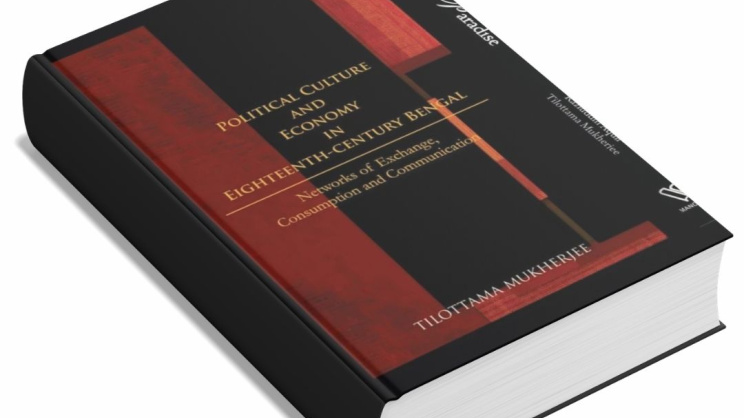
Dr Mukherjee is trained as a historian of medieval India, with degrees from the University of Delhi (Lady Shri Ram College), Jawaharlal Nehru University (New Delhi), and the University of Cambridge (United Kingdom). Her voluminous doctoral thesis, completed under the supervision of the late Cambridge don Professor Sir C A Bayly (the legendary Chris Bayly), was published by Orient Blackswan as Political Culture and Economy in Eighteenth-Century Bengal: Networks of Exchange, Consumption and Communication (2013). The book offers an empirical revision of the economic landscape of eighteenth-century Bengal. It challenges nationalist historiography and early colonial decay narratives that depict pre-colonial and early British Bengal as a period of absolute decline and poverty, a claim that appears close to Professor Partha Chatterjee’s fine distinction between the early modern and the colonial modern in the history of Bengal and South Asia. Dr Mukherjee argues that late eighteenth-century Bengal possessed a resilient, market-driven, and highly mobile economy. Bengal operated through a decentralised, integrated network of periodic and permanent markets (hats, ganjs, and bazars), robust transport networks, and diverse, dynamic patterns of consumption.
According to Dr Mukherjee, the large and interconnected networks of markets were established by diverse social groups, including the Bengal Nazim’s families, zamindars, local elites, merchants, and religious figures such as fakirs and sanyasis. Rather than relying solely on central state extraction, market creation was an enterprise driven by individual initiative, regional competition, and local demand. Spatial and temporal rules, such as alternating market days, were strictly maintained to prevent destructive cannibalisation between neighbouring markets. Linked to this are concerns regarding socio-political conditions and consumption patterns beyond simple subsistence, thereby drawing attention to urban spaces such as Murshidabad, Dhaka, and nascent Calcutta.
Conspicuous consumption among indigenous elites (Nazims, zamindars), evident in the demand for luxury textiles, imported goods, fine architecture, and courtly display, acted as an important driver of local trade and employment. Urban centres sustained extensive service industries spanning hundreds of specialised non-agricultural professions, such as weavers, metalworkers, and papermakers. Dr Mukherjee positions consumption as a primary engine of economic vitality and political legitimacy. The diverse range of goods, architectural patronage, commissioning of paintings, and ceremonial gift-giving were not mere extravagances; they were essential mechanisms through which elite networks, including the Nazims, merchant princes, and local zamindars, constructed authority and established socio-political hierarchies.
Dr Mukherjee’s work also takes readers to places of pilgrimage, drawing attention to what she calls the sacred economy at religious sites such as Gaya, Deoghar/Baidyanath, Puri, and Kalighat, as well as to annual fairs (melas), which were vital commercial nodes rather than purely spiritual retreats. Shrines operated as corporate, profit-oriented enterprises, with priests (pandas) actively attracting pilgrims from across India. The influx of pilgrims injected cash, demand, and foreign coin into local economies, while armed sanyasis and gossains served as major financial lenders, merchants, and traders in high-value goods such as silk and coral.
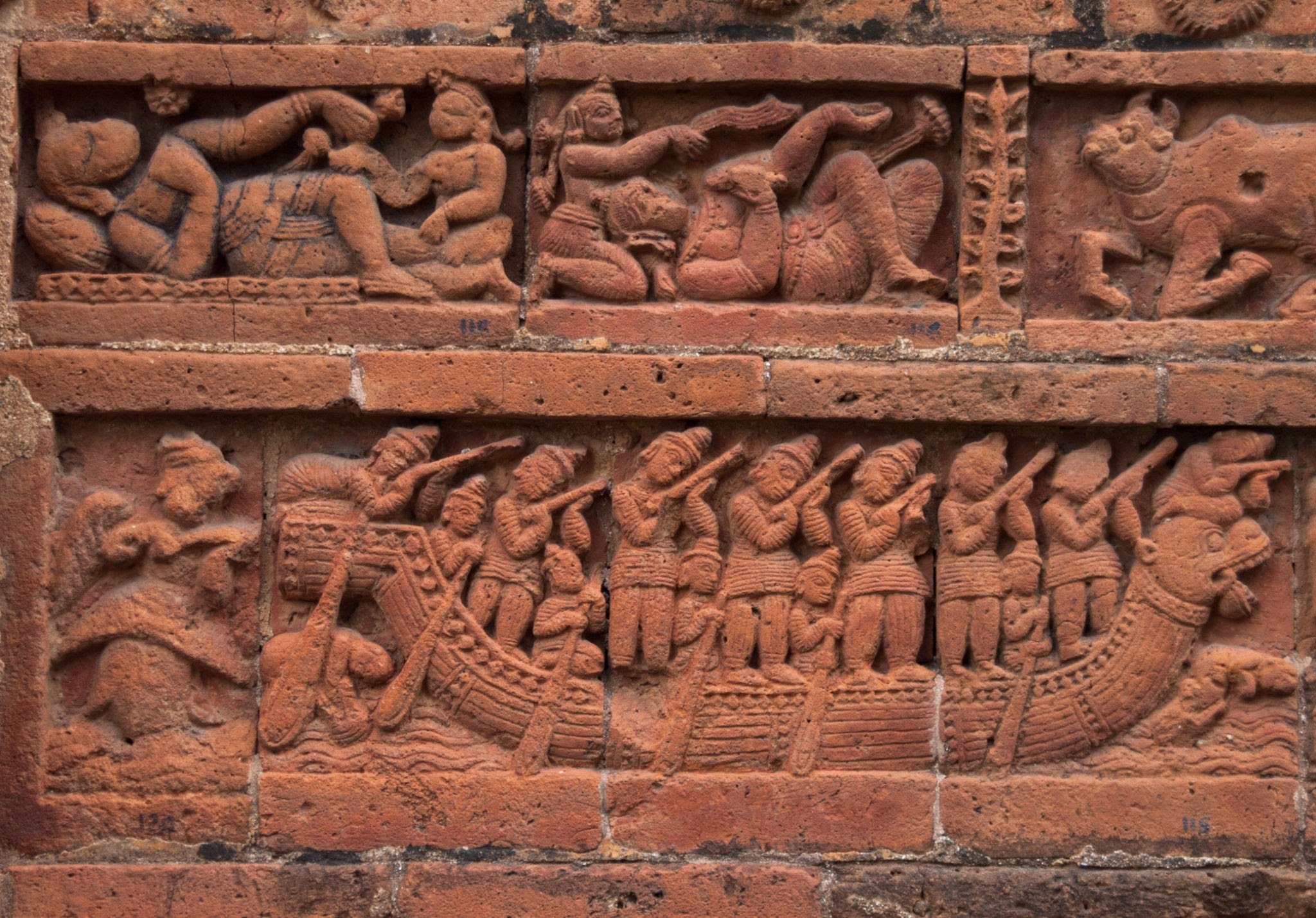
These were facilitated by finely evolved communication and transport networks. Waterways formed the lifelines of regional integration, supplemented by overland road networks. Dr Mukherjee’s research highlights a vast riverine fleet (ulaks, palwars, bajras, pansis) and an organised labour ecosystem (ghat majhis, boatmen, coolies), which enabled the relatively cheap movement of bulk commodities such as grain and salt. It shows the transformation from the traditional functioning of the system under the Nizamat state to the implementation of new rules by the early English East India Company (EIC). The Nizamat state functioned as a facilitator and coordinator. Indigenous rulers regulated trade lightly, protected property, maintained roads and waterways, and actively invested in or supported market creation to build sustainable long-term revenue. By contrast, the early EIC introduced a far more intrusive, interventionist, and extractive state system. By imposing, or at least attempting to impose, monopolies (for example, on salt), restructuring labour, and mismanaging revenue extraction, the early colonial state caused structural dislocations, even as local trade networks maintained significant grassroots resilience through the eighteenth century.
Dr Mukherjee demonstrates how indigenous agency, local enterprise, and regional markets continued to function despite early colonial disruptions and climatic disturbances. In doing so, the focus shifts to neglected subfields. Accordingly, the narrative moves away from high-level state revenue collection towards consumption, transport infrastructure, non-agrarian labour markets, and the sacred economy of pilgrimages.
The strength of Dr Mukherjee’s book lies in its deep empirical grounding, supported by meticulous research in richly endowed archives, including the West Bengal State Archives, Kolkata; the National Archives of India, New Delhi; and the British Library, London. It involved years of extensive study of primary source material, including EIC records (Revenue, Commercial, and Judicial Consultations), estate inventories, field route books, and travel accounts. The analytical prose is, thus, packed with granular archival detail. It also draws on concrete anecdotes, such as a weaver’s petition, a vendor’s inventory, or a pilgrim’s travel account, to illustrate broader economic mechanics. Not confined to the extensive English Company records, the study also deploys other sources to enrich the narrative. Well-known Bengali literary genres (Mangalkavyas, popular ballads, and travelogues such as Tirtha Mangala), alongside visual culture (Murshidabad atelier paintings and temple terracotta panels), are studied to understand indigenous perceptions of wealth, trade, consumption, and physical mobility. What is presented, therefore, is a nuanced historiographical intervention. It avoids sweeping binary generalisations of absolute decline versus unhindered prosperity. Dr Mukherjee demonstrates how indigenous agency, local enterprise, and regional markets continued to function despite early colonial disruptions and climatic disturbances. In doing so, the focus shifts to neglected subfields. Accordingly, the narrative moves away from high-level state revenue collection towards consumption, transport infrastructure, non-agrarian labour markets, and the sacred economy of pilgrimages.
Further, Dr Mukherjee’s work focuses more on the social and structural mechanics of markets than on rigorous quantitative economic metrics such as price movements, interest rates, or real wage trends over time. Also, due to the sheer volume of archival inventories, district tax tables, lists of professions, and route details, her work occasionally reads like an exhaustive archival dump, which can obscure the larger theoretical synthesis. What the details underscore, however, is that neat generalisations are not possible for early modern Bengal. The evidence also reveals regional disparities. It leans heavily on West Bengal and central and eastern administrative hubs (Murshidabad, Dhaka, Burdwan, Dinajpur), offering less coverage of peripheral or sub-deltaic regions. Also, while Dr Mukherjee’s work shows that eighteenth-century Bengal had a functional, market-oriented economy, it leaves the theoretical threshold between market commercialisation and the transition to capitalist development somewhat loose and under-theorised, perhaps deliberately.
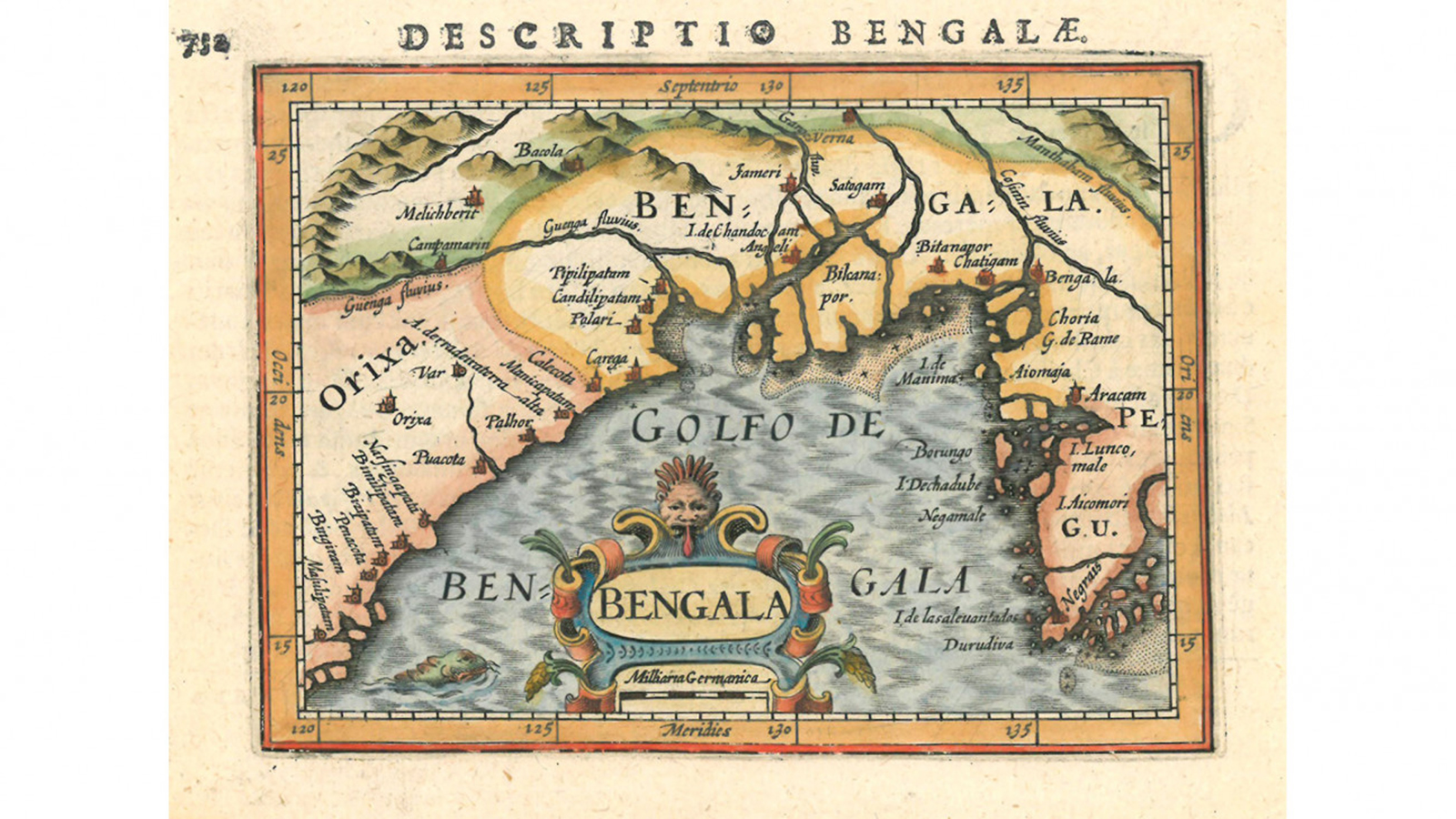
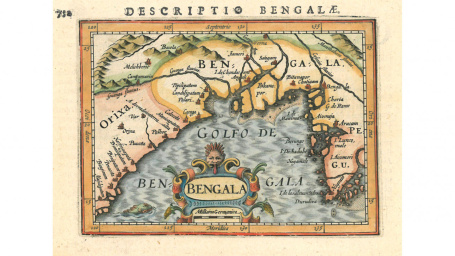
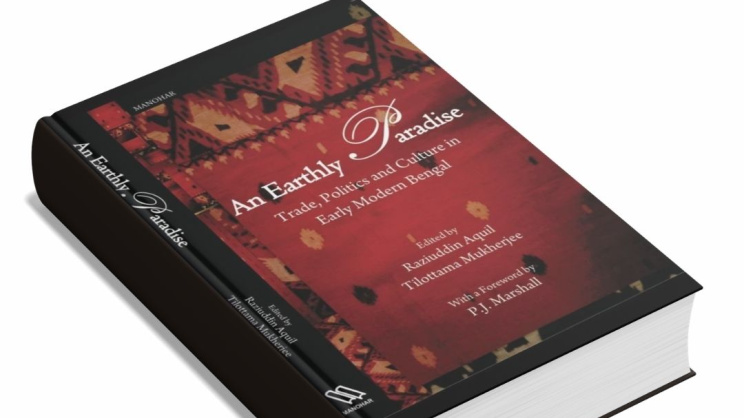
Attention may also be drawn here to this writer’s co-edited volume with Dr Mukherjee, An Earthly Paradise: Trade, Politics and Culture in Early Modern Bengal (Manohar and Routledge, 2020). Dr Mukherjee’s chapter, ‘Trails of Travellers: Descriptions of an Early Modern Region in Some European Accounts’, once again reflects her signature approach to historiography by analysing primary travel literature not merely as factual archives, but as dynamic, subjective texts that capture the socio-economic and spatial realities of early modern South Asia. She examines European travel narratives (such as those by Jean-Baptiste Tavernier, François Bernier, and various East India Company observers) not just as accounts by external observers, but as critical documents of historical imagination and landscape construction. She uses these accounts to trace how early modern travellers perceived and mapped Bengal’s geography, settlement patterns, riverine trade routes, urban centres, and market hubs. She considers these travel accounts to constitute, in effect, a ‘textual mapping’ of the region. The chapter explores how European observers documented local customs, commercial interactions, religious gatherings, and indigenous modes of transportation, providing a cross-cultural lens on early modern Bengal.
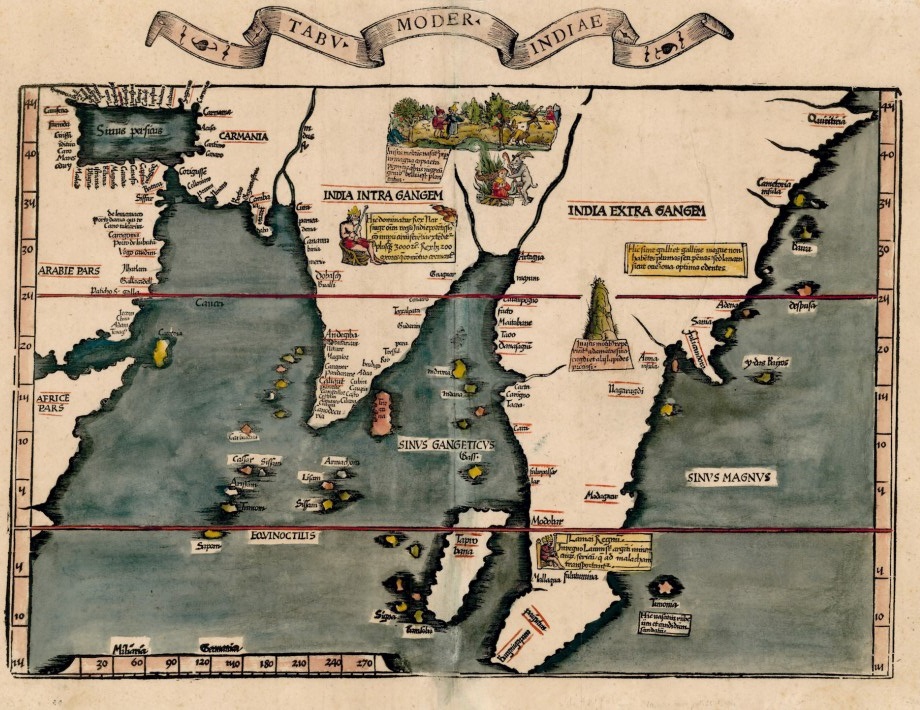
Dr Mukherjee argues that these texts reflect the transformations occurring during the period. They capture Bengal’s integration into global and imperial networks, revealing the interplay of local and extra-local forces. These rapid changes characterised several features of early modernity, as Bengal was simultaneously integrated into the pan-Indian Mughal imperial framework and expansive global maritime and mercantile networks. The expanded geographical horizon is on view in contemporary European accounts, which document an increasingly connected, dynamic space where regional commerce, riverine transport, and international trade routes converged. Dr Mukherjee suggests that early modern European travel writing reflects a shifting European gaze, one that was evolving its own protocols of observation and categorisations of trade, geography, and ethnographic description.
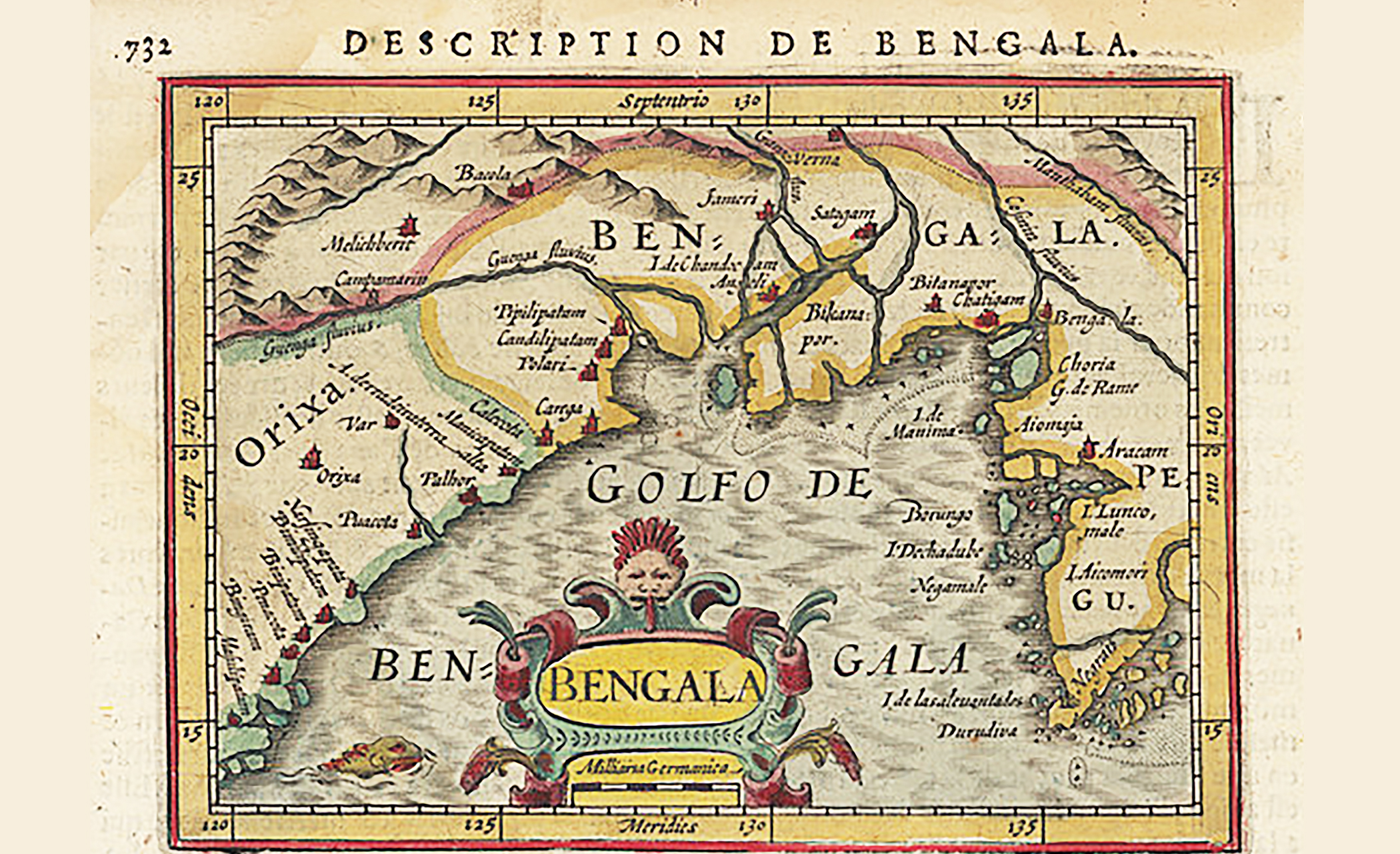
The travel accounts do not merely record an objective reality; they also actively construct the notion of Bengal as a distinct spatial entity with specific economic hubs, a particular cultural landscape, distinct commercial potential, and its own political dynamics. The travelogues capture the vitality of Bengal’s local markets, manufacturing centres (such as those producing textiles and silk), and urban settlements, highlighting the enterprise and adaptability of local actors as they navigate the presence of foreign merchant companies. The texts reflect an early modern awareness of the physical and natural landscape, capturing the region’s complex river networks, ports, and forests as active, lived spaces that shaped trade and human movement. Through these accounts, Dr Mukherjee demonstrates that early modernity in South Asia was a multi-layered historical process defined by heightened connectivity, regional fluidity, and complex cross-cultural encounters. Some of these features, which are part of longer historical processes, have also been dealt with in a volume of essays edited by Dr Mukherjee with Professor Nupur Dasgupta, another distinguished historian at Jadavpur University, Religion, Landscape and Material Culture in Pre-modern South Asia (Routledge, 2023).
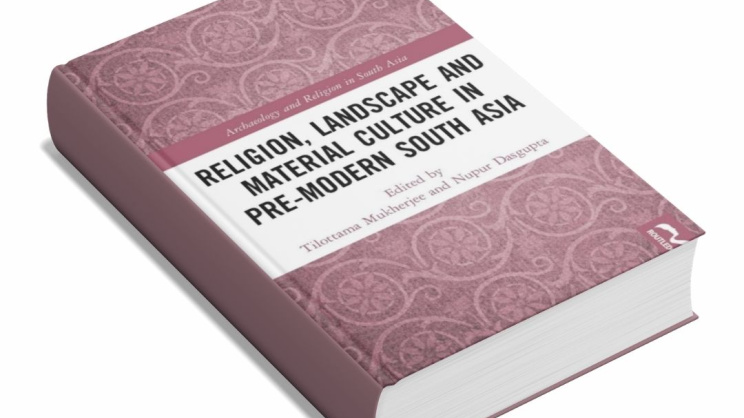
In sum, rather than accepting colonial and European accounts at face value, Dr Mukherjee critically interrogates their biases, Orientalist tropes, and observational limitations while extracting valuable micro-level historical data. Bridging cultural and economic history, her work on travelogues complements her broader scholarship by using qualitative travel descriptions to reinforce structural evidence about Bengal’s mobility, connectivity, and commercial dynamism prior to colonial entrenchment. By analysing how travellers perceived Bengal as an ‘Earthly Paradise’ or the Mughal-Persian Jannat-bilaad, Dr Mukherjee reframes early modern regional identity. This helps in reassessing how the region was integrated into broader global and subcontinental networks long before British dominance, thus offering fresh historiographical insights grounded in rigorous primary-source evidence.
Raziuddin Aquil is Professor of History at the University of Delhi.
Send your articles for Slow Reads to slowreads@thedailystar.net. Check out our submission guidelines for details.
Unbound Mother: The making and remaking of Kaali in Bengal
Do great leaders make history, or does history make them?
Poison and cremation: A forensic history of colonial Bengal
Partition, Bor Porong and the Chakmas’ unfinished struggle for belonging
The young radicals who challenged 19th-century Bengal

More men are cooking. But is patriarchy leaving the kitchen?
Everyday secularism and the Bangladesh we rarely talk about
Reading Sarat Chandra at 150, with empathy
Who really owned Britain’s royal jewels?