Bangladesh's Article 26 challenge: Reforming laws, protecting workers' rights
Just as we cannot breathe without oxygen, we feel suffocated when we cannot speak our minds freely or organise to defend our rights. We lived through such suffocation and isolation under the previous fascist regime. Speaking out could mean losing one's job, being demoted, punished or transferred, or even facing attacks, criminal cases, enforced disappearance or murder. Fear followed us everywhere.
The desire to escape that suffocating sense of isolation is closely connected to Article 26, a term that has attracted considerable attention in discussions about Bangladesh's labour environment in recent years. It encompasses labour law reform, freedom of association, easier trade union registration, the elimination of discrimination and unfair labour practices, and improvements to the government's labour inspection system. Addressing Article 26 is essential to protecting workers' lives, livelihoods and freedom of expression, strengthening Bangladesh's standing in global markets, and sustaining economic growth.
Readers may be wondering what Article 26 actually means. Is it a provision of Bangladesh's Constitution? In fact, Bangladesh, as a member of the International Labour Organisation (ILO), has ratified three conventions: Convention 81 on labour inspection, Convention 87 on freedom of association, and Convention 98 on the right to organise and collective bargaining. However, Bangladesh's failure to implement these conventions adequately led to a complaint being lodged in 2019 under Article 26 of the ILO Constitution.
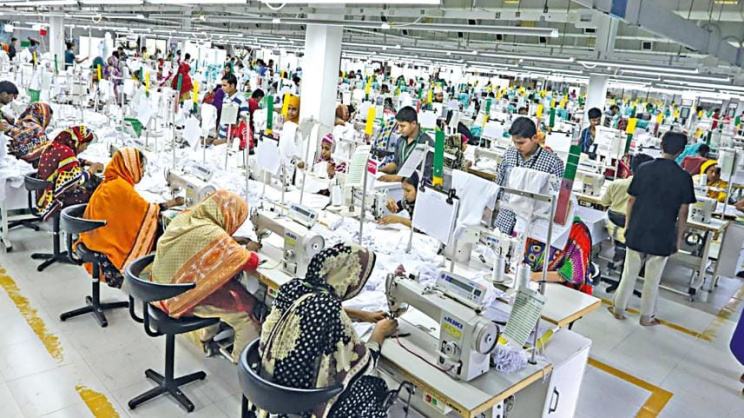
Today, all three parties in the labour sector, the government, employers and workers, are particularly interested in resolving the complaint and implementing the necessary reforms. International representatives and domestic tripartite stakeholders are also actively engaged in the process.
The ILO Governing Body is scheduled to meet this November, and the roadmap sets a deadline of March 2027. I would like to discuss how much progress Bangladesh has made towards meeting those commitments. ILO representatives are already in the country monitoring developments.
There is little doubt that the 2024 mass uprising, and the sacrifices of hundreds of workers, students and ordinary citizens, brought workers' rights to the forefront. It created a historic moment in which improving workers' living standards became a priority. Addressing the Article 26 complaint became part of that wider effort.
There is little doubt that the 2024 mass uprising, and the sacrifices of hundreds of workers, students and ordinary citizens, brought workers' rights to the forefront. It created a historic moment in which improving workers' living standards became a priority. Addressing the Article 26 complaint became part of that wider effort.
The interim government established the Labour Reform Commission in 2024, which made important recommendations. A Labour Ordinance followed in 2025, and, after the 2026 election, Parliament passed the Labour Act 2026.
The elected government has also been working through tripartite processes to formulate rules consistent with the labour law, simplify trade union registration, and develop policies and training programmes to prevent unfair labour practices. Employers and workers are participating actively, each considering their respective interests.
Bangladesh still has no national minimum wage. However, the government's recent announcement that it will establish a wage board for the garment sector this month (October, 2026) is a positive development.
The ILO and the Bangladesh government have identified four priorities in their roadmap for resolving the Article 26 complaint:
- Labour law reform.
- Trade union registration.
- Labour inspection and enforcement of the law.
- Measures to address anti-union discrimination, unfair labour practices and violence against workers.
Labour law reform: Understanding the progress
To assess the first priority, the Labour Act 2026, we need to look back at the history of labour law reform in Bangladesh.
Of all the amendments made to the Labour Act since 2006, two sets of reforms stand out as particularly significant: those of 2013 and 2026.
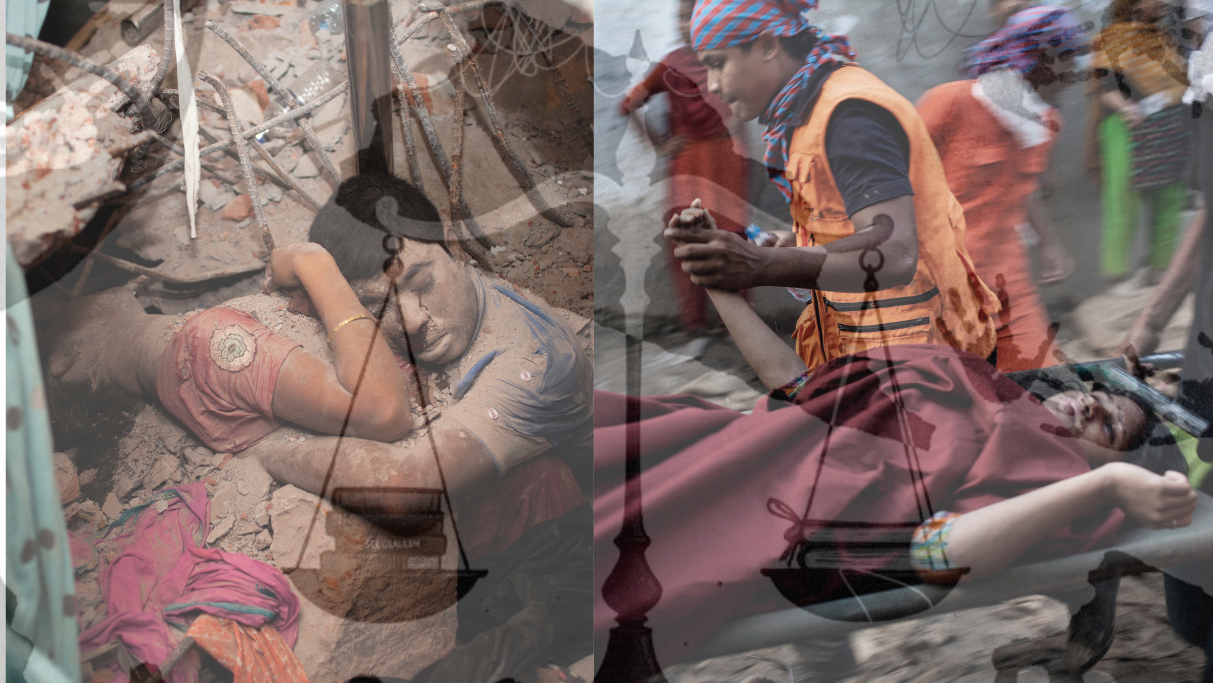
On 24 April 2013, approximately 1,175 workers lost their lives in the Rana Plaza collapse. Just three months later, the labour law was amended, with changes to 87 provisions.
Thirteen years later, in 2026, another 92 provisions were amended. These changes followed the mass uprising, in which thousands of young people, students, workers and ordinary citizens lost their lives.
On 20 November 2025, Bangladesh also ratified ILO Convention 155 on Occupational Safety and Health, Convention 187 on the Promotional Framework for Occupational Safety and Health, and Convention 190 on Violence and Harassment in the World of Work.
The stated purpose of these reforms was to strengthen workers' rights to life, livelihood and freedom of expression.
I believe these changes would not have been possible at this time without the mass uprising. History shows that collective movements and the loss of lives compel governments to respond and consider new measures. Both the interim government and the democratically elected government that followed acted on the foundations laid by the uprising.
Although the Labour Act 2026 has been amended, many important legal changes and new rules remain outstanding. Reform is an ongoing process.
Nevertheless, it cannot be denied that the 2026 law represents positive progress in the history of Bangladesh's labour movement, both in protecting workers' rights and in developing the labour sector.
The new law contains several important provisions.
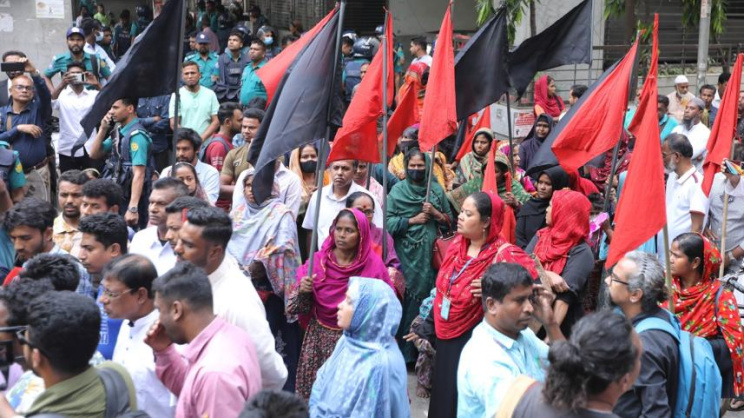
Trade union formation requirements have been relaxed. Instead of requiring the support of 20 per cent of workers, the law allows unions to be formed with a minimum of 20 workers, with different thresholds applying to establishments employing up to 400 workers.
The law also provides for wage increases every three years instead of every five years.
Other provisions include prohibitions on discriminatory treatment; measures to prevent discrimination and gender-based violence; a definition of sexual harassment and the establishment of complaint resolution committees; mandatory safety committees; increased festival and maternity leave; improved compensation for layoffs and deaths; enhanced benefits when workers terminate their employment; the establishment of an accident compensation fund; a prohibition on forced labour; alternative dispute resolution mechanisms; a ban on blacklisting; the right to refuse hazardous work; and the creation of social dialogue forums.
These are undoubtedly significant gains for workers.
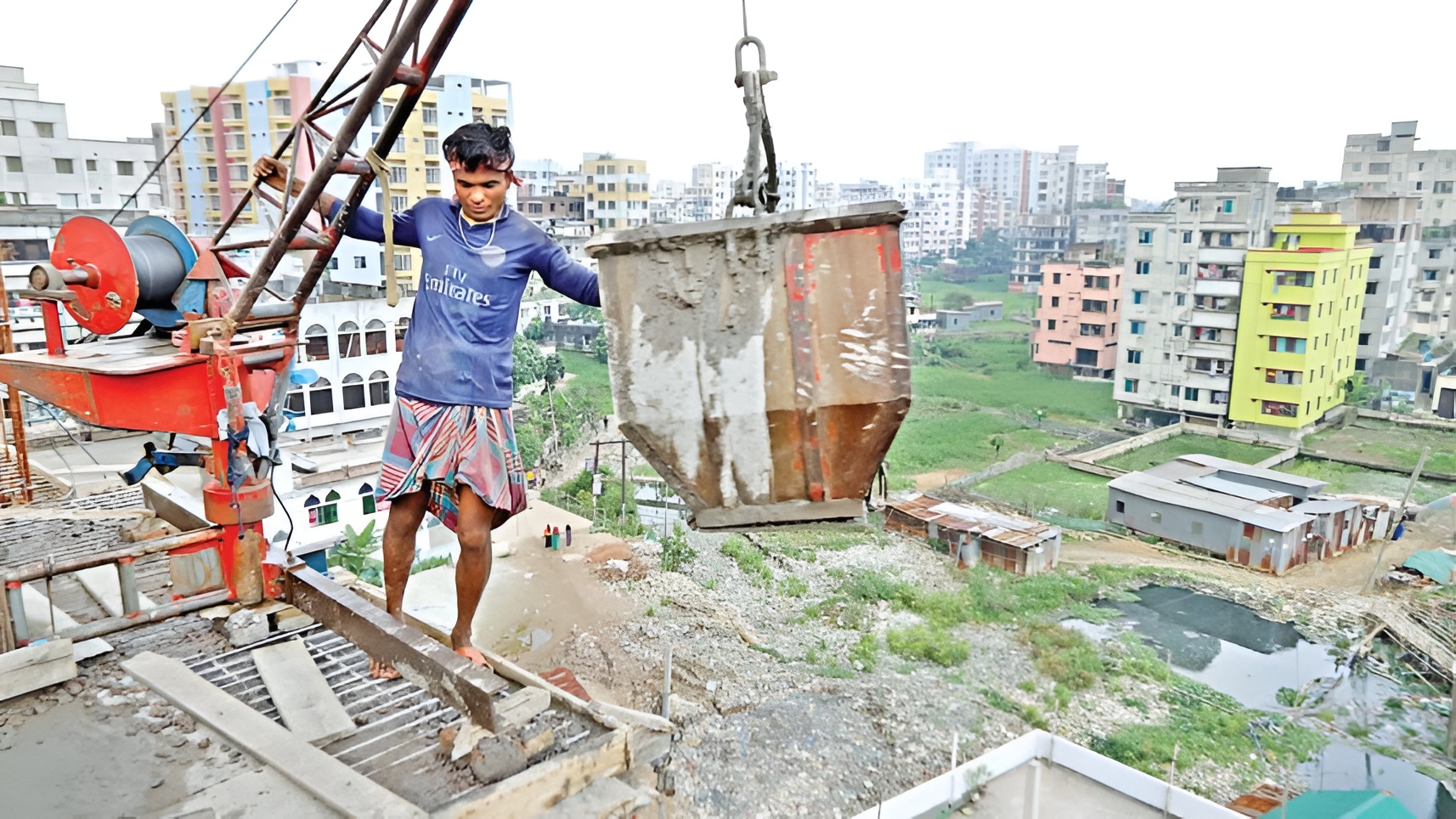
However, some provisions and ambiguities in the law could allow the problems underlying the Article 26 complaint to persist, even if the complaint is formally resolved. Unless we remain vigilant, the same problems may survive in less visible forms.
There is therefore an urgent need to formulate clear and consistent rules, amend existing provisions and, where necessary, enact further legislation.
Trade union registration must be simplified, labour inspection and labour courts expanded, and effective action taken against unfair labour practices.
These measures will work only if workers remain united, vigilant and properly prepared. Without continued collective engagement and struggle, Article 26 may disappear from the formal agenda while the underlying restrictions remain embedded in other conditions.
Four priorities for meaningful reform
Workers, employers and the government must now concentrate on the four priorities identified in the roadmap. The following measures deserve particular attention.
1. Labour law reform and democratic rule-making
The priorities should be:
- Amend the law wherever necessary.
- Formulate implementing rules promptly through a democratic and participatory process.
- Ensure that the drafting of laws and rules is free from intimidation and the undue influence of powerful interests.
- Bring the laws governing export processing zones (EPZs) into line with the Labour Act 2026.
- Guarantee the right to form trade unions in EPZs through appropriate legislation.
- Ensure that workers' representatives can lead initiatives concerning workers' welfare in EPZs.
- Guarantee access to EPZs for the Ministry of Labour and labour inspectors.
2. Simplifying trade union registration and guaranteeing freedom of association
Trade union registration must become straightforward and free from harassment.
Applications should be approved, or reasons for rejection communicated, within the statutory limit of 55 days. The registration system should gradually become fully digital, supported by a proper database.
Employers must maintain accurate worker registers and ensure that both the government and workers have access to them.
The number of workers should not be verified through misinterpretations of Section 178(2)(a)(5) of the Labour Act, nor should applicants be required to submit unnecessary certificates or additional documents.
Since 20 workers constitute the initial requirement for forming a union, the rules should not impose a separate application form that creates further obstacles.
Above all, workers must be able to exercise their right to bargain collectively and effectively with employers in practice, not merely on paper.
Documents submitted during registration, including workers' membership forms under Form 55A, resolution books and voter identification documents, should be returned within a specified period after objections have been resolved.
Pre-registration assistance provided by the Department of Labour must become effective.
The geographical boundaries for forming unions across groups of establishments should be determined through a simple process and in consultation with workers' representatives.
Above all, workers must be able to exercise their right to bargain collectively and effectively with employers in practice, not merely on paper.
3. Expanding labour inspection and labour courts
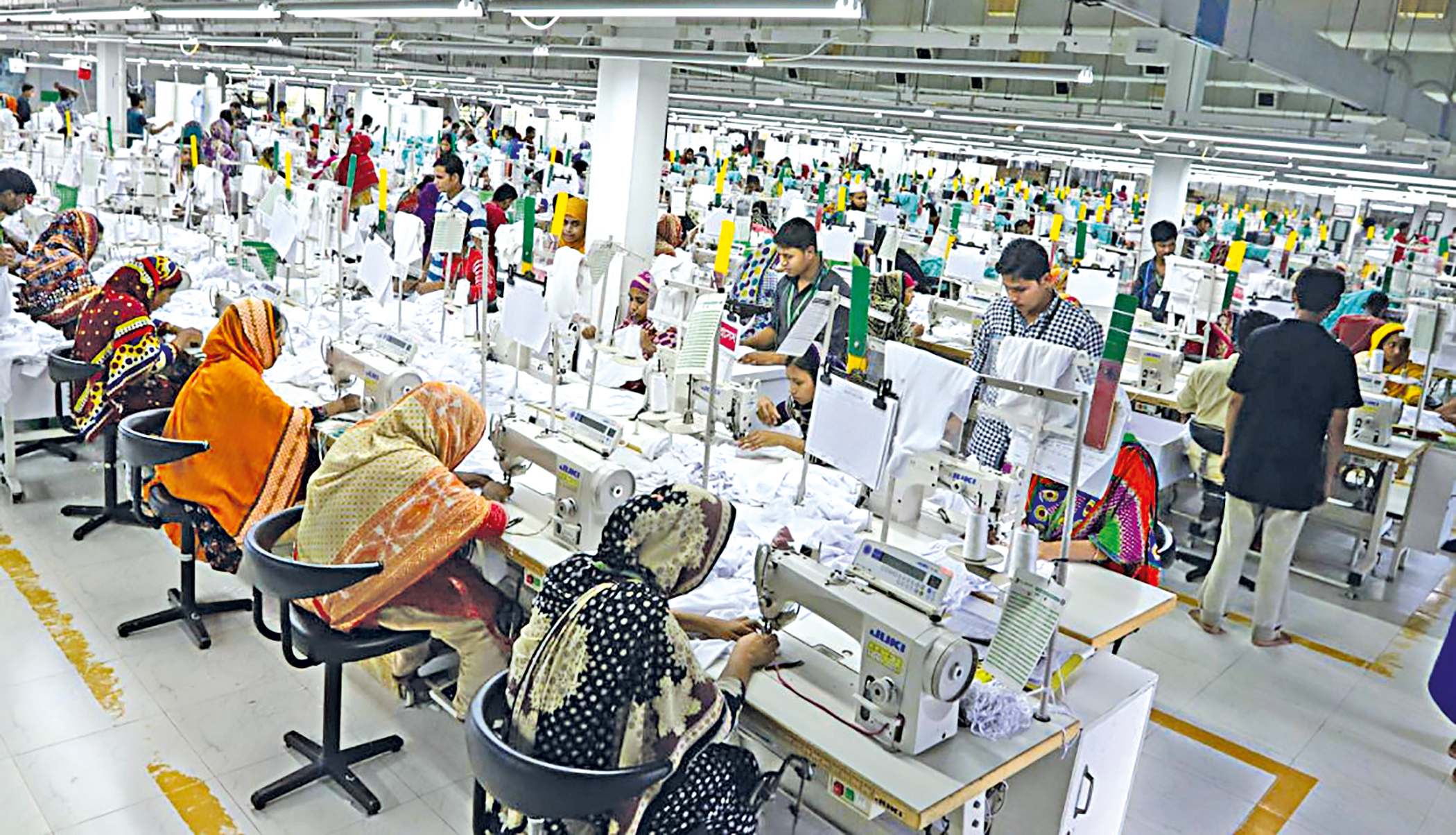
The number of labour inspectors, labour courts, Department of Labour offices and Department of Inspection for Factories and Establishments (DIFE) offices must be increased.
Inspectors should receive appropriate training, particularly in identifying workplace hazards and occupational health risks.
Labour inspection must be thorough and effective, with transparent and accountable procedures.
Cases should be resolved within reasonable timeframes.
Services provided by DIFE, the Department of Labour and workers' welfare funds should also be made available online to improve accessibility and accountability.
4. Ending anti-union discrimination, unfair labour practices and violence against workers
Effective measures are needed to prevent discrimination, harassment and other unfair treatment in the workplace.
Workers must not be dismissed or punished for forming or joining trade unions.
Workers and trade union leaders should receive regular training on their responsibilities, legal rights and available remedies. Such training should be organised both separately and through tripartite initiatives.
Trade union leaders should also be trained to serve as trainers themselves.
The absence of a minimally democratic environment, including freedom of expression and freedom of association, benefits neither workers nor employers nor the government. When workers cannot speak freely or exercise their rights, society as a whole ultimately suffers.
Awareness and vigilance among workers must be strengthened so that they can quickly identify unfair treatment, rights violations and harassment in the workplace and report these incidents to the appropriate authorities.
Workers must also be able to pursue their demands collectively through democratic means.
Reform must go beyond the law
We hope that the tripartite efforts to resolve the Article 26 complaint will succeed and that the reforms will be genuine rather than merely symbolic or confined to paper.
The process must go beyond appearances. It must be free from political interference, abuses of power and harassment.
Otherwise, laws and rules may exist on paper while workers' rights to life, livelihood and freedom of expression remain unprotected.
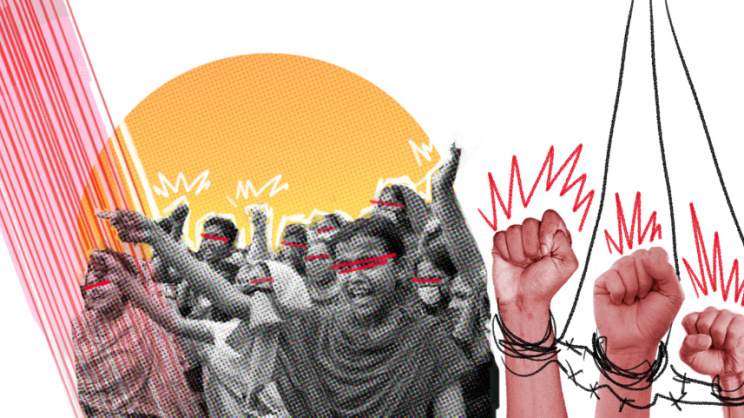
The absence of a minimally democratic environment, including freedom of expression and freedom of association, benefits neither workers nor employers nor the government.
When workers cannot speak freely or exercise their rights, society as a whole ultimately suffers.
The changes discussed here are essential to improving productivity and enabling Bangladesh's economy to meet the challenges it faces in global markets.
Without them, those seeking to undermine the achievements of the mass uprising will find opportunities to do so.
For the sake of Bangladesh and the wider interests of its people, there is no alternative to remaining united and continuing the struggle through collective action, legal means and cultural engagement.
Taslima Akhter is President of the Bangladesh Trade Union Federation (BAJAFE-12) and Garment Workers’ Solidarity, a former member of the Labour Reform Commission 2024, and a current member of the National Tripartite Consultative Council (NTCC). She also teaches at Pathshala South Asian Media Institute. Email: taslima_74@yahoo.com.
Send your articles for Slow Reads to slowreads@thedailystar.net. Check out our submission guidelines for details.

The double burden behind women’s empowerment

Pets, companions, kin: Rethinking the human-animal relationships
Between Gabura and India: Work, loss and unequal choices

Fewer fish, higher costs: The struggle of Bangladesh’s Hilsa fishermen

Duli to Baaji: Whose gaze shapes indigenous representation?
The everyday resistance of Rohingya women the world rarely sees

The banyan tree that became a restaurant for birds
What did we ask about Mariam while she was still alive?
Why Dhaka cannot simply ban the rickshaw