


From four ducks to a Test ton: Litton makes his statement

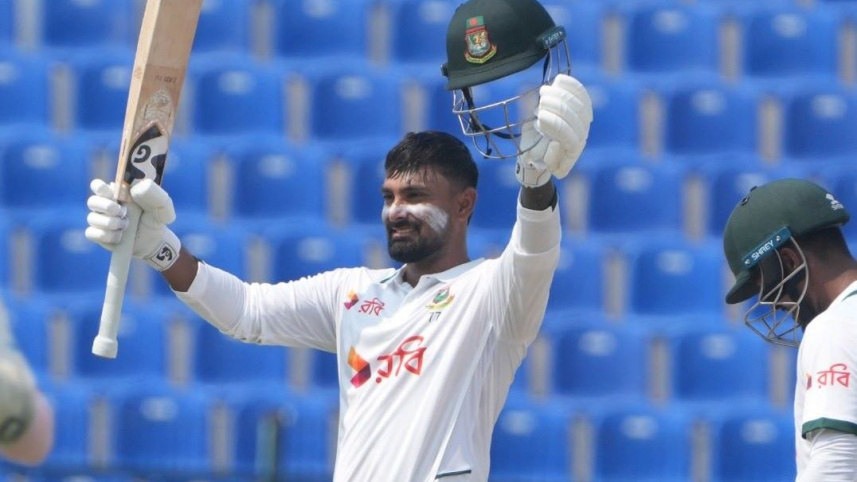
Litton Das struck his seventh Test hundred on the fourth day of the one-off Test against Afghanistan today, and it was more than just another milestone for the Bangladesh wicketkeeper-batter. Rather, it was a statement of resilience from a batter who had been going through a tough phase in recent days.
Despite Bangladesh’s historic success in their latest series in Australia, Litton endured a personal nightmare, failing to score in all three innings in which he got the opportunity to bat.

The misery continued in the Asian Games T20Is, where he registered another duck. Four ducks in five international innings left the right-hander under mounting pressure, with questions being raised about his form.
But in Abu Dhabi, Litton found a way to silence the noise.
He began by scoring a composed 53 in the first innings before producing a magnificent 102 in the second, turning a difficult spell into a timely reminder of his class. As if to underline his value to the side, he was equally impressive behind the stumps, proving that his contribution to Bangladesh went well beyond his batting.
The road to this resurgence, however, had not been easy. Following his failure in the Asian Games, Litton faced tough questions from the media, while criticism on social media added to the burden. For a batter of his ability, the prolonged struggle was bound to invite scrutiny.
When he finally got off the mark in Abu Dhabi, the relief was written all over his face. The smile that followed quickly went viral, capturing a moment that many Bangladesh fans could relate to. Yet, for Litton, getting off the mark was only the beginning.
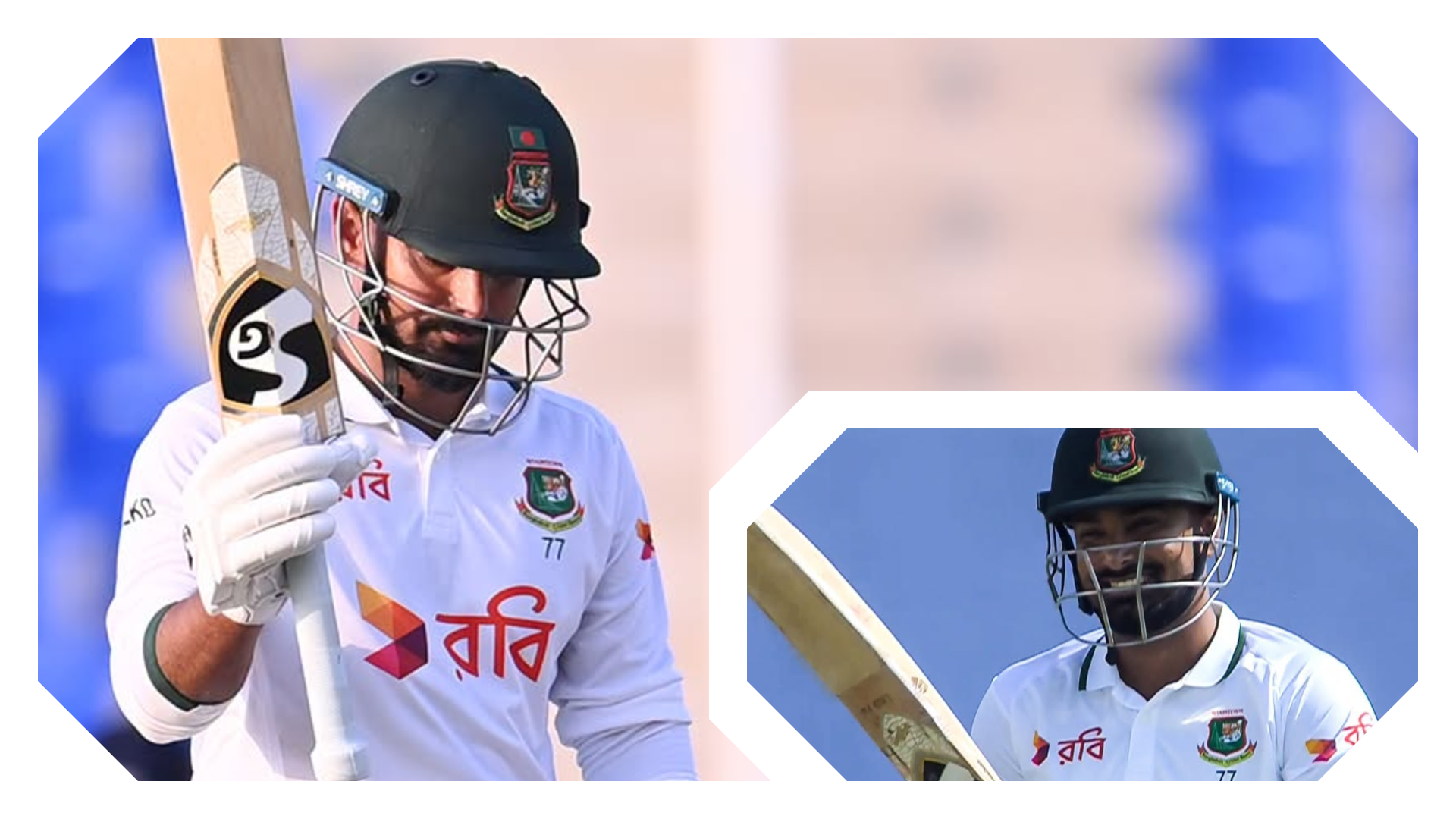
His first-innings fifty offered a glimpse of a return to form, but it was in the second innings that he delivered his most emphatic response. Although Bangladesh were not in a crisis, the responsibility of a number six batter remained significant — to extend the lead, put the opposition out of contention and give the team the security needed to push for a result.
Litton embraced that responsibility with the natural strokeplay that has long made him one of Bangladesh's most gifted batters. Rather than allowing the weight of expectation to dictate his approach, he played with assurance and authority, gradually shifting the game further in Bangladesh's favour. He struck 14 boundaries in his 117-ball innings.
The defining moment came in a magnificent 149-run partnership for the seventh wicket with Mehidy Hasan Miraz. As the two batters frustrated the opposition and strengthened Bangladesh's position, Litton moved towards a century that carried significance far beyond the scorecard.

It was his seventh Test hundred, an achievement that offered both personal redemption and a timely boost for Bangladesh.
The Abu Dhabi Test also saw Litton become the fifth Bangladeshi batter to reach 9,000 runs in international cricket, another landmark in a career that has often showcased his immense talent. With seven Test centuries and 21 fifties, his record reflects a batter capable of producing substantial contributions at the highest level.
There is, of course, room for debate over his conversion rate. For a player with Litton's ability, turning more of those fifties into hundreds would have made his numbers even more impressive. The gap between promise and consistency has been a recurring theme in discussions about his career.
But numbers alone cannot capture the significance of this innings. Coming after a string of ducks, his century was a reminder that even the most gifted players can endure difficult spells before finding their rhythm again.
For Bangladesh, the timing could hardly have been better. Litton has not only rediscovered his touch with the bat but also regained some much-needed confidence ahead of the challenges to come.
In a few days, he will lead Bangladesh in the tri-nation ODI series, which also involves Zimbabwe. The team will be hoping that the version of Litton seen in Abu Dhabi — assured, composed and willing to take responsibility — carries over into the limited-overs arena.
 For all latest news, follow The Daily Star's Google News channel.
Comments