


Reclaiming the feminine narrative through art: WO|MAN puts on stellar viewing

Feminism has often existed in tension with the societies it seeks to transform. In Bangladesh, the word is often associated with women who are perceived as difficult, outspoken or unwilling to conform. But what defines a “difficult woman”? A closer look reveals that often, she is simply a woman demanding recognition, agency and an equal place in the world.
Women across generations have fought not for more than others, but for the same opportunities, dignity and freedom that have historically been denied to them. Yet, they continue to face scrutiny, restrictions and violence through social, cultural and political systems.

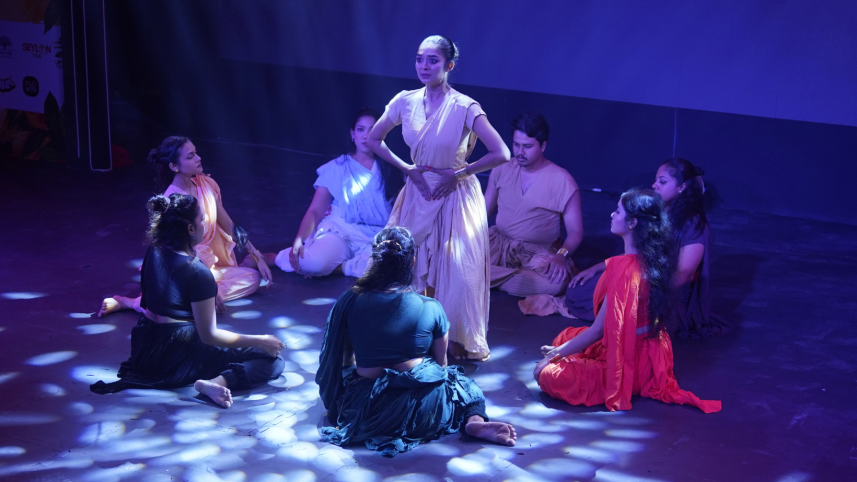
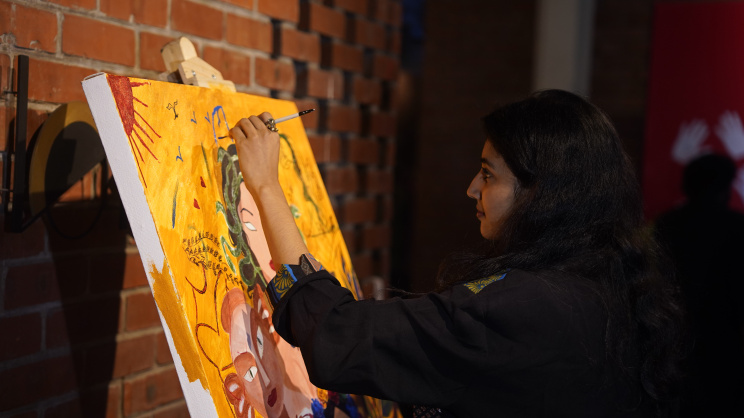
On September 25, from 4:00pm onwards, Aloki in Dhaka became a space where struggles, bodies and identities collided as “WO|MAN: The WOW Festival” brought women’s stories to the forefront through dance, theatre and conversation.
Produced by Shadhona in collaboration with Jatra Biroti and Nrittoshilpi Foundation Bangladesh, and supported by the British Council and WOW Bangladesh, the festival used performance and storytelling to explore gender, identity and representation.
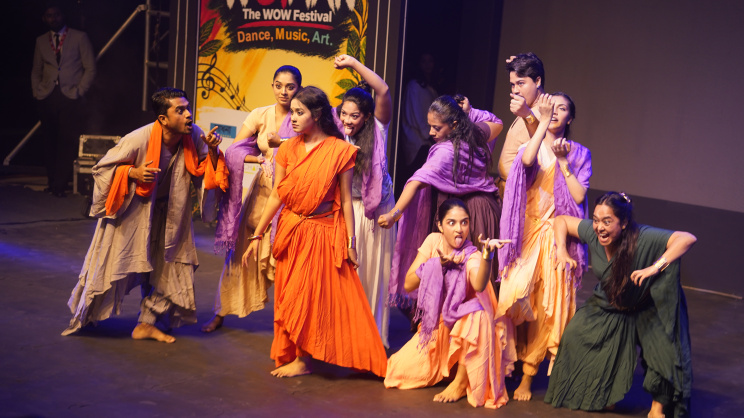
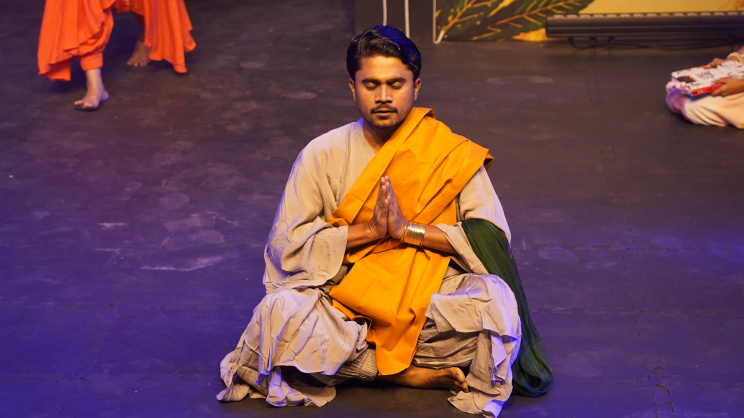
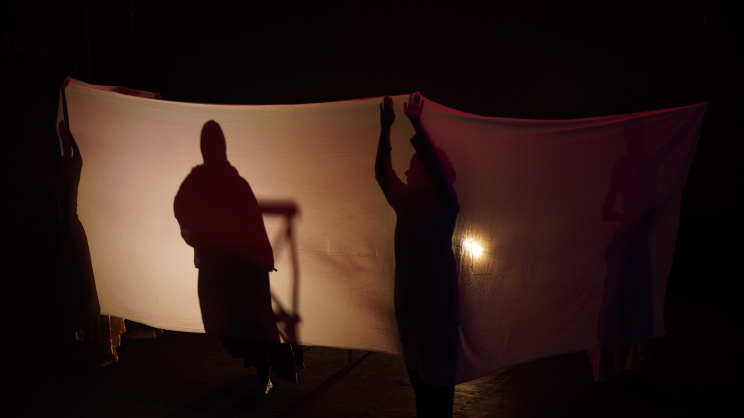
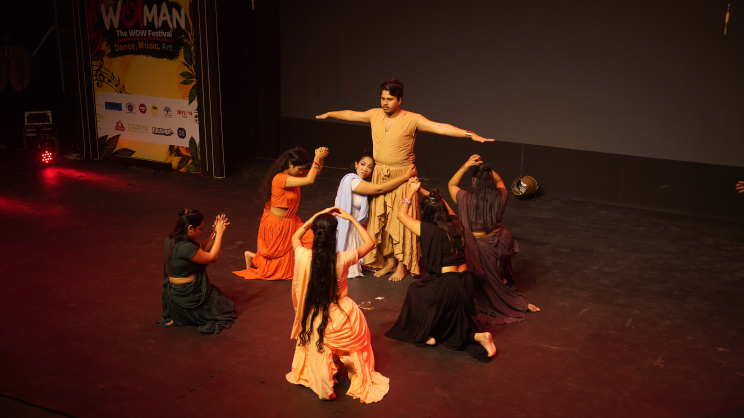
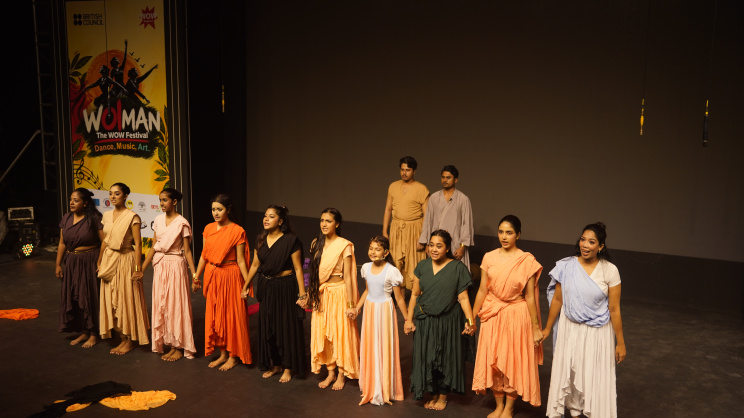
The performers were selected through four workshops and divided into four acts, each exploring themes including patriarchy, consumerism, capitalism, feminism, faith, women in politics and the politics surrounding women’s bodies.
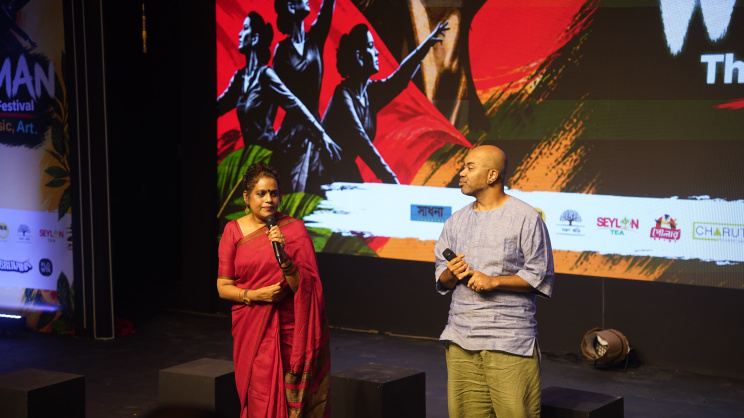
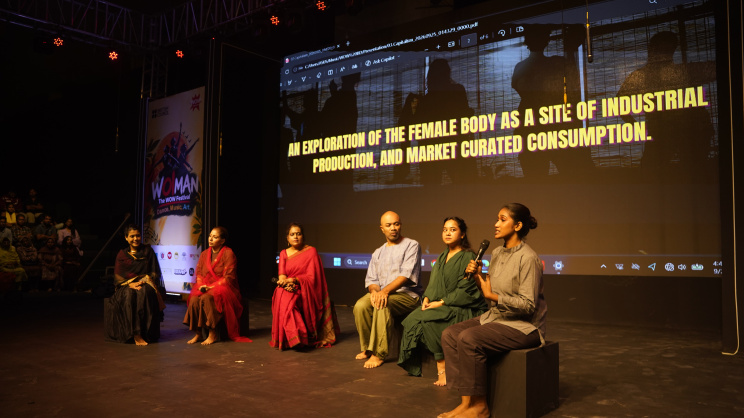
The programme began with a discussion session featuring Sohini Das Hartmann, Raymond Caldwell and the performance mentors, who shared insights into their creative process and how the ideas behind the performances developed.
“In South Asia, we are too focused on perfection instead of the journey of making it,” said Sohini, reflecting on the importance of process in artistic creation.
Caldwell emphasised the role of art in creating conversations, saying, “Art should be used to start difficult conversations. And so much of our process is tied to that.”
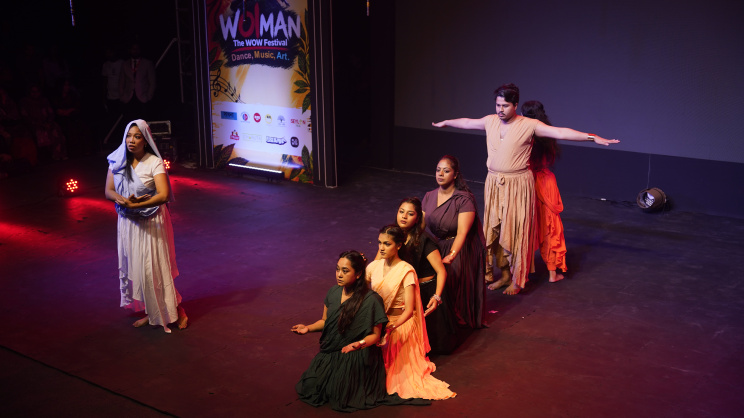
Their words reflected the purpose of the evening: not to provide easy answers, but to encourage audiences to engage, question and experience.
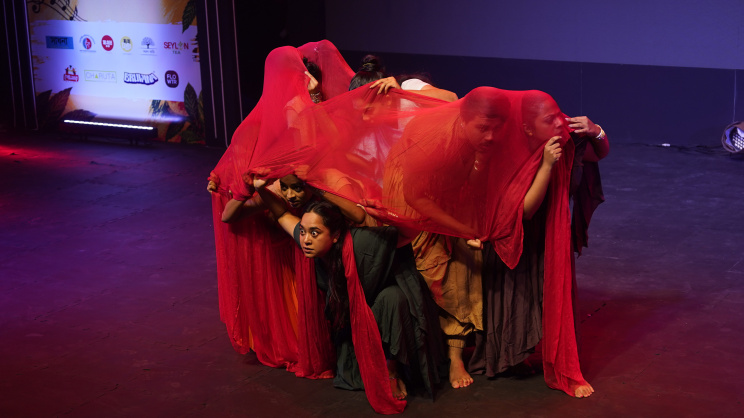
Each performance explored different forms of oppression as well as moments of protest. The acts drew references from women and female figures across history and mythology, including Mother Mary, Medusa and Bonbibi Mata, the guardian deity of the Sundarbans. Together, these references highlighted how women across cultures have often been blamed, controlled or villainised.
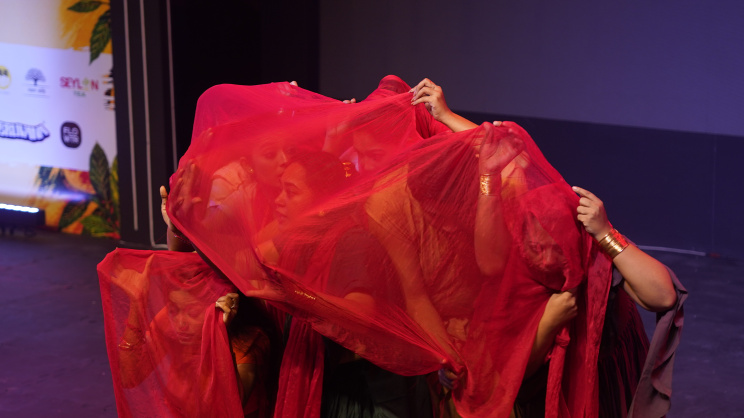
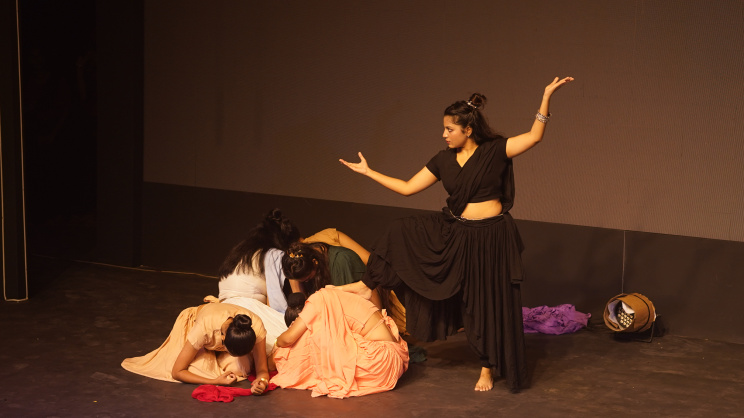
The performances explored themes of women being denied agency, being subjected to shame because of male desire and being blamed for broader social failures. These narratives created moments of silence among the audience as familiar stories were presented from a different perspective.
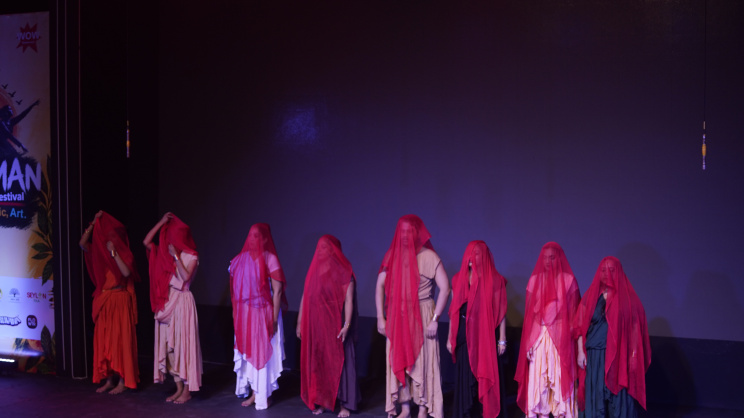
One particularly striking moment came through the repeated phrase “Na Dhakle to Pap Hobe” (If you do not cover, you are a sinner). It gives an important take on how women are conditioned through the constant repetition of inherited ideas of morality and shame, as society continues to reinforce expectations of how women should look, behave and exist.
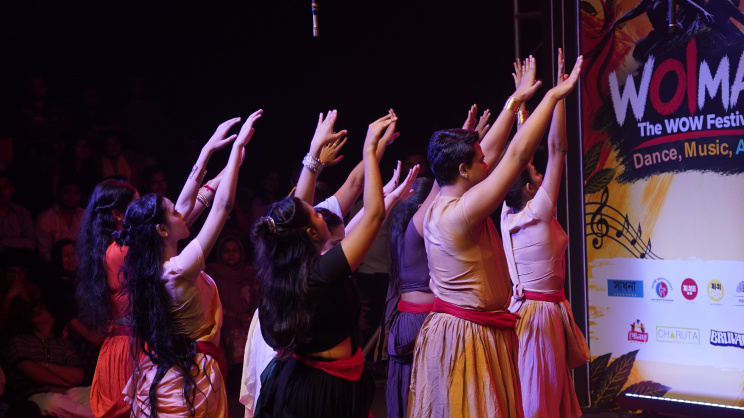
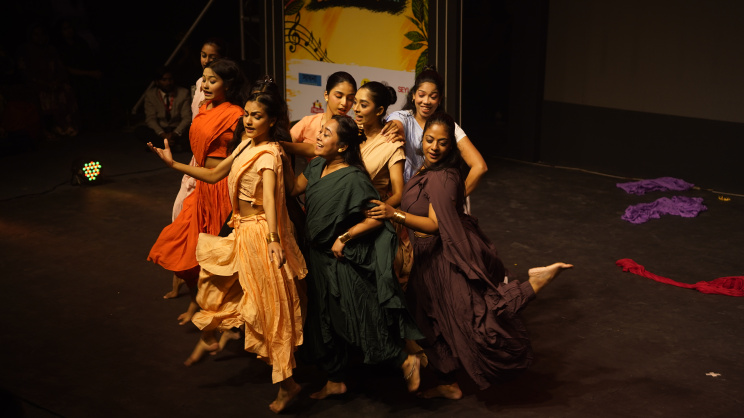
Accompanied by the slow, powerful beats of the dhol, the performance created an atmosphere of anxiety and pressure. Eventually, the women on stage came together to resemble Devi Durga, transforming an image of restriction into one of collective strength against patriarchal violence.
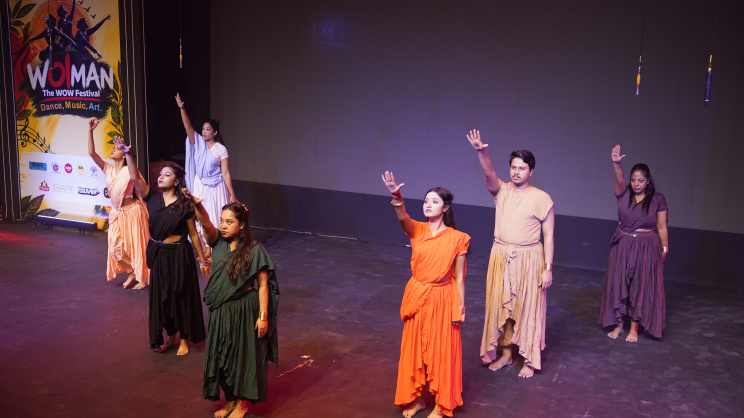
Another performance explored a different dimension of feminism by looking at capitalism and consumer culture. The act questioned how women’s bodies and appearances are often turned into products through beauty standards, advertisements and commercial expectations. It highlighted the uncomfortable reality of an industry where women are frequently encouraged to perform certain versions of femininity to sell products, while consumers remain focused on discounts and sales, often overlooking the exploitation behind what they purchase.
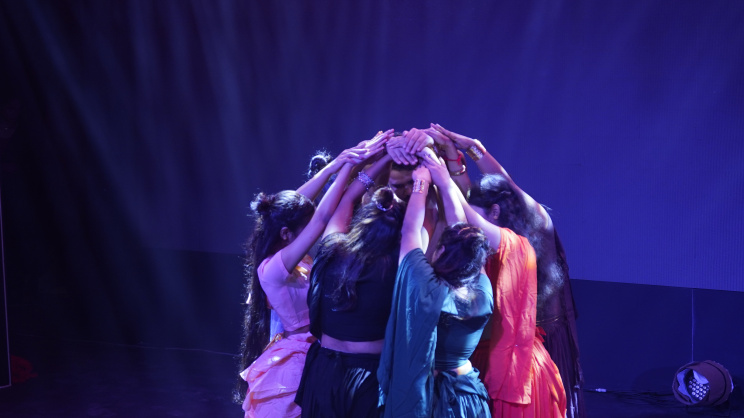
The performance also questioned the exploitation hidden behind consumer culture, particularly within industries such as garments, where women workers often remain invisible despite being central to production.
From nature and goddesses to religious guilt and modern capitalism, the performances created a space for audiences to confront questions that are often ignored. By the end of the evening, Shadhona succeeded in their purpose of making the audience ask the difficult questions about feminism and women’s place in the world.
 For all latest news, follow The Daily Star's Google News channel.
Comments