Tea may have built the nation, but coffee booked the meeting

Delivered without preamble, the invitation is a single word: “Coffee?” a colleague asks, walking over to my desk. “Yes.” I have never once answered otherwise.
It is less a question than a liturgy, and like all good liturgies it derives its power from brevity and from the fact that both parties know their lines.

We walk to the café beside our office, the baristas there know what we usually order, the cups arrive as though conjured, and there is a peculiar intimacy in being known by one's beverage. Somewhere between the second sip and the first digression, hierarchy loosens its collar; and a supervisor and a subordinate become two people with opinions.
Simply two people speaking in between the sips about work, life, people, ideas, frustrations, absurdities and occasionally nothing of consequence at all.
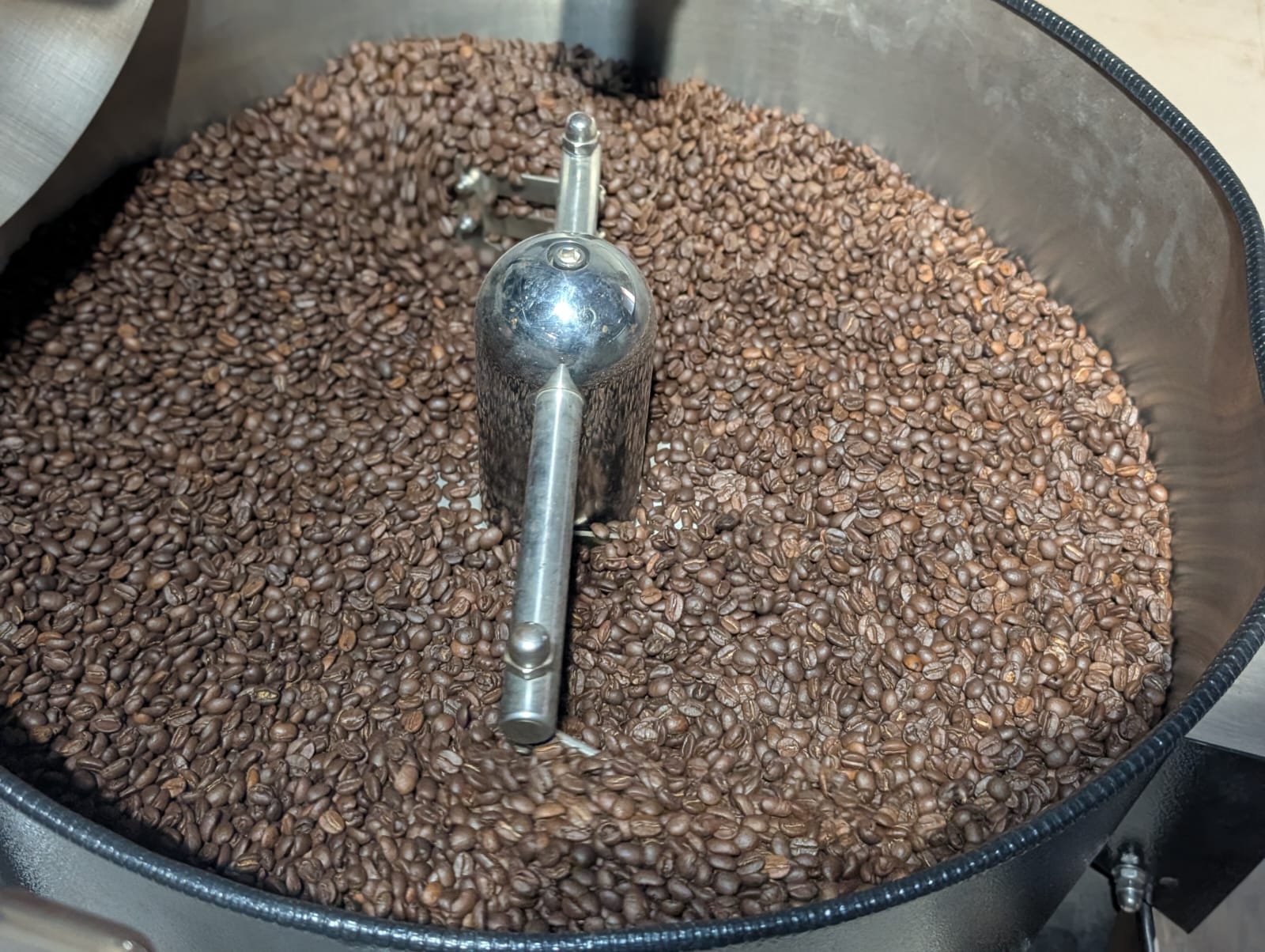
That this should happen over coffee in Bangladesh would once have seemed faintly improbable. Here, tea is almost geological in its presence, embedded in the landscape, economy and quotidian habits of the region. This is a land of roadside “tong”, where a chipped glass of milky, sweet tea has started and settled more arguments than parliament ever has.
Coffee arrived here as a foreigner, first as a jar of instant granules, reserved for special occasions. It was a beverage with an accent. It never acquired the imperial ubiquity of tea. Rather, coffee remained its slightly exotic cousin -- something encountered in hotels, clubs, offices and restaurants for many years in a rather prosaic form.
That has changed. The coffee Bangladesh knows today is not quite the coffee of yesteryear. It has become urban, artisanal, aspirational and, increasingly, intimate.
And perhaps that is coffee's most consequential transformation here. It has become an excuse to be together.
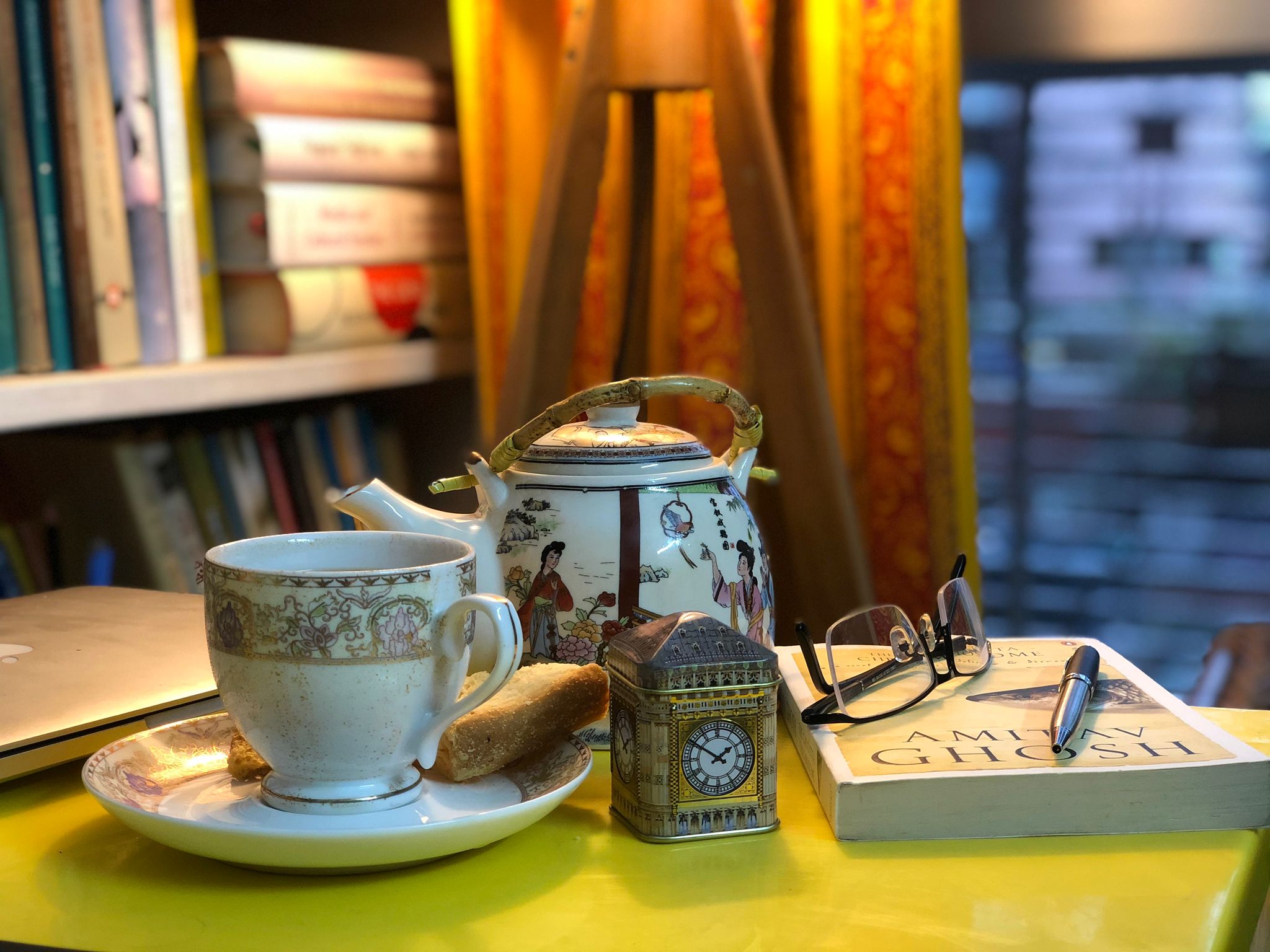
"Coffee?" can mean anything from "I need caffeine" to "Come, let's talk".
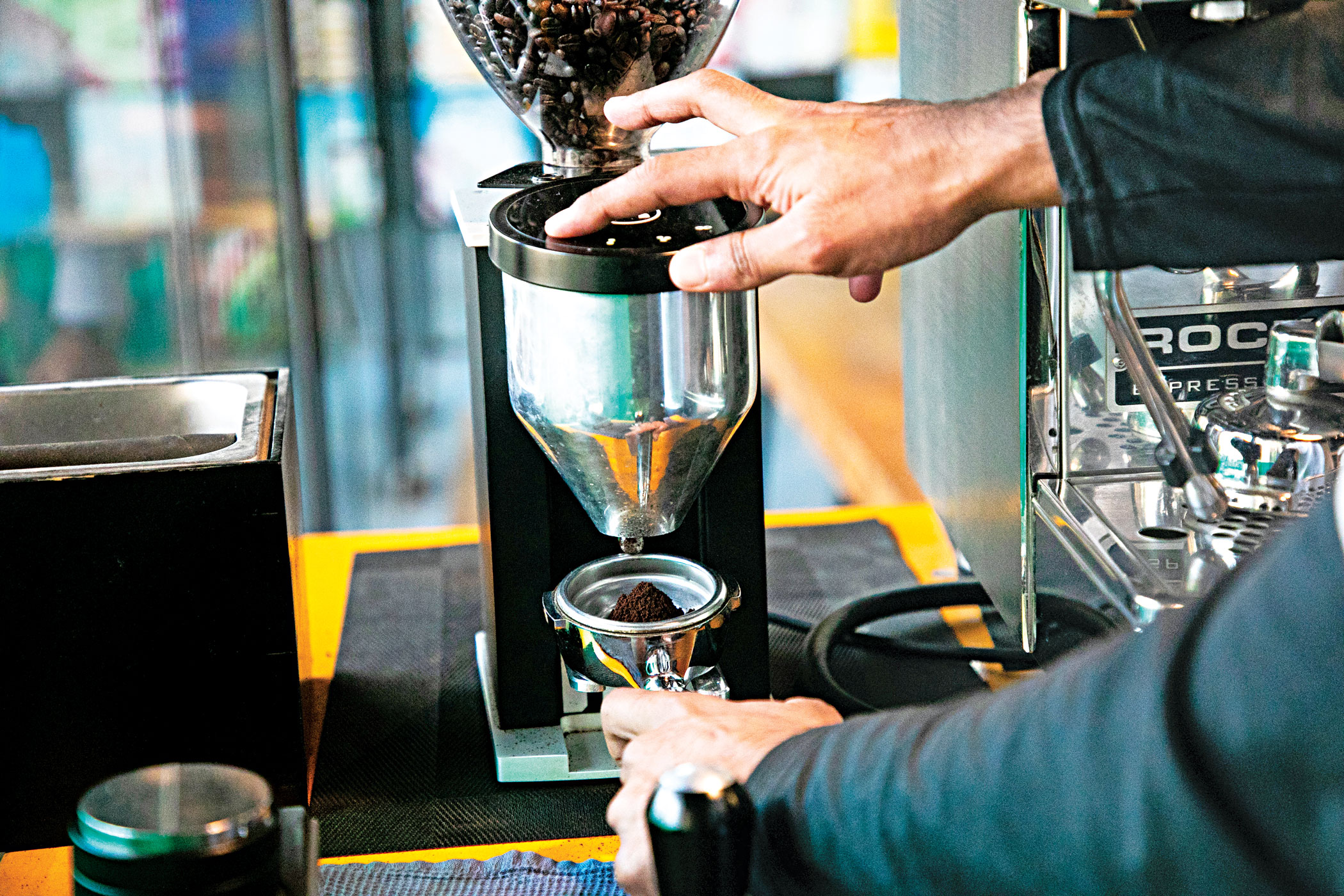
But coffee possesses a peculiar theatricality. There is the grinding, the brewing, the aroma preceding the cup, the pause before the first sip. Even its vocabulary is convivial: espresso, cappuccino, latte, French press, pour-over. The drink comes with rituals attached, and rituals are among civilisation's most elegant ways of slowing time.
Bangladesh's contemporary coffee culture is also acquiring a local provenance. What was once overwhelmingly an imported habit is now being cultivated, quite literally.
Cafés played a pivotal role in that, and not through the caffeine. Dhaka's cafés arrived offering something the city, for all its density, has always rationed -- a place to sit without justification. A tea stall is a transaction of minutes. A café says, in effect, that you may remain.
After all, Bengalis are a people who elevated idle conversation to an art form and gave it a name, adda.
Coffee did not colonise our habits so much as find them already waiting.
Mid-afternoon, another boss would amble from cabin towards the office lounge, carrying a French press in hand and simply say “Asho” (Come) to us on his way; and a trial will soon follow.
There is something almost comically yet congenially Pied Piper-like about it.
Modern working life is the epitome of efficient isolation, each of us sealed behind a screen, conversing in the flat dialect of email. Coffee insists that 10 unproductive minutes may be the most productive ones of the day. Ideas ripen in such minutes, grievances dissolve, and friendships are struck between people who would otherwise have exchanged only calendar invitations.
 For all latest news, follow The Daily Star's Google News channel.
 Coffee has become a kind of punctuation mark in contemporary urban life.
It is a catalyst in the crowd of one’s own company. Friends meet over it because dinner requires commitment but coffee requires only an hour. Two people who have not seen each other in months can meet without the solemnity of a formal appointment. Lovers discover each other over coffee. Strangers become acquaintances. Acquaintances become friends. Colleagues become confidants.
And there is another, subtler intimacy in knowing someone's order.
How much sugar they take. Whether they prefer black coffee or with milk. Whether they drink slowly or finish it before the conversation properly begins. These are tiny pieces of knowledge, almost absurdly mundane, yet relationships are often built from precisely such trivia.
On World Coffee Day today, or any day, the drink is merely the pretext, the real luxury is the pause, and the proclivity.


‘Acting lets me live many lives’

Narayanganj’s historic Lovely Cinema Hall to be demolished

Macklemore’s ‘Free Palestine’ tour sells out all three shows

Tom Cruise takes on striking new look in ‘Digger’

Jim Carrey marries longtime girlfriend Min Ah in private ceremony
Tanim Noor teases new film ‘Mojnu Enterprise’

Beatmosphere set to represent Bangladesh at Eurovision Song Contest Asia
Perspective / The Rumi we quote is not the Rumi who wrote