


Truth about menopause and your suddenly rising heart risk
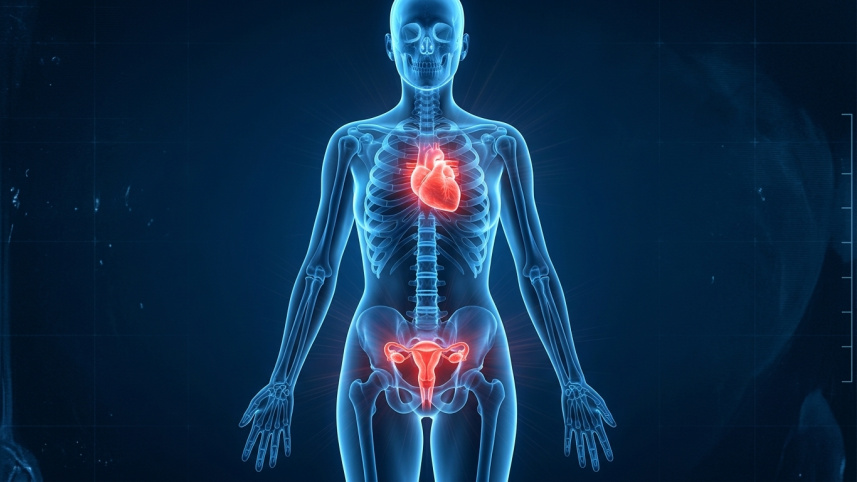
Many women assume heart disease is an inevitable consequence of ageing after midlife. Cardiological insights prove that proactive habits and timely screenings can keep your heart strong.
When people think of heart disease, they often picture an older man clutching his chest, rather than a middle-aged woman. However, heart disease has long been one of the leading causes of death in women, and the risk does not increase gradually over a lifetime; it rises sharply after menopause. Fortunately, it is largely preventable when the groundwork for prevention begins from adolescence.

Why menopause changes a woman's heart risk
Dr Ashraful-Ur-Rahman, who is a Medicine Specialist and a Cardiologist at the National Institute of Cardiovascular Diseases (NICVD), explains that before menopause, estrogen hormone levels provide real protection for heart health. “Before menopause, men are roughly twice as likely to have a heart attack or develop heart disease compared to women of the same age. But later the risk is almost the same.”

What can women do during and after menopause?
Dr Rahman emphasises the importance of annual screenings to detect potential health risks.
It is recommended that individuals undergo an EKG (electrocardiogram) and check their lipid profile and blood sugar levels every year starting at around the age of 45. Additionally, women with a family history of cardiac diseases should be particularly alert about their health.
Sleep and stress levels require attention as well.
Hot flashes and night sweats are not only uncomfortable but are also increasingly associated with cardiovascular risk, especially in women under 60. Smoking and vaping should be completely avoided starting from the teenage years. Not to mention, it is important to maintain a healthy body weight according to the Body Mass Index (BMI).
Avoiding self-diagnosis
Dr Rahman points out that heart disease can be particularly dangerous for women because it does not always present in the typical way. The classic heart attack symptom, often described as an "elephant on the chest," differs from what many women experience. Instead, they may show subtler signs such as unusual fatigue, nausea, shortness of breath, or pain in the jaw, neck, or back, which are often dismissed as stress, indigestion, or simply a sign of ageing.
Dr Ashraful-Ur-Rahman also cautions against self-managing hormonal therapies, which are used to manage menopausal symptoms and protect bone density. They can raise the risk of stroke and blood clots when done without expert supervision.
In the end, ensuring a healthy heart starts long before menopause, with a teenage girl who stays active and intakes nutritious food.
The evidence is clear: most of the risks associated with heart health are modifiable. Warning signs can be identified, and the sooner these signals are addressed through proper diet, regular physical activity, routine screenings, and informed discussions with a doctor, the better the long-term outcomes will be.
 For all latest news, follow The Daily Star's Google News channel.
Comments