


How childhood stories help raise empathetic sons

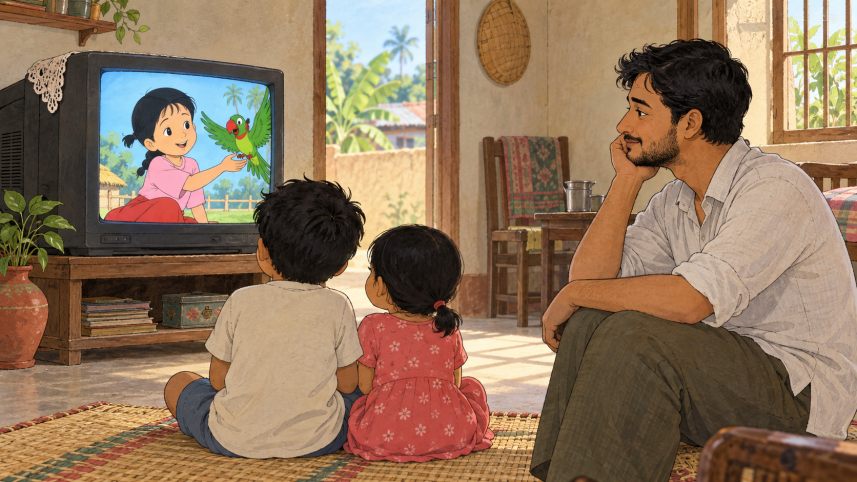
Gender equality begins at home, often shaped by the media boys consume. Here is how simple childhood storytelling can instil lifelong values of fairness and respect in young men.
I have a younger sister, and I never understood why being the boy should make me more important. The older one, yes, although that is hardly an achievement on my part. But when it came to being loved, listened to or respected, I could not see a reason for there to be different rules for us. Looking back, I realise a little girl on television called Meena had quite a bit to do with that.

She was part of my childhood, along with Raju and Mithu, who could make life rather uncomfortable for anyone hoping to get away with social injustice. I watched their stories as a boy, without thinking about what I might carry away from them. Now, as a man, I find her influence in opinions I have held for years, sometimes without giving much thought to where they began.
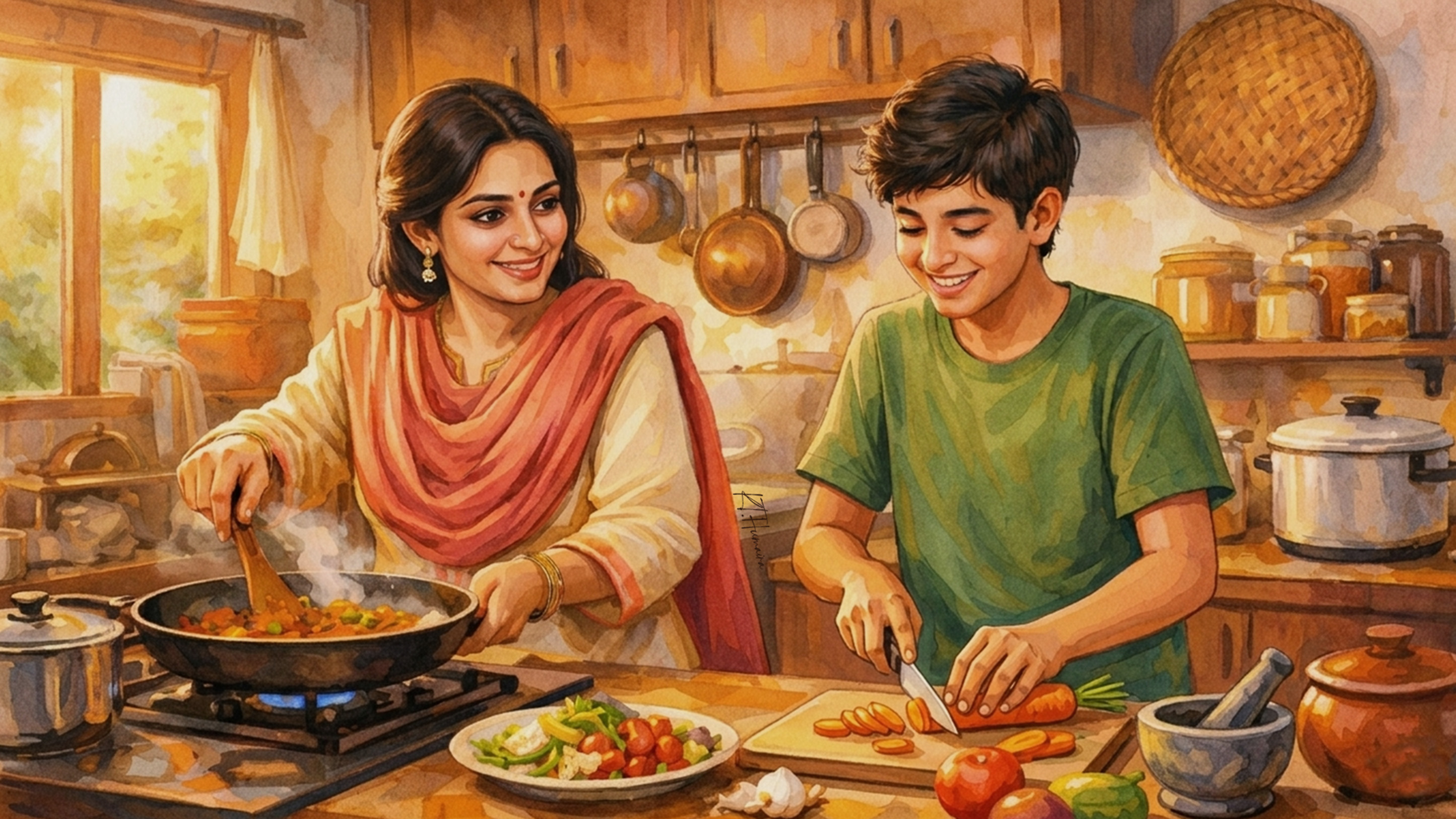
Meena's work around the house was easy to take for granted until he had to do it himself. Watching that, I began to understand that unfairness could exist within a loving family, among people who did not necessarily think they were doing anything wrong. That was harder to dismiss than a story with an obviously wicked person in it.
At home, I was a brother. My sister being younger and a girl did not make her feelings any less important than mine. Meena helped me understand that loving someone meant taking them seriously. Respecting my sister as an equal required no generosity. She did not owe me gratitude for something that should have been hers anyway.
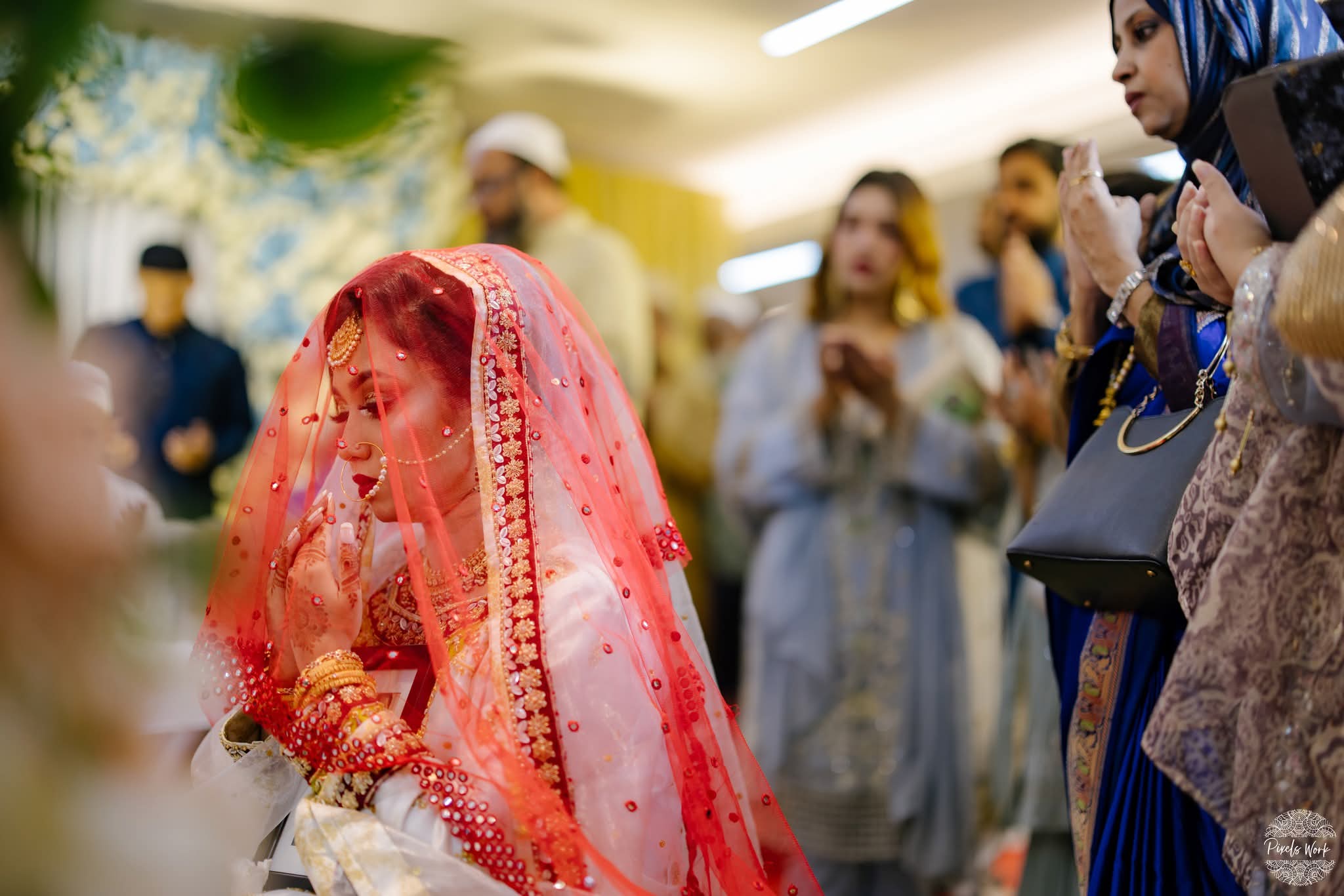
As I grew older, that understanding became part of how I thought about relationships beyond our own. I was strictly against dowry. Still am. Meena had shown me how a marriage could become an opportunity for a greedy family to keep asking for more, and how refusing them was possible. I carried that refusal with me well after the cartoon ended.
The older I got, the less patience I had for finding respectable explanations for it. Call it joutuk, call it a gift, say the parents are giving it willingly; I still want to know whether their daughter would receive the same treatment if they gave nothing. I am married now, and I cannot see why becoming someone's husband should entitle me to anything from her parents. Meena made that seem absurd when I was a boy. Adulthood has not improved the argument.

What I appreciated more gradually was her way of dealing with things. She questioned people, including adults, but she also tried to work out what could help. Denied a place in school, she sent Mithu to bring the lessons back to her. There was a resourcefulness there that I came to admire, particularly as life grew more complicated and having a strong opinion did not necessarily mean knowing what to do next.
She made me want to speak up against injustice, while paying attention to the person caught in it. It is easy to be offended by unfairness in the abstract. Empathy asks a little more of you. Someone's worry deserves consideration even when you do not share it, and being unable to solve everything does not excuse you from helping with anything.

Meena's concern for her village gave me a sense of community as well. Her family mattered, but so did the people beyond their home. I learnt to think of care as something that could extend further, without needing everyone to be related to me or to have something to offer in return.
I don't think I understood all of this while watching. Much of it became clearer later, as I grew into a brother, a husband, and a man with his own choices to make. But I still come back to that early feeling: my sister deserved the same love and respect I did. I haven't found a good reason to think otherwise.
 For all latest news, follow The Daily Star's Google News channel.
Comments