


7 historic Bangladesh temples to visit this Durga Puja season
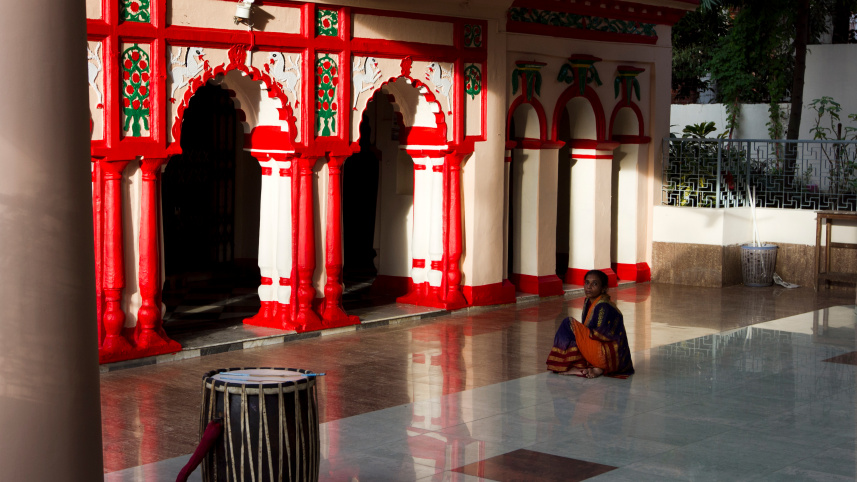
Looking to experience authentic autumn festivities beyond urban crowds this Durga Puja? From the intricate terracotta walls of Dinajpur to Sitakunda’s misty hilltop shrines, Bangladesh offers remarkable heritage trails. Here is your curated guide to seven ancient temples offering unforgettable history, culture, and architecture.
As Durga Puja approaches this autumn, temples across Bangladesh prepare to come alive with worship, colour, music and gatherings of devotees. But beyond the festive atmosphere, many of these temples carry stories that stretch back centuries, preserved through distinctive architecture, enduring traditions and generations of worshippers.

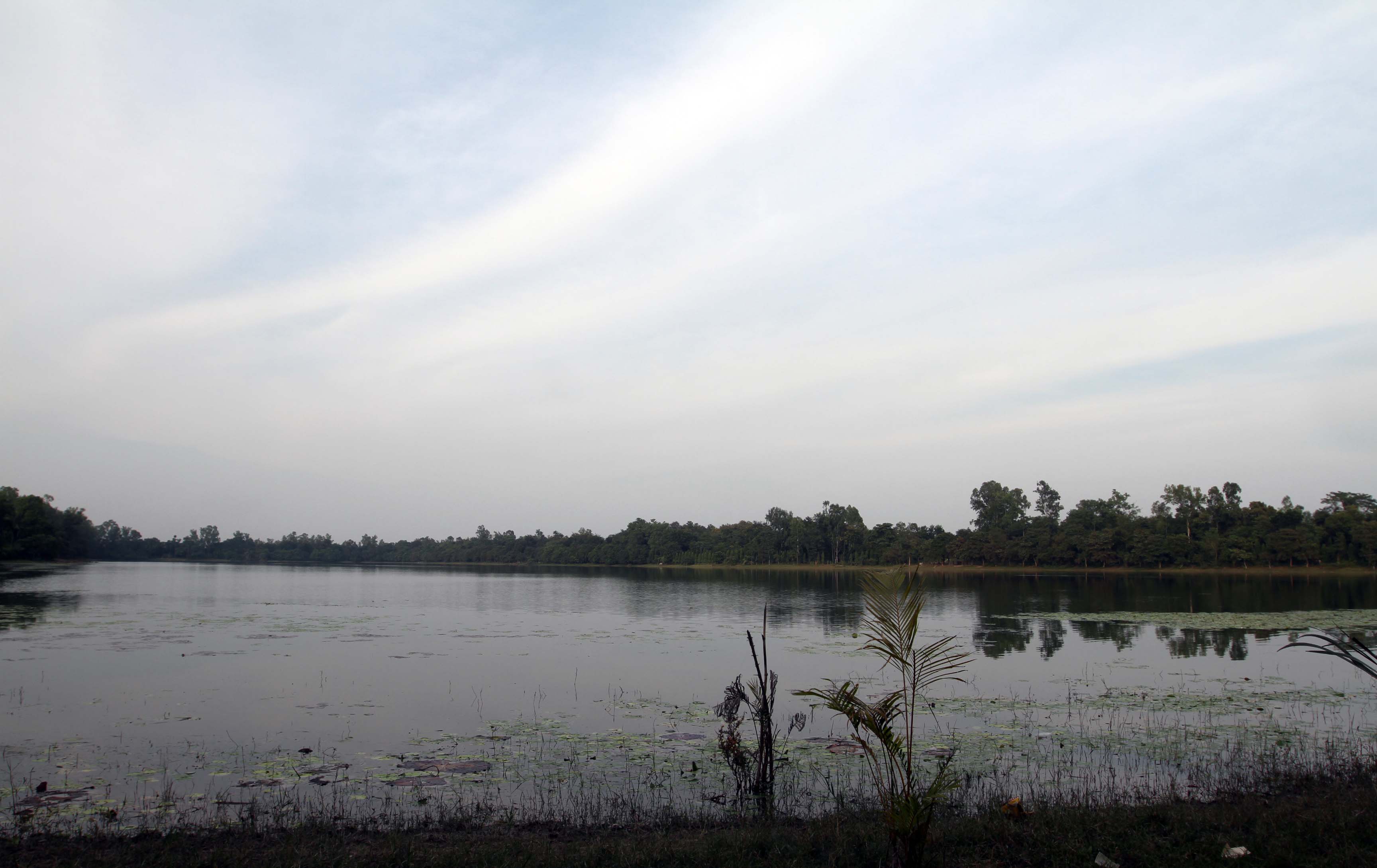
From elaborate terracotta walls to hilltop shrines and temples that have survived war and upheaval, each offers a different glimpse into the country’s religious and cultural heritage. This Puja season, here are seven temples worth visiting for the stories they hold as much as the sights they offer.
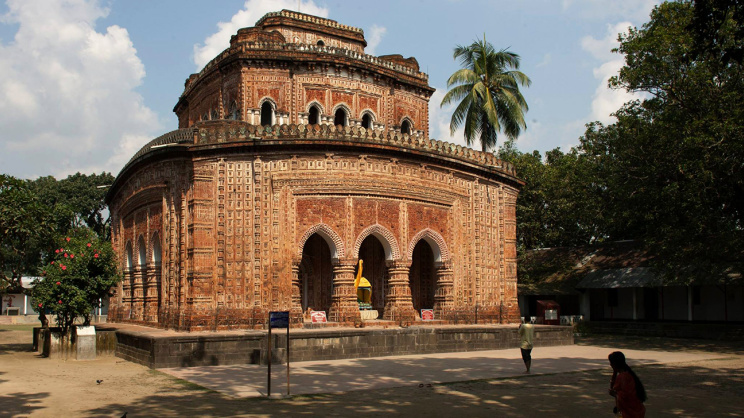
Kantajew Temple, Dinajpur
Including Kantajew Temple in a list of Bangladesh's must-visit temples almost feels inevitable. Built in the 18th century under the patronage of Maharaja Prannath, the temple is best known for its extraordinary terracotta work, with its walls carrying scenes from the Ramayana, Mahabharata and Krishna's life, alongside glimpses of life in Bengal.
Originally built in the Navaratna style, its nine spires were destroyed by the 1897 earthquake, but the elaborate terracotta panels survived. The temple also comes alive during the annual Rash Mela around Rash Purnima, when the month-long fair draws devotees and visitors to the area. Even without the festivities, however, Kantajew is the kind of place where simply walking around the walls can keep you looking for another detail.
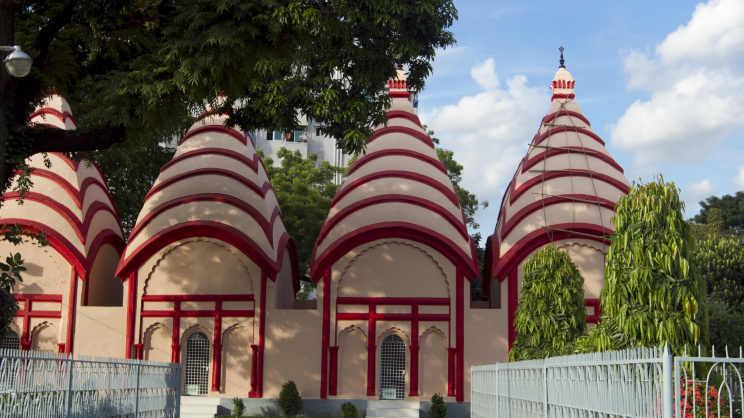
Dhakeshwari National Temple, Dhaka
Dhakeshwari National Temple has a long history, with its name, meaning “Goddess of Dhaka”, closely tied to the city's identity. The temple is traditionally associated with King Ballal Sen of the Sena dynasty and is believed to date back to the 12th century, although its present structure has changed considerably through repeated renovations. The complex includes four small Shiva temples beside its historic pond.
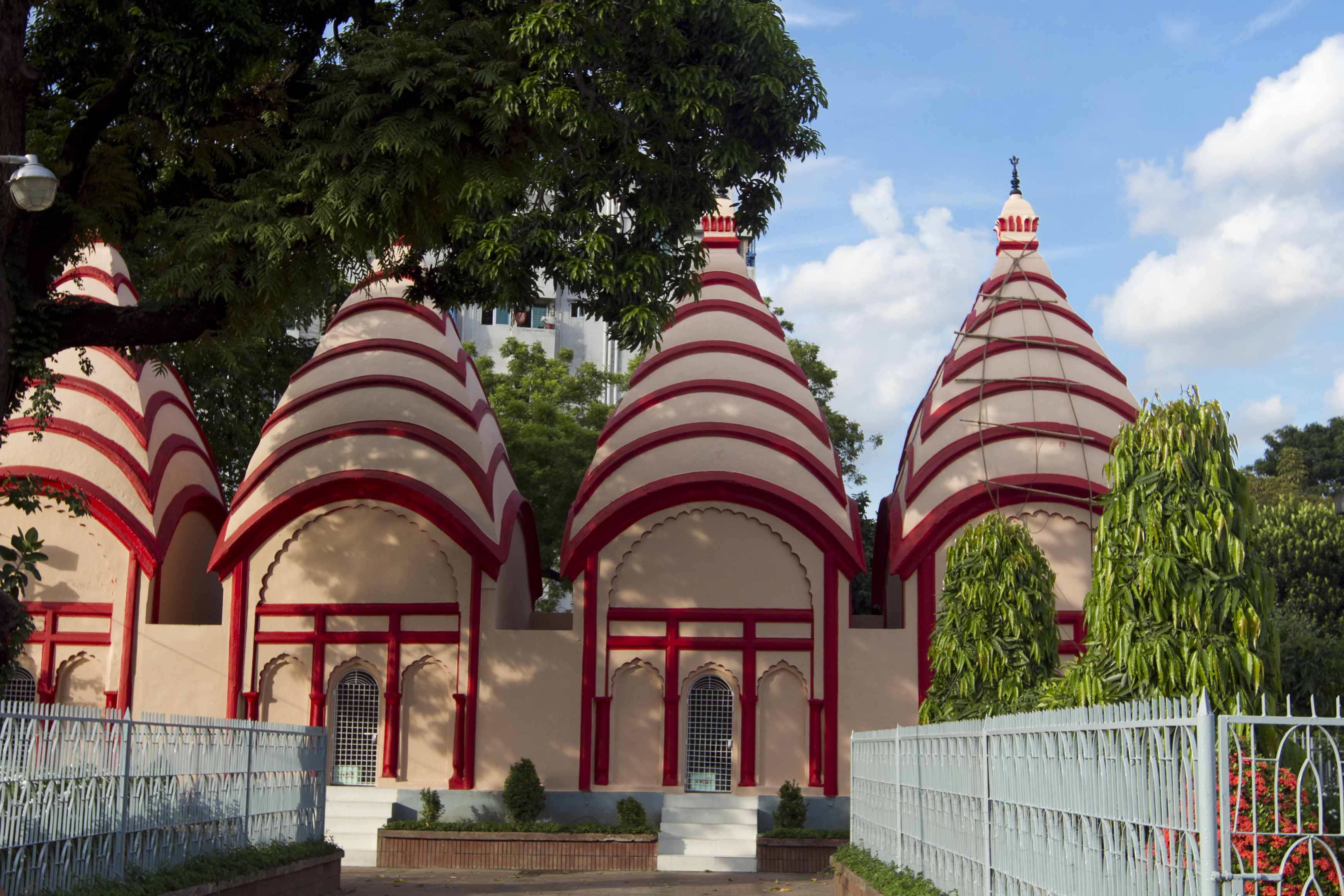
This temple hosts the city’s largest Sharadiya celebrations, with Mahalaya marked by Chandipath recitations and the Chokkhu Daan ritual that “opens” the goddess’s eyes. On Dashami morning, the iconic procession winds from the temple to Wiseghat for immersion, while devotees fill the grounds.
Puthia Temple Complex, Rajshahi
Puthia feels more like an entire temple landscape than a single architectural masterpiece. The historic complex in Rajshahi is home to a remarkable collection of temples, ponds, and remainders of the Puthia Raj family’s estate. The complex includes the Govinda Temple, the lakeside Bhubaneshwar Shiva Temple and curved Dolmancha used for Rath Jatra.
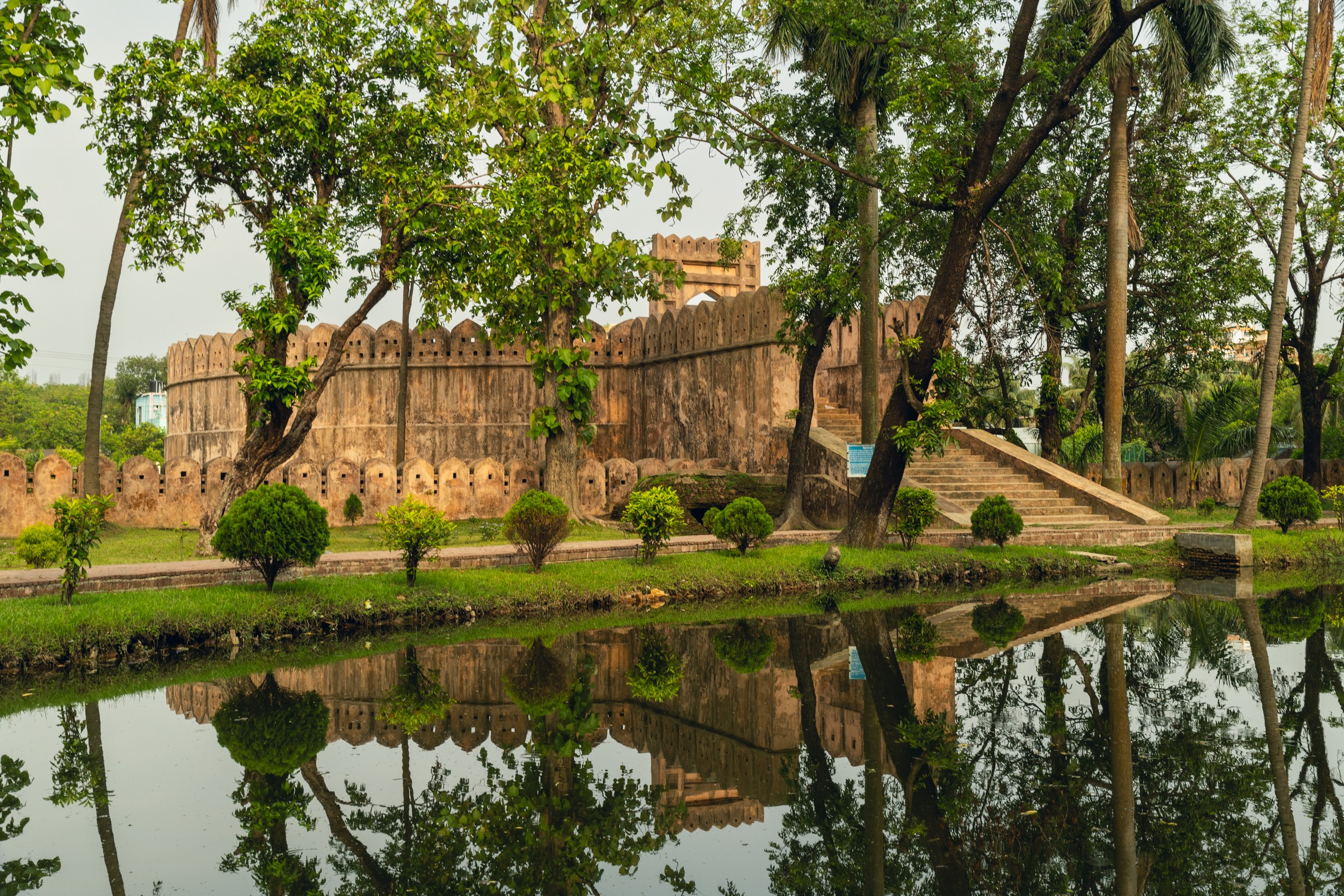
Built mainly between the 18th and 19th centuries, the temples showcase different forms of Bengal’s religious architecture, with terracotta and traditional silhouettes appearing across several structures. The large Shiv Sagar pond adds another layer to the setting. Rather than rushing from one shrine to another, Puthia is best experienced as a place to wander, look around, and take in how closely its temples and old landscape fit together.
Chandranath Temple, Sitakunda
Reaching Chandranath Temple is part of the experience. Perched on 350‑metre Chandranath Hill in Sitakunda, the temple is one of Bangladesh's best-known pilgrimage sites, and is regarded as one of the 51 Shakti Peethas where part of Goddess Sati's body fell.
Thousands of devotees make the climb each year during the Shiva Chaturdashi festival, turning the usually quiet hill into a lively pilgrimage route. While Mahashivratri brings the largest crowds, Sharadiya Puja also draws devotees who combine Navaratri worship with the hill’s panoramic views. For visitors who enjoy places where the journey is almost as memorable as the destination, Chandranath is difficult to overlook.
Bhabanipur Shaktipeeth, Bogura
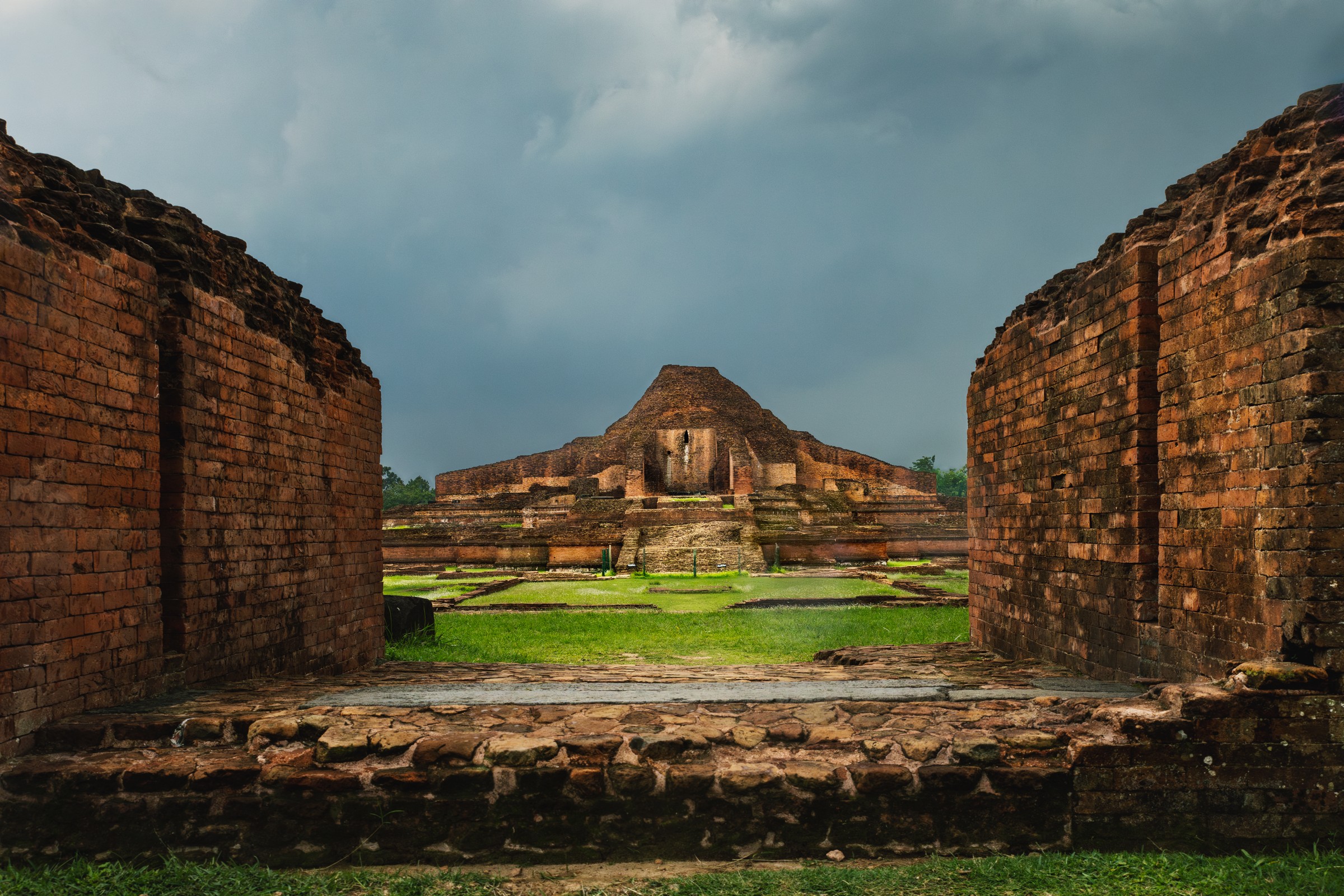
Set beside the Karatoya River in rural Bogura, Bhabanipur temple complex is regarded as one of the Shakti Peethas, where devotees worship Goddess Bhavani, also known as Aparna. Bhabanipur has grown into a larger sacred complex with several shrines, Shiva temples and a pond known as Shankha Pukur.
Daily Devi puja, recitations of the Devi Mahatmyam and seasonal festivals keep the complex alive. During Sharadiya Puja, pilgrims from across Bangladesh and neighbouring India gather for special rituals. Its quieter setting makes Bhabanipur particularly interesting for anyone curious about Bangladesh’s older traditions of goddess worship and living pilgrimage culture.
Ramna Kali Temple, Dhaka
Ramna Kali Temple carries a history that goes far beyond its role as a place of worship. Located beside Suhrawardy Udyan, the temple is believed to have originated as an ashram several centuries ago before the main temple was built and expanded under Rani Bilashmoni Devi. Its most devastating chapter came in 1971, when the temple and the adjoining Ma Anandamoyee Ashram were destroyed during the Liberation War.
 For all latest news, follow The Daily Star's Google News channel.
 The site was later rebuilt, with the reconstructed temple inaugurated in 2021. Today, the temple hosts major Kali Puja and Sharadiya Durga Puja celebrations, with pushpanjali, arati and Sindur Khela drawing thousands on Dashami. Today, Ramna Kali stands as more than an old temple in the heart of Dhaka, bringing together religious heritage and national history.
Jeshoreshwari Kali Temple, Satkhira
In the village of Ishwaripur in Satkhira, Jeshoreshwari Kali Temple is one of Bangladesh's most significant pilgrimage sites. The temple is believed to have been established centuries ago and has undergone several changes over time. Its surviving Natmandir, with its rows of pillars, is one of the most recognisable parts of the site.
While Kali Puja is the main annual draw, Sharadiya Navaratri and Durga Puja are also observed with village‑wide festivities. For visitors willing to travel beyond the usual tourist circuit, Jeshoreshwari offers a quieter encounter with one of Bengal's oldest traditions of Goddess worship.
Comments