


Can Dhaka’s rare pet cafés survive beyond the social media trend?
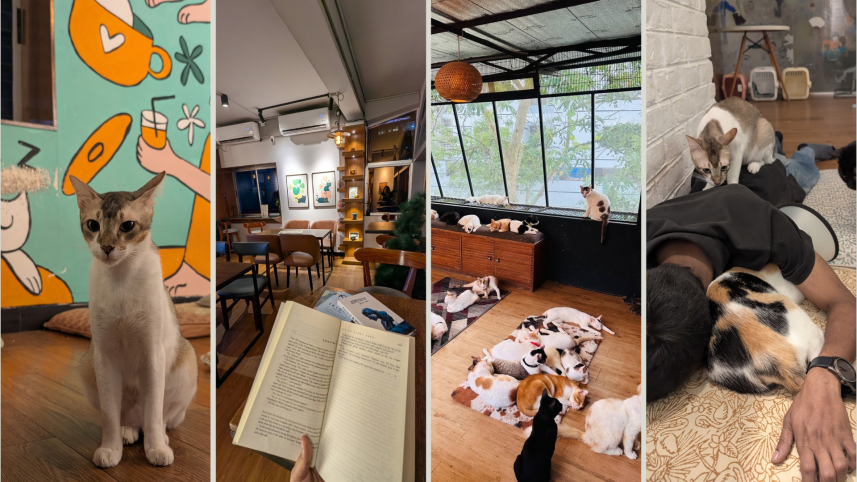
Walk into a café in Dhaka today and you might not just be handed a menu — you might also get a rule board telling you how to greet a cat. That is the reality of the city’s newest experiment: the pet café.
There are only two keeping the concept alive in Dhaka — A T M Ragib Raihan, owner of Furrycafe in Tejgaon, and Zeeshan Sadeque, owner of Robbie Bobbie Café, along with his co-owner Mayisha Alamgir in Bashundhara R/A.

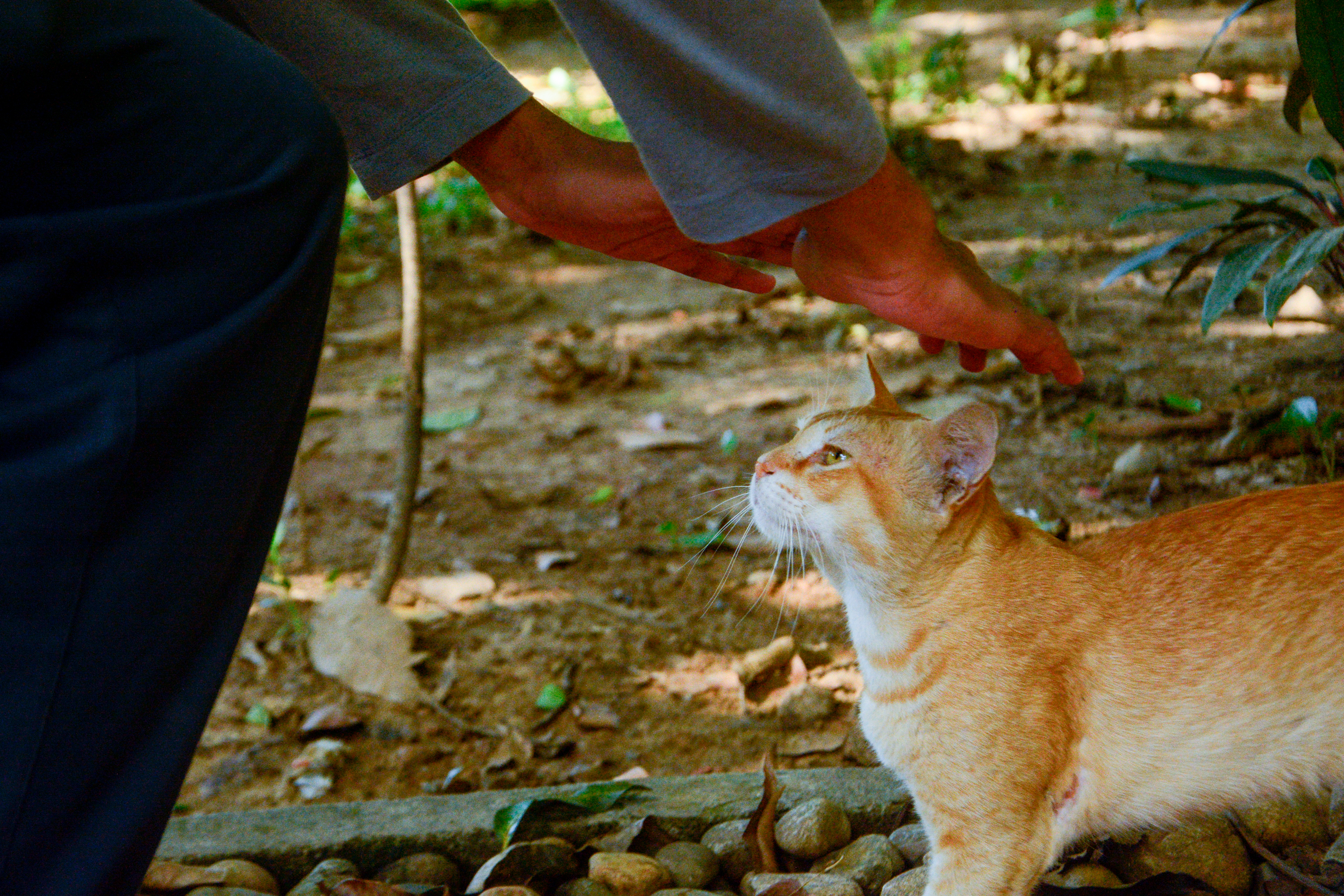
The pet café concept remains small, but it raises a bigger question: can Dhaka’s pet café industry survive in a market where several ventures have already closed down?
For animal lovers, the idea sounds appealing. Instead of scrolling through our phones over a favourite drink, there is a cat at our table.
But behind that adorable experience lies a complicated and costly industry.
According to Raihan and Alamgir, their motivations came from their love for cats and their desire to support animal welfare and foster homes.
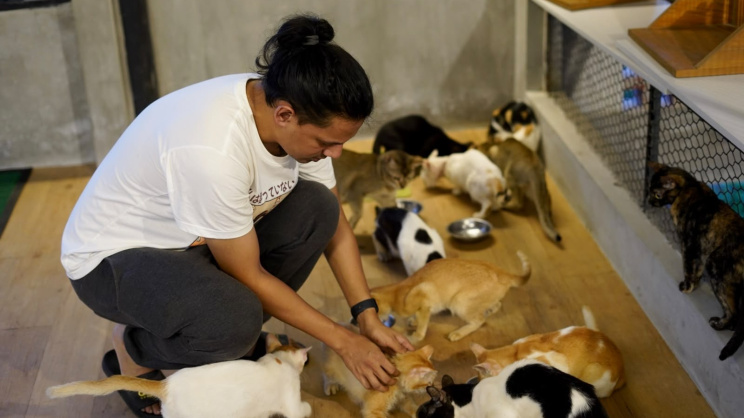
A pet café here is not just a café with cats added to the decor. Alamgir mentioned that the café itself helps create a support system for stray and rescued cats. The business and welfare initiative therefore become intertwined.
Dhaka’s pet culture has changed noticeably over the years. More people are keeping pets, rescuing animals from the streets, and speaking up about animal rights, with rescue stories and adoption opportunities frequently appearing on social media. Perhaps it was only a matter of time before that affection moved beyond people’s homes and into cafés.
The customers are not limited to pet owners. Animal lovers who cannot keep pets at home can still experience that connection, while families can introduce their children to animals in a controlled environment.
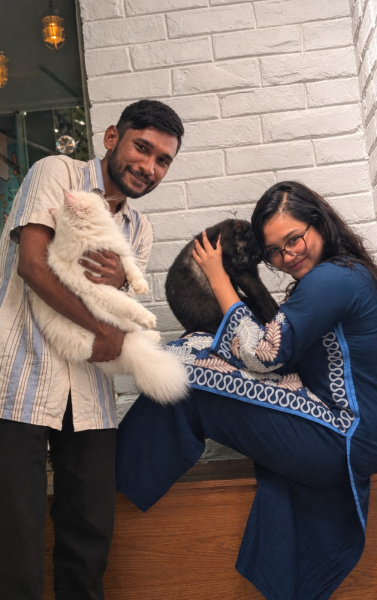
Raihan mentioned that children who are initially afraid of animals can gradually overcome that fear after spending time with the cats.
A pet café can also become someone’s first comfortable interaction with an animal. A child who gets anxious around cats might leave having learned that an animal does not need to be chased, picked up, or touched to be loved.
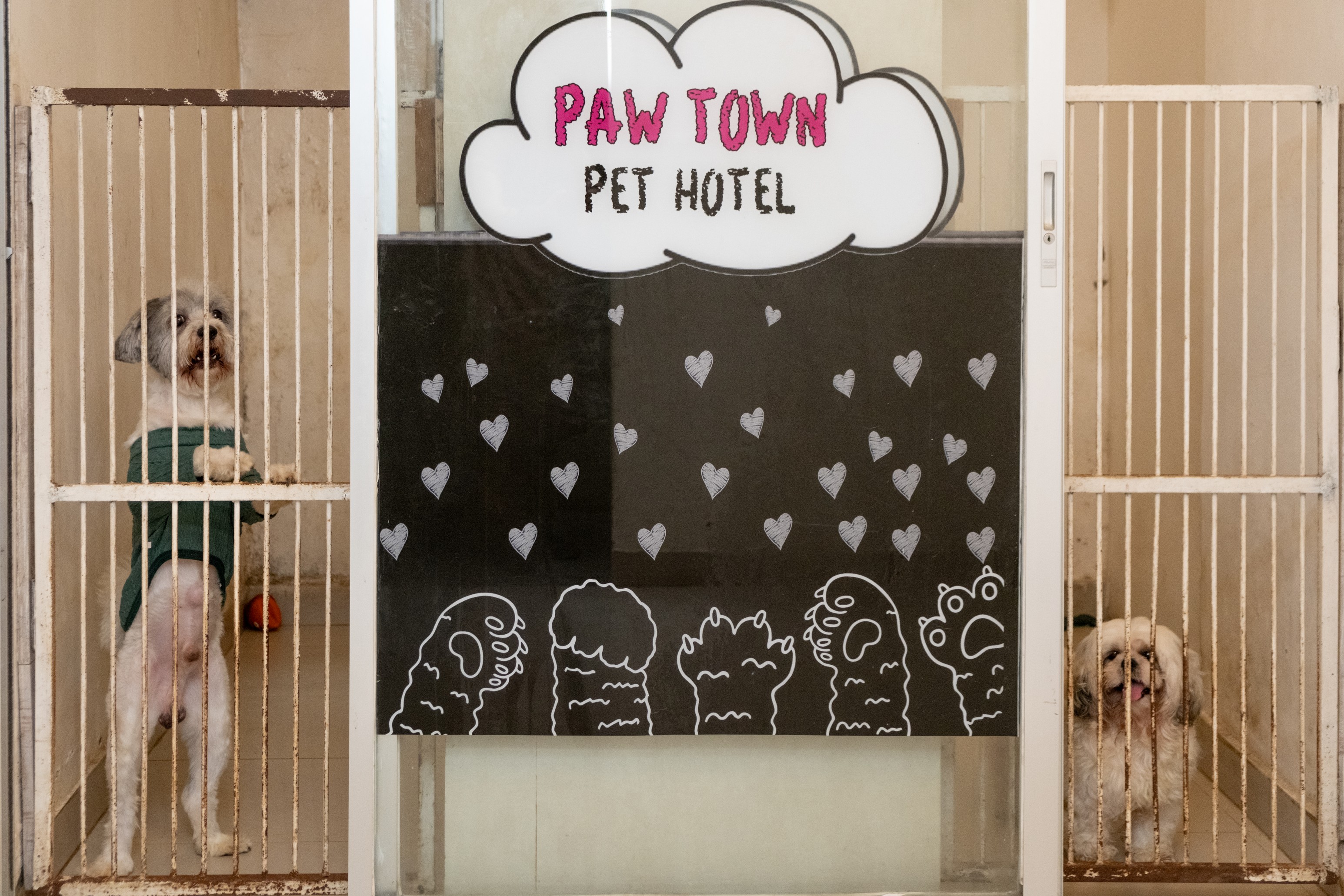
Running a pet café comes with a responsibility that a regular café does not have: the animals cannot be treated like furniture.
Both Raihan and Alamgir emphasised the importance of keeping food and cats separate. The cafés use partitioned areas so that cats do not come into direct contact with food preparation and serving spaces.
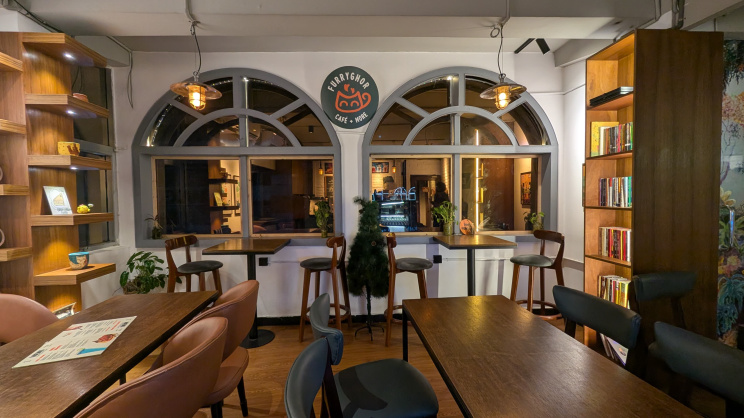
At Furrycafe, Raihan said, "There is a rule board in front of the cat area door for the visitors, and the area is monitored." The message is simple: do not force an interaction because you paid to enter.
If a cat wants to sleep under a chair, it should be allowed to do so. A cat that approaches you may be welcomed, while one that retreats should be left undisturbed.
 For all latest news, follow The Daily Star's Google News channel.
 But the biggest challenge is not regulation; it is sustainability.
A lot of pet cafés have come and gone in Dhaka before. According to Raihan and Alamgir, several cafés eventually shut down, making survival one of the biggest challenges for those still operating.
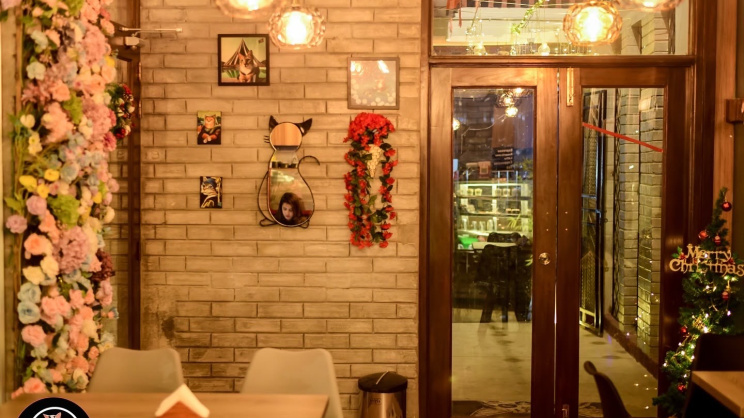
Unlike conventional cafés, the expenses do not stop at rent, ingredients, and staff salaries. There are additional costs such as vaccinations, healthcare, specialised food, regular deep cleaning, and constant monitoring.
This makes us question whether there is enough demand in Dhaka to sustain more pet cafés, or whether the concept will remain a niche experience.
The answer depends on whether we stop seeing these spaces simply as a trend. Bangladesh’s growing pet culture indicates there is an audience, and with continued support, the cafés can sustain themselves and help more cats.
The city is already learning to make space for animals in people’s homes, online communities, and everyday conversations. The next step is making space for them in our cafés too — patiently, responsibly, and with more support.
Photo: Courtesy
Comments