A new political voice is emerging from the Rohingya diaspora. Why it matters

The Rohingya crisis has undergone a significant transformation over the past five years, particularly since the military coup in Myanmar in 2021. As the civil war continues to intensify, the prospects for durable solutions to protracted displacement and a return to their homeland remain a distant reality. Amidst this politics of forgetting, nearly a decade after almost a million Rohingya fled Myanmar for Bangladesh, a new generation of Rohingya is building something that did not exist in quite this form before: a transnational, digitally connected political community. The world should start listening to it.
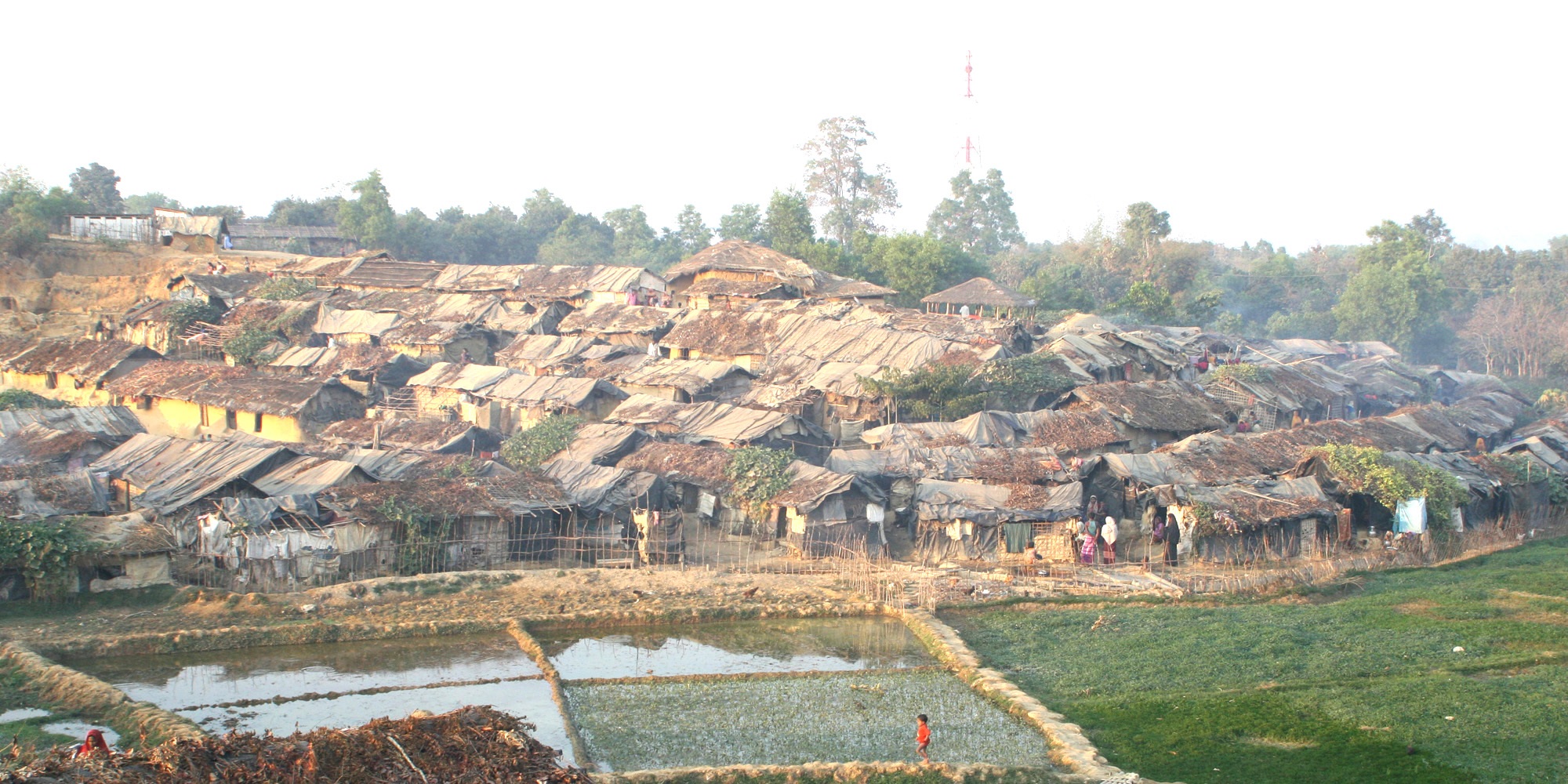
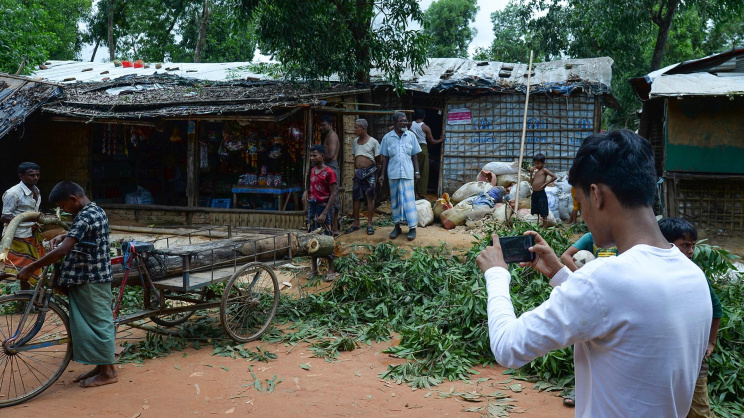
On Aug 25, 2017, the Rohingya exodus began on a scale that few could have imagined. In the weeks that followed, roughly 700,000 Rohingya men, women and children fled Myanmar’s Rakhine State for Bangladesh, joining hundreds of thousands who had escaped earlier waves of persecution. Today, more than a million Rohingya refugees live in Bangladesh, most in the sprawling camps of Cox’s Bazar, next to a porous borderland.
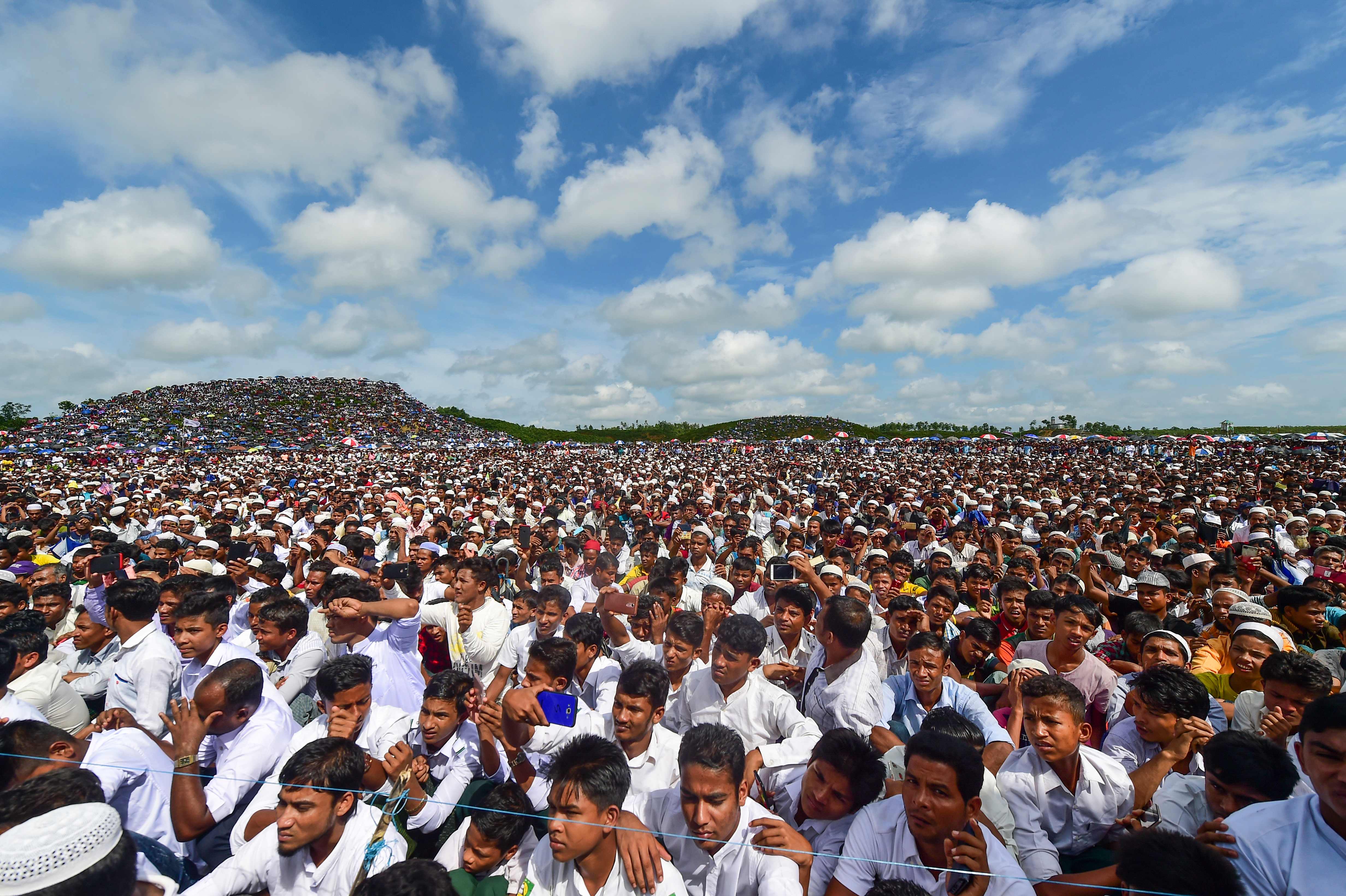
Nearly a decade later, however, the central question is no longer simply how to sustain the camps, what is needed on a daily basis or under what terms Bangladesh should engage in repatriation dialogue. It is about what kind of political community is emerging from this prolonged exile—and whether the international community is prepared to recognise it as part of the solution.
The Rohingya did not simply become refugees in 2017. They emerged as a diaspora, and this distinction matters.
For decades, persecution, exclusion from citizenship and repeated displacement had already scattered Rohingya communities across South and Southeast Asia. The 2017 catastrophe accelerated that process dramatically, expanding the Rohingya presence into countries including Malaysia, Indonesia, Australia, the United States, Canada and parts of Europe.
Exile, therefore, has produced something paradoxical. The Rohingya are geographically fragmented, politically marginalised and largely immobilised. Yet they are also more connected to one another than at any previous point in their history.
Much of that connection is digital.
The emergence of a Rohingya “digital diaspora” deserves far more attention from policymakers than it has received. Social media has become a space in which Rohingya dispersed across countries can preserve memories, debate identity, share information, support one another and advocate for political recognition.
The significance is not merely technological. It is political.
When a stateless population is denied meaningful political space in its homeland and faces restricted physical mobility in exile, the internet can become a substitute public sphere. It allows people separated by borders and refugee camps to communicate as members of a community with shared interests and aspirations.
Any durable political settlement will require more than negotiations among governments and male political elites. It will require a representative Rohingya constituency capable of articulating what return, citizenship, security, justice and coexistence should actually mean. The digital diaspora could help build that constituency.
Digital platforms have created a “community of hope”, where Rohingya construct a sense of virtual togetherness and collective identity, while also facilitating civic resistance, political mobilisation, and material and emotional support.
That is not a trivial development.
A recent study provides an indication of its scale. Examining Rohingya diaspora activity on Facebook between 2017 and 2022, the researchers identified 47 diaspora pages that collectively published nearly 35,000 posts and generated almost 8 million interactions. These pages were not focused solely on politics. They covered human rights, education, news, youth development, culture and diaspora community life.
In other words, the Rohingya digital diaspora is beginning to look less like a collection of refugee voices and more like an embryonic civic ecosystem.
There is another important dimension: women.
The traditional image of Rohingya political leadership has often been overwhelmingly male. But exile has begun to disrupt that pattern. International attention and the new social spaces created in the diaspora have enabled increasing numbers of Rohingya women to enter civic and political domains historically dominated by men. Education, language skills, technical knowledge, exposure to international organisations and opportunities in host countries have helped determine who can participate and how effectively.
This matters because any durable political settlement will require more than negotiations among governments and male political elites. It will require a representative Rohingya constituency capable of articulating what return, citizenship, security, justice and coexistence should actually mean.
The digital diaspora could help build that constituency.
But it would be a mistake to romanticise social media. The same platforms that can empower persecuted communities can also divide them, amplify misinformation and expose vulnerable people to surveillance and manipulation. Indeed, Facebook was itself implicated in the spread of anti-Rohingya hate and dehumanising narratives before and during the 2017 violence. Researchers have therefore rightly cautioned against excessive “digital optimism”. Unequal access to technology, differences in age, gender and economic status, and the realities of life in refugee camps all shape who gets heard online.
The lesson is not to retreat from digital politics. It is to make it more inclusive, secure and consequential. For governments and international organisations, that should mean a fundamental shift in how the Rohingya are engaged.
The objective in this regard should not be to create a single “Rohingya voice”. Diasporas are rarely that homogeneous. The objective should be to build a legitimate, representative ecosystem in which different Rohingya constituencies can debate their future and develop common positions on the issues that matter most.
That could prove crucial when a political opening eventually emerges in Myanmar.
The international community has spent years searching for a solution to the Rohingya crisis: repatriation agreements, diplomatic pressure, humanitarian assistance, international litigation and accountability mechanisms. All remain important. But sustainable return cannot mean merely transporting people across a border.
Return must involve rights.
It must involve security, citizenship or a credible pathway to it, freedom of movement, access to education and livelihoods, restitution and accountability. Most importantly, it must be shaped with the participation of the people who are expected to return.
This is where the Rohingya diaspora could become a game changer. It can transform a population scattered by persecution into a transnational community capable of speaking to governments, courts, journalists and international institutions.
This August, as we commemorate another anniversary of the Rohingya exodus, the question is no longer whether the Rohingya have a future. The question is whether the world will allow them to help define it.
The international community must take into account that, amid the tragedy of exile, something important has been built. A diaspora is quietly emerging as a political community.
And in a crisis defined for decades by the Rohingya’s lack of power, that emerging community—connected across borders and increasingly confident in its own voice—may be one of the few sources of political power the Rohingya can carry with them into whatever future awaits. The Rohingya diaspora may hold the key to solving a crisis the world has learned to ignore.
Dr Anas Ansar is an assistant professor in the Department of Political Science and Sociology and a member of the Centre for Peace Studies at North South University.
Send your articles for Slow Reads to slowreads@thedailystar.net. Check out our submission guidelines for details.

Can Bangladesh capitalise on the Bay of Bengal’s strategic rise?

Who pays for Israel’s nuclear dominance?

How much higher can oil prices go?

Beyond the ‘end of history’ and the ‘clash of civilisations’ / What kind of world order is emerging?
The South Korea opportunity Bangladesh is overlooking
Geopolitical ghosts and the United Nations
BRICS is bigger, but can it deliver?
Can Tarique Rahman’s plan break the Rohingya repatriation deadlock?
Diplomacy in a turbulent world: How Bangladesh should navigate bilateral ties and regional platforms