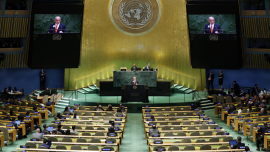
Three years after 7 October: When a date became an alibi for genocide
Three years on, and the nightmare continues. The 7th of October 2023, a date, has been asked to do something no date can do. It has been used to explain, excuse and close debate about everything that came after. In Gaza, Palestinians have paid for that perverse logic with their lives, their homes and their future. The question since then has been what has been done in its name, and who has been left out of the story.
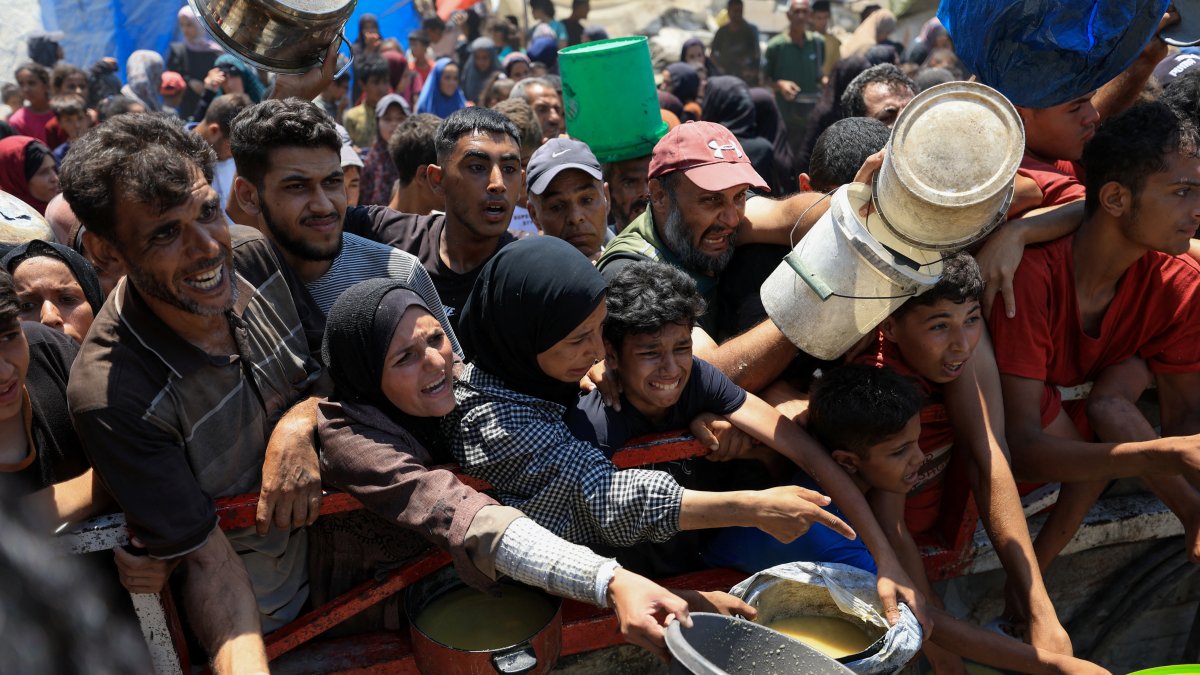
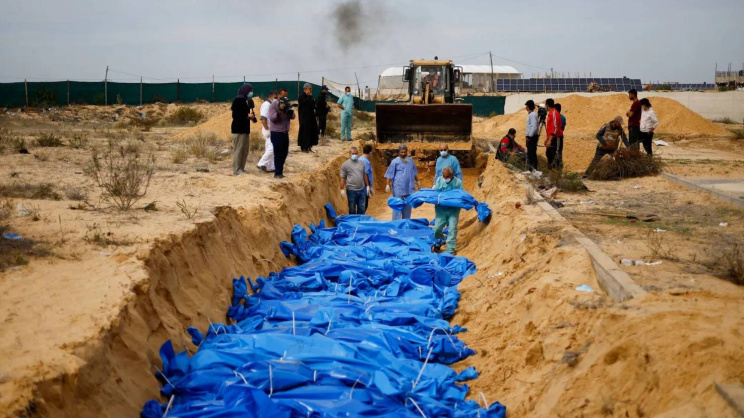
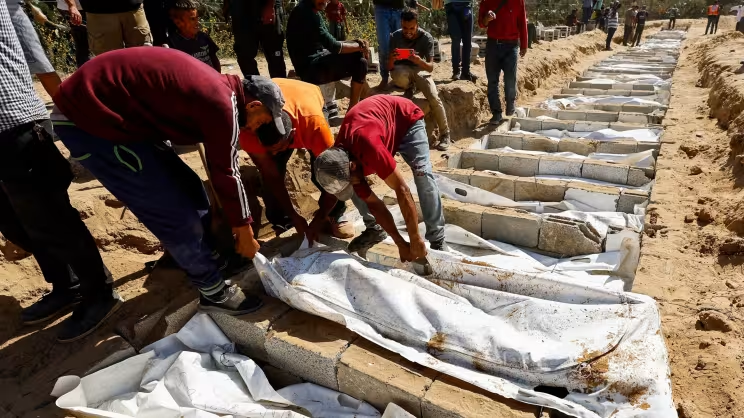
The numbers are hard to hold in the mind. According to Gaza's Ministry of Health, at least 74,016 Palestinians have been killed and 175,068 wounded since October 2023. Women and children make up around half of the dead, while 1,145 people have been killed since the ceasefire took effect in October 2025. Behind every number is a person, a child, a nurse, a teacher, a grandmother, and, above all, a grieving family that may itself have been wiped out.
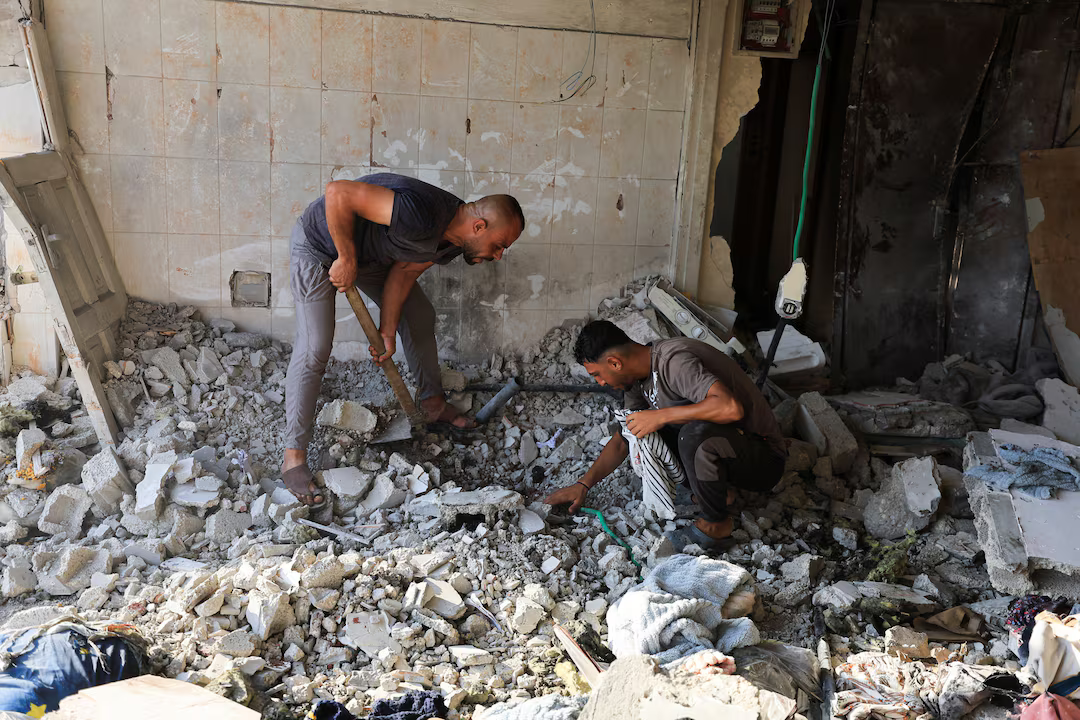
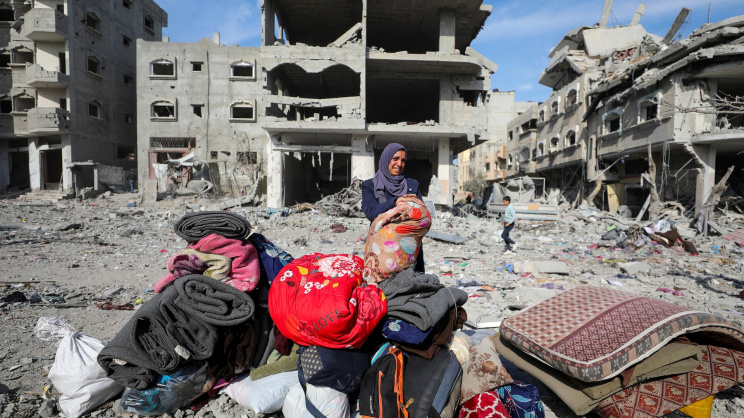
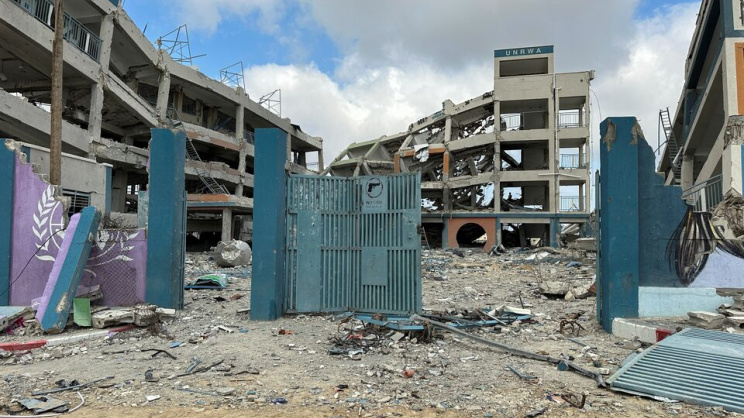
The harm goes beyond death. About 90 per cent of Gaza's people have been forced from their homes, many of them several times. The UN Environment Programme found that 78 per cent of Gaza's roughly 250,000 buildings have been damaged or destroyed. Hospitals, schools, bakeries, sewage and water systems and universities have been hit. In 2025, the global hunger monitor declared famine in parts of Gaza.
If one date can explain all of this, then we must ask what kind of explanation it is.
In the days after 7 October, Israeli leaders set out a new framework. The aim was no longer to respond to a specific threat but to dismantle an entire system of governance and, with it, much of Gaza's civilian life. Statements by officials described Palestinians in Gaza in dehumanising terms, including the phrase "human animals". A full siege was announced, cutting off all essentials, including food, fuel, water and electricity.
Collective punishment of a civilian population is prohibited under the Fourth Geneva Convention. So is starving civilians as a method of war. Yet Israel's policies treated these rules as obstacles to be explained away rather than limits to be respected.
The central tool was the language of self-defence. States do have a right to defend themselves, but that right has conditions. Force must be necessary, proportionate and directed at military targets. Civilians must be protected. And it is far from settled that a state can claim self-defence against territory it occupies and controls. In its 2024 advisory opinion on Israel's presence in the occupied Palestinian territory, the International Court of Justice found that presence unlawful and said it must end.
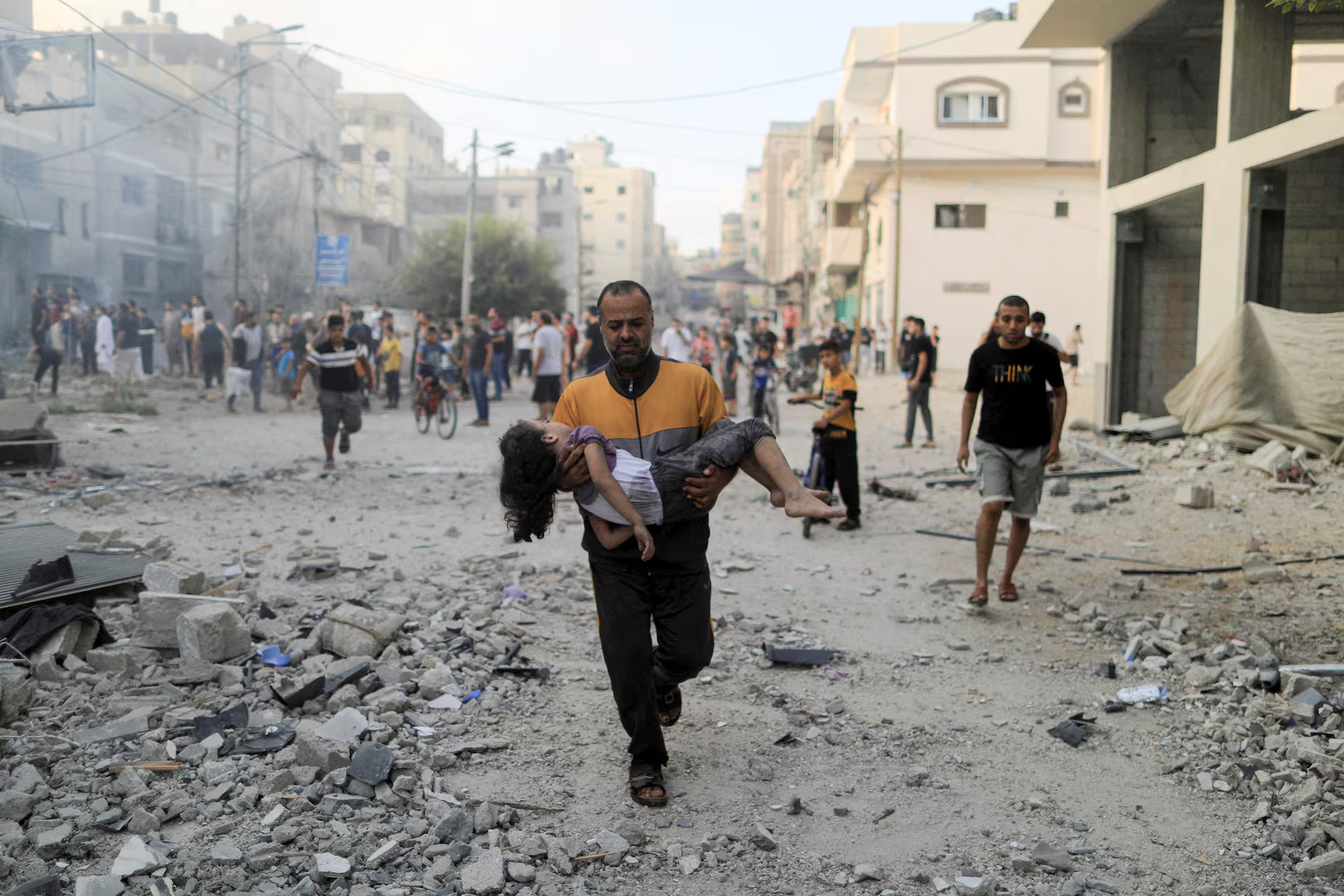
Still, "self-defence" became a phrase that closed conversations rather than opened them. Each strike, each evacuation order, each blocked aid convoy could be placed under it. In Western media, the more the word was repeated, the less anyone asked whether the conditions behind it were being met.
Three tools deserve attention because they shaped how the world understood events.
The first is the "human shield" argument. Israel describes civilian deaths as the fault of the other side. International law does not work this way. Even where soldiers operate near civilians, especially in densely populated areas like Gaza, the attacking side must still distinguish between military targets and civilians, and must weigh the harm to civilians against any expected gain.
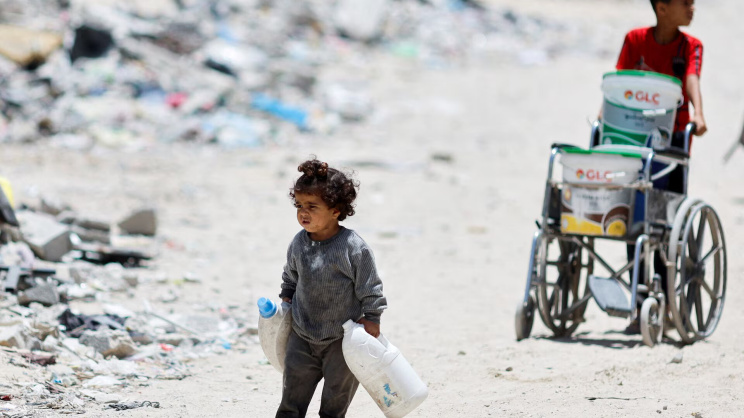
Simply claiming that civilians were in the way does not remove the duty not to kill them en masse. Although Israeli occupation forces describe civilians as collateral damage while targeting "militants", the argument here is that civilians themselves have been deliberately targeted. The killing of six-year-old Hind Rajab, who sat defenceless in a car that was reportedly hit by at least 335 bullets, raises profound questions about how civilians, including children, have been treated during Israeli military operations.
The second is the evacuation order. Warning people to move south, then to move again, was presented as a measure to protect civilians. It pushed a population into shrinking areas with little shelter, food or medicine, and these areas were later struck as well. At times, civilians were also struck while they were in the process of evacuating. For Palestinians, who carry the memory of 1948, when hundreds of thousands were forced from their homes and never allowed back, the fear that displacement might become permanent evoked a history repeating itself.
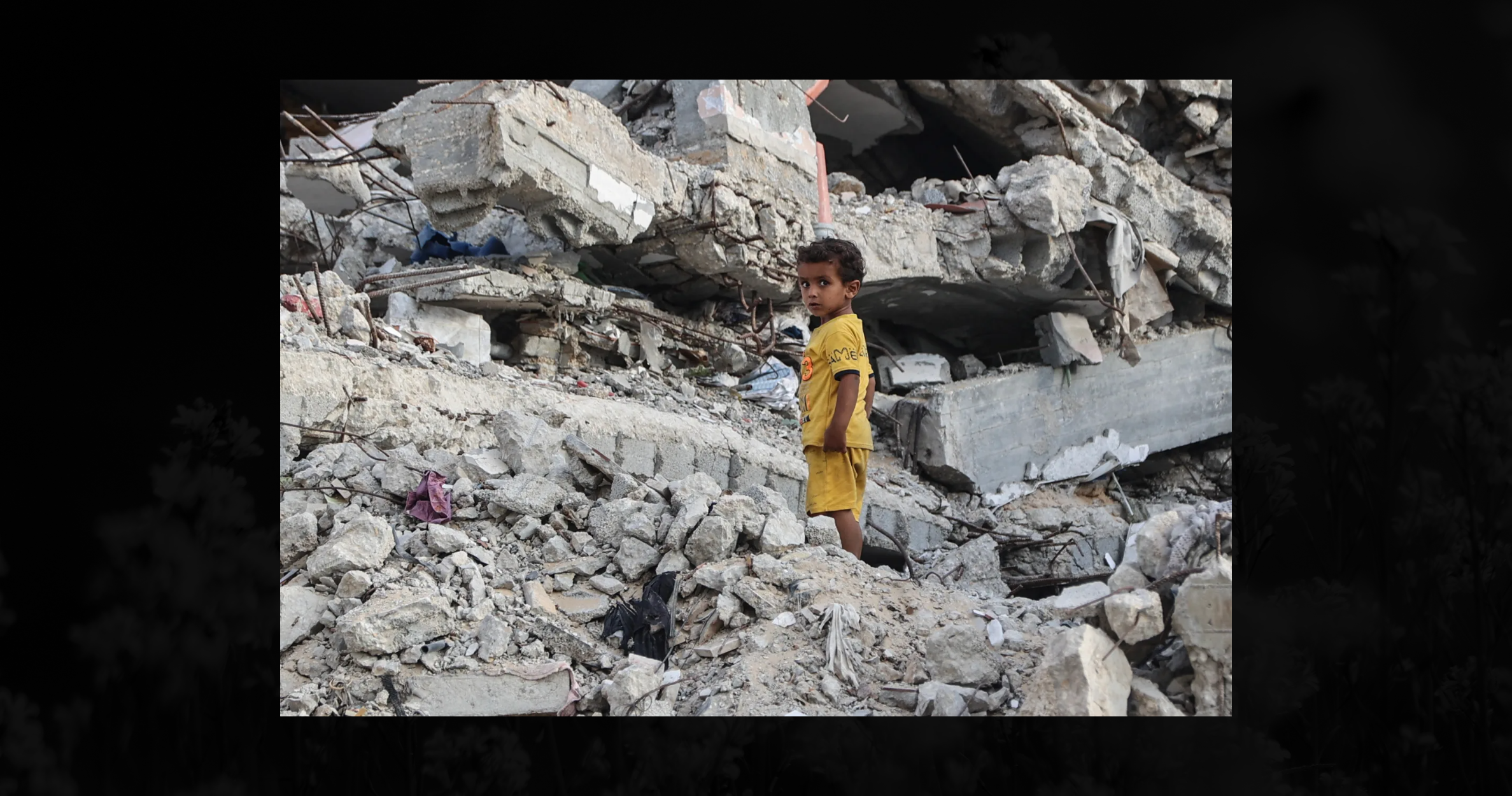
The third is the label. When Israel describes civilians as "militants" or "associated with terror" after its occupation forces kill them, as has been alleged even in the cases of journalists and aid workers, the label creates a justification for their deaths. It turns a question of law into a question of identity.
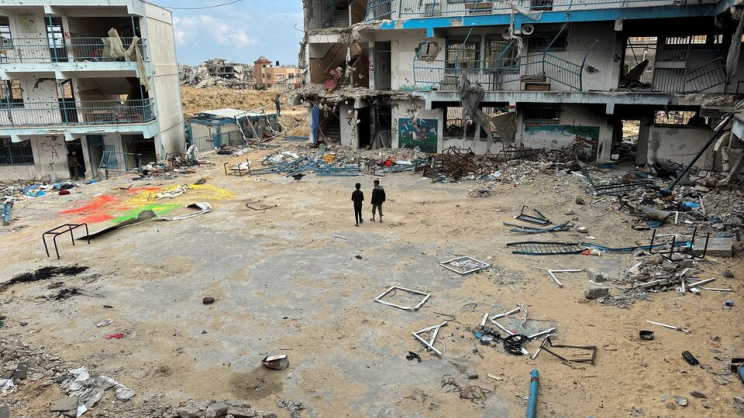
The scale of destruction also pushes beyond our current lexicon, which is why scholars and UN experts have found new words. Urbicide describes the erasure of a city, and the scale of destruction across Gaza shows why scholars have used the term to describe what has happened there. Educide describes the targeting of education. UNICEF says nearly 90 per cent of Gaza's schools have been damaged or destroyed, more than 700,000 children cannot access formal education, and a UN cultural rights expert reports that every university has been hit. Ecocide names the poisoning of land and water. UNEP reports polluted freshwater, destroyed vegetation and rubble that will take decades to clear. Ethnocide points to the loss of a people's culture, including libraries and a central archive holding 150 years of Gaza's history. Some of these terms are not yet formal legal crimes, and Israel rejects such accusations. But the law already protects schools, cultural property, the environment and children. Taken together, these patterns challenge Israel's "self-defence" argument.
International institutions have not been silent. They have been slow, and often blocked. In January 2024, the International Court of Justice found it plausible that some of the rights South Africa invoked under the Genocide Convention were at risk, and ordered Israel to take steps to prevent acts of genocide and to allow aid in. Israel strongly denies the accusation of genocide and says its operations target armed groups, not the Palestinian people. The substance of that case will take years. The written phase may not finish until 2029. Palestinians in Gaza cannot wait that long, and many will not live to see a ruling.
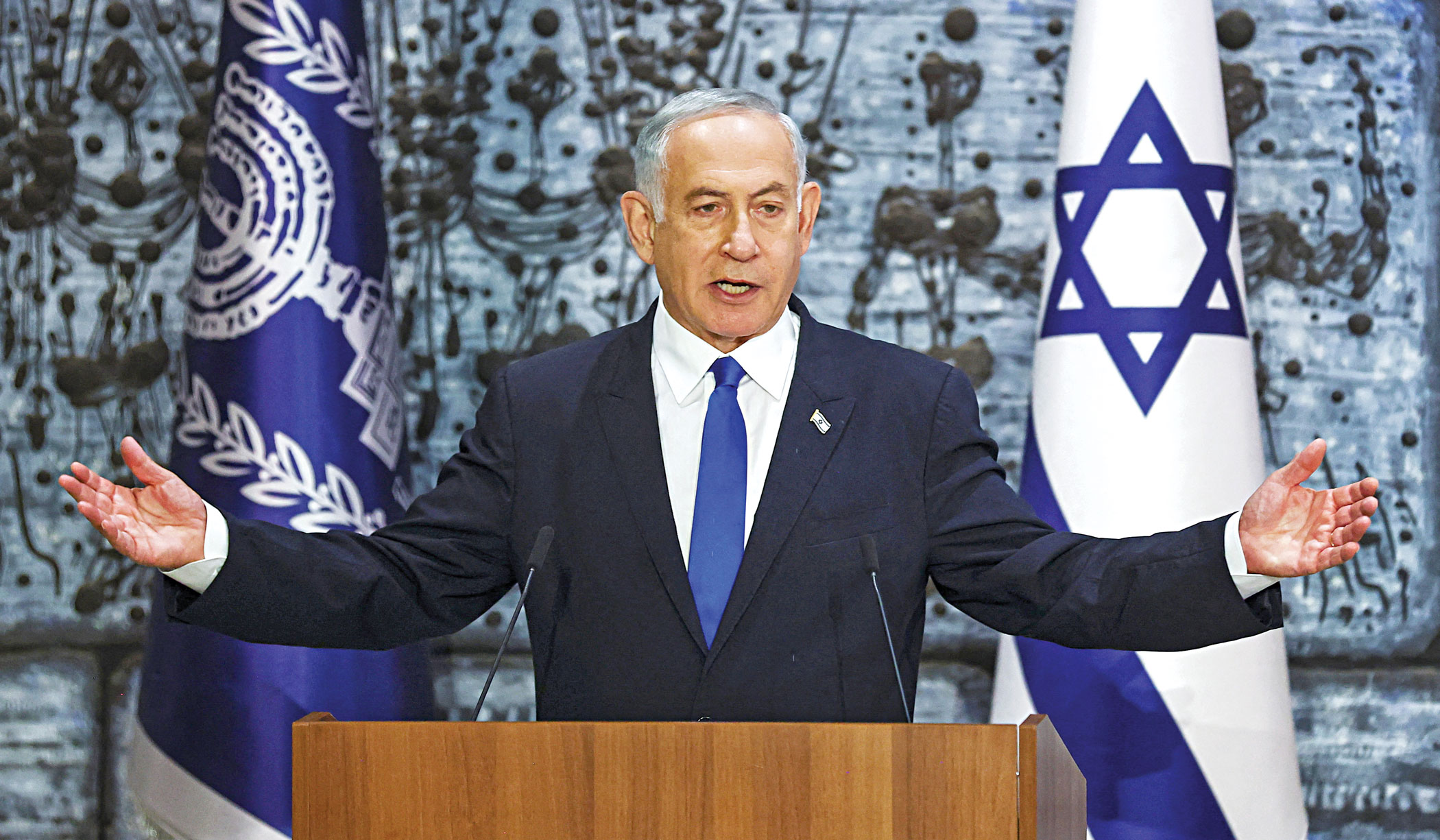
In November 2024, the International Criminal Court issued arrest warrants for Israel's prime minister and its former defence minister over allegations of war crimes and crimes against humanity. Israel rejects the court's jurisdiction. In September 2025, a UN Commission of Inquiry concluded that Israel had committed genocide in Gaza, a finding Israel once again rejected. A state facing some of the most serious legal accusations in the world has been able to continue its military operations without being held accountable, while some of its closest allies have shielded it from consequences, supplied it with weapons and, in some cases, attacked the courts themselves.
This matters beyond Gaza. International law is only as strong as the willingness to apply it equally. When rules are enforced against some and waived for others, they stop being law and become politics. People have noticed. That is why trust in the so-called rules-based order has fallen so sharply, especially across the Global South.
There is another way 7 October has been used. Israel has presented it as the beginning of history. Many news reports and political speeches begin the story on that morning, as if there were not decades of history that came before it. Beginning in 2023 removes more than seven decades of displacement, military occupation, the expansion of settlements that international law prohibits, and a blockade of Gaza that has strangled daily life since 2007. It also removes and belittles the experiences of the people who have lived through all of it since 1948.
When Palestinians are mentioned at all, they often appear as casualties, as numbers, or as a "humanitarian problem" to be managed. They are rarely described as a people with rights: the right to self-determination, the right to live safely in their homes, the right to return, and the right to be counted as individuals rather than as a threat. Their deaths are often reported in Western media in the passive voice ("were killed"), while those of others get names, faces and life stories. Most importantly, those responsible for their deaths are often not named.
This is not a small matter of style. How a people and its situation are described, and the language used to describe them, shape whether the world feels moved to protect them. A population that is only ever shown as a danger or as a statistic will find it hard to win the sympathy that makes protection possible.
Palestinians have also been told what their future should look like by people who are not Palestinian. Plans for Gaza's "day after" have been announced by outside powers with little say from those who live there. Proposals to move people out of Gaza, however they are dressed up, ignore a basic principle. A people cannot be rescued by being removed from their land.
And yet the story has not gone the way those who wrote the framework expected. Ordinary people across the world refused to accept that one date could justify all of this. Around 500,000 people marched in Washington in November 2023, and large marches were held in London, Paris, Rome, Cape Town, Manila and dozens of other cities. Students set up encampments and demanded that their universities look at where their money goes. Many were met with arrests and force. Artists and athletes added their voices.
Governments also began to move. South Africa took its case to the world's highest court. Several countries cut or reviewed ties with Israel, and more have recognised the State of Palestine. These steps came late and were not enough, but they show that the framework built around 7 October is not as solid as its authors hoped.
What drove this response was not hatred, as critics often claim. It was a simple moral instinct and an urgent need for justice.
If 7 October is to be remembered honestly, it must be remembered as part of a longer story, and not as a licence to commit unimaginable atrocities against Palestinians. A fair reckoning would include at least four things.
First, the law must apply equally. Courts must be allowed to do their work, and states must stop attacking or ignoring them when their findings are uncomfortable.
Second, Palestinians must be seen as a people with the right to self-determination. Any future plan for Gaza and the West Bank that excludes Palestinian voices will fail, morally and practically.
Third, the facts of what happened must be established independently. That means allowing open access for journalists, investigators and aid workers, so that the record is not written by one side alone.
Fourth, the root causes must be addressed. As long as the illegal occupation, attacks, blockade and displacement continue, there will be people who resist them.
Three years on, Palestinians are still digging their loved ones out of the rubble and sleeping in tents. They are still being killed even after the "ceasefire". They are not asking for special treatment. They are asking to be counted, protected and heard like everyone else.
Yousef SY Ramadan is the Palestinian Ambassador to Bangladesh.
Send your articles for Slow Reads to slowreads@thedailystar.net. Check out our submission guidelines for details.

Can Bangladesh capitalise on the Bay of Bengal’s strategic rise?

Who pays for Israel’s nuclear dominance?
How much higher can oil prices go?

Beyond the ‘end of history’ and the ‘clash of civilisations’ / What kind of world order is emerging?
The South Korea opportunity Bangladesh is overlooking
Geopolitical ghosts and the United Nations
BRICS is bigger, but can it deliver?
Can Tarique Rahman’s plan break the Rohingya repatriation deadlock?
Diplomacy in a turbulent world: How Bangladesh should navigate bilateral ties and regional platforms