


Bangladesh at Asian Games: Just taking part isn't enough anymore

Pierre de Coubertin, widely regarded as the founder of the Olympic Movement and the man who revived the modern Olympic Games, is perhaps best remembered for his classic observation: “The important thing in the Olympic Games is not winning but taking part, just as in life, what counts is not the victory but the struggle.”
Bangladesh has, in a sense, been making Coubertin’s words painfully relevant for decades.

It is the most populous country never to have won an Olympic medal. So accustomed have sports lovers become to disappointment that many no longer realistically expect an athlete from Bangladesh to reach the podium at the world’s biggest sporting event.
The paradox has now reached another level.
Sports fans may soon have to abandon even the hope of regularly seeing athletes from their own country stand on the podium and hear the national anthem played at major Asian and Commonwealth competitions.
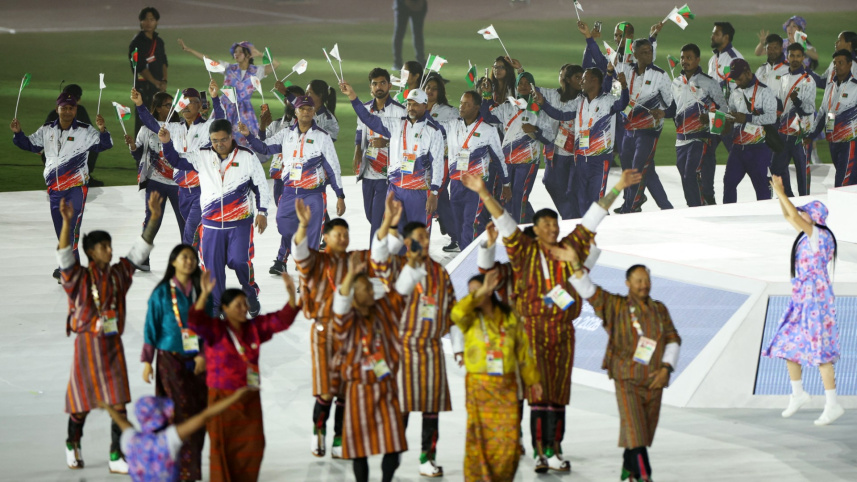
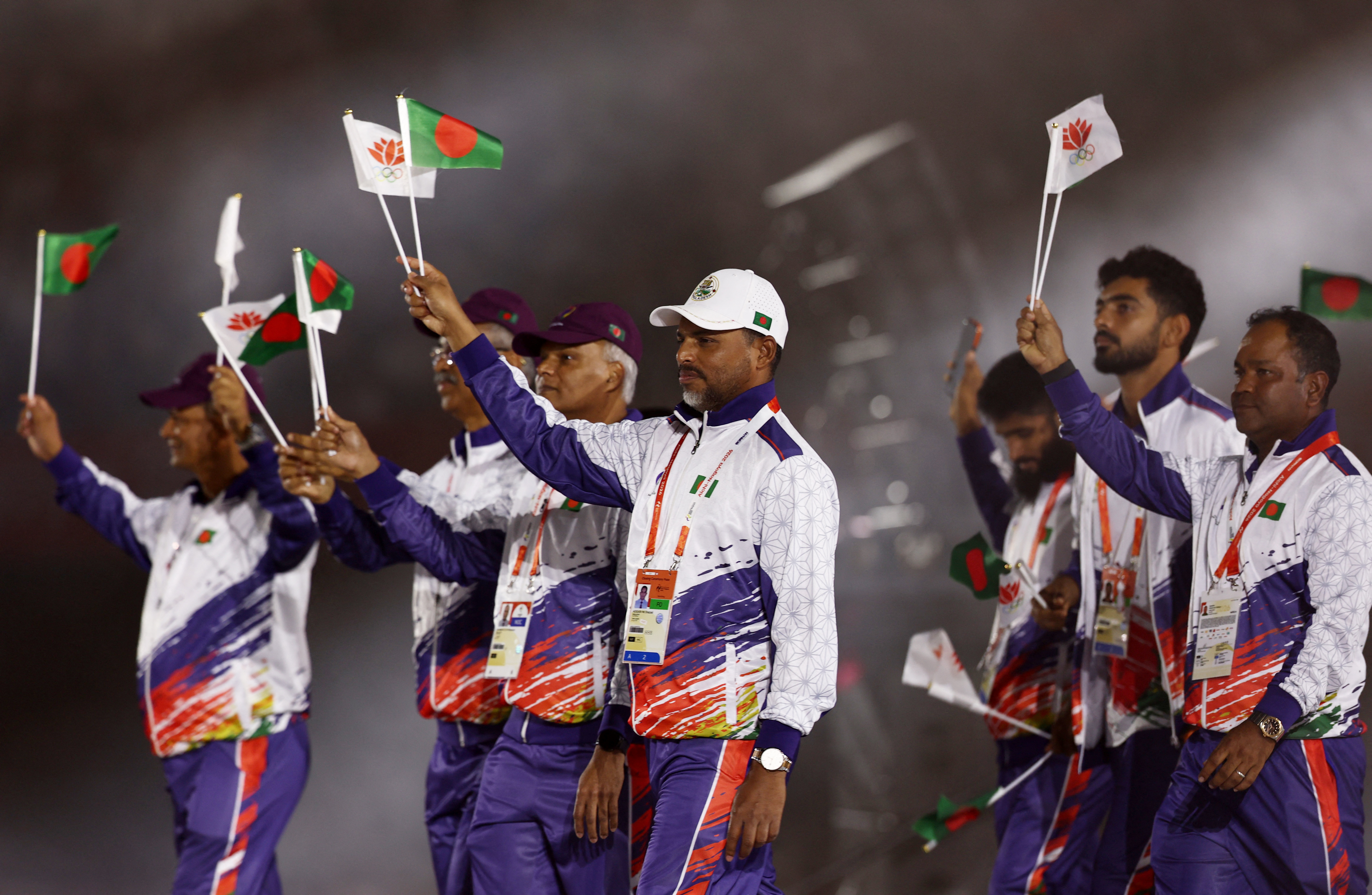
The latest Asian Games provides yet another reason to ask why. Bangladesh travelled to Aichi-Nagoya with its largest-ever contingent, yet returned with just one bronze medal.
The country’s record at the Asian games is hardly encouraging. Atiqur Rahman and Abdus Sattar Nini won gold in the 10m air pistol event at the 1990 Commonwealth Games, while Asif Hossain Khan won gold in Manchester in 2002. Bangladesh has won eight Commonwealth Games medals in total, all in shooting, with the last one coming in 2018.
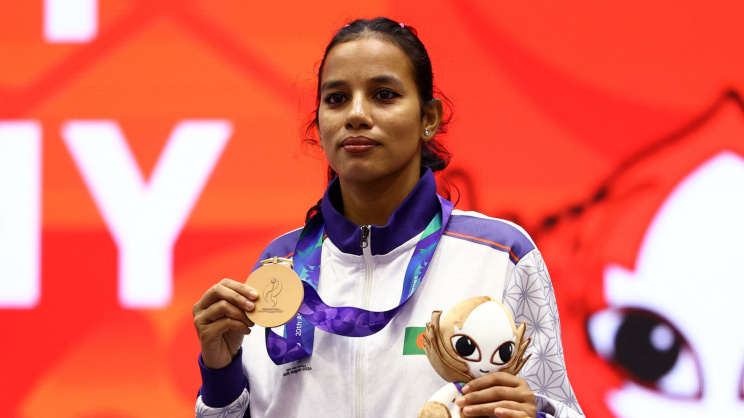
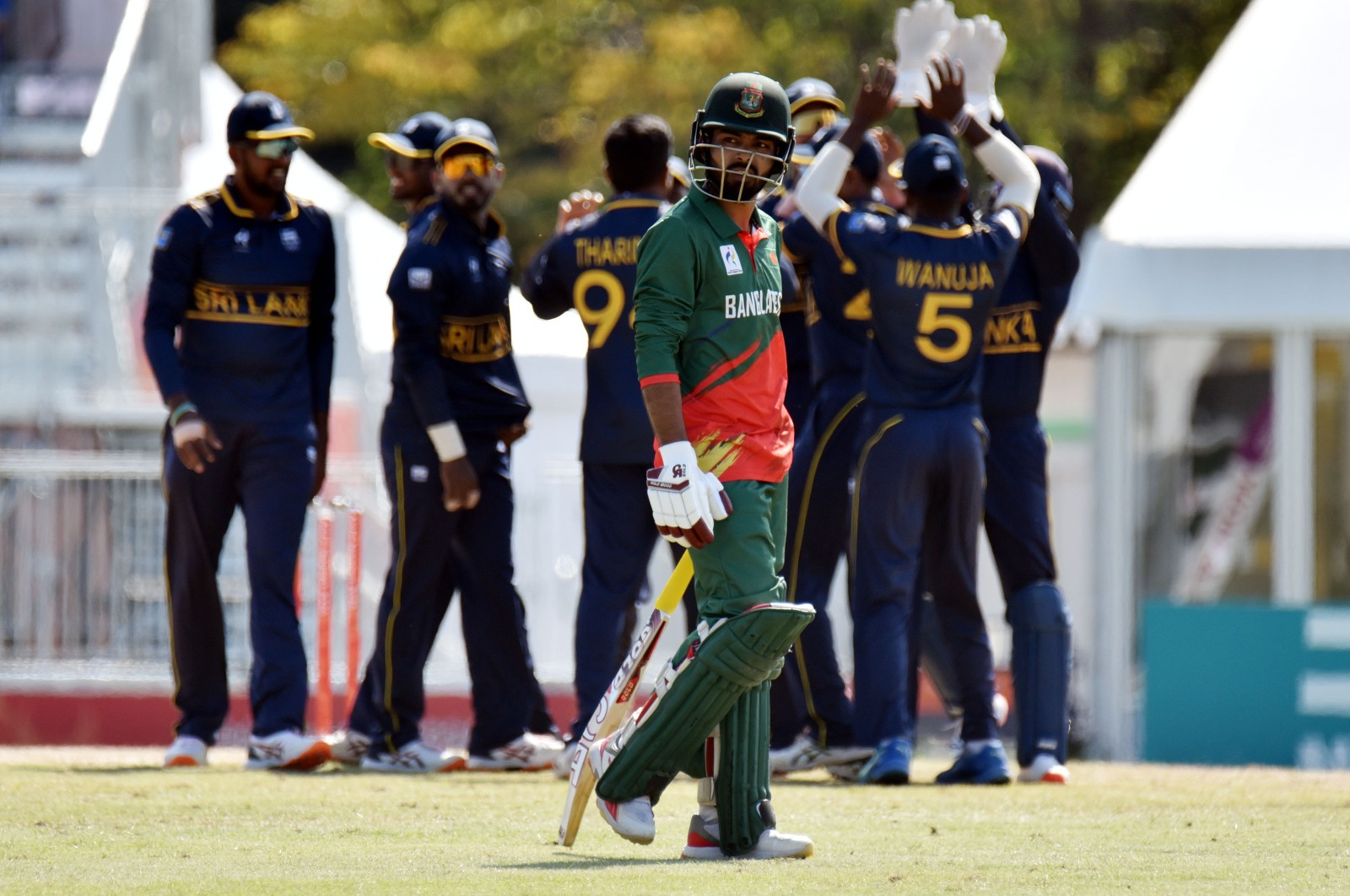
The situation at the Asian Games is not much different. Bangladesh has won only one gold medal, in cricket at the 2010 Guangzhou Games. Its total Asian Games medal tally stands at 15, with six medals coming from cricket and seven from kabaddi, the country’s national sport. Only two individual athletes have won medals: Mosharraf Hossain won bronze in boxing at the 1986 Seoul Asian Games, while Jinnat Akter won bronze in wushu at the recent Aichi-Nagoya Games.
According to a report published by The Daily Star, Bangladesh’s delegation grew from 166 members at the 2014 Incheon Asian Games to 260 in 2026. Yet while the size of the contingent increased dramatically, the medal tally fell from three to one.
What is most disappointing is not the medal count. It is the fact that we have been having essentially the same conversation for decades.
After every Asian Games, Commonwealth Games or Olympics, we hear familiar explanations. There was not enough time to train. Athletes lacked international exposure. Facilities were inadequate. Funds were insufficient. Coaches did not have enough time. The same problems appear to linger for years. But why do they remain unresolved?
That is a question our sports administrators have rarely answered.
What makes the situation particularly frustrating is that the solutions are obvious and quite within reach.
Bangladesh needs a genuine high-performance sports strategy that extends well beyond the next tournament cycle. Our approach to sport is too often reactive and event-driven. Preparation intensifies a few months—and, in some cases, only a few days—before a major competition and fades almost immediately afterwards.
Instead, the country needs a long-term plan for sustained athlete development, beginning at the school level.
A genuine sporting culture must be developed from the grassroots. Many schools, particularly in urban areas, do not have playgrounds or even basic sporting equipment.
Sure, there are regular football and cricket tournaments at the school level. Education authorities also competitions in swimming, football, handball, athletics and so forth. But it is mostly to fulfil obligations, to check the boxes. It is seldom part of the serious effort to spot sporting talent. After all, it is at the school level that talent identification must begin.
Although schools, colleges and district competitions continue to produce talented youngsters. Too often, however, those athletes disappear from the system because they lack opportunities, quality coaching or financial support.
 For all latest news, follow The Daily Star's Google News channel.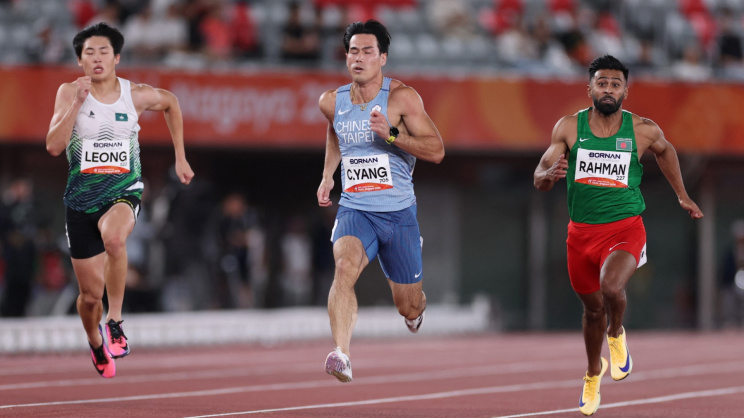
Bangladesh should introduce sports scholarships to enable the talented to nurture the talents. A structured pathway—from school competition to district and national development programmes and ultimately to elite international competition—is essential if the country is serious about producing champions. And perhaps Bangladesh would do better if it focused in certain areas instead of trying to compete in so many events. Otherwise, our limited resources will forever remain spread too thin. And in today’s world funds are crucial for athletics and sport.
We also need to recognise that modern sport is no longer driven by talent alone. There is science, nutrition, injury management and specialised coaching, to mention just a few things, that are considered integral for elite performance. Athletes from countries that consistently win medals benefit from these systems long before they enter the competition.
Bangladeshi athletes are often expected to compete at the highest level without access to many of these facilities. Telling them to “try harder” would be unfair.
And no, participation cannot be treated as achievement in itself.
Comments