


Building Better Begins with Making Better

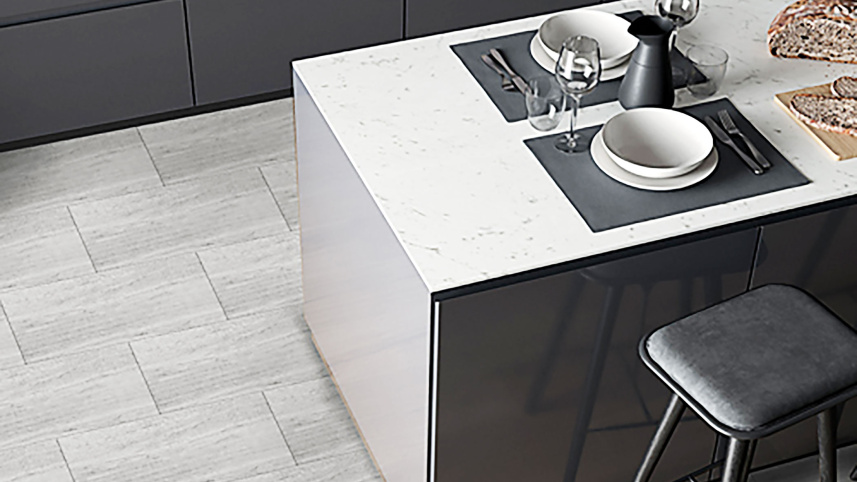
Sustainability and environmental impact of a building depends on the materials its made from. How the materials are produced, how much energy and water the process consume and what is left behind in the process, all matter immensely. As we observe World Habitat Day and World Architecture Day, conversations naturally turn towards better cities, safer homes and more sustainable buildings. But the sustainability of our built environment cannot be separated from the industries that supply it.
Ceramics, for example, is a resource-intensive industry. High-temperature kilns, drying processes, minerals and water are all essential to production. Traditionally, waste generated along the way has been treated as an unavoidable consequence. Yet if we are serious about creating more sustainable habitats, we must also question how the materials used to build them are made.

Nature offers a useful model. Water evaporates and returns as rain. Organic matter decomposes and enriches the soil. Resources move through cycles rather than ending as waste. Manufacturing, by contrast, has long followed a linear model: take, produce, use and discard.
At DBL Ceramics, this thinking led to Project Circular Flow, an effort to examine whether materials, water, energy and production by-products could remain useful for longer.
Waste heat from ceramic kilns, which operate at temperatures exceeding 1,200 degrees Celsius, can be recovered and redirected into other production processes. Water can be treated and circulated instead of being used only once. Ceramic dust can be collected and reused to manufacture small-format tiles from recycled material. Sludge from water treatment has also inspired TileChalk, which turns production residue into chalk and educational materials for underprivileged schools.
These initiatives point towards a broader idea. Sustainable architecture does not begin only with the design of a building. It also depends on the systems behind the materials that architects and builders specify.
For Bangladesh, this matters increasingly as cities expand, construction demand grows and pressure on energy, water and raw materials intensifies. Architects, manufacturers, policymakers and researchers therefore have a shared role in shaping the next generation of the built environment.
We often describe sustainability as an additional cost. But unused energy is a cost. Discarded material is a cost. Wasted water is a cost. A circular approach is ultimately about using resources more intelligently.
The buildings of tomorrow will be judged not only by how they look or function, but also by the resources required to create them. If we want better habitats, we must look beyond the finished building. We must also rethink the industries that make those buildings possible.
 For all latest news, follow The Daily Star's Google News channel.
Comments