


Use of Suitable Bricks and Blocks in Building Construction
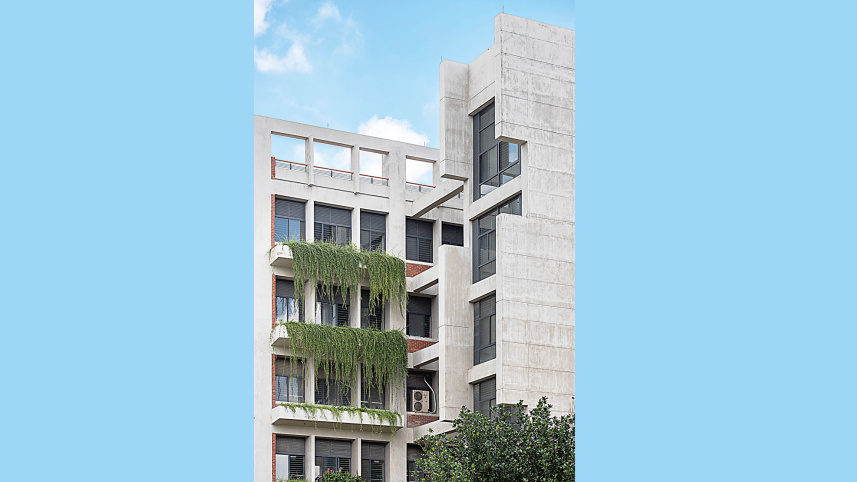
Building construction is a carefully planned process in which the quality and suitability of every material affect the durability, safety and appearance of the finished structure. Among the earliest and most important decisions is the selection of bricks and blocks for different parts of a building.
No single type of masonry unit is suitable for every application. The choice depends on factors such as structural requirements, location, exposure to weather and the intended function of a wall. For this reason, architects, engineers and building owners need to understand where different grades and types of bricks and blocks should be used.

First-class burnt-clay bricks are among the highest-quality conventional masonry units. Their relatively uniform shape, strength and surface finish make them suitable for quality masonry, including exposed work where appearance is important. Properly manufactured bricks can also provide durable external walls capable of withstanding prolonged exposure to sun and rain.
Regular clay bricks remain widely used for general masonry and wall construction. Their suitability, however, depends on the quality of the bricks and the requirements of the particular building.
Modern construction is also making greater use of alternative masonry units. Concrete blocks, including hollow varieties, can be used for walls and partitions depending on their specification and structural design. Hollow clay blocks are similarly useful as lightweight infill or partition walls within framed structures. Because lighter walling materials can reduce dead load, they can offer advantages where reducing unnecessary structural weight is a design priority.
Lower grades of bricks also have limited applications. Second-class bricks may be considered for less critical or concealed masonry, subject to engineering requirements. Third-class bricks, because of their lower quality, should generally be restricted to applications where their limitations do not compromise structural performance.
Over-burnt bricks, commonly known as Jhama bricks in Bangladesh, have traditionally been used in applications such as soling and, when appropriately processed and specified, as aggregate in certain construction works. Their characteristics differ considerably from standard walling bricks, making correct application particularly important.
Ultimately, good construction depends not merely on using high-quality materials, but on using appropriate materials in the right places. Building height, structural load, environmental exposure and wall function should all guide material selection.
A durable and safe building therefore begins with informed specification. When architects and engineers select bricks and blocks according to their properties and intended use, material efficiency improves, unnecessary loads can be reduced and the building is better equipped to perform as intended throughout its lifespan.
Fouzia Jahan is a senior architect at VOLUMEZERO and can be reached at fouzia5299@gmail.com
 For all latest news, follow The Daily Star's Google News channel.
Comments