


Bringing EV charging home
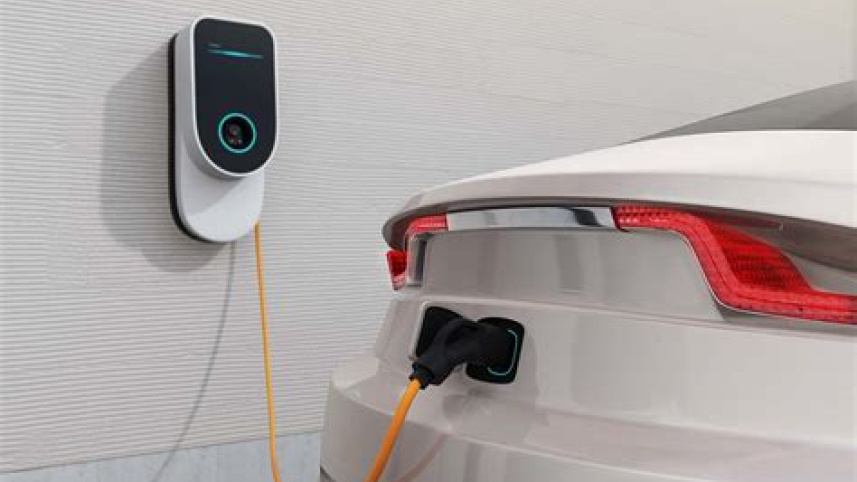
Buying an electric vehicle usually begins with questions about price, range and battery life. Yet before the car reaches the driveway or basement garage, there is another practical question worth answering: can the place where you live support regular charging safely, without creating problems for the rest of the building?
For homeowners, that preparation begins well before a charger is fixed to the wall. It involves the electricity connection, the parking space and, in an apartment building, agreement about how a shared resource will be used. Getting these details settled early can make charging an ordinary part of coming home.

Start with the supply
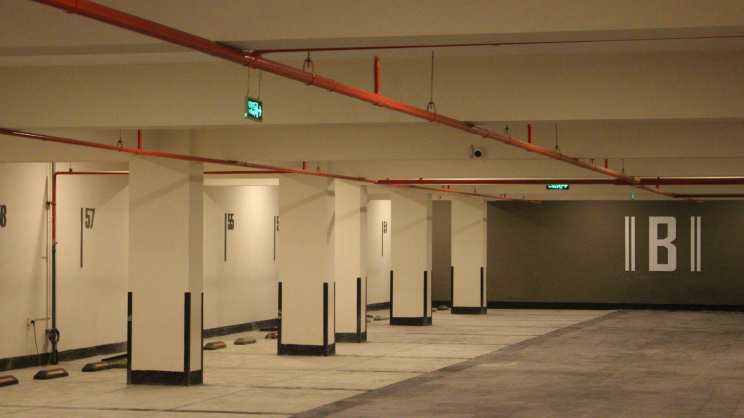
The first check is the electrical capacity already available at home. Dr Mahbub Alam, professor of electrical and electronic engineering at Bangladesh University of Engineering and Technology (BUET), points out that sanctioned load should be among the first things a homeowner considers. He gives 3.5 kW and 7.4 kW chargers as examples of loads that may require a fresh look at capacity alongside usual household demand.
Sanctioned load is the capacity approved for the electricity connection. The assessment also needs to consider the actual wiring and equipment serving the property. A charger running for several hours has to fit alongside other uses, including air-conditioners, pumps and kitchen appliances.
The useful question is not simply how many chargers can fit in the garage, but whether all of them need to draw their maximum power at once.
The best setup fits the car, the household and the hours it spends parked.
That does not mean every EV buyer needs to rewire the house. It means the existing connection should be assessed before choosing the charging setup. A qualified electrician or electrical engineer can determine whether the home has enough capacity and whether the distribution system needs alteration. Any required increase in sanctioned load should be discussed with the electricity supplier.
The car itself is part of that decision. A higher-rated home charger will not necessarily deliver its full output to every EV: the vehicle’s AC charging capability also sets a limit. Check the exact model’s connector and charging specification with the supplier before buying equipment, particularly when comparing vehicles imported from different markets.
From the meter to the parking bay
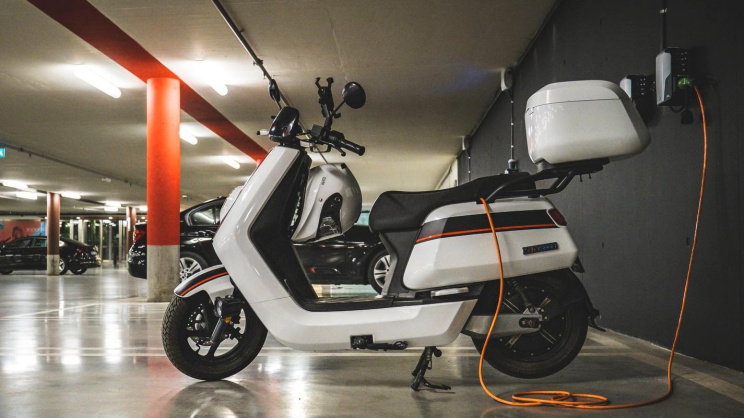
Where the car is parked is the next practical issue. In a standalone house, the meter and parking space may be relatively close. In an apartment, the vehicle may sit in a basement while the resident’s meter or distribution point is elsewhere, with common areas in between.
Alam notes that this makes the route of the electrical connection and the method of billing important early decisions. Building management should agree on the cable route, responsibility for installation and maintenance, and how electricity use will be recorded. A reserved parking bay does not, by itself, settle those questions.
Bangladesh’s Electric Vehicle Charging Guideline 2022 generally assigns the regular household electricity tariff to private charging. It also allows the relevant battery-charging tariff where a separate meter serves more than three EV owners. The guideline treats a facility serving more than three owners as a public charging station, so a shared apartment installation needs its classification, approvals and applicable tariff confirmed with SREDA and the electricity supplier.
For residents sharing equipment, the agreement should also cover access and payment: who can use the charger, how sessions are recorded and what happens when someone leaves a car in the bay after charging. These are easier conversations before the first installation than after several neighbours need it each evening.
A dedicated installation
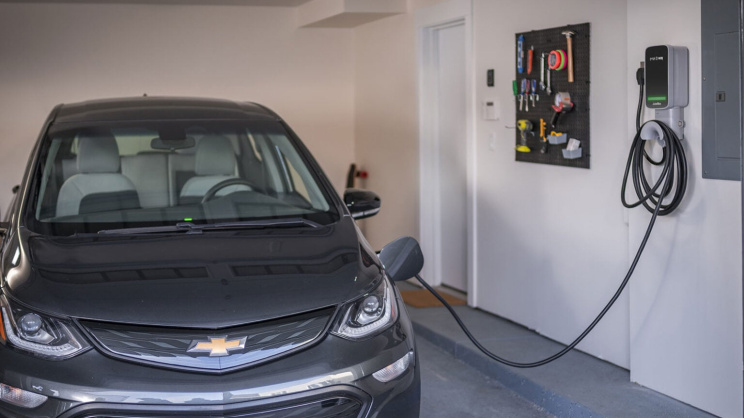
The charging point needs to be treated as a dedicated electrical installation, rather than simply another convenient socket. The national guideline calls for an individual final sub-circuit, overcurrent protection, residual-current protection and proper earthing. The installer should select and coordinate the protection for the equipment being fitted.
Dr Taskin Jamal, associate professor of electrical and electronic engineering at Ahsanullah University of Science and Technology, considers the infrastructure behind the charger the harder part of the transition. A charger can be installed relatively quickly, but the circuits and protection serving it have to be appropriate for sustained charging.
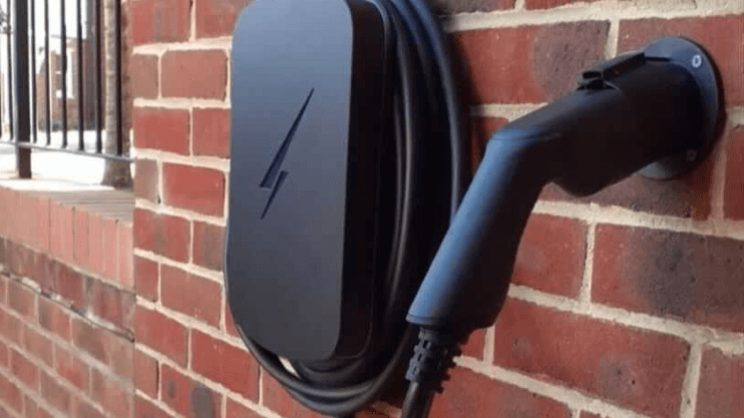
Location matters too. The cable should reach the car without trailing across a walkway or requiring an improvised extension. Outdoor or damp locations need equipment rated for those conditions. Ask for installation and test records, and keep the supplier’s operating instructions where the person responsible for the charger can find them.
Let parked time do the work
Apartment living becomes more complicated when several residents own EVs. The useful question is not simply how many chargers can fit in the garage, but whether all of them need to draw their maximum power at once.
Jamal explains that smart or coordinated charging can spread demand over several hours. For cars parked overnight, charging can be shifted away from the busy evening period and planned to finish before morning, provided there is enough time and available capacity.
 For all latest news, follow The Daily Star's Google News channel.
 A timer can delay a session, while load management can adjust charging to the capacity available. The building needs to establish which functions its equipment actually provides. Moving every car to the same later start time may simply create another peak; coordination should account for the other loads still running.
The same principle applies beyond the home. Offices and other long-stay parking areas can support slower charging while vehicles are already idle. Public fast chargers remain useful for longer journeys, commercial use and drivers without dependable private charging. Much of EV charging can happen where the car is already parked, rather than requiring a separate trip.
Follow the battery’s own rules
Dr Muhammad Anisuzzaman Talukder, professor of electrical and electronic engineering at BUET, notes that frequent high-power charging can place greater stress on a battery than routine slower charging. For everyday use, faster charging is therefore not automatically the better choice.
Talukder also advises against routinely taking the battery to either extreme when unnecessary. The practical approach is to follow the vehicle’s charging guidance, including any instructions to charge fully at specified intervals. Battery chemistry and charging controls vary between models, so a percentage that suits one EV should not become a universal rule for another.
Bangladesh’s heat is another consideration. Talukder points out that charging adds heat to a battery that may already be warm. Modern EVs manage charging according to battery conditions, but owners should still follow temperature-related instructions and charging alerts. Unsuitable connections or supply problems need professional assessment, rather than repeated attempts to restart a faulty session.
Prepare for the next car too
New apartment projects can design out some problems before residents buy their first EV. Developers can plan for future electrical capacity, provide pathways for cables and leave suitable space in electrical rooms and parking areas, without installing a charger at every bay immediately.
Jamal argues that this is easier than retrofitting a finished building. It can avoid breaking completed floors or walls and give future owners a clearer route to installation. He also sees utilities as part of the planning process, since EV demand eventually reaches local transformers and distribution feeders.
Being EV-ready is about the preparation behind the charger: a home or building where safe, practical charging can be added when the vehicle arrives. The best setup fits the car, the household and the hours it spends parked.
Comments