


When is a painting worth the splurge?
A nearly faded passport-sized photograph has become a large oil portrait, its faint details rebuilt in colour, scale and an artist’s interpretation.
The portrait belongs to Fazial Zinat, a retired bank official who lost her mother when she was very young. Years later, she commissioned an artist from Colours and Canvas BD to recreate her mother, filling the gaps between the image and imagination. What was once confined to a fragile square of ageing paper now fills a generous part of Fazial’s wall.

At its most tangible, it is only canvas, colour and an artist’s craft. Its real weight is harder to price. That is perhaps the best place to begin when asking when a painting is worth the splurge. Cost can tell you what went into making something. It cannot always explain why one face, street or inherited object may be irreplaceable to the person who owns it.
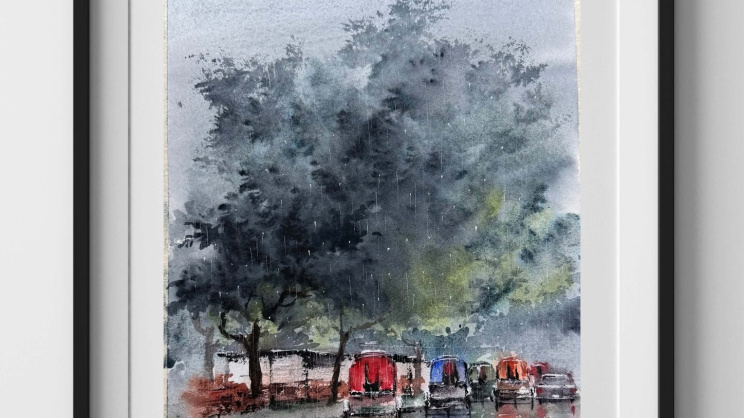
For an artist, working with another person’s recollection brings a particular responsibility. Moury Najnin, CEO of Moury’s Innerzen, works mainly in botanical painting and urban sketching. During Covid, when Dhaka’s familiar streets, alleys and corners suddenly became inaccessible, she began painting the city more intensely. Her buyers often respond from the same place of attachment.
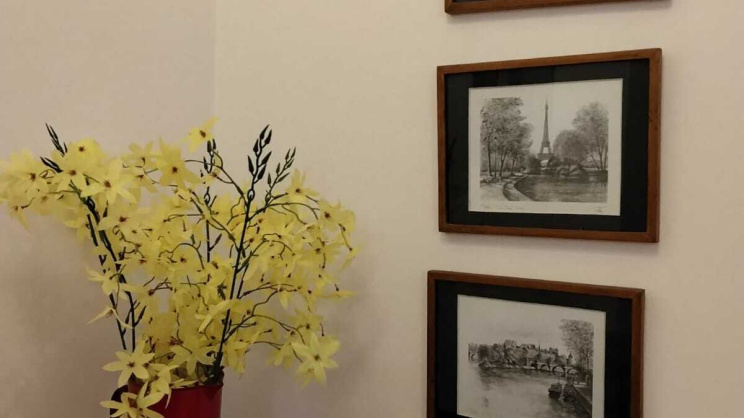
For Bangladeshis living abroad, that pull can be especially strong. Many are drawn to Moury’s paintings because they offer a way to carry a fragment of Dhaka into a home far from the city. Some even commission scenes of their own neighbourhoods or a familiar turn in the road. The artist is not working only from geography. She is trying to meet an image already shaped by time, distance and affection.
That connection also explains why, she says, such commissions can be risky. There is always the question of whether she has come close enough to the client’s memory. Fazial’s mother and an expatriate’s Dhaka are entirely different subjects, yet both ask the artist to work with something another person already holds vividly in their mind.
Perhaps this is why objects like these can outgrow their material worth. Consumer research has long explored how possessions can become extensions of identity, while psychological research links nostalgia with social connectedness and continuity with the past. A meaningful object can therefore do more than fill space. It can keep a person, place or period within reach.
Yet that sense of value does not always begin with a newly commissioned painting.
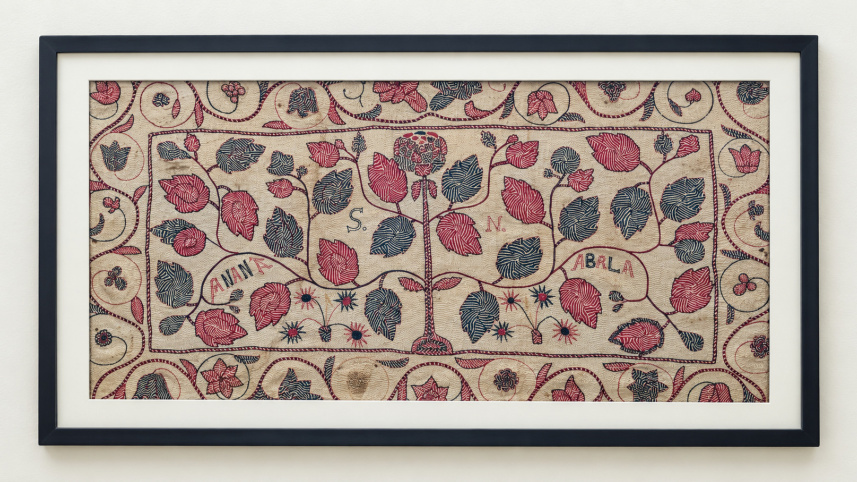
Gul Aktar Zahan, a former NGO professional, has preserved intricate needlework made by her mother and grandmother, including a nakshi kantha now approaching a century in age. Instead of leaving the ageing textile folded away, she had it mounted, framed and protected behind glass. The expense itself was modest. The decision changed the object’s presence.
What had once belonged to domestic use now reads as a statement piece. The stitches carry craftsmanship, but also the time and hands behind them. Research on family archives has found that photographs, heirlooms, recipes and everyday possessions can become carriers of family identity and private heritage. Gul’s kantha does something similar without ceasing to be the household object it once was.
Seen this way, splurging need not begin with a gallery price. Sometimes the extra spending goes into preservation. Sometimes it goes into commissioning something that exists nowhere else. Sometimes it is simply a decision to give human labour, interpretation and family history a visible place.
Moury makes a similar distinction when she talks about price. Good-quality materials are expensive, she says, but their cost alone cannot determine what a painting is worth. For her, the value depends on how well she can turn an idea into a painting. Research on handmade goods also suggests that perceived human care and intention can make such objects especially appealing.
At the same time, affordability complicates the word ‘splurge’. Tahsin Sadia Chowdhury, the owner of Colours and Canvas BD, says many clients buy paintings simply because they enjoy having art at home. If a preferred work exceeds their budget, its size and scope can often be adjusted. Her pricing accounts for materials, but also the time, detail and precision a piece demands.
And not every commission is about preserving the past. One of her commissions was for a couple who dream of one day having a home where they can sit beneath a bougainvillea tree and drink tea together. They do not know when that house will exist. They already have the painting.
In that sense, art can preserve what has disappeared, carry a city across borders, elevate inherited handiwork, or give form to a life not yet lived. None of these comes with a universal spending threshold.
This becomes even more significant in an age when images can be created almost instantly. A handmade work carries a different kind of intimacy. It grows through an artist’s imagination, patience and personal touch, shaped slowly by how they understand the story entrusted to them. The wait itself becomes part of the experience, ending in the surprise of seeing a private memory or feeling take form through another person’s hands.
So when should you splurge on a painting? Perhaps when the decision is less about filling a wall than about what you want that wall to hold for years. A fading passport photograph can become a portrait. A folded kantha can become an heirloom in full view. Sometimes the extra expense is simply the price of giving something fragile a longer life.
 For all latest news, follow The Daily Star's Google News channel.
Comments