


The city that follows you home
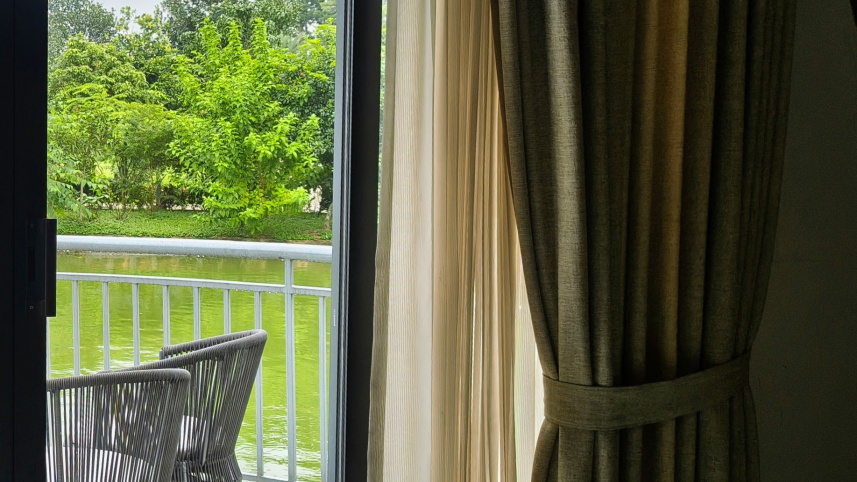
The windows are shut, but the road is still in the room. A bus announces itself through the glass. Fine dust settles on the sill. Across the lane, a security light has appointed itself your bedside lamp.
For anyone living in a busy Bangladeshi neighbourhood, especially in Dhaka or Chattogram, home and city rarely stay neatly separated. Pollution follows us indoors, while some of it begins in our own kitchens and living rooms. The challenge is to make the home more forgiving of its surroundings, without turning it into a sealed box.

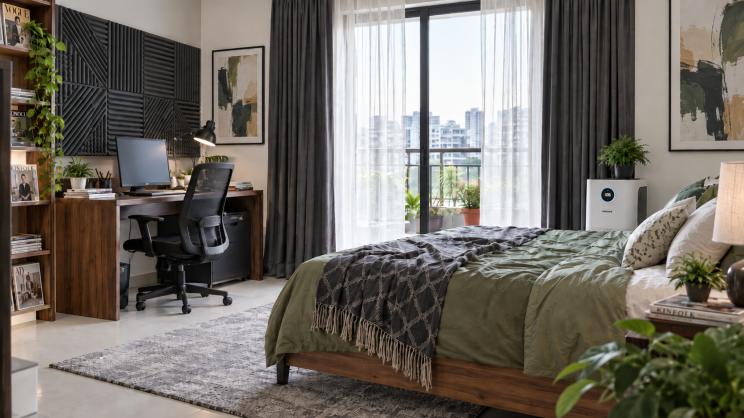
Air, sound, light and water each need a different response. Often, the useful first step is to follow the nuisance back to its source before buying something to fix it.
Air that needs somewhere to go
Cooking fumes, tobacco smoke and emissions from paints or furnishings can add to whatever drifts through the window. A room can look spotless and still have poor air quality.
Begin in the kitchen. Use an extractor that discharges outdoors, and check where its duct actually ends. A hood that recirculates air through a filter does not provide the same ventilation. Keep smoking outside and away from openings. During painting or renovation, isolate the work area where possible and plan for ventilation.
Opening every window is not always helpful beside a dusty construction site or smoke-filled lane. Check local air-quality information and nearby activity, and ventilate when outdoor conditions improve. A cool room is not necessarily a ventilated one: most ordinary split air conditioners recirculate indoor air.
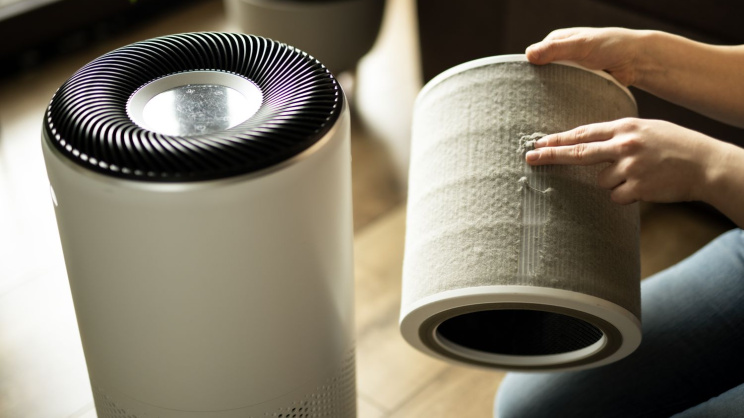
For persistent particle pollution, a HEPA purifier can help. Match its clean air delivery rate, or CADR, to the room, including any connected open space. Check replacement-filter availability and whether its noise will discourage regular use. HEPA captures particles; it does not remove every gas or supply fresh air. Avoid machines that deliberately generate ozone.

Monsoon damp deserves equal attention. Repair leaks and address the moisture behind recurring mould; filtration cannot fix a wet wall.
Keep the money plant if it makes the room feel good. An ordinary collection of houseplants cannot meaningfully purify a home's air.
Taking the edge off the soundtrack
There is a particular frustration in spending generously on a bedroom and discovering that the street has moved in with you. Start with the gaps. Poorly fitting windows, loose frames and door undercuts give sound easy routes indoors. Suitable seals and repairs may help before expensive work begins. For a larger upgrade, ask about the tested performance of the complete window assembly: glass, frame and seals together. Secondary glazing or acoustic laminated glass can help when appropriately specified and installed.
Curtains, rugs and upholstered furniture soften echoes within a room. Their effect on noise entering through walls or windows is limited. A rug will not persuade the bus downstairs to lower its voice.
Where the layout allows, give sleeping and working spaces the quieter side of the flat. If windows must remain closed, plan ventilation and cooling alongside acoustic improvements.
Some noise is better handled collectively. Ask building management to investigate vibrating pumps and rattling equipment. Agree on reasonable hours for drilling and loud music. Reducing noise at its source can benefit several homes at once.
Giving night its room back
The light over a gate should help someone find the entrance. When it also illuminates three bedrooms across the road, its ambition needs adjusting.
This is light trespass: illumination spilling where it is neither wanted nor needed. Begin with the fittings you control. Shield balcony and entrance lights and point them downwards. Use only the brightness the task requires, with timers or motion sensors where appropriate. Keep stairs and access routes safely lit. DarkSky International recommends warm outdoor lighting, generally 3000K or lower, alongside careful positioning and limited operating hours. Warm colour alone will not fix an excessively bright lamp.
Inside, blackout curtains or well-fitted blinds can reduce intrusive light. For a persistent beam from next door, a conversation about adjusting the fitting may achieve more than another layer of fabric.
Your own lighting matters too. Bright evening light can interfere with the body's sleep signals. Try lower, shaded lamps as bedtime approaches, and keep necessary night lighting dim and directed towards the floor. Let daylight back in during the morning. A comfortable home needs room for both brightness and darkness.
 For all latest news, follow The Daily Star's Google News channel.
 Following the water upstream
A clear glass of water offers little evidence of what is dissolved or living in it. Taste and smell are unreliable guides too. Start by asking where the water comes from and how it reaches the tap. In an apartment building, ask about underground and rooftop tank maintenance, protective covers and recent plumbing repairs. A kitchen filter is only one part of that journey.
If safety is uncertain, arrange testing through a qualified laboratory and choose treatment for the contaminants identified. Groundwater users should include locally relevant risks such as arsenic. Sediment filters catch suspended material; ordinary carbon filters often improve taste and smell, but should not be assumed to disinfect water.
Look for independently verified claims for the specific problem. A device certified to improve taste does not automatically remove arsenic, and a long list of filtration stages proves little by itself.
Boiling addresses disease-causing microbes. For microbial contamination, bring clear water to a rolling boil for at least one minute, then cool and store it covered in a clean container. Boiling does not remove dissolved salts, arsenic or most other chemical contaminants; those require a verified safe alternative supply or suitable treatment. Replace cartridges and service treatment systems on schedule. Neglected filters can harbour germs.
Consider what leaves the home as well. Leftover paint, solvents and pesticides should not go down sinks or storm drains. Keep them in labelled containers and ask the supplier or local waste authority about appropriate disposal.
Start with the room you use most
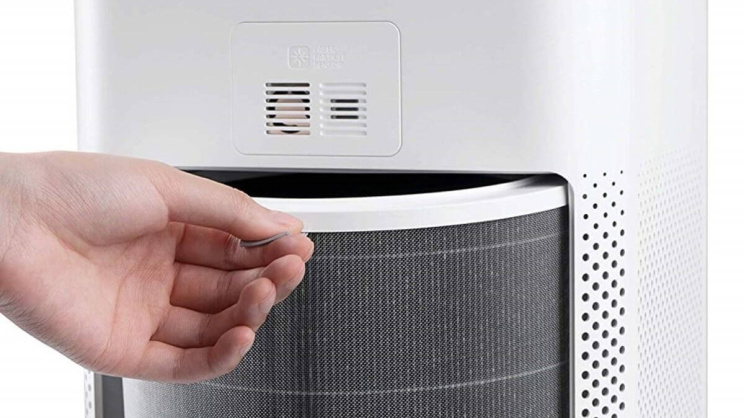
A modest budget goes further with a clear priority. Address unsafe drinking water and indoor smoke promptly; then tackle the bedroom window, the intrusive lamp or the source of a persistent hum. Renters can begin with habits, removable fittings and specific maintenance requests. Owners planning renovations can build these considerations into the brief.
The result may barely register in a photograph. It becomes apparent when you sit down, turn off the light, or finally hear the end of a conversation.
Comments